

 Se i rummet
 Send
Send Del
Del
 Detaljer
 Studieguide til kunstværker

 Download
 Lignende værker
 Røntgenundersøgelse
 Se diasshow
 Statistik
Olives in Spain
 Oil On Canvas
- WallArt
- Post-Impressionism
 1922
1922- Renaissance
 33.0 x 41.0 cm
 Fitzwilliam-museet
 Læs mere
Kunstværket vist på denne side er beskyttet af ophavsretsloven, hvilket betyder, at vi ikke lovligt kan skabe eller sælge en identisk reproduktion. Denne beskyttelse håndhæves i henhold til internationale aftaler som f.eks. den Bernerkonventionen og af nationale love, herunder de bestemmelser, der er fastlagt i Amerikansk ophavsretslov - Titel 17.
Denne metode overholder fuldt ud ophavsretsreglerne, da den ikke indebærer kopiering eller duplikering af det beskyttede kunstværk. I stedet er der tale om en kreativ nytolkning – et nyt maleri, som er inspireret af det oprindelige, men ikke identisk med det.
Giclée / Kunsttryk
Giclée- eller lærredstryk i museumskvalitet med hurtig produktion og fleksible muligheder for finish. ( Bestil håndmalet reproduktion Skift til digitalt billede)




P118B Dkr10

P118H Dkr10

P118W Dkr10

P438Z Dkr10

P508JH Dkr12

P508YH Dkr12

P805H Dkr10

P805Z Dkr10

P919BZ Dkr10

P919G Dkr10

P919XJ Dkr10

P959ZH Dkr10

P968JZ Dkr12

W106C Dkr8

W218G Dkr10

W218JH Dkr8

W218Y Dkr10

W307PJ Dkr10

W316G Dkr10

W316PJ Dkr8

W316Y Dkr10

W398PJ Dkr8

W4111J Dkr10

W500HY Dkr15

W500JH Dkr15

W692G Dkr12

W849H Dkr8

W940BG Dkr15

W953PJ Dkr8




Vælg mellem vores forudindstillede størrelser, der matcher kunstværkets originale proportioner.

Indtast den bredde og højde, du har brug for, så det passer til din ramme eller din væg. Et print kan kun beskæres, aldrig gøres større end billedet, så en størrelse med en anden form vil miste en del af motivet. Vi sender dig en digital mockup til godkendelse, før vi printer noget. Billedet vist på denne side viser ikke den faktiske beskæring — det er kun mockuppen, der gør.
Verdensomspændende levering () på 2 uger i stedet for de sædvanlige 4/5 uger. (27 oktober)

Gratis ekspresforsendelse til hele verden

Lærred af linned i høj kvalitet

Komplet transportforsikring

Garanti for refusion af told og importafgifter

Garanti for autentisk farvegengivelse

100 dages returret ved fabrikationsfejl

100% fuld returret

Mængderabat ved flere køb
 Glasmulighed er kun tilgængelig i størrelser under 110 cm

Olives in Spain
Giclée / Kunsttryk
Reproduktionsstørrelse
-


Samlet pris
Dkr 532
Olives in Spain – A Moment of Provençal Serenity
Augustus Edwin John’s “Olives in Spain,” painted in 1922, isn't merely a landscape; it’s a distillation of memory and feeling, a poignant evocation of the artist’s profound connection to Provence. This captivating work, rendered in oil on canvas measuring 33 x 41 cm, transports us to a sun-drenched hillside bathed in the golden light of southern France – a place that held an almost mythical significance for John throughout his life.
The scene unfolds with remarkable simplicity and depth. A modest olive grove dominates the composition, its gnarled trees clustered together against a backdrop of rolling hills and distant mountains. The palette is deliberately restrained, dominated by earthy greens, ochres, and muted blues – colors that speak to the region’s geological character and the fading light of dusk. John masterfully employs broken brushstrokes and subtle variations in tone to create an atmosphere of hazy warmth and quiet contemplation. Notice how he doesn't attempt to capture every detail; instead, he focuses on conveying a sense of mood and atmosphere, prioritizing feeling over precise representation.
The Bohemian Painter and His Provençal Sanctuary
Augustus Edwin John was a figure of considerable eccentricity and artistic restlessness, a quintessential “Bohemian.” Born in Wales but deeply rooted in the Parisian art scene, he spent decades flitting between London, Paris, and Provence. This period in Provence – from 1910 to 1928 – proved particularly transformative for him. He established an artist’s colony at Alderney Manor, a rambling estate near Martigues, where he gathered a circle of fellow artists, including his brother Gwen John. The landscape itself became a constant source of inspiration, and “Olives in Spain” is arguably one of the most evocative expressions of this enduring fascination.
The painting’s creation coincided with a time of personal reflection for John. Following a serious diving accident that left him partially blinded, he sought solace and renewal in the Provençal countryside. It was here, amidst the olive groves and vineyards, that he rediscovered his artistic voice and found a sense of peace. The work reflects this journey – a yearning for simplicity, beauty, and connection to nature after a period of personal turmoil.
Symbolism and Emotional Resonance
Beyond its purely visual appeal, “Olives in Spain” is rich in symbolic meaning. Olives themselves have long been associated with peace, prosperity, and longevity – qualities that John clearly sought to capture in this painting. The muted colors contribute to a sense of melancholy and nostalgia, hinting at the passage of time and the bittersweet beauty of memory. The solitary figure of a bird perched on a rock in the foreground adds an element of quiet observation, suggesting a moment of contemplation within the vastness of the landscape.
John’s distinctive style—characterized by loose brushwork, flattened perspective, and a focus on capturing fleeting moments of light and atmosphere—is fully evident here. He wasn't interested in creating a photographic likeness; instead, he aimed to translate his emotional experience onto the canvas. “Olives in Spain” is not just a depiction of a landscape; it’s an intimate portrait of a man grappling with his own identity and seeking solace in the beauty of the natural world.
A Timeless Masterpiece for the Home
Reproductions of “Olives in Spain” offer a remarkable opportunity to bring this evocative artwork into your home. The painting’s serene composition and rich color palette make it an ideal addition to any living room, bedroom, or study – spaces where you can relax, reflect, and connect with the beauty of nature. Its timeless appeal ensures that it will remain a cherished piece for generations to come.
Spørgsmål & svar
Hvor og til hvilket formål anbefales "Olives in Spain"?
"Olives in Spain" anbefales til Accent, og det ideelle rum er et Living Room.
Hvor i Augustus Edwin Johns karriere placerer "Olives in Spain" sig?
"Olives in Spain" repræsenterer Augustus Edwin Johns Provence Years.
Hvilken følelse formidler "Olives in Spain" af Augustus Edwin John?
"Olives in Spain" af Augustus Edwin John formidler en Nostalgic følelse i en overordnet Calm stemning.
Om kunstneren
A Welsh Bohemian: The Life and Art of Augustus Edwin John
Augustus Edwin John, en mand hvis liv var lige så levende og ukonventionel som de malerier, han skabte, er en af det tidlige 20. århundredes mest bemærkelsesværdige britiske kunstnere. Født i Tenby, Wales, den 4. januar 1878, begyndte hans kunstneriske rejse med en tidlig inspiration fra sin mor, der indgydede ham en kærlighed til tegning fra en ung alder. Denne tidlige støtte førte ham til Tenby School of Art i 17-årsalderen, hvor hans naturlige talent hurtigt blev tydeligt. Men det var hans efterfølgende optagelse på Slade School of Fine Art i University College London (1894-1898), der virkelig antændte hans kunstneriske udvikling. Her, under veiledning af Henry Tonks, perfektionerede han sin tegneteknik til et exceptionelt niveau, opnåede anerkendelse og etablerede sig som en talentfuld ung mand, selv før han dimitterede. Et dramatisk vendepunkt kom i 1897 med en hovedskade, der blev påført under et dykkerprøve i Tenby. Denne hændelse forandrede hans personlighed dybt og udløste en nyfundet spontanitet og mod, som ville karakterisere både hans liv og kunst.Indflydelser og Shaping af en Stil
Johns kunstneriske sanser var dybt rodfæstet i de gamle mestere, især Peter Paul Rubens, hvis dynamiske kompositioner og rige farvepaletter resonerede med ham. Samtidig absorberede han innovationerne fra franske samtidige som Matisse og Gauguin, der omfavnede deres udtryksfulde brug af farver og afvisning af traditionelle akademiske begrænsninger. De subtile toneharmoni fra Puvis de Chavannes efterlod også et varigt præg på hans æstetiske vision. Disse forskellige indflydelser forenedes til en distinkt stil, der var kendetegnet ved livlige nuancer, flydende penselstrøg og en overbevisende fokus på at fange essensen af hans emner. Han var ikke blot interesseret i lighed; han søgte at afsløre det indre liv, de flygtige følelser, der definerede hver enkelt person. Denne stræben førte ham til at udmærke sig inden for portrætter, hvor han besad en bemærkelsesværdig evne til at fange et "øjebliks attitude" – et øjeblikkeligt glimt ind i sit sitters sjæl. Han var kendt for sin evne til at skildre ikke blot udseende, men også personlighed og følelser med enestående dygtighed.Portrætter og Romani Lore: Et Liv Fuldt Levende
Augustus Edwin John er måske bedst husket for sine slående portrætter af prominente figurer fra den aristokratiske og litterære verden. Hans malerier bragte liv til personer som David Lloyd George, James Joyce og George Bernard Shaw, hver gengivet med en psykologisk dybde, der gik ud over blot repræsentation. Bemærkelsesværdige værker som *Caspar* (1909), et hjerteskærende billede af ungdommelig uskyld, og portrætter af Archibald Henry Macdonald Sinclair (1924) og Francis Henry Crittall (1919) illustrerer hans mesterskab inden for genren. Men Johns kunstneriske interesser udvandt sig langt ud over de konventionelle portrætter. En dyb fascination med Romani-kulturen førte ham til at omfavne en nomadelivsstil, hvor han rejste i en karavan sammen med sin familie i en forlængelse af årene. Denne immersive oplevelse påvirkede hans kunst dybt og infunderede den med temaer om frihed, vandringslust og skønheden i naturen. Hans dybe forbindelse til denne fællesskab kulminerede i hans præsidentskab for Gypsy Lore Society, hvilket bekræftede hans engagement i at forstå og fejre deres unikke måde at leve på. *Air Mechanic Shaw* (1935), et portræt af T.E. Lawrence, står som et andet eksempel på hans evne til at fange komplekse karakterer med bemærkelsesværdig følsomhed.En Kompleks Arv: Anerkendelse og Omsidskuelæggelse
I løbet af sin karriere oplevede John både bred anerkendelse og perioder med kritisk udsving. I første omgang blev han fejret for sine innovative oliestegninger og figurtegninger, men nogle kritikere fandt senere hans arbejde for overdrevent flamboyant eller manglende penselstrøg. Hans tjeneste som krigskunstner under Første Verdenskrig, knyttet til den canadiske styrke, resulterede i mindeværdige portrætter af soldater, men en uheldig hændelse førte til hans tilbagekaldelse til England. På trods af disse udfordringer forblev Augustus Edwin John en betydelig figur i britisk kunsthistorie. Han var en af de få kunstnere på sin tid, der opnåede bred offentlig anerkendelse og spillede en central rolle i at popularisere Post-Impressionismen i Storbritannien. Han blev tildelt Order of Merit i 1942 og dokumenterede sit liv og kunstneriske filosofi i to bind med selvbiografi: *Chiaroscuro* (1952) og *Finishing Touches* (publiceret posthumt i 1964). Selvom hans ry aftog lidt efter Anden Verdenskrig, er der i de seneste år sket en genopdagelse af hans arbejde, især for den livlighed og originalitet i sine tidlige værker. Hans arv beriges yderligere af sin søsters kunstneriske præstationer, Gwen John, hvis egen unikke vision bidrog væsentligt til modernismens bevægelse.- Født: 4. januar 1878, Tenby, Wales
- Død: 31. oktober 1961, Fordingbridge, England

Augustus Edwin John
1878 - 1961 , Wales
Hurtige fakta
- Artistic Movement Or Style: Post-Impressionisme
- Artists Or Movements Influenced By This Artist: ['Moderne britisk maleri']
- Artists Who Influenced This Artist:
- Rubens
- Matisse
- Date Of Birth: 4. januar 1878
- Date Of Death: 31. oktober 1961
- Full Name: Augustus Edwin John
- Nationality: Waliser
- Notable Artworks:
- Caspar
- Air Mechanic Shaw
- Place Of Birth: Tenby, Wales
Relaterede artikler

Romantikkens Landskaber: Top 10 Malerier der Definerede En Æra | OriginalUniqueArt
Oplev romantikkens storhedstid! Dyk ned i top 10 landskabsmalerier af Caspar David Friedrich, Turner & Constable. Historiske fortællinger og museumskvalitets reproduktioner på OriginalUniqueArt.com – find din inspiration til væggen her!

John Constables 25 Mesterværker: En Hyldest til Englands Landskabskunst | OriginalUniqueArt.com
Oplev John Constables 25 mest ikoniske værker! Fordyb dig i engelsk romantik, betagende landskaber og tidløs skønhed. Køb museumskvalitets reproduktioner af 'The Hay Wain' & mere på OriginalUniqueArt.com – inspiration til dit hjem.

Evocations of Place: A Historical Journey Through Landscape Art
Explore the rich history of landscape art with OriginalUniqueArt. Discover renowned artists, movements like Impressionism & Romanticism, and expert guidance for collecting timeless pieces. Find your perfect serene escape today!

John Singer Sargent: Top 25 Mesterværker – Portrætter & Historier | OriginalUniqueArt.dk
Oplev John Singer Sargents 25 mest ikoniske malerier – fra elegante portrætter til impressionistiske mesterværker. Lær historierne bag kunsten & find inspiration til din indretning med OriginalUniqueArt.com. Udforsk samlingen online!
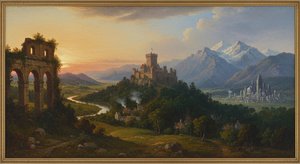
Evocations of Place: A Historical Journey Through Landscape Art
Explore the rich history of landscape art with OriginalUniqueArt. Discover renowned artists, movements like Impressionism & tonalism, and expert guidance for collecting timeless pieces. Find your perfect serene escape today!


