
 Se i rummet
 Del som kort
 Del
Del
 Detaljer
 Guide
Guide

 Download
 Lignende værker
 Røntgenundersøgelse
 Diasshow
 Q&A
Q&A Statistikker
David and Dorelia in Normandy

- 37.0 x 45.0 cm


 Vis mere
Kunstværket vist på denne side er beskyttet af ophavsretsloven, hvilket betyder, at vi ikke lovligt kan skabe eller sælge en identisk reproduktion. Denne beskyttelse håndhæves i henhold til internationale aftaler som f.eks. den Bernerkonventionen og af nationale love, herunder de bestemmelser, der er fastlagt i Amerikansk ophavsretslov - Titel 17.
Denne metode overholder fuldt ud ophavsretsreglerne, da den ikke indebærer kopiering eller duplikering af det beskyttede kunstværk. I stedet er der tale om en kreativ nytolkning – et nyt maleri, som er inspireret af det oprindelige, men ikke identisk med det.
Giclée / Kunsttryk
Giclée- eller lærredstryk i museumskvalitet med hurtig produktion og fleksible muligheder for finish. ( Køb håndmalet maleri Skift til digitalt billede)




P118B Dkr10

P118H Dkr10

P118W Dkr10

P438Z Dkr10

P508JH Dkr12

P508YH Dkr12

P805H Dkr10

P805Z Dkr10

P919BZ Dkr10

P919G Dkr10

P919XJ Dkr10

P959ZH Dkr10

P968JZ Dkr12

W106C Dkr8

W218G Dkr10

W218JH Dkr8

W218Y Dkr10

W307PJ Dkr10

W316G Dkr10

W316PJ Dkr8

W316Y Dkr10

W398PJ Dkr8

W4111J Dkr10

W500HY Dkr15

W500JH Dkr15

W692G Dkr12

W849H Dkr8

W940BG Dkr15

W953PJ Dkr8




Vælg mellem vores forudindstillede størrelser, der matcher kunstværkets originale proportioner.

Indtast den bredde og højde, du har brug for, så det passer til din ramme eller din væg. Et print kan kun beskæres, aldrig gøres større end selve billedet, så en størrelse med et andet format vil medføre, at dele af motivet går tabt. Vi sender dig en digital mockup til godkendelse, før vi printer noget. Billedet vist på denne side viser ikke den faktiske beskæring — det er kun mockuppen, der gør.
Verdensomspændende levering () på 2 uger i stedet for de sædvanlige 4/5 uger. (1 november)

Gratis ekspresforsendelse til hele verden

Lærred af linned i høj kvalitet

Fuld transportforsikring

Garanti for refusion af told og importafgifter

Garanti for præcis farvegengivelse

100 dages returret ved fabrikationsfejl

100% fuld returret

Mængderabat ved flere køb
 Glasmulighed er kun tilgængelig i størrelser under 110 cm

David and Dorelia in Normandy
Giclée / Kunsttryk
Størrelse på reproduktion
-


Samlet pris
Dkr 538
David and Dorelia in Normandy
Augustus Edwin John’s “David and Dorelia in Normandy” is more than just a portrait; it's a distillation of Edwardian romance and bohemian artistic aspiration, captured with meticulous draughtsmanship and imbued with a palpable sense of intimacy. Painted in 1908, the canvas depicts David Garnett (John) and Dorelia McNeill—John’s mistress—reclining on the grass overlooking a hillside bathed in the golden light of Provence. This idyllic scene transcends mere representation, embodying John's fascination with the Romani people and his exploration of human relationships amidst the backdrop of artistic experimentation.- Style & Technique: The painting exemplifies John’s distinctive Post-Impressionist style—characterized by subtle tonal gradations and a restrained palette dominated by earthy browns, greens, and ochres. John employed a layered technique, applying thin glazes over underdrawings to achieve remarkable luminosity and depth of color. His meticulous attention to detail is evident in the rendering of drapery folds and facial expressions, conveying an understated emotional resonance.
- Historical Context: Painted during the Edwardian era—a period marked by social conservatism juxtaposed with burgeoning artistic innovation—the artwork reflects the prevailing mood of refined leisure and intellectual curiosity. John’s decision to portray Dorelia McNeill alongside Garnett was a bold statement against societal conventions, highlighting the complexities of love and desire within the confines of Victorian morality.
- Symbolism & Narrative: The hillside landscape serves as a symbolic representation of stability and contemplation—a counterpoint to the turbulent emotions simmering beneath the surface. Dorelia’s pose—relaxed yet watchful—suggests an awareness of John's gaze, hinting at unspoken desires and vulnerabilities. The painting captures a moment of quiet connection between two individuals navigating the challenges of passion and commitment.
- Fitzwilliam Museum Perspective: Held by the Fitzwilliam Museum in Cambridge, “David and Dorelia in Normandy” exemplifies John’s ability to convey profound emotion through deceptively simple compositions. Its provenance underscores its significance within British art history—a testament to John's enduring legacy as one of the foremost portrait painters of his time.
- Reception & Influence: Critics lauded John’s masterful draughtsmanship and psychological insight, recognizing “David and Dorelia in Normandy” as a quintessential example of his oeuvre. The painting continues to inspire artists and collectors alike—a timeless depiction of human connection that resonates with viewers across generations.
Spørgsmål og svar
Kan jeg bruge augmented reality til at se "David and Dorelia in Normandy" af Augustus Edwin John i mit eget rum?
Siden Se i AR for "David and Dorelia in Normandy" af Augustus Edwin John bruger augmented reality til at vise kunstværket i dit eget rum på en kompatibel enhed.
Er "David and Dorelia in Normandy" af Augustus Edwin John et maleri, en tegning eller et tryk?
"David and Dorelia in Normandy" af Augustus Edwin John er klassificeret som WallArt. Kategorien beskriver den type kunstværk, som originalen er.
Hvad er den dominerende farve i "David and Dorelia in Normandy" af Augustus Edwin John?
Den farve, der træder tydeligst frem i "David and Dorelia in Normandy", er Cobalt Violet (#767a97). Den dominerende farve er nyttig, når man skal matche et kunstværk med en indretning.
Kunstnerbiografi
A Welsh Bohemian: The Life and Art of Augustus Edwin John
Augustus Edwin John, en mand hvis liv var lige så levende og ukonventionel som de malerier, han skabte, er en af det tidlige 20. århundredes mest bemærkelsesværdige britiske kunstnere. Født i Tenby, Wales, den 4. januar 1878, begyndte hans kunstneriske rejse med en tidlig inspiration fra sin mor, der indgydede ham en kærlighed til tegning fra en ung alder. Denne tidlige støtte førte ham til Tenby School of Art i 17-årsalderen, hvor hans naturlige talent hurtigt blev tydeligt. Men det var hans efterfølgende optagelse på Slade School of Fine Art i University College London (1894-1898), der virkelig antændte hans kunstneriske udvikling. Her, under veiledning af Henry Tonks, perfektionerede han sin tegneteknik til et exceptionelt niveau, opnåede anerkendelse og etablerede sig som en talentfuld ung mand, selv før han dimitterede. Et dramatisk vendepunkt kom i 1897 med en hovedskade, der blev påført under et dykkerprøve i Tenby. Denne hændelse forandrede hans personlighed dybt og udløste en nyfundet spontanitet og mod, som ville karakterisere både hans liv og kunst.Indflydelser og Shaping af en Stil
Johns kunstneriske sanser var dybt rodfæstet i de gamle mestere, især Peter Paul Rubens, hvis dynamiske kompositioner og rige farvepaletter resonerede med ham. Samtidig absorberede han innovationerne fra franske samtidige som Matisse og Gauguin, der omfavnede deres udtryksfulde brug af farver og afvisning af traditionelle akademiske begrænsninger. De subtile toneharmoni fra Puvis de Chavannes efterlod også et varigt præg på hans æstetiske vision. Disse forskellige indflydelser forenedes til en distinkt stil, der var kendetegnet ved livlige nuancer, flydende penselstrøg og en overbevisende fokus på at fange essensen af hans emner. Han var ikke blot interesseret i lighed; han søgte at afsløre det indre liv, de flygtige følelser, der definerede hver enkelt person. Denne stræben førte ham til at udmærke sig inden for portrætter, hvor han besad en bemærkelsesværdig evne til at fange et "øjebliks attitude" – et øjeblikkeligt glimt ind i sit sitters sjæl. Han var kendt for sin evne til at skildre ikke blot udseende, men også personlighed og følelser med enestående dygtighed.Portrætter og Romani Lore: Et Liv Fuldt Levende
Augustus Edwin John er måske bedst husket for sine slående portrætter af prominente figurer fra den aristokratiske og litterære verden. Hans malerier bragte liv til personer som David Lloyd George, James Joyce og George Bernard Shaw, hver gengivet med en psykologisk dybde, der gik ud over blot repræsentation. Bemærkelsesværdige værker som *Caspar* (1909), et hjerteskærende billede af ungdommelig uskyld, og portrætter af Archibald Henry Macdonald Sinclair (1924) og Francis Henry Crittall (1919) illustrerer hans mesterskab inden for genren. Men Johns kunstneriske interesser udvandt sig langt ud over de konventionelle portrætter. En dyb fascination med Romani-kulturen førte ham til at omfavne en nomadelivsstil, hvor han rejste i en karavan sammen med sin familie i en forlængelse af årene. Denne immersive oplevelse påvirkede hans kunst dybt og infunderede den med temaer om frihed, vandringslust og skønheden i naturen. Hans dybe forbindelse til denne fællesskab kulminerede i hans præsidentskab for Gypsy Lore Society, hvilket bekræftede hans engagement i at forstå og fejre deres unikke måde at leve på. *Air Mechanic Shaw* (1935), et portræt af T.E. Lawrence, står som et andet eksempel på hans evne til at fange komplekse karakterer med bemærkelsesværdig følsomhed.En Kompleks Arv: Anerkendelse og Omsidskuelæggelse
I løbet af sin karriere oplevede John både bred anerkendelse og perioder med kritisk udsving. I første omgang blev han fejret for sine innovative oliestegninger og figurtegninger, men nogle kritikere fandt senere hans arbejde for overdrevent flamboyant eller manglende penselstrøg. Hans tjeneste som krigskunstner under Første Verdenskrig, knyttet til den canadiske styrke, resulterede i mindeværdige portrætter af soldater, men en uheldig hændelse førte til hans tilbagekaldelse til England. På trods af disse udfordringer forblev Augustus Edwin John en betydelig figur i britisk kunsthistorie. Han var en af de få kunstnere på sin tid, der opnåede bred offentlig anerkendelse og spillede en central rolle i at popularisere Post-Impressionismen i Storbritannien. Han blev tildelt Order of Merit i 1942 og dokumenterede sit liv og kunstneriske filosofi i to bind med selvbiografi: *Chiaroscuro* (1952) og *Finishing Touches* (publiceret posthumt i 1964). Selvom hans ry aftog lidt efter Anden Verdenskrig, er der i de seneste år sket en genopdagelse af hans arbejde, især for den livlighed og originalitet i sine tidlige værker. Hans arv beriges yderligere af sin søsters kunstneriske præstationer, Gwen John, hvis egen unikke vision bidrog væsentligt til modernismens bevægelse.- Født: 4. januar 1878, Tenby, Wales
- Død: 31. oktober 1961, Fordingbridge, England

Augustus Edwin John
1878 - 1961 , Wales
Kort om kunstneren
- Artistic Movement Or Style: Post-Impressionisme
- Artists Or Movements Influenced By This Artist: ['Moderne britisk maleri']
- Artists Who Influenced This Artist:
- Rubens
- Matisse
- Date Of Birth: 4. januar 1878
- Date Of Death: 31. oktober 1961
- Full Name: Augustus Edwin John
- Nationality: Waliser
- Notable Artworks:
- Caspar
- Air Mechanic Shaw
- Place Of Birth: Tenby, Wales
Relaterede artikler
The Resonance of Earthly Tones: Exploring Nuance, History & Emotional Impact in Art
Explore the captivating world of earth tones in art! Discover historical context, emotional resonance & artistic techniques behind these timeless colors. Find inspiration for your home decor and museum-quality reproductions.
Top 10 Berømte Malerier i Lerfarver: Kunst, Historie & Indretning
Oplev top 10 berømte malerier domineret af smukke lerfarver! Lær historierne bag Picasso, Van Gogh og Monet. Find inspiration til dit hjem med museumskvalitets kunsttryk på OriginalUniqueArt.com – køb reproduktioner online i dag!
De 10 mest ikoniske malerier i svampefarver – Kunst til dit hjem | OriginalUniqueArt.dk
Oplev de 10 mest ikoniske malerier i smukke svampefarver! Fra Monet til Van Gogh – lær historierne bag disse tidløse kunstværker og find inspiration til dit hjem. Køb museumskvalitets reproduktioner på OriginalUniqueArt.com.
Top 10 Berømte Malerier i Sandfarver: Kunst, Historie & Indretning
Oplev top 10 berømte malerier i smukke sandfarver! Fra Monet til Rembrandt – udforsk kunsthistorien, teknikker og inspiration. Find museumskvalitets reproduktioner & dekorer dit hjem med tidløs elegance på OriginalUniqueArt.com.
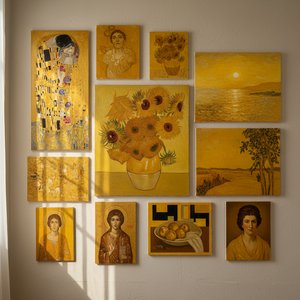
Top 10 Berømte Malerier Domineret af Okkergule Nuancer – Kunst og Indretning
Oplev de 10 mest berømte malerier domineret af okkergule nuancer! Fra Van Gogh til Monet – dyk ned i kunsthistorien og lær om teknikken bag disse tidløse mesterværker. Find din perfekte reproduktion på OriginalUniqueArt.com.


