Menu
Text size

() ·

A painting made for you, by hand

Pan Dancing with Children

Håndlavet oliereproduktion

Håndmalet olie på lærred i din valgte størrelse og ramme, udført efter bestilling af vores kunstnere. ( Skift til printsalg Skift til digitalt billede)

Beskrivelse af samlerobjektet

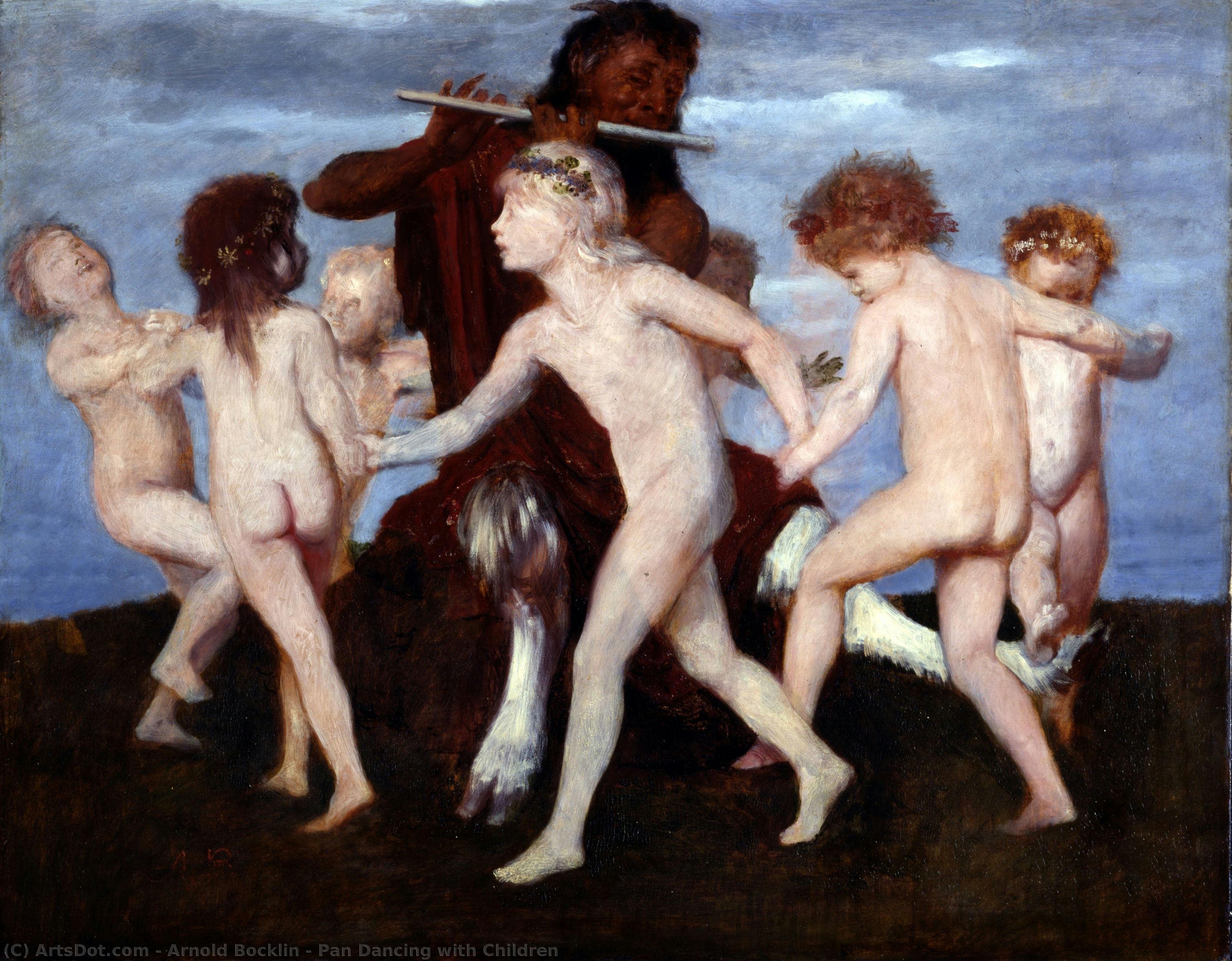
Witness the haunting beauty of Arnold Böcklin's 'Pan Dancing with Children'! This iconic Symbolist masterpiece depicts playful fauns and naked children, evoking mystery & timeless allure.

Kunstnerbiografi

Arnold Böcklin var en dansk symbolist maler kendt for sine dystopiske billeder af døden og mystik, især "Isle of the Dead". Hans arbejde inspirerede mange kunstnere og musikere og er stadig fascinerende i dag.

from ·

Chapter 1

How large should it be?

Slide to change the size; the picture on the left shows the frame at its real width. The proportions of the original are kept.

Standardstørrelse
speciallavet
CM
INCH

Vælg mellem vores forudindstillede størrelser, der matcher kunstværkets originale proportioner.

bredde
højde

Indtast den bredde og højde, du har brug for, så det passer til din ramme eller din væg. Da dette er håndmalet, kan kunstneren ved en anden form på størrelsen male lidt mere rundt om billedet eller skære lidt væk — det er op til dig. Vi sender dig et digitalt mockup til godkendelse, før maleriet påbegyndes. Billedet, der vises på denne side, viser ikke det endelige resultat — det er kun mockuppet, der gør.

Chapter 2

How should it arrive?

Choose the edges of the stretched canvas

Choose your frame

Corner sample of the WhiteWrap canvas edge finish, stretched on massivt træ bars
White Dkr1
Corner sample of the BlurSideWrap canvas edge finish, stretched on massivt træ bars
Blurside Dkr1
Corner sample of the ExtendedWrap canvas edge finish, stretched on massivt træ bars
Extended Dkr1
Corner sample of the P118B picture frame: støbt polystyren, 5 cm wide and 3 cm thick
P118B Dkr10
Corner sample of the P118H picture frame: støbt polystyren, 5 cm wide and 3 cm thick
P118H Dkr10
Corner sample of the P118W picture frame: støbt polystyren, 5 cm wide and 3 cm thick
P118W Dkr10
Corner sample of the P438Z picture frame: støbt polystyren, 5.5 cm wide and 3.5 cm thick
P438Z Dkr10
Corner sample of the P508JH picture frame: støbt polystyren, 7 cm wide and 3.5 cm thick
P508JH Dkr12
Corner sample of the P508YH picture frame: støbt polystyren, 7 cm wide and 3.5 cm thick
P508YH Dkr12
Corner sample of the P805H picture frame: støbt polystyren, 5 cm wide and 3.5 cm thick
P805H Dkr10
Corner sample of the P805Z picture frame: støbt polystyren, 5 cm wide and 3.5 cm thick
P805Z Dkr10
Corner sample of the P919BZ picture frame: støbt polystyren, 7 cm wide and 3.5 cm thick
P919BZ Dkr10
Corner sample of the P919G picture frame: støbt polystyren, 7 cm wide and 3.5 cm thick
P919G Dkr10
Corner sample of the P919XJ picture frame: støbt polystyren, 7 cm wide and 3.5 cm thick
P919XJ Dkr10
Corner sample of the P959ZH picture frame: støbt polystyren, 5 cm wide and 3 cm thick
P959ZH Dkr10
Corner sample of the P968JZ picture frame: støbt polystyren, 6 cm wide and 4 cm thick
P968JZ Dkr12
Corner sample of the W106C picture frame: massivt træ, 5 cm wide and 3 cm thick
W106C Dkr8
Corner sample of the W218G picture frame: massivt træ, 5 cm wide and 3 cm thick
W218G Dkr10
Corner sample of the W218JH picture frame: massivt træ, 5 cm wide and 3 cm thick
W218JH Dkr8
Corner sample of the W218Y picture frame: massivt træ, 5 cm wide and 3 cm thick
W218Y Dkr10
Corner sample of the W307PJ picture frame: massivt træ, 6 cm wide and 3 cm thick
W307PJ Dkr10
Corner sample of the W316G picture frame: massivt træ, 6 cm wide and 3 cm thick
W316G Dkr10
Corner sample of the W316PJ picture frame: massivt træ, 6 cm wide and 3 cm thick
W316PJ Dkr8
Corner sample of the W316Y picture frame: massivt træ, 6 cm wide and 3 cm thick
W316Y Dkr10
Corner sample of the W398PJ picture frame: massivt træ, 5 cm wide and 3 cm thick
W398PJ Dkr8
Corner sample of the W4111J picture frame: massivt træ, 6.5 cm wide and 3.5 cm thick
W4111J Dkr10
Corner sample of the W500HY picture frame: massivt træ, 7 cm wide and 5 cm thick
W500HY Dkr15
Corner sample of the W500JH picture frame: massivt træ, 7 cm wide and 5 cm thick
W500JH Dkr15
Corner sample of the W692G picture frame: massivt træ, 8 cm wide and 4 cm thick
W692G Dkr12
Corner sample of the W849H picture frame: massivt træ, 5 cm wide and 3 cm thick
W849H Dkr8
Corner sample of the W940BG picture frame: massivt træ, 7.5 cm wide and 4.5 cm thick
W940BG Dkr15
Corner sample of the W953PJ picture frame: massivt træ, 6 cm wide and 3.5 cm thick
W953PJ Dkr8
Corner sample of the H24-GOLD picture frame: udskåret træ med gesso, 10 cm wide and 6 cm thick
H24-GOLD Dkr30
Corner sample of the H24-SILVER picture frame: udskåret træ med gesso, 10 cm wide and 6 cm thick
H24-SILVER Dkr30
Corner sample of the H36-GOLD picture frame: udskåret træ med gesso, 15 cm wide and 6.5 cm thick
H36-GOLD Dkr45
Corner sample of the H36-SILVER picture frame: udskåret træ med gesso, 15 cm wide and 6.5 cm thick
H36-SILVER Dkr45
Ramme-forhåndsvisning
Indrammet

Moulding: . Overall size with the frame: .

Chapter 3

Who paints it, and should anything change?

Examples of what can be changed: Replace face with customer photo; Add pet (e.g., replace cat with dog); Include hidden message in background; Change background landscape or elements.
After order, OriginalUniqueArt.com team will email client for instructions and provide a mockup preview

Verdensomspændende levering () på 3-4 uger i stedet for de standard 5 uger. (30 oktober). Ingen kompromiser med kvaliteten.

Chapter 4

The finishing touches

A nameplate, as in a museum?

Detaljer om indgraveret bronzeskilt

This elegant plaque features the artist's name and the title of the artwork, finely engraved for a timeless presentation.

It is made from bronze with a refined, elegant finish. The text is precisely laser-engraved for a sharp and permanent result. Measuring 9x2 cm, the plaque is compact yet easy to read. It's built to be durable and scratch-resistant, offering a professional, museum-quality look. Mounting is simple thanks to the included adhesive backing.

Detaljer om gennemsigtig akrylplade

The plaque includes essential engraved details such as the artist's name, the title of the artwork, the date it was created, the type of media used-like oil on canvas or watercolor-a brief description of the piece, and a QR code that links to the complete artwork information.

It is crafted from clear acrylic, offering a sleek, modern appearance. The text is UV-engraved in black to ensure strong visual contrast. With a size of 10x15 cm, it ensures optimal readability. It comes equipped with two metal hooks for secure wall mounting. The plaque is designed to be weather-resistant, making it suitable for various environments, and it includes interactive features that work seamlessly with smartphone scanning.

Detaljer om sort akrylplade

This elegant plaque includes engraved information such as the artist's name, the title of the artwork, the date it was created, the type of media used (like oil on canvas or watercolor), a short description of the artwork, and a QR code for quick access to more information.

The plaque itself is made from refined black acrylic with a premium finish. The text is laser-engraved in white for high contrast and readability. Its size is 10x15 cm, designed to be easy to read. It comes with two metal hooks for professional mounting. The design is sleek and fits any interior style. It is also weather-resistant and durable, with built-in digital integration for mobile compatibility.

A protective varnish?

When do you need it?

Chapter 5

Your painting, as you ordered it

Pan Dancing with Children

Reproduktionsmetode

Størrelse på reproduktion

-

Eksklusivt udvalgte senior-kunstnere

Mere detaljerigdom, finesse og ekstra produktionstid

-

Indramning af reproduktion

-

-

For kunstværker eller reproduktioner, der er større end 105 cm (ca. 41 tommer) på en hvilken som helst side, vil rammen blive leveret som et adskilt sæt. Denne metode sikrer sikker levering og forhindrer skader under transport.

Professionel montering er påkrævet – dette er ikke et gør-det-selv produkt.
Sættet skal samles, og lærredet skal opspændes af en erfaren professionel indrammer ved brug af trælim (ikke medfølger), en lærredsspænder og klemmer til at holde blindrammen vinkelret, mens limen tørrer. Forkert samling eller ujævn spænding af lærredet kan beskadige kunstværket permanent og er ikke dækket af vores garanti.

  • Alle massive trælister er inkluderet, præcist tilpasset i størrelsen.

  • Samles med de medfølgende skruer samt trælim til hjørneforbindelserne, som ikke medfølger og skal anskaffes af din indrammer.

  • Professionelt værktøj er påkrævet og medfølger ikke: en lærredsstrækker (spændetang) og klemmer til at holde blindrammen vinkelret, mens limen tørrer.

Vigtigt:
Hjørneforbindelserne kræver trælim, listerne skal holdes fast med skruetvinger, indtil limen er helt tør, og opspænding af lærredet på den samlede ramme kræver en lærredsspænder. Ingen af disse dele er inkluderet i sættet. Vi anbefaler, at du kontakter en erfaren professionel indrammer, før du bestiller denne størrelse.

Navneskilt

-

-

Beskyttende fernis

Blank lak (fremhæver farverne og beskytter mod lys og fugt)

-

Tilpas mit kunstværk

Eksempler på tilpasningsmuligheder: Udskift ansigt med kunde-foto; Tilføj kæledyr (f.eks. udskift kat med hund); Inkluder skjult besked i baggrunden; Ændr baggrundslandskab eller elementer.

-

Hurtig levering

Verdensomspændende levering () på 3-4 uger i stedet for de standard 5 uger. (30 oktober). Ingen kompromiser med kvaliteten.

-

Ekspreslevering

Verdensomspændende levering til inden for 5 uger. (6 november).

Inkluderet

Samlet pris

Dkr 1987

Samlet pris Dkr 1987

Glasmulighed er kun tilgængelig i størrelser under 110 cm

Included with every order

  • Gratis ekspresforsendelse til hele verden
  • Lærred af linned i høj kvalitet
  • Fuld transportforsikring
  • Garanti for refusion af told og importafgifter
  • Garanti for præcis farvegengivelse
  • 100 dages returret ved fabrikationsfejl
  • 100% fuld returret
  • Mængderabat ved flere køb

The Enigmatic Dance: Arnold Böcklin’s “Pan Dancing with Children”

Arnold Böcklin's "Pan Dancing with Children," painted around 1884, isn’t merely a depiction of a pastoral scene; it’s an immersion into a realm of mythic beauty and unsettling serenity. This captivating work, currently residing within the Museum Folkwang in Essen, Germany, transcends simple representation, offering instead a profound meditation on childhood innocence, primal connection to nature, and the lingering presence of ancient spirits. Böcklin, a key figure in the Symbolist movement, masterfully employed a muted palette—primarily ochres, browns, and deep greens—to create an atmosphere thick with twilight and dreamlike suggestion. The figures themselves are rendered with a remarkable degree of detail, yet possess an almost ethereal quality, as if caught between worlds.

The painting’s composition is deliberately ambiguous. A central group of nude children, seemingly unburdened by adult concerns, frolic around Pan, the god of the wild, shepherds, and flocks. They are engaged in a variety of activities: playing musical instruments crafted from branches, holding hands in playful circles, and gazing upwards with an expression that blends curiosity and contentment. The inclusion of putti—small winged infants—further enhances the sense of otherworldly grace and innocence. Notice how Böcklin subtly integrates elements of classical mythology – the flute Pan holds is a direct reference to the god’s traditional instrument – alongside the rustic setting, creating a harmonious blend of ancient lore and contemporary observation.

A Glimpse into Symbolist Aesthetics

Böcklin's work firmly establishes him as a pivotal figure in the Symbolist movement, which sought to evoke emotions and ideas rather than simply depict reality. Rejecting the naturalism prevalent in earlier art movements, Symbolists like Böcklin prioritized subjective experience and explored themes of death, memory, and the subconscious. “Pan Dancing with Children” exemplifies this approach through its evocative atmosphere and symbolic imagery. The painting’s muted colors, soft lighting, and dreamlike quality contribute to a sense of melancholy and longing—a feeling that resonates deeply within the viewer.

The choice of nudity is particularly significant. It isn't presented in a provocative manner but rather as an embodiment of primal innocence and connection to nature. The children’s vulnerability underscores their purity, while their joyful dance suggests a liberation from worldly concerns. Böcklin’s meticulous attention to detail—from the texture of the children’s skin to the delicate folds of their clothing—further emphasizes their tangible presence within the scene.

Technique and Materials: A Masterful Blend

While often categorized as a painting, “Pan Dancing with Children” incorporates elements of mixed media. Böcklin skillfully combined oil paints with photographic techniques, creating a unique visual texture that blends the immediacy of photography with the depth and richness of traditional painting. This hybrid approach allowed him to capture fleeting moments of light and shadow, imbuing the scene with an unparalleled sense of realism. The use of layering and glazing—applying thin washes of paint over previous layers—contributes to the work’s luminous quality and creates a subtle interplay of colors.

The artist's background in Düsseldorf, associated with the school known for its emphasis on realistic depiction, is evident in the meticulous rendering of the figures and their surroundings. However, Böcklin departs from traditional academic techniques by prioritizing atmosphere and emotional impact over precise representation. This deliberate shift reflects his commitment to Symbolist principles and his desire to create a work that transcends mere visual observation.

Symbolism and Interpretation: Echoes of Ancient Myths

Beyond its aesthetic qualities, “Pan Dancing with Children” is rich in symbolic meaning. Pan himself represents the untamed spirit of nature—a force both benevolent and potentially dangerous. The children’s dance can be interpreted as a celebration of life, joy, and connection to the natural world. However, there's also an undercurrent of melancholy—a sense that this idyllic scene is fleeting and destined to fade away. The painting subtly evokes themes of mortality and the cyclical nature of time.

The inclusion of ancient myths – Pan’s role as a shepherd god, the presence of putti – connects the work to a broader cultural heritage, suggesting a timeless resonance between humanity and the natural world. Böcklin's masterful use of symbolism invites viewers to engage in their own interpretations, creating a deeply personal and emotionally resonant experience. Reproductions of this iconic artwork continue to captivate audiences with its haunting beauty and profound sense of mystery.

Spørgsmål og svar

Er "Pan Dancing with Children" af Arnold Böcklin et lyst eller et mørkt kunstværk?

I forhold til den oplevede lysstyrke er "Pan Dancing with Children" af Arnold Böcklin balanced.

Hvor placerer "Pan Dancing with Children" af Arnold Böcklin sig i kunsthistorien?

Historisk set er "Pan Dancing with Children" et Symbolist Painting værk fra den bredere 19th Century æra.

Hvilken printstørrelse og orientering anbefales til "Pan Dancing with Children"?

Størrelse Medium, Landscape orientering: dette er den anbefalede printopsætning til "Pan Dancing with Children" af Arnold Böcklin.

More about this painting

Se i rummet Se i AR Skift til printsalg Skift til digitalt billede Del som kort
Detaljer Guide Tilføj til favoritter Download Lignende værker Røntgenundersøgelse Diasshow Q&A Statistikker

In numbers

  • 29frames to choose from
  • standard sizes, in its own proportions
  • 5weeks to paint and deliver it
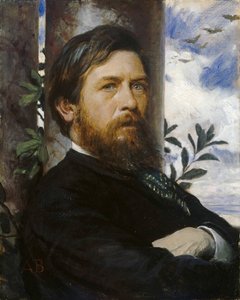
Arnold Böcklin

Arnold Böcklin

1827 - 1901, Schweiz

Quick facts about Arnold Böcklin

  • Artistic Movement Or Style: Symbolist
  • Artists Or Movements Influenced By This Artist:
    • Hans Thoma
    • Pre-Raphaelitter
  • Artists Who Influenced This Artist:
    • Schirmer
    • Feuerbach
  • Date Of Birth: 16. oktober 1827
  • Date Of Death: 16. januar 1901
  • Full Name: Arnold Böcklin
  • Nationality: Schweizer
  • Notable Artworks:
    • Isle of the Dead
    • Nymph og Satyr
    • Sappho
  • Place Of Birth: Basel, Schweiz

Kunstnerbiografi

Arnold Böcklin

Arnold Böcklin var född oktober 16, 1827 i Basel, Schweiz och död januari 16, 1901 i San Domenico vid Fiesole, Italien. Hans far, Christian Frederick Böcklin (född 1802), var av gammal släkt från Schaffhausen och arbetade inom sidenhandeln. Arnold’s moder, Ursula Lippe, föddes samma stad. Han studerade först på Düsseldorf akademin under Schirmer och blev vän med Anselm Feuerbach. Böcklin är associerad med Düsseldorf skolan för målning.

Early Life and Training

Arnold Böcklin började sin konstnärliga resa i Düsseldorf där han studerade under Johann Wilhelm Schirmer, vilket gav honom ett djupgående perspektiv på den tyska landskapskonsten och inspirerade honom till att senare utforska italienska klassiska influenser. Han blev vän med Anselm Feuerbach och var en betydande medlem av Düsseldorf skolan för målning, där han utvecklade sin egen stil genom att studera verk från samtida mästare som Schirmer och Feuerbach. Detta tidiga inflytande präglade hans senare konstnärliga arbete och bidrog till hans förmåga att skapa komplexa och atmosfäriska bilder. Böcklin var särskilt imponerad av Caspar David Friedrichs romantiska landskapskonst och dess fokus på människans plats i naturen, vilket ytterligare förstärkte hans egen konstnärliga vision. Han utvecklade också ett stort intresse för klassisk arkitektur och skulptur genom sina studier i Rom där han mötte många andra konstnärer och forskare från hela Europa. Detta kulturella sammanhang gav honom inspiration till att skapa verk som utforskade både psykologiska och filosofiska teman.

Artistic Career and Symbolism

Böcklin fördjupade sig sedan i italienska klassiska traditioner och studerade konstverk av Michelangelo och Rafael, vilket ytterligare utvecklade hans tekniska färdigheter och hans förmåga att skapa mästerverk som återspeglar både estetisk skönhet och djupa psykologiska komplexiteter. Han började sin konstnärliga karriär i Düsseldorf där han arbetade aktivt och blev välkänd för sina landskapsmålningar och allegoriska verk, särskilt *Pan in the Bulrushes* (1857), som gav honom betydande ekonomisk stabilitet och erkännande från den konstnärliga världen. Efter att ha tjänstgjort i militären återvände Böcklin till Düsseldorf där han fortsatte sin konstnärliga verksamhet och utvecklade sitt eget unika stilistiska språk genom att studera verk av samtida mästare som Jean-Auguste Ingres och Gustave Courbet. Han blev särskilt engagerad i symbolismen, en konströrelse som betonade drömmar och mysticism och där han använde sina färdigheter för att skapa bilder som utforskade människans psykologi och relation till världen omkring honom. Böcklin var också en pionjär inom användningen av nya tekniker och material, särskilt tempera och fernismaleri, vilket gav honom möjlighet att skapa verk som var både tekniskt imponerande och estetiskt övertygande. Hans konstverk är ofta präglade av ett svartvitt färgschema och ett fokus på detaljer och atmosfär, vilket bidrar till deras mystiska och drömlika kvalitet. Böcklin använde sig också av olika allegoriska och mytologiska teman i sina verk, där han hämtade inspiration från klassisk litteratur och konst samt från nordeuropéisk folklore och traditioner. Detta kulturella sammanhang gav honom möjlighet att skapa bilder som utforskade människans plats i historien och dess relation till gudomligheten och det övernaturliga. Böcklin var särskilt imponerad av verk av Rembrandt och Caravaggio, där han hämtade inspiration från deras användning av ljus och skugga samt deras förmåga att skapa dramatiska och känslomässigt laddade bilder. Han utvecklade också ett stort intresse för musik och blev vän med kompositören Sergei Rachmaninoff, vilket ytterligare förstärkte hans konstnärliga vision och inspirerade honom till att skapa verk som var både visuellt imponerande och musikaliskt övertygande. Böcklin är särskilt känd för sina fem versioner av *Isle of the Dead* (1880-1886), där han använde sig av ett svartvitt färgschema och ett fokus på detaljer och atmosfär, vilket bidrar till deras mystiska och drömlika kvalitet. Detta verk är ofta citerat som en av de mest komplexa och samtida symbolistiska målerierna och har inspirerat många andra konstnärer och musikkompositörer att skapa verk som utforskade människans plats i döden och dess relation till det efterlivet. Böcklin var också en pionjär inom användningen av nya tekniker och material, särskilt tempera och fernismaleri, vilket gav honom möjlighet att skapa verk som var både tekniskt imponerande och estetiskt övertygande. Hans konstverk är ofta präglade av ett svartvitt färgschema och ett fokus på detaljer och atmosfär, vilket bidrar till deras mystiska och drömlika kvalitet. Böcklin använde sig också av olika allegoriska och mytologiska teman i sina verk, där han hämtade inspiration från klassisk litteratur och konst samt från nordeuropéisk folklore och traditioner. Detta kulturella sammanhang gav honom möjlighet att skapa bilder som utforskade människans plats i historien och dess relation till gudomligheten och det övernaturliga. Böcklin var särskilt imponerad av verk av Rembrandt och Caravaggio, där han hämtade inspiration från deras användning av ljus och skugga samt deras förmåga att skapa dramatiska och känslomässigt laddade bilder. Han utvecklade också ett stort intresse för musik och blev vän med kompositören Sergei Rachmaninoff, vilket ytterligare förstärkte hans konstnärliga vision och inspirerade honom till att skapa verk som var både visuellt imponerande och musikaliskt övertygande. Böcklin är särskilt känd för sina fem versioner av *Isle of the Dead* (1880-1886), där han använde sig av ett svartvitt färgschema och ett fokus på detaljer och atmosfär, vilket bidrar till deras mystiska och drömlika kvalitet. Detta verk är ofta citerat som en av de mest komplexa och samtida symbolistiska målerierna och har inspirerat många andra konstnärer och musikkompositörer att skapa verk som utforskade människans plats i döden och dess relation till det efterlivet. Böcklin var särskilt imponerad av verk av Rembrandt och Caravaggio, där han hämtade inspiration från deras användning av ljus och skugga samt deras förmåga att skapa dramatiska och känslomässigt laddade bilder. Han utvecklade också ett stort intresse för musik och blev vän med kompositören Sergei Rachmaninoff, vilket ytterligare förstärkte hans konstnärliga vision och inspirerade honom till att skapa verk som var både visuellt imponerande och musikaliskt övertygande. Böcklin är särskilt känd för sina fem versioner av *Isle of the Dead* (1880-1886), där han använde sig av ett svartvitt färgschema och ett fokus på detaljer och atmosfär, vilket bidrar till deras mystiska och drömlika kvalitet. Detta verk är ofta citerat som en av de mest komplexa och samtida symbolistiska målerierna och har inspirerat många andra konstnärer och musikkompositörer att skapa verk som utforskade människans plats i döden och dess relation till det efterlivet. Böcklin var särskilt imponerad av verk av Rembrandt och Caravaggio, där han hämtade inspiration från deras användning av ljus och skugga samt deras förmåga att skapa dramatiska och känslomässigt laddade bilder. Han utvecklade också ett stort intresse för musik och blev vän med kompositören Sergei Rachmaninoff, vilket ytterligare förstärkte hans konstnärliga vision och inspirerade honom till att skapa verk som var både visuellt imponerande och musikaliskt övertygande. Böcklin är särskilt känd för sina fem versioner av *Isle of the Dead* (1880-1886), där han använde sig av ett svartvitt färgschema och ett fokus på detaljer och atmosfär, vilket bidrar till deras mystiska och drömlika kvalitet. Detta verk är ofta citerat som en av de mest komplexa och samtida symbolistiska målerierna och har inspirerat många andra konstnärer och musikkompositörer att skapa verk som utforskade människans plats i döden och dess relation till det efterlivet. Böcklin var särskilt imponerad av verk av Rembrandt och Caravaggio, där han hämtade inspiration från deras användning av ljus och skugga samt

Hurtige fakta

  • Artist: Arnold Böcklin
  • Notable elements: Naked children, faun
  • Movement: Symbolism
  • Location: Museum Folkwang, Essen
  • Artistic style: Mythological, allegorical

Kunstquiz

Der er kun ét korrekt svar på hvert spørgsmål.

Spørgsmål 1:
What is the primary subject depicted in Arnold Böcklin’s ‘Pan Dancing with Children’?
Spørgsmål 2:
The painting ‘Pan Dancing with Children’ is associated with which artistic movement?
Spørgsmål 3:
What musical instrument does Pan hold in the painting?
Spørgsmål 4:
Where is ‘Pan Dancing with Children’ currently displayed?
Spørgsmål 5:
What is a key characteristic of Arnold Böcklin’s artistic style as exemplified by ‘Pan Dancing with Children’?
Udforsk kunstværker organiseret efter temaer, stilarter og karakteristika.