

 Se i rummet
 Send
Send Del
Del
 Detaljer
 Studieguide til kunstværker

 Download
 Lignende værker
 Røntgenundersøgelse
 Se diasshow
 Statistik
A chuva de oiro
 Oil On Canvas
- WallArt
- Surrealist Movement
 1984
1984- Modern
 147.0 x 70.0 cm
 Serralves Foundation
 Læs mere
Kunstværket vist på denne side er beskyttet af ophavsretsloven, hvilket betyder, at vi ikke lovligt kan skabe eller sælge en identisk reproduktion. Denne beskyttelse håndhæves i henhold til internationale aftaler som f.eks. den Bernerkonventionen og af nationale love, herunder de bestemmelser, der er fastlagt i Amerikansk ophavsretslov - Titel 17.
Denne metode overholder fuldt ud ophavsretsreglerne, da den ikke indebærer kopiering eller duplikering af det beskyttede kunstværk. I stedet er der tale om en kreativ nytolkning – et nyt maleri, som er inspireret af det oprindelige, men ikke identisk med det.
Giclée / Kunsttryk
Giclée- eller lærredstryk i museumskvalitet med hurtig produktion og fleksible muligheder for finish. ( Bestil håndmalet reproduktion Skift til digitalt billede)




P118B Dkr10

P118H Dkr10

P118W Dkr10

P438Z Dkr10

P508JH Dkr12

P508YH Dkr12

P805H Dkr10

P805Z Dkr10

P919BZ Dkr10

P919G Dkr10

P919XJ Dkr10

P959ZH Dkr10

P968JZ Dkr12

W106C Dkr8

W218G Dkr10

W218JH Dkr8

W218Y Dkr10

W307PJ Dkr10

W316G Dkr10

W316PJ Dkr8

W316Y Dkr10

W398PJ Dkr8

W4111J Dkr10

W500HY Dkr15

W500JH Dkr15

W692G Dkr12

W849H Dkr8

W940BG Dkr15

W953PJ Dkr8




Vælg mellem vores forudindstillede størrelser, der matcher kunstværkets originale proportioner.

Indtast den bredde og højde, du har brug for, så det passer til din ramme eller din væg. Et print kan kun beskæres, aldrig gøres større end billedet, så en størrelse med en anden form vil miste en del af motivet. Vi sender dig en digital mockup til godkendelse, før vi printer noget. Billedet vist på denne side viser ikke den faktiske beskæring — det er kun mockuppen, der gør.
Verdensomspændende levering () på 2 uger i stedet for de sædvanlige 4/5 uger. (25 oktober)

Gratis ekspresforsendelse til hele verden

Lærred af linned i høj kvalitet

Komplet transportforsikring

Garanti for refusion af told og importafgifter

Garanti for autentisk farvegengivelse

100 dages returret ved fabrikationsfejl

100% fuld returret

Mængderabat ved flere køb
 Glasmulighed er kun tilgængelig i størrelser under 110 cm

A chuva de oiro
Giclée / Kunsttryk
Reproduktionsstørrelse
-


Samlet pris
Dkr 531
Om kunstneren
The Dreamweaver of the Azores: The Life and Legacy of António da Costa
In the quiet, mist-shrouded landscapes of Angra do Heroísmo, within the volcanic embrace of the Azores, a vision was born that would eventually reshape the contours of Portuguese modernism. António da Costa (1914–1990) did not merely paint; he orchestrated a profound dialogue between the tangible world and the boundless reaches of the subconscious. As a pioneer of the Surrealist movement in Portugal, his life was a continuous exploration of the liminal spaces where reality dissolves into dream. His journey, which began in the Atlantic islands, would eventually lead him to the intellectual heart of Paris, carrying with him a unique aesthetic that blended the rugged mysticism of his homeland with the radical avant-garde currents of mid-century Europe.
Costa’s artistic evolution was marked by periods of intense creative fervor and profound silences. After enrolling at the Lisbon School of Fine Arts in 1935, he quickly emerged as a vital voice in a burgeoning movement. By 1940, his name was inextricably linked with other Surrealist luminaries like António Pedro, as they sought to liberate art from the suffocating constraints of rationalism and traditional aesthetics. This early period was defined by a striking visual language—a synthesis of Cubist structure, Futurist energy, and Expressionist emotion. His canvases during these years were often populated by distorted figures and symbolic landscapes that echoed the unsettling beauty of the irrational, heavily influenced by the revolutionary spirit of masters like Salvador Dalí and Pablo Picasso.
A Journey Through Light and Shadow
The trajectory of Costa’s career was profoundly altered in 1947 when a French government grant transported him to Paris. This move proved to be both a professional triumph and a personal metamorphosis. While he initially engaged with the Parisian art scene, a period of withdrawal followed in the early 1950s, during which he transitioned from the brush to the pen. For nearly two decades, Costa lived as an observer rather than a creator, serving as a sophisticated reporter for the Brazilian newspaper O Estado de S. Paulo. This era of intellectual wandering allowed him to absorb the pulse of international art criticism, honing a sharp, analytical mind that would later inform his return to the easel.
When he finally returned to painting in 1971, settling in Janville, the Surrealist enigmas of his youth had matured into something far more serene and mystical. The frantic energy of his early work gave way to a style that drew deeply from Azorean religious traditions and folk iconography. These later works were characterized by:
- A quieter, more contemplative register of color and form.
- The integration of sacred symbols and ancestral motifs.
- A profound sense of stillness that reflected a lifetime of accumulated wisdom.
Historical Significance and Enduring Vision
The legacy of António da Costa extends far beyond the borders of the canvas. He was a polymath whose influence permeated the very fabric of Portuguese culture through his poetry, his art criticism, and his public contributions to urban design. From decorating the Cais do Sodré metro station in Lisbon to creating relief sculptures for the Azorean Parliament, his work sought to infuse the everyday environment with a sense of poetic transcendence. He was an artist who understood that the true power of Surrealism lay not just in shock, but in the ability to reveal the hidden magic within the mundane.
Today, when we look upon works such as A chuva de oiro or his hauntingly beautiful Melancholia, we see more than just oil on canvas; we witness a lifelong quest to map the human soul. His ability to navigate the tension between the fragmented geometry of modernism and the organic, spiritual rhythms of his Atlantic roots remains his greatest achievement. António da Costa remains a towering figure in the history of 20th-century art, a dreamer who taught us that even in the most desolate landscapes, there is a vibrant, golden light waiting to be discovered.

António Da Costa
1914 - 1990 , Portugal
Hurtige fakta
- Artistic Movement Or Style: Surrealism
- Artists Or Movements Influenced By This Artist: ['Surrealism']
- Artists Who Influenced This Artist:
- Salvador Dalí
- Pablo Picasso
- Date Of Birth: 1914
- Date Of Death: 1990
- Full Name: antónio da costa
- Nationality: Portuguese
- Notable Artworks:
- Episode with dog
- A chuva de oiro
- Place Of Birth: Angra do Heroísmo, Portugal
Relaterede artikler
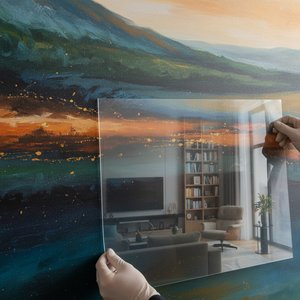
Giclée Prints Explained: The Ultimate Guide to Museum-Quality Art Reproductions
Master the nuances of Giclée printing with our expert guide. Discover how pigment-based inks and museum-grade substrates create fade-resistant, high-fidelity art reproductions designed for discerning collectors seeking unparalleled quality and longevity.
Den Vedvarende Værdi af Håndmalet Oliekunst: Æstetik, Holdbarhed og Emotionel Resonans
Udforsk den vedvarende værdi af håndmalet oliekunst. Ekspertvurderinger, investeringsrådgivning og unikke kunstværker til samlere. Sikr dig et tidløst mesterværk med OriginalUniqueArt.

Giclée Prints: Archival Quality & Aesthetic Nuances for the Discerning Collector
Explore the world of giclée prints with OriginalUniqueArt. Learn about archival quality, aesthetic nuances & investment potential. Expert guidance for discerning art collectors seeking museum-quality reproductions and lasting value.
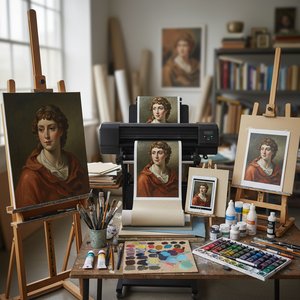
Kunstnerisk Reproduktion: En Guide til Olie, Lærred og Papir Reproduktionsmedier
Lær alt om kunstnerisk reproduktion – fra håndmalet olie til præcise giclée-print. Få ekspertvejledning i valg af materialer og bestilling af kvalitetsreproduktioner.
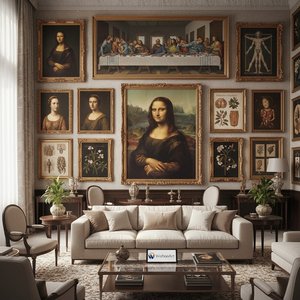
Leonardo da Vincis 25 Mesterværker: Kunst, Historie & Inspiration til Dit Hjem
Oplev Leonardo da Vincis 25 mest ikoniske værker! Dyk ned i renæssancens kunsthistorie, fra Mona Lisa til Den Sidste Nadver. Find inspiration & køb museumskvalitets reproduktioner på OriginalUniqueArt.com – perfekt til dit hjem.