
 Se i fuld skala
 Del
Del Del
Del
 Detaljer

 Download
 Lignende værker
 Røntgenundersøgelse
 Diasshow
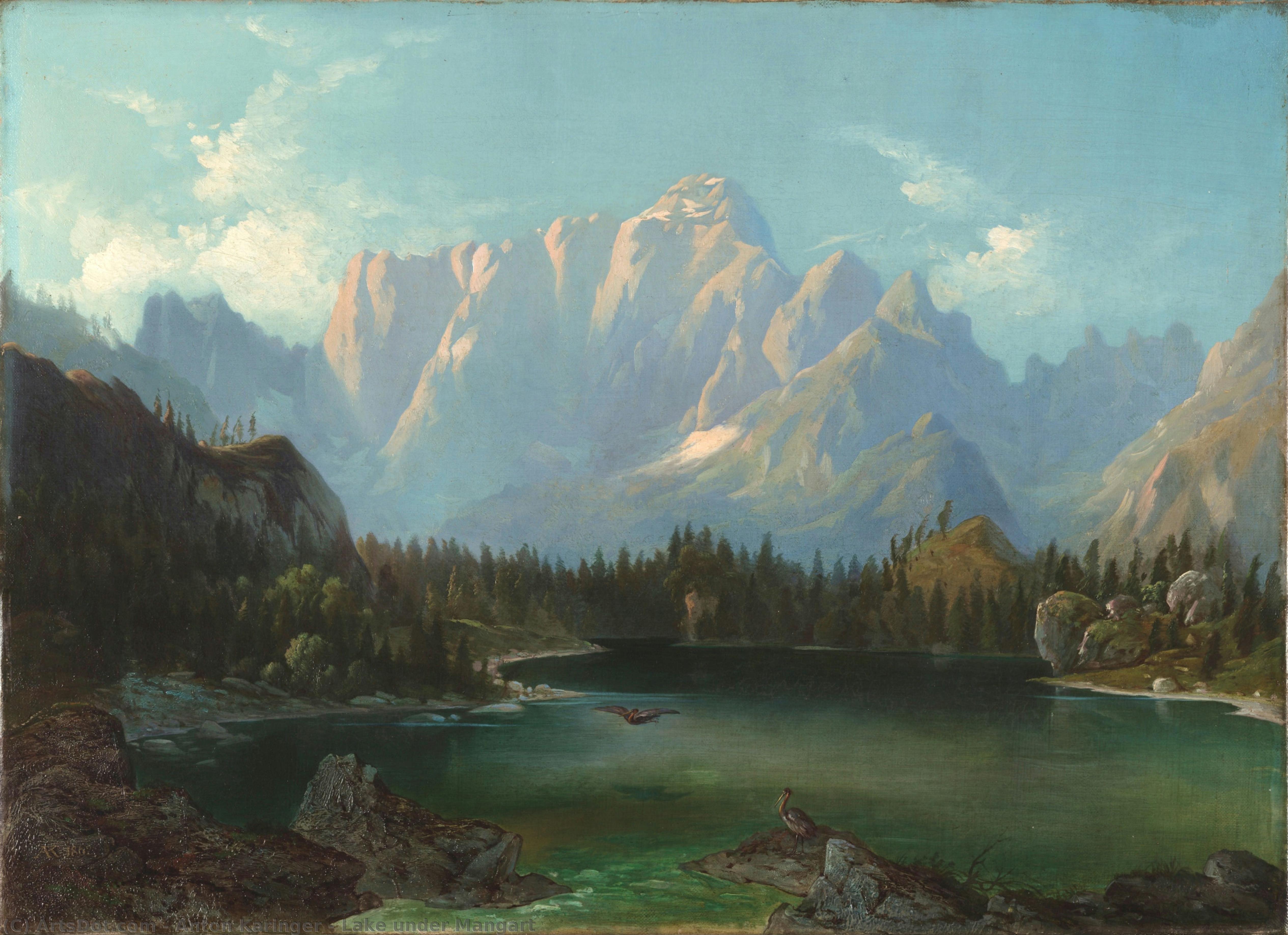
Lake under Mangart
 1826
1826 61.0 x 44.0 cm
 National Museum of Slovenia
 Se mere
Giclée / Kunsttryk
Giclée- eller lærredstryk i museumskvalitet med hurtig produktion og fleksible muligheder for finish. ( Skift til håndmalet maleri Skift til billede)




































Vælg mellem vores forudindstillede størrelser, der matcher kunstværkets originale proportioner.

Du kan indtaste dine egne mål for at passe til en specifik ramme eller et bestemt område. Hvis den valgte størrelse ikke stemmer overens med det originale billedes proportioner, vil vi enten beskære kunstværket eller udvide billedet med en spejlet eller ensfarvet kant. En digital mockup vil blive sendt til din godkendelse, før produktionen påbegyndes.
Bemærk venligst, at forhåndsvisningen på skærmen ikke afspejler den faktiske beskæring eller udvidelse. Kun mockuppen vil nøjagtigt vise den endelige komposition.
Selvom specialmål er tilgængelige, anbefaler vi at vælge et mål fra den foruddefinerede liste for at bevare de originale proportioner.
Verdensomspændende levering () på 2 uger i stedet for de sædvanlige 4/5 uger. (10 august)

Gratis ekspresforsendelse til hele verden

Lærred af linned i høj kvalitet

Fuld transportforsikring

Garanti for refusion af told og importafgifter

Garanti for præcis farvegengivelse

60 dages returret (kun ved fabrikationsfejl)

100% Tilfredshedsgaranti

Mængderabat tilgængelig
 Glasmulighed er kun tilgængelig i størrelser under 110 cm

Lake under Mangart
Giclée / Kunsttryk
Størrelse på reproduktion
-


Samlet pris
$ 81
Kunstnerens biografi
The Painter of Triglav: The Soul of the Slovenian Landscape
Anton Karinger (1829–1870) remains an evocative figure in the annals of 19th-century European art, a painter and poet whose brushstrokes captured the very heartbeat of his homeland. Born in Ljubljana, Karinger’s artistic identity was forged at the intersection of diverse cultural currents. While his roots were deeply embedded in the Slovenian landscape, his creative vision was significantly shaped by the sophisticated artistic atmosphere of Vienna. This unique blend allowed him to approach the rugged, untamed beauty of the Alps and the Adriatic coast with a refined sensibility, blending the meticulous precision of the Viennese Biedermeier tradition with the sweeping emotionality of Romanticism.
His formative years were marked by an early immersion in formal training under the guidance of Franz Steinfeld in Vienna. From this mentorship, Karinger inherited a profound respect for psychological realism and understated elegance, yet he found his true calling not in the intimate portraiture of the city, but in the vast, atmospheric expanses of the natural world. His work became a bridge between the observed reality of the terrain and the spiritual awe inspired by its grandeur. Through his eyes, the mountains were not merely geological formations but living, breathing entities that embodied national resilience and identity.
A Vision of Majesty and National Identity
Karinger’s most enduring legacy lies in his ability to transform landscape painting into a vessel for cultural symbolism. He is perhaps best remembered as the painter of Mount Triglav, Slovenia's highest peak. In masterpieces such as View of Mt. Triglav from Bohinj, he moved beyond mere topographical documentation. Instead, he utilized light, shadow, and atmospheric haze to evoke a sense of the sublime. By capturing the shifting moods of the mountains—the way mist clings to granite crags or how sunlight pierces through heavy clouds—he created images that resonated deeply with the Carinthian Slovene people, turning these vistas into enduring emblems of national pride.
His technical mastery was particularly evident in his dedication to plein air studies. By working directly within the elements, Karinger achieved a palpable sense of texture and depth. His landscapes often feature a sophisticated interplay of light that suggests the fleeting nature of time, a hallmark of the Romantic spirit. Whether depicting the serene waters of Lake under Mangart or the coastal vistas of the Adriatic, his compositions possess a rhythmic harmony that guides the viewer through the rugged terrain, inviting a contemplative emotional response.
Artistic Legacy and Lasting Significance
The breadth of Karinger’s oeuvre extends beyond the alpine heights to include evocative seascapes and intimate regional views. His ability to navigate between the monumental and the minute—from the sweeping vistas of Ljubljana from the Ižica to more delicate depictions of local life—demonstrates a versatile talent that captured the multifaceted essence of his era. His works are not merely relics of the 19th century; they are foundational pieces of Slovenian art history, many of which are preserved in the prestigious National Gallery of Slovenia.
Even today, Karinger’s influence persists through the enduring power of his imagery. He succeeded in a rare feat: creating art that is simultaneously technically rigorous and deeply poetic. His life, though tragically short, left behind a visual vocabulary that continues to define how the beauty of the Slovenian landscape is perceived. Through his meticulous observation and romantic heart, Anton Karinger ensured that the majesty of Triglav would forever be etched into the collective memory of the world.

Anton Karinger
1829 - 1870 , Slovenia
Kort om kunstneren
- Artistic Movement Or Style: Biedermeier
- Artists Or Movements Influenced By This Artist: ['Romanticism']
- Artists Who Influenced This Artist: ['Steinfeld']
- Date Of Birth: 1829
- Date Of Death: 1870
- Full Name: Anton Karinger
- Nationality: Slovene
- Notable Artworks:
- View of Mt. Triglav from Bohinj
- Ljubljana from the Ižica
- Place Of Birth: Ljubljana, Slovenia

