
 Se i rummet
 Del som kort
 Del
Del
 Detaljer
 Guide
Guide

 Download
 Lignende værker
 Røntgenundersøgelse
 Diasshow
 Spørgsmål og svar
 Statistikker
Panther seizing a stag


 Vis mere
Giclée / Kunsttryk
Giclée- eller lærredstryk i museumskvalitet med hurtig produktion og fleksible muligheder for finish. ( Køb håndmalet maleri Skift til digitalt billede)




P118B Dkr10

P118H Dkr10

P118W Dkr10

P438Z Dkr10

P508JH Dkr12

P508YH Dkr12

P805H Dkr10

P805Z Dkr10

P919BZ Dkr10

P919G Dkr10

P919XJ Dkr10

P959ZH Dkr10

P968JZ Dkr12

W106C Dkr8

W218G Dkr10

W218JH Dkr8

W218Y Dkr10

W307PJ Dkr10

W316G Dkr10

W316PJ Dkr8

W316Y Dkr10

W398PJ Dkr8

W4111J Dkr10

W500HY Dkr15

W500JH Dkr15

W692G Dkr12

W849H Dkr8

W940BG Dkr15

W953PJ Dkr8




Vælg mellem vores forudindstillede størrelser, der matcher kunstværkets originale proportioner.

Indtast den bredde og højde, du har brug for, så det passer til din ramme eller din væg. Et print kan kun beskæres, aldrig gøres større end selve billedet, så en størrelse med et andet format vil medføre, at dele af motivet går tabt. Vi sender dig en digital mockup til godkendelse, før vi printer noget. Billedet vist på denne side viser ikke den faktiske beskæring — det er kun mockuppen, der gør.
Verdensomspændende levering () på 2 uger i stedet for de sædvanlige 4/5 uger. (8 november)

Gratis ekspresforsendelse til hele verden

Lærred af linned i høj kvalitet

Fuld transportforsikring

Garanti for refusion af told og importafgifter

Garanti for præcis farvegengivelse

100 dages returret ved fabrikationsfejl

100% fuld returret

Mængderabat ved flere køb
 Glasmulighed er kun tilgængelig i størrelser under 110 cm

Panther seizing a stag
Giclée / Kunsttryk
Størrelse på reproduktion
-


Samlet pris
Dkr 540
A Raw Display of Power: Antoine Barye’s “Panther Seizing a Stag”
Antoine-Louis Barye's "Panther Seizing a Stag" is not merely a depiction of an animal hunt; it’s a visceral embodiment of primal struggle, a testament to the sculptor’s profound understanding of anatomy and his ability to infuse bronze with a palpable sense of drama. Completed around 1800, this monumental work stands as a cornerstone of the French Romantic movement, capturing a moment of brutal intensity that resonates far beyond its subject matter. Barye, deeply influenced by the natural world and driven by an almost obsessive desire to portray animals in their most authentic and dynamic states, meticulously studied specimens at the Jardin des Plantes and even participated in animal dissections – practices considered unusual for an artist of his time – to achieve this unparalleled level of realism.
The composition itself is a masterclass in controlled chaos. The panther, rendered with a muscularity that borders on violent exaggeration, dominates the left side of the frame, its powerful paws clamped firmly around the stag’s body. Notice the subtle shifts in musculature – the coiled tension in the shoulders, the straining neck, the focused intensity of the eyes. The stag, though struggling desperately, retains a dignity and nobility, his posture conveying both fear and defiance. Barye doesn't shy away from the brutality of the encounter; the textures of the fur, the glistening sheen of the panther’s hide, and the raw, exposed flesh of the wounded animal are all rendered with astonishing detail. The bronze itself is not smoothed or polished; it retains a deliberately rough surface, mirroring the chaotic energy of the scene and adding to its dramatic impact.
The Animalier Tradition and Barye's Innovation
Barye’s work firmly establishes him as a pioneer within the *animalier* tradition – a movement dedicated to elevating animals as subjects worthy of serious artistic consideration. Prior to Barye, animal sculpture often served primarily decorative or allegorical purposes. However, Barye sought to depict animals not as symbols, but as living beings with their own inherent drama and power. He moved away from idealized representations, favoring instead a brutally honest portrayal of their physicality and behavior. This shift was revolutionary, reflecting the Romantic fascination with nature’s untamed beauty and the darker aspects of human existence.
His approach was deeply informed by his study of anatomy – not just the skeletal structure, but also the subtle nuances of muscle movement and skin texture. He wasn't simply copying what he saw; he was striving to capture the *essence* of the animal’s struggle, its instinctual drive for survival. This commitment to anatomical accuracy, combined with his expressive use of line and form, distinguishes Barye’s work from earlier depictions of animals in sculpture.
Symbolism and Romantic Ideals
While seemingly a straightforward depiction of a predatory hunt, “Panther Seizing a Stag” carries deeper symbolic weight. The scene can be interpreted as an allegory for the struggle between life and death, strength and vulnerability, predator and prey – themes central to the Romantic worldview. The panther, often associated with darkness, power, and instinct, represents the forces of nature, while the stag embodies nobility, grace, and resilience. The act of seizing is not merely a violent encounter; it’s a fundamental assertion of dominance within a natural hierarchy.
Furthermore, Barye's work reflects the Romantic fascination with the sublime – that feeling of awe and terror inspired by encounters with overwhelming natural forces. The sheer power and intensity of the scene evoke a sense of both danger and beauty, reminding us of humanity’s smallness in the face of nature’s grandeur. The bronze itself, a material associated with permanence and strength, reinforces this theme.
A Legacy of Dramatic Bronze Sculpture
“Panther Seizing a Stag” remains one of Barye's most celebrated works, exemplifying his mastery of technique and his profound understanding of animal behavior. It’s a powerful reminder of the Romantic movement’s embrace of raw emotion, dramatic intensity, and the untamed beauty of the natural world. Reproductions of this iconic sculpture continue to captivate audiences today, offering a glimpse into the artistic vision of one of France's most influential sculptors. Its dynamic composition and evocative portrayal of struggle make it an enduring symbol of power, vulnerability, and the eternal dance between predator and prey.
Spørgsmål og svar
Hvor meget lys ser farverne i "Panther seizing a stag" ud til at reflektere?
"Panther seizing a stag" af Antoine-Louis Barye har en luminans på Luminous. Luminans beskriver, hvor meget lys farverne ser ud til at reflektere.
Hvilken farve træder mest frem i "Panther seizing a stag"?
Phthalo Green (#26251c) er den dominerende farve i "Panther seizing a stag" af Antoine-Louis Barye.
Hvor i Antoine-Louis Baryes karriere placerer "Panther seizing a stag" sig?
Inden for Antoine-Louis Baryes karriere tilhører "Panther seizing a stag" perioden Mature Period, hvilket gør det muligt at sammenligne værket med kunstnerens øvrige værker.
Kunstnerbiografi
Antoine-Louis Barye: Naturens Skulptør og Romantikken i Bronze
Antoine-Louis Barye, født i Paris i 1795, er en skikkelse der står som en pioner inden for 1800-tallets skulpturkunst. Han var ikke blot en dygtig håndværker, men en visionær, der med enestående anatomisk nøjagtighed og dramatisk intensitet indfangede dyreriget i bronze og gips. Baryes arbejde revolutionerede skulpturen ved at hæve *animalier* – kunsten at skildre dyr – til et niveau af fin kunst, som tidligere var forbeholdt menneskelige figurer eller mytologiske fortællinger. Hans rejse begyndte ikke i en traditionel atelier, men som lærling hos sin fader, en guldsmed, hvilket gav ham en grundlæggende forståelse for metalarbejde og en præcision, der skulle vise sig uvurderlig senere hen. Yderligere studier under François-Joseph Bosio og Baron Antoine-Jean Gros gav ham et solidt fundament i klassiske principper, men det var mødet med dyrene i Jardin des Plantes omkring 1823, der virkelig tændte den kunstneriske gnist.Fra Guldsmed til Dyrenes Mester: En Unik Stil Udvikles
Baryes engagement i at studere dyr var næsten besættende. Han observerede dem ikke blot flygtigt; han analyserede deres anatomi, bevægelser og adfærd med en videnskabelig grundighed kombineret med romantisk passion. Denne realisme var langt fra klinisk – den var gennemsyret af den følelsesmæssige intensitet, der kendetegnede Romantikken. Tidlige værker som “Milo af Crotone fortært af en løve” (1819) og “Herkules med Erymanthe-vildsvinet” (ca. 1820), skabt mens han stadig var studerende, antydede hans spirende talent for dynamiske kompositioner og dramatiske fortællinger. Men det var med skulpturer som "Tiger der fortærer en Gavial-krokodille" (1831) – en monumental gipsmodel, der vakte sensation på Salon – og “Løve der knuser en slange” (1832), støbt i bronze, at Barye virkelig etablerede sin signaturstil. Disse var ikke blot statiske gengivelser; de var øjeblikke af rå magt frosset i tiden, der indfangede naturens brutale skønhed og kampen for overlevelse. Han gik ud over simpel imitation og forsøgte at formidle selve essensen af dyrelivet – deres styrke, smidighed og utæmmede ånd.Monumentale Værker og Kongelige Bestillinger
Gennem hele sin karriere skabte Barye en imponerende samling af skulpturer, hver især et vidnesbyrd om hans exceptionelle evner til at gengive dyreformer og bevægelser. Ud over de ikoniske "Tiger der fortærer en Gavial-krokodille" og “Løve der knuser en slange”, demonstrerede mesterværker som "Theseus og Minotaurus" (1843), “Roger og Angelica på Hippogriffen” (1846), “Lapitha og Kentaur” (1848) og “Jaguar der fortærer et Hare” (1850) hans alsidighed og fantasifulde kraft. Han var ikke begrænset til skildringer af rovdyrs konfrontationer; han udforskede også mytologiske scener, hvor han indgav dem den samme dynamiske energi og anatomiske præcision, der definerede hans dyrestudier. Hans talent rakte ud over mindre bronzestøberier, da han modtog prestigefyldte bestillinger til monumentale værker, herunder “Løven på Juli-søjlen”, et kraftfuldt symbol på fransk modstandsdygtighed, og skulpturer der prydede Tuileries Haven i Paris. Disse store projekter demonstrerede hans evne til at omsætte sin kunstneriske vision til offentlig kunst, hvilket cementerede hans ry som en af Frankrigs førende skulptører.Indflydelse, Udfordringer og Varig Betydning
Baryes arbejde var et resultat af forskellige indflydelser. Den romantiske bevægelses fokus på følelser og individualitet er tydelig i spændingen i hans skulpturer. Samtidig hentede han inspiration fra klassisk kunst, hvilket ses i hans opmærksomhed på anatomisk nøjagtighed og idealiserede former. Det var dog hans videnskabelige tilgang til observation – et direkte resultat af de utallige timer, han brugte på at studere dyr i Jardin des Plantes – der virkelig adskilte ham fra mængden. På trods af den kritiske anerkendelse oplevede Barye også vanskeligheder i sit liv, herunder økonomiske problemer gennem store dele af sin karriere. En konkurs i 1848 tvang ham til at sælge sine modeller og forme, hvilket førte til en periode, hvor ringere kopier oversvømmede markedet og skadede hans ry. Han fandt en vis stabilitet som professor i tegning ved Museum for Naturhistorie i 1854, men det var først posthumt, at hans geni fik sin fulde anerkendelse. I dag er Antoine-Louis Barye anset som faderen til moderne dyreskulptur. Hans indflydelse på efterfølgende generationer af kunstnere er ubestridelig, og hans værker fejres for deres kraft, realisme og varige skønhed. Hans arv fortsætter med at inspirere ærefrygt og beundring hos samlere og museer over hele verden.
Antoine-Louis Barye
1796 - 1875 , Frankrig
Kort om kunstneren
- Artistic Movement Or Style: Romantikken
- Artists Or Movements Influenced By This Artist: ['Animal sculptors']
- Artists Who Influenced This Artist:
- Francois-Joseph Bosio
- Baron Antoine-Jean Gros
- Date Of Birth: 24. september 1795
- Date Of Death: 25. juni 1875
- Full Name: Antoine-Louis Barye
- Nationality: Fransk
- Notable Artworks:
- Tiger Devouring a Gavial
- Lion Crushing a Serpent
- Theseus and the Minotaur
- Roger & Angelica
- Lapitha and Centaur
- Jaguar Devouring Hare
- Place Of Birth: Paris, Frankrig
Relaterede artikler

The Enduring Legacy of Bronze: History, Technique & Artistic Expression for the Collector
Explore the rich history & enduring appeal of bronze sculpture with expert insights for collectors at OriginalUniqueArt. Learn about casting techniques, iconic artists, and collecting tips.

The Enduring Legacy of Bronze: A Historical & Artistic Exploration for the Collector
Explore the rich history & enduring appeal of bronze sculpture with expert insights for collectors at OriginalUniqueArt. Learn about casting techniques, iconic artists, collecting tips & contemporary interpretations.

Top 10 Bronzemesterværker: Kunsthistorien Ændret for Evigt | OriginalUniqueArt.dk
Oplev de 10 mest legendariske bronzemesterværker, der har formet kunsthistorien! Fra Rodin til Degas – lær historierne bag ikoniske skulpturer og find inspiration til din indretning. Køb museumskvalitets reproduktioner på OriginalUniqueArt.com.

Bronzeskulpturers Mestre: 10 Værker der Ændrede Kunsthistorien | OriginalUniqueArt
Oplev de 10 mest legendariske bronzeskulpturer, der har formet kunsthistorien! Fra Rodin til Vigeland – lær historierne bag mesterværkerne og find inspiration til din indretning. Køb museumskvalitets reproduktioner på OriginalUniqueArt.com.
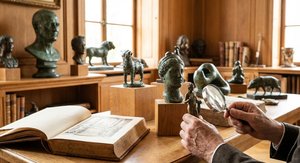
The Enduring Legacy of Bronze Sculpture: A Collector's Guide to Form & Cultural Significance
Explore the rich history & enduring appeal of bronze sculpture with expert insights for collectors at OriginalUniqueArt. Learn about casting techniques, iconic artists, and collecting tips to build a discerning art collection.

