

 Se i rummet
 Send
Send Del
Del
 Detaljer
 Studieguide til kunstværker

 Download
 Lignende værker
 Røntgenundersøgelse
 Se diasshow
 Statistik
The Cyclops Polyphemus


 Læs mere
Giclée / Kunsttryk
Giclée- eller lærredstryk i museumskvalitet med hurtig produktion og fleksible muligheder for finish. ( Bestil håndmalet reproduktion Skift til digitalt billede)




P118B Dkr10

P118H Dkr10

P118W Dkr10

P438Z Dkr10

P508JH Dkr12

P508YH Dkr12

P805H Dkr10

P805Z Dkr10

P919BZ Dkr10

P919G Dkr10

P919XJ Dkr10

P959ZH Dkr10

P968JZ Dkr12

W106C Dkr8

W218G Dkr10

W218JH Dkr8

W218Y Dkr10

W307PJ Dkr10

W316G Dkr10

W316PJ Dkr8

W316Y Dkr10

W398PJ Dkr8

W4111J Dkr10

W500HY Dkr15

W500JH Dkr15

W692G Dkr12

W849H Dkr8

W940BG Dkr15

W953PJ Dkr8




Vælg mellem vores forudindstillede størrelser, der matcher kunstværkets originale proportioner.

Indtast den bredde og højde, du har brug for, så det passer til din ramme eller din væg. Et print kan kun beskæres, aldrig gøres større end billedet, så en størrelse med en anden form vil miste en del af motivet. Vi sender dig en digital mockup til godkendelse, før vi printer noget. Billedet vist på denne side viser ikke den faktiske beskæring — det er kun mockuppen, der gør.
Verdensomspændende levering () på 2 uger i stedet for de sædvanlige 4/5 uger. (21 oktober)

Gratis ekspresforsendelse til hele verden

Lærred af linned i høj kvalitet

Komplet transportforsikring

Garanti for refusion af told og importafgifter

Garanti for autentisk farvegengivelse

100 dages returret ved fabrikationsfejl

100% fuld returret

Mængderabat ved flere køb
 Glasmulighed er kun tilgængelig i størrelser under 110 cm

The Cyclops Polyphemus
Giclée / Kunsttryk
Reproduktionsstørrelse
-


Samlet pris
Dkr 528
The Cyclops Polyphemus: A Baroque Vision of Mythological Terror
Annibale Carracci’s *The Cyclops Polyphemus*, completed in 1605, stands as a cornerstone of Baroque art—a dramatic distillation of classical mythology infused with the fervor and theatricality characteristic of Rome under Pope Paul V. Located within Palazzo Farnese, Rome, this fresco isn't merely a depiction of Homer’s epic tale; it’s an immersive experience designed to provoke awe and instill fear, mirroring the artistic ambitions of its time.
Carracci’s stylistic approach—a masterful blend of Florentine linear draftsmanship inherited from Raphael and Venetian coloristic exuberance—immediately distinguishes itself. He eschewed the idealized forms favored by Renaissance artists, opting instead for a palpable sense of physicality and emotional intensity. The artist's technique involved meticulous layering of pigments onto wet plaster, creating a luminous surface that captures both light and shadow with breathtaking precision – a hallmark of chiaroscuro championed by Michelangelo.
The narrative itself recounts Polyphemus’s relentless pursuit of Acis and Galatea, portraying the monstrous Cyclops as a formidable adversary armed with a bow and arrow. Carracci skillfully utilizes dramatic lighting to heighten tension, casting harsh shadows that emphasize Polyphemus's grotesque features and conveying the desperation of his victims. The composition is carefully balanced, guiding the viewer’s gaze across the scene and amplifying its emotional impact.
Symbolism and Artistic Influence
Beyond its captivating visual drama, *The Cyclops Polyphemus* resonates with profound symbolic meaning. Polyphemus embodies primal savagery—a rejection of civilized restraint—while Acis and Galatea represent innocence and vulnerability. Carracci’s depiction underscores the enduring fascination with themes of heroism, terror, and moral struggle – anxieties prevalent during the Counter Reformation.
Carracci's influence extended far beyond Palazzo Farnese. His workshop served as a training ground for future Baroque masters like Domenichino and Guido Reni, disseminating his innovative techniques and stylistic sensibilities throughout Italy. The fresco’s bold use of color and expressive gesture established new standards for artistic representation, propelling Baroque art to unprecedented heights of grandeur and emotional resonance.
Technical Details & Reproduction Considerations
Carracci's mastery of fresco technique is evident in the remarkable durability of *The Cyclops Polyphemus*. The pigments bind permanently to the plaster surface, ensuring that its vibrant colors retain their luminosity for centuries. When considering reproductions, it’s crucial to utilize archival-quality materials—such as pigment dispersions and substrates—to faithfully capture the original artwork's essence.
Reproductions should prioritize accurate color rendition and textural detail, striving to convey not only what was seen but also how it *felt*. High-resolution prints or canvases offer optimal visual fidelity, allowing viewers to appreciate Carracci’s artistic genius from afar—a testament to the enduring power of Baroque art.
A Legacy of Dramatic Vision
*The Cyclops Polyphemus* remains a captivating exemplar of Baroque artistry—a masterpiece that continues to inspire admiration and provoke contemplation. Its masterful composition, evocative lighting, and profound symbolic depth solidify Carracci’s place among the titans of Italian Renaissance art.
Spørgsmål & svar
Viser "The Cyclops Polyphemus" stærke lys-mørke kontraster?
Lys-mørke-kontrasten i "The Cyclops Polyphemus" er registreret som Statement. Kontrast beskriver, hvor kraftigt lyse og mørke områder adskiller sig fra hinanden.
Kan jeg bestille en oliereproduktion af "The Cyclops Polyphemus"?
Håndmalede kopier af "The Cyclops Polyphemus" af Annibale Carracci sælges på denne hjemmeside: en håndmalet oliereproduktion på lærred af hør, bestilt via dens Håndmalet reproduktion-side.
Hvilket printformat og hvilken orientering anbefales til "The Cyclops Polyphemus" af Annibale Carracci?
Størrelse Large, Portrait orientering: dette er den anbefalede printopsætning til "The Cyclops Polyphemus" af Annibale Carracci.
Om kunstneren
Early Life and the Bolognese Roots
Annibale Carracci, født i Bologna den 3. november 1560, trådte ind i en kunstnerisk familie med dybe rødder. Hans tidlige uddannelse fandt sandsynligvis sted i familiens værksted, hvor han lagde grundlaget for en karriere, der skulle forme det italienske maleri på en radikal måde. Bologna var i denne periode et pulserende centrum for intellekt og kunstnerisk aktivitet, men samtidig føltes den lidt afsides fra de dominerende strømme, der udgik fra Rom og Venedig. Denne følelse af provinsialisme drev en ambition hos en gruppe unge kunstnere – Annibale, hans bror Agostino og kusinen Ludovico – om at skabe deres egen vej, en der skulle revitalisere italiensk kunst ved at kigge tilbage til de store mestre fra den høje renæssance, samtidig med at de omfavnede en mere naturalistisk tilgang.
I 1582 realiserede denne ambition sig i etableringen af *Accademia degli Incamminati*, oprindeligt kendt som Accademia dei Desiderosi. Dette var ikke blot et atelier; det var en smeltedigel for kunstnerisk innovation, et rum dedikeret til streng livsstudier, levende debat og en fælles stræben efter kunstnerisk excellence. Akademiet selv – ”De Progressive” – symboliserede deres hensigt: at bevæge sig ud over de stilistiske kompliciteter i manierismen og tegne en ny kurs mod et mere jordnært og følelsesmæssigt resonansfuldt udtryk. Incamminati blev et model for kunstakademier i hele Europa, der understregede observation fra livet som grundstenen i kunstnerisk uddannelse.
A Synthesis of Styles and Influences
Carraccis kunstneriske vision var ikke født i vakuum; den blev omhyggeligt udformet gennem en dyb engagement med de efterladte arv af fortidens mestre. Han besad en ekstraordinær evne til at syntetisere forskellige påvirkninger, og skabte en stil, der både var dybt forankret i traditionen og markant original. Han beundrede klarheden i linjerne og den kompositionelle balance fundet i værkerne af Rafael og Andrea del Sarto, søgende at efterligne deres elegance og harmoni. Alligevel erkendte han også kraften i farve og atmosfærisk effekt, som fremført af venetianske malere som Titian, og indførte dette i sin egen kunst med en livlig lysstyrke og følelsesmæssig dybde.
Correggios indflydelse var særlig betydningsfuld, tydelig i Carraccis dynamiske kompositioner og illusionistiske teknikker – især som demonstreret i hans freskoer. Han kopierede ikke blot disse mestre; han absorberede deres styrker og skabte noget nyt. Denne eklektiske blanding blev kendetegnet for den Bolognese skole, en væsentlig gren af barokkunst, der fremhævede både klassiske idealer og naturalistisk observation. Carraccis geni lå i hans evne til at forene tilsyneladende modsætninger, og skabe en harmonisk helhed, der resonerede med både intellektuel rigor og følelsesmæssig kraft.
The Roman Triumph: Palazzo Farnese and Beyond
Invitationen til at dekorere Palazzo Farnese i Rom markerede et afgørende øjeblik i Annibale Carraccis karriere. Denne monumentale opgave – en stor freskecyklus, der skildrede scener fra mytologien – gav ham en uovertruffen mulighed for at vise sin kunstneriske dygtighed og etablere sit ry på en storslået skala. *Triumph of Bacchus and Ariadne*, sandsynligvis hans mesterværk, er en betagende demonstration af illusionistisk teknik, dynamisk komposition og livlige farver. Freskoerne synes at opløse grænserne mellem maleri og virkelighed, og trække betragteren ind i en verden af mytisk storhed.
Sammen med *Triumph* tog Carracci også fat på *The Loves of the Gods* ved Palazzo Farnese, der fortsatte udforskningen af mytologiske temaer og kærlighed med en blanding af klassisk idealisme og skarp observation. Disse værker var ikke blot dekorative; de var erklæringer om kunstens magt til at hæve den menneskelige ånd og fejre naturens skønhed. Hans succes i Rom cementerede hans position som en af tidens førende kunstnere, og tiltrak en strøm af opgaver og påvirkede generationer af malere.
Legacy and Historical Significance
Annibale Carraccis indflydelse på kunsthistorien er uforståelig. Han spillede en central rolle i at forbinde den høje renæssance med barokperioden, og bevægede sig væk fra de stilistiske kompliciteter i manierismen mod et mere dynamisk og følelsesmæssigt ladet æstetik. Hans fokus på naturalisme – på at skildre figurer med anatomisk nøjagtighed og psykologisk dybde – banede vejen for kunstnere som Caravaggio, der yderligere revolutionerede italiensk maleri med deres dramatiske brug af lys og skygge.
Accademia degli Incamminati, grundlagt af Carracci og hans kolleger, tjente som en model for kunstakademier i hele Europa, der fremmede kunstnerisk uddannelse baseret på observation og klassiske principper. Hans freskoer ved Palazzo Farnese forbliver ikoniske eksempler på barok illusionisme og kunstnerisk storhed, der fortsat inspirerer til beundring og ærefrygt århundreder efter deres skabelse. Den kollektive arv af Carracci-familien – Annibale, Agostino og Ludovico – er en af grundlæggende innovation og vedvarende indflydelse, der etablerede Bologna som et vigtigt centrum for kunstnerisk kreativitet.
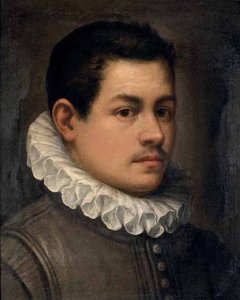
Annibale Carracci
1560 - 1609 , Italien
Hurtige fakta
- Artistic Movement Or Style: Barok
- Artists Or Movements Influenced By This Artist:
- Correggio
- Bolognesk skole
- Artists Who Influenced This Artist:
- Raffael
- Andrea del Sarto
- Date Of Birth: 3. november 1560
- Date Of Death: 15. juli 1609
- Full Name: Annibale Carracci
- Nationality: Italiensk
- Notable Artworks:
- Triumf over Bacchus
- Guders kærlighed
- Place Of Birth: Bologna, Italien
Relaterede artikler
Timeless Legends: A Curated Guide to the Eternal Allure of Mythological Masterpieces
Embark on a sophisticated journey through the eternal allure of mythological art. Discover how master painters breathe life into ancient legends, from Greek deities to Baroque masterpieces, and learn to curate these timeless narratives within your own exquisite art collection.

Barokkens Drama: Hvordan Storhed og Emotion Bringes Ind i Moderne Interiører
Dyk ned i barokkunstens verden! Lær om stilens historie, karakteristika og hvordan du integrerer dens drama og elegance i dit moderne hjem. Inspiration & ekspertrådgivning.

The Dramatic Flourish: Exploring the Baroque Movement's Enduring Legacy in Art History
Explore the dramatic world of Baroque art! Discover iconic artists like Caravaggio & Rubens, defining techniques, and its lasting impact on art history. Expert insights for collectors & enthusiasts at OriginalUniqueArt.
Annibale Carracci: Bridging Renaissance Ideals & Baroque Innovation
Explore the life & art of Annibale Carracci, a pivotal figure bridging Renaissance ideals with Baroque innovation. Discover his masterpieces and lasting influence on Italian painting.

Echoes of Olympus: Mythological Narratives in Western Art Through the Ages
Explore the captivating history of mythological narratives in Western art! From ancient Greece to modern masterpieces, discover iconic artworks & symbolism. Expert analysis and high-quality reproductions at OriginalUniqueArt.


