Baroque · 1592
Pan (Annibale Carracci, 1592)
Annibale Carracci (1560–1609) har skabt Pan. Det er fra 1592. Det tilhører Baroque-bevægelsen. Den er udført i Oil On Canvas. Det opbevares på National Gallery of Victoria i Melbourne, Australien. Målene er 109 × 135 cm.
- 1592
- Oil On Canvas
- 109 × 135 cm
- National Gallery of Victoria, Melbourne

 Se i rummet

 Håndmalet oliemalerie
 Del som kort
 Del
 Faktablad


 Download
 Lignende værker
 Røntgenundersøgelse
 Diasshow
 Spørgsmål og svar

 Statistikker
Pan kort fortalt
- Titel
- Pan
- Kunstner
- Annibale Carracci (1560–1609)
- Kunstner født i
- Bologna, Italien
- Dato
- 1592
- Materiale
- Oil On Canvas
- Dimensioner
- 109 × 135 cm
- Hvor det kan ses
- National Gallery of Victoria, Melbourne, Australien
- Bevægelse
- Baroque
- Motiv
- pan, greek god, mythology, carracci, foreshortening, renaissance
Hvad forestiller Pan?
A Vision of Rustic Divinity: Annibale Carracci’s Pan
Annibale Carracci's "Pan," painted circa 1592, is not merely a depiction of the Greek god; it’s an embodiment of primal nature, a vibrant assertion of earthly delight rendered with breathtaking technical skill and imbued with the burgeoning spirit of the Bolognese school. This painting transcends simple portraiture, offering instead a glimpse into a world teeming with instinct, fertility, and the intoxicating allure of the wild. Commissioned by Cesare d'Este for his opulent Palazzo dei Diamanti in Ferrara – a palace itself reflecting the lavish tastes of the Renaissance court – “Pan” was intended to be part of a larger decorative scheme, a carefully orchestrated symphony of classical mythology designed to evoke grandeur and celebrate the power of the Este family.
Carracci’s genius lies in his masterful manipulation of perspective and color. The scene unfolds with a dramatic *di sotto in sù* foreshortening – a technique borrowed from earlier Renaissance masters but perfected by Carracci – that draws the viewer into the god's immediate presence. Pan, seated atop a ram or goat (the animal’s identity deliberately ambiguous), is presented not as an imposing deity, but as a youthful, almost mischievous figure. His pose is relaxed, his expression playful, and his limbs are rendered with a remarkable sense of naturalism that distinguishes this work from the more idealized depictions prevalent at the time. The rich palette – dominated by earthy reds, ochres, and greens – creates a tactile quality, inviting the viewer to almost feel the warmth of the Italian sun on Pan’s skin and the rough texture of his attire.
The Language of Symbolism
Pan, in Greek mythology, is the god of shepherds, flocks, wild animals, music, and revelry. He embodies the untamed spirit of nature, a force both alluring and potentially dangerous. Carracci’s portrayal captures this duality perfectly. The ram or goat beneath Pan isn't simply an animal; it represents fertility, abundance, and the cyclical rhythms of life and death – essential themes within the context of the Renaissance fascination with classical antiquity. The inclusion of the pipe, a traditional instrument associated with Pan, further reinforces his role as the patron of music and dance, suggesting a celebration of earthly pleasures.
Notably, the presence of the book or scroll in Pan’s hand hints at a deeper layer of meaning. While often depicted as a wild god, Pan was also associated with prophecy and knowledge – a connection that aligns with the intellectual climate of Renaissance Italy. The object could represent his ability to interpret the signs of nature, offering a glimpse into the mysteries of the world.
A Bridge Between Eras
“Pan” stands as a pivotal work in the transition from the High Renaissance to the Baroque period. Carracci’s embrace of naturalism and dramatic perspective – hallmarks of the Bolognese school – paved the way for the heightened emotional intensity and dynamic compositions that would characterize the Baroque style. His meticulous attention to detail, combined with his innovative use of *di sotto in sù* foreshortening, demonstrates a profound understanding of both classical principles and contemporary artistic trends. The painting’s placement within a larger decorative scheme further highlights its significance as a key element in the revival of classical art during the late 16th century.
A Timeless Appeal
More than four centuries after its creation, “Pan” continues to captivate viewers with its vibrant energy and evocative imagery. It’s a painting that speaks to our enduring fascination with nature, mythology, and the primal instincts that lie at the heart of human experience. Reproductions of this masterpiece offer an opportunity to bring this extraordinary vision into any setting, adding a touch of rustic divinity and timeless beauty to your home or office.
Hvilket museum udstiller Pan?
National Gallery of Victoria
Melbourne, Australien
Oprindelse og historie for National Gallery of Victoria National Gallery of Victoria blev grundlagt i 1861, i en tid præget af den feberagtige optimisme under guldrushet, som bragte en eksplosiv vækst til kolonien. Institutionen tog sin begyndelse som et beskeden samling af gipsafstøbninger, et forsøg på at skabe en kulturel bro til de etablerede kunstneriske traditioner i Europa. Denne indledende samling var et pragmatisk svar på de koloniale strømninger, der søgte kulturel ligeværd med de gamle, veletablerede stormagter.


Højopløselige billeder af Pan

Public domain: kunstneren døde i 1609.
Andre størrelser, beskæringer og kildeangivelse →Annibale Carracci, Pan (1592), National Gallery of Victoria. Frit tilgængelig
Spørgsmål om Pan besvaret
Hvor kan man i dag se "Pan" af Annibale Carracci udstillet?
Originalen af "Pan" af Annibale Carracci opbevares på National Gallery of Victoria, Melbourne, Australien. En reproduktion gør det muligt at udstille værket i hjemmet.
Hvornår blev "Pan" skabt?
"Pan" af Annibale Carracci blev skabt i 1592.
Hvilken teknik er brugt til "Pan" af Annibale Carracci?
"Pan" af Annibale Carracci er udført i Oil On Canvas. Reproduktionerne har til formål at gengive denne tekniks visuelle udtryk.
Hvad er målene på det originale "Pan" af Annibale Carracci?
Det originale værk "Pan" af Annibale Carracci måler 109 x 135 cm.
Hvad forestiller "Pan"?
Motiverne i "Pan" er pan, greek god, mythology, carracci, foreshortening, renaissance, baroque, deity.
Er billedet af "Pan" af Annibale Carracci frit tilgængeligt i det offentlige domæne?
Ophavsretsstatus for "Pan" af Annibale Carracci: værket er i det offentlige domæne – ophavsretten er udløbet. Dette afgør, om der frit må foretages reproduktioner af billedet.
Hvilken kunstner tilskrives "Pan"?
"Pan" blev skabt af Annibale Carracci. Informationen på denne side beskriver Annibale Carraccis originale værk.
Hvilken stilart tilhører "Pan"?
"Pan" er et værk fra Baroque. Denne stilart angiver den kunstneriske tradition, som værket indgår i.
Hvilken fase af Annibale Carraccis kunstneriske udvikling repræsenterer "Pan"?
Inden for Annibale Carraccis karriere tilhører "Pan" perioden Mature Period, hvilket gør det muligt at sammenligne værket med kunstnerens øvrige værker.
Om kunstneren, Annibale Carracci
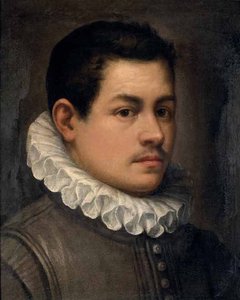
1560–1609, Italien
Annibale Carracci
Early Life and the Bolognese Roots Annibale Carracci, født i Bologna den 3. november 1560, trådte ind i en kunstnerisk familie med dybe rødder. Hans tidlige uddannelse fandt sandsynligvis sted i familiens værksted, hvor han lagde grundlaget for en karriere, der skulle forme det italienske maleri på en radikal måde. Bologna var i denne periode et pulserende centrum for intellekt og kunstnerisk aktivitet, men samtidig føltes den lidt afsides fra de dominerende strømme, der udgik fra Rom og Venedig.
Om Annibale Carracci Bemærkelsesværdige værker af Annibale Carracci
Også af Annibale Carracci
 Bønneæderen Sol
 Herkules' valg
 Hercules ved krydset1596
 Flodlandskab1589

Essays om Pan
 The Language of Animals in Art: From Ancient Egypt to the RenaissanceExplore the profound history of animal symbolism from Egypt to the Renaissance. Trace these ancient motifs through art history now.
 Annibale Carracci: Bridging Renaissance Ideals & Baroque InnovationExplore the life & art of Annibale Carracci, a pivotal figure bridging Renaissance ideals with Baroque innovation. Discover his masterpiece…
 Divine Beauty: The 25 Most Iconic Masterpieces by Fra AngelicoJourney through the divine beauty of Fra Angelico's finest works. Explore 25 iconic Renaissance masterpieces, from ethereal frescoes to sac…