

 Se i rummet
 Send
Send Del
Del
 Detaljer
 Studieguide til kunstværker

 Download
 Lignende værker
 Røntgenundersøgelse
 Se diasshow
 Statistik
Hercules at the Crossroads


 Læs mere
Giclée / Kunsttryk
Giclée- eller lærredstryk i museumskvalitet med hurtig produktion og fleksible muligheder for finish. ( Bestil håndmalet reproduktion Skift til digitalt billede)




P118B Dkr10

P118H Dkr10

P118W Dkr10

P438Z Dkr10

P508JH Dkr12

P508YH Dkr12

P805H Dkr10

P805Z Dkr10

P919BZ Dkr10

P919G Dkr10

P919XJ Dkr10

P959ZH Dkr10

P968JZ Dkr12

W106C Dkr8

W218G Dkr10

W218JH Dkr8

W218Y Dkr10

W307PJ Dkr10

W316G Dkr10

W316PJ Dkr8

W316Y Dkr10

W398PJ Dkr8

W4111J Dkr10

W500HY Dkr15

W500JH Dkr15

W692G Dkr12

W849H Dkr8

W940BG Dkr15

W953PJ Dkr8




Vælg mellem vores forudindstillede størrelser, der matcher kunstværkets originale proportioner.

Indtast den bredde og højde, du har brug for, så det passer til din ramme eller din væg. Et print kan kun beskæres, aldrig gøres større end billedet, så en størrelse med en anden form vil miste en del af motivet. Vi sender dig en digital mockup til godkendelse, før vi printer noget. Billedet vist på denne side viser ikke den faktiske beskæring — det er kun mockuppen, der gør.
Verdensomspændende levering () på 2 uger i stedet for de sædvanlige 4/5 uger. (22 oktober)

Gratis ekspresforsendelse til hele verden

Lærred af linned i høj kvalitet

Komplet transportforsikring

Garanti for refusion af told og importafgifter

Garanti for autentisk farvegengivelse

100 dages returret ved fabrikationsfejl

100% fuld returret

Mængderabat ved flere køb
 Glasmulighed er kun tilgængelig i størrelser under 110 cm

Hercules at the Crossroads
Giclée / Kunsttryk
Reproduktionsstørrelse
-


Samlet pris
Dkr 531
A Crossroads of Virtue and Vice: Annibale Carracci’s “Hercules at the Crossroads”
Annibale Carracci's "Hercules at the Crossroads," painted between 1596 and 1597 for the opulent Camerino room within the Farnese Palace in Rome, is more than just a depiction of a legendary hero; it’s a meticulously crafted allegory of human choice, a vibrant testament to Renaissance ideals, and a remarkably prescient foreshadowing of Baroque dynamism. This monumental oil on canvas, now housed in the Capodimonte Museum in Naples, immediately commands attention with its dramatic composition and rich palette, drawing the viewer into a pivotal moment in Hercules’s life – a moment of profound deliberation between the allure of pleasure and the demanding path of virtue.
The scene unfolds within a verdant, almost Edenic landscape, sharply divided to mirror the two opposing forces confronting the hero. To his left, a seductive vision of Pleasure beckons, an explosion of vibrant color and theatricality. Playing cards spill from hands, musical instruments overflow, and masked figures dance in a whirlwind of indulgence – a direct reference to the hedonistic pursuits that Hercules could easily abandon for immediate gratification. The terrain here is lush and inviting, a rolling meadow promising ease and fleeting joy. Conversely, on the right, Virtue stands firm and resolute, bathed in cooler tones of blue and red. She points towards a rugged, winding road leading upwards – a steep ascent toward a winged Pegasus, symbolizing divine favor and ultimate glory. This landscape is starker, drier, and more challenging, reflecting the arduous journey demanded by moral righteousness.
The Mythic Foundation and Farnese Ideology
Carracci’s painting isn't simply illustrating a Greek myth; it’s deeply rooted in the philosophical currents of his time. The story originates from Prodicus, a Sophist who presented Hercules with two paths: one leading to immediate pleasure through worldly pursuits, the other demanding hardship and dedication to virtue. Cardinal Odoardo Farnese, the palace's librarian and a key patron of the arts, recognized the potent symbolism within this parable – a visual representation of the virtues he wished to instill in his court. Fulvio Orsini, another influential figure at the Farnese Palace, further shaped the painting’s iconography, drawing inspiration from ancient Greek tales recounted by Cicero, ensuring the narrative resonated with humanist ideals.
The choice of Hercules himself is significant. He represents not just strength and heroism but also a crucial test – a demonstration that even a demigod could be tempted by earthly desires. The painting’s placement within the Camerino room, a space designed to embody moral principles, underscores its didactic purpose. It wasn't intended as mere decoration; it was a carefully orchestrated visual sermon, guiding visitors toward a life of virtue and civic responsibility – a core tenet of Renaissance humanism.
A Synthesis of Styles: High Renaissance and Baroque Foreshadowing
Carracci’s genius lies in his masterful synthesis of artistic styles. While deeply influenced by the classical ideals of the High Renaissance, particularly Michelangelo's frescoes in the Sistine Chapel, he skillfully incorporates elements that prefigure the dramatic intensity and emotional depth characteristic of the emerging Baroque style. The figures are rendered with a remarkable sense of volume and plasticity, echoing Michelangelo’s monumental forms but imbued with a greater dynamism and expressiveness. Notice how Hercules himself is not depicted as a static hero but as a figure caught in a moment of intense contemplation – his posture conveying both strength and vulnerability.
The use of color is equally striking. The vibrant hues of Pleasure contrast sharply with the cooler tones of Virtue, creating a visual tension that mirrors the internal conflict at the heart of the myth. Carracci’s brushwork is loose and expressive, abandoning the meticulous detail favored by earlier Renaissance painters in favor of a more fluid and gestural approach – a hallmark of Baroque painting. This deliberate shift signals a move towards greater emotional impact and a heightened sense of realism.
Symbolism and Emotional Resonance
Beyond its narrative content, “Hercules at the Crossroads” is rich in symbolic detail. The poet crowned with laurels at the bottom left serves as a moral guide, assuring Hercules that virtue will ultimately lead to renown. The presence of Pegasus, representing divine favor, underscores the rewards awaiting those who choose the path of righteousness. Even the landscape itself contributes to the painting’s meaning – the lush meadow symbolizing fleeting pleasure, the rugged road signifying the arduous journey toward true fulfillment.
Ultimately, “Hercules at the Crossroads” is a profoundly moving work that speaks to the universal human struggle between desire and duty. It invites viewers to contemplate their own choices, to consider the consequences of their actions, and to embrace the virtues that will lead them towards a life of purpose and meaning. Its enduring power lies not only in its masterful execution but also in its timeless message – a reminder that true glory is found not in fleeting pleasures but in unwavering commitment to moral principles.
Spørgsmål & svar
Opbevares "Hercules at the Crossroads" af Annibale Carracci i kunstnerens hjemland?
Ja – kunstværket opbevares i kunstnerens hjemland. Annibale Carracci er født i Italien, mens museet, der opbevarer originalen af "Hercules at the Crossroads", ligger i Italien.
Hvordan relaterer farverne i "Hercules at the Crossroads" af Annibale Carracci sig til værkets følelsesmæssige udtryk?
"Hercules at the Crossroads" af Annibale Carracci kombinerer en Earthy farvepalet med en Reflective tone.
Hvilken kunstretning tilhører "Hercules at the Crossroads" af Annibale Carracci?
Den kunstretning, der er forbundet med "Hercules at the Crossroads" af Annibale Carracci, er Baroque. Denne klassificering placerer værket blandt relaterede kunstnere og kunstværker.
Om kunstneren
Early Life and the Bolognese Roots
Annibale Carracci, født i Bologna den 3. november 1560, trådte ind i en kunstnerisk familie med dybe rødder. Hans tidlige uddannelse fandt sandsynligvis sted i familiens værksted, hvor han lagde grundlaget for en karriere, der skulle forme det italienske maleri på en radikal måde. Bologna var i denne periode et pulserende centrum for intellekt og kunstnerisk aktivitet, men samtidig føltes den lidt afsides fra de dominerende strømme, der udgik fra Rom og Venedig. Denne følelse af provinsialisme drev en ambition hos en gruppe unge kunstnere – Annibale, hans bror Agostino og kusinen Ludovico – om at skabe deres egen vej, en der skulle revitalisere italiensk kunst ved at kigge tilbage til de store mestre fra den høje renæssance, samtidig med at de omfavnede en mere naturalistisk tilgang.
I 1582 realiserede denne ambition sig i etableringen af *Accademia degli Incamminati*, oprindeligt kendt som Accademia dei Desiderosi. Dette var ikke blot et atelier; det var en smeltedigel for kunstnerisk innovation, et rum dedikeret til streng livsstudier, levende debat og en fælles stræben efter kunstnerisk excellence. Akademiet selv – ”De Progressive” – symboliserede deres hensigt: at bevæge sig ud over de stilistiske kompliciteter i manierismen og tegne en ny kurs mod et mere jordnært og følelsesmæssigt resonansfuldt udtryk. Incamminati blev et model for kunstakademier i hele Europa, der understregede observation fra livet som grundstenen i kunstnerisk uddannelse.
A Synthesis of Styles and Influences
Carraccis kunstneriske vision var ikke født i vakuum; den blev omhyggeligt udformet gennem en dyb engagement med de efterladte arv af fortidens mestre. Han besad en ekstraordinær evne til at syntetisere forskellige påvirkninger, og skabte en stil, der både var dybt forankret i traditionen og markant original. Han beundrede klarheden i linjerne og den kompositionelle balance fundet i værkerne af Rafael og Andrea del Sarto, søgende at efterligne deres elegance og harmoni. Alligevel erkendte han også kraften i farve og atmosfærisk effekt, som fremført af venetianske malere som Titian, og indførte dette i sin egen kunst med en livlig lysstyrke og følelsesmæssig dybde.
Correggios indflydelse var særlig betydningsfuld, tydelig i Carraccis dynamiske kompositioner og illusionistiske teknikker – især som demonstreret i hans freskoer. Han kopierede ikke blot disse mestre; han absorberede deres styrker og skabte noget nyt. Denne eklektiske blanding blev kendetegnet for den Bolognese skole, en væsentlig gren af barokkunst, der fremhævede både klassiske idealer og naturalistisk observation. Carraccis geni lå i hans evne til at forene tilsyneladende modsætninger, og skabe en harmonisk helhed, der resonerede med både intellektuel rigor og følelsesmæssig kraft.
The Roman Triumph: Palazzo Farnese and Beyond
Invitationen til at dekorere Palazzo Farnese i Rom markerede et afgørende øjeblik i Annibale Carraccis karriere. Denne monumentale opgave – en stor freskecyklus, der skildrede scener fra mytologien – gav ham en uovertruffen mulighed for at vise sin kunstneriske dygtighed og etablere sit ry på en storslået skala. *Triumph of Bacchus and Ariadne*, sandsynligvis hans mesterværk, er en betagende demonstration af illusionistisk teknik, dynamisk komposition og livlige farver. Freskoerne synes at opløse grænserne mellem maleri og virkelighed, og trække betragteren ind i en verden af mytisk storhed.
Sammen med *Triumph* tog Carracci også fat på *The Loves of the Gods* ved Palazzo Farnese, der fortsatte udforskningen af mytologiske temaer og kærlighed med en blanding af klassisk idealisme og skarp observation. Disse værker var ikke blot dekorative; de var erklæringer om kunstens magt til at hæve den menneskelige ånd og fejre naturens skønhed. Hans succes i Rom cementerede hans position som en af tidens førende kunstnere, og tiltrak en strøm af opgaver og påvirkede generationer af malere.
Legacy and Historical Significance
Annibale Carraccis indflydelse på kunsthistorien er uforståelig. Han spillede en central rolle i at forbinde den høje renæssance med barokperioden, og bevægede sig væk fra de stilistiske kompliciteter i manierismen mod et mere dynamisk og følelsesmæssigt ladet æstetik. Hans fokus på naturalisme – på at skildre figurer med anatomisk nøjagtighed og psykologisk dybde – banede vejen for kunstnere som Caravaggio, der yderligere revolutionerede italiensk maleri med deres dramatiske brug af lys og skygge.
Accademia degli Incamminati, grundlagt af Carracci og hans kolleger, tjente som en model for kunstakademier i hele Europa, der fremmede kunstnerisk uddannelse baseret på observation og klassiske principper. Hans freskoer ved Palazzo Farnese forbliver ikoniske eksempler på barok illusionisme og kunstnerisk storhed, der fortsat inspirerer til beundring og ærefrygt århundreder efter deres skabelse. Den kollektive arv af Carracci-familien – Annibale, Agostino og Ludovico – er en af grundlæggende innovation og vedvarende indflydelse, der etablerede Bologna som et vigtigt centrum for kunstnerisk kreativitet.
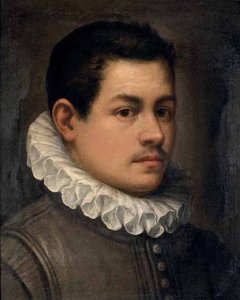
Annibale Carracci
1560 - 1609 , Italien
Hurtige fakta
- Artistic Movement Or Style: Barok
- Artists Or Movements Influenced By This Artist:
- Correggio
- Bolognesk skole
- Artists Who Influenced This Artist:
- Raffael
- Andrea del Sarto
- Date Of Birth: 3. november 1560
- Date Of Death: 15. juli 1609
- Full Name: Annibale Carracci
- Nationality: Italiensk
- Notable Artworks:
- Triumf over Bacchus
- Guders kærlighed
- Place Of Birth: Bologna, Italien
Relaterede artikler

The Dramatic Flourish: Exploring the Baroque Movement's Enduring Legacy in Art History
Explore the dramatic world of Baroque art! Discover iconic artists like Caravaggio & Rubens, defining techniques, and its lasting impact on art history. Expert insights for collectors & enthusiasts at OriginalUniqueArt.
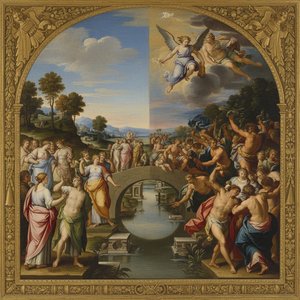
Annibale Carracci: Bridging Renaissance Ideals & Baroque Innovation
Explore the life & art of Annibale Carracci, a pivotal figure bridging Renaissance ideals with Baroque innovation. Discover his masterpieces and lasting influence on Italian painting.

Baroque Classicism: The Grandeur of Order and Drama in 17th-Century Art History
Explore the profound elegance of Baroque Classicism. Discover how 17th-century masters synthesized dramatic emotion with classical order through the lens of the Counter-Reformation and the works of legends like Carlo Maratta and Andrea Sacchi.

Barokkens Mestre: Top 10 Kunstværker der Definerede en Æra | OriginalUniqueArt.dk
Oplev barokkens storhed! Dyk ned i 10 ikoniske kunstværker af Caravaggio, Rembrandt & Vermeer. Lær historierne bag mesterværkerne og find inspiration til din indretning med museumskvalitets reproduktioner på OriginalUniqueArt.com

Barokkens Drama: Hvordan Storhed og Emotion Bringes Ind i Moderne Interiører
Dyk ned i barokkunstens verden! Lær om stilens historie, karakteristika og hvordan du integrerer dens drama og elegance i dit moderne hjem. Inspiration & ekspertrådgivning.


