
 Se i fuld skala
 Del
Del Del
Del
 Detaljer

 Download
 Lignende værker
 Røntgenundersøgelse
 Diasshow
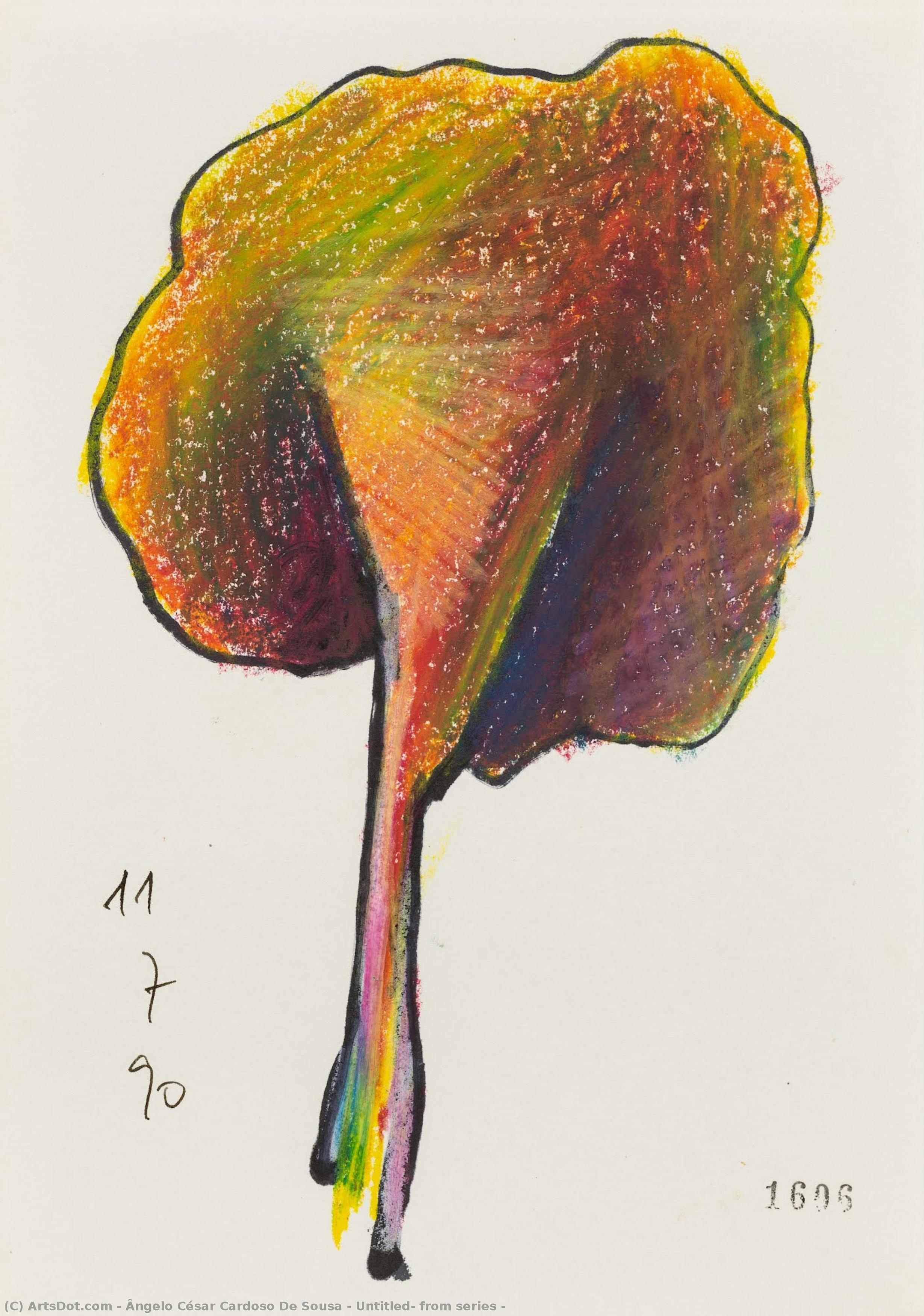
Untitled, from series


 Se mere
Håndlavet oliereproduktion
Håndmalet olie på lærred i din valgte størrelse og ramme, udført efter bestilling af vores kunstnere. ( Køb print Køb billede)




P118B $10

P118H $10

P118W $10

P438Z $10

P508JH $12

P508YH $12

P805H $10

P805Z $10

P919BZ $10

P919G $10

P919XJ $10

P959ZH $10

P968JZ $12

W106C $8

W218G $10

W218JH $8

W218Y $10

W307PJ $10

W316G $10

W316PJ $8

W316Y $10

W398PJ $8

W4111J $10

W500HY $15

W500JH $15

W692G $12

W849H $8

W940BG $15

W953PJ $8




Vælg mellem vores forudindstillede størrelser, der matcher kunstværkets originale proportioner.

Du kan indtaste dine egne mål for at passe til en bestemt ramme eller plads. Hvis den valgte størrelse ikke stemmer overens med det originale billedes proportioner, vil vi enten beskære kunstværket eller udvide maleriet med yderligere håndmalede elementer. En digital skitse sendes til din godkendelse, før produktionen påbegyndes.
Bemærk venligst, at forhåndsvisningen på skærmen ikke afspejler den faktiske beskæring eller udvidelse. Kun skitsen vil nøjagtigt vise den endelige komposition.
Selvom specialmål er mulige, anbefaler vi at vælge en dimension fra den foruddefinerede liste for at bevare de originale proportioner.
Efter bestilling vil OriginalUniqueArt.com team sende en e-mail til kunden for at få instruktioner og levere et udkast til en skitse.
Levering i hele verden () på 3/4 uger i stedet for de standard 5 uger. (18 august). Ingen kompromiser med kvaliteten.

Gratis ekspresforsendelse til hele verden

Lærred af linned i høj kvalitet

Fuld transportforsikring

Garanti for refusion af told og importafgifter

Garanti for præcis farvegengivelse

60 dages returret (kun ved fabrikationsfejl)

100% Tilfredshedsgaranti

Mængderabat tilgængelig
 Glasmulighed er kun tilgængelig i størrelser under 110 cm

Untitled, from series
Reproduktionsmetode
Størrelse på reproduktion
-


Samlet pris
$ 300
Beskrivelse af kunstværket
A Kaleidoscope of Form: The Vibrant Vision of Ângelo de Sousa
In the quiet corners of contemporary art appreciation, few works capture the eye with such immediate, rhythmic vitality as this untitled masterpiece from 1990 by the esteemed Portuguese artist Ângelo César Cardoso de Sousa. At first glance, the viewer is met with a singular, organic silhouette—a tree-like form that defies traditional botanical representation to embrace something far more primal and expressive. The trunk of this specimen is not merely wood and bark, but a swirling confluence of light and pigment; yellows, oranges, reds, greens, blues, and purples dance together in a chromatic symphony. This piece serves as a profound testament to the artist's ability to distill the essence of nature into a concentrated burst of color, making it an irresistible focal point for any curated collection or sophisticated interior space.
The technique employed here speaks to the restless innovation that defined de Sousa’s illustrious career. Moving beyond the boundaries of traditional painting, the artist utilizes a layering of hues that suggests a deep preoccupation with texture and the interplay of light. The way the colors bleed into one another—transitioning from the warmth of a sunset orange to the cool depth of a midnight blue—creates a sense of movement within a static frame. This fluid application of pigment allows the central form, which oscillates between the shape of a leaf and the fullness of an apple, to feel alive, as if it were breathing within its small 21 x 15 cm stage. For the collector, this work offers a rare glimpse into the artist's mastery of "color as substance," where pigment is not just a coating but a structural element of the composition.
Beyond its aesthetic brilliance, the artwork carries a profound emotional resonance rooted in the artist’s unique biography. Born in the vibrant landscapes of Maputo, Mozambique, and later refined by the academic rigor of Porto, de Sousa’s work is a bridge between African luminosity and European formal experimentation. This specific piece, created toward the end of his life, reflects a matured synthesis of these influences—a minimalist exploration that does not sacrifice complexity. The symbolism of the singular, multicolored tree can be interpreted as a metaphor for the interconnectedness of all life and the diversity of experience. It is a celebration of growth, resilience, and the kaleidoscopic nature of existence.
For interior designers and art enthusiasts alike, this reproduction offers more than just decoration; it provides an emotional anchor. Its compact scale makes it an ideal choice for intimate gallery walls or as a sophisticated accent in a modern study. The bold, saturated palette is capable of breathing life into neutral-toned rooms, providing a much-needed spark of energy and conversation. To possess a piece from this series is to hold a fragment of Portuguese art history—a vibrant, pulsing memory of an artist who spent his entire life chasing the transformative power of light and form.
Kunstnerens biografi
A Life Immersed in Color and Form
Ângelo César Cardoso de Sousa, known simply as Ângelo de Sousa, was a pivotal figure in Portuguese art, a restless innovator whose career spanned decades of relentless experimentation. Born in 1938 in Lourenço Marques – now Maputo, Mozambique – his artistic journey began under the vibrant skies and diverse cultural currents of Africa before blossoming within the academic traditions of Portugal. This early exposure to a world brimming with color and texture profoundly shaped his aesthetic sensibility, instilling a lifelong fascination with light, form, and the expressive potential of materials. The move to Porto in 1955 marked a turning point, as he immersed himself in formal training at the School of Fine Arts, quickly distinguishing himself as an exceptional talent. He didn’t merely master traditional techniques; he absorbed them, dissected them, and prepared to transcend their boundaries. Graduating with the highest possible mark – a testament to his dedication and skill – de Sousa soon found himself among “Os Quatro Vintes,” a collective of academically gifted artists who would become influential forces in the Portuguese art scene.The Evolution of an Artistic Vision
De Sousa’s artistic path was one of continuous exploration, defying easy categorization. After establishing himself as a promising painter, he embraced sculpture, drawing, photography, film, and video, demonstrating a remarkable versatility that set him apart. From 1962 to 2000, his tenure as a professor at the University of Porto’s Faculty of Fine Arts wasn't simply an occupation; it was a vital component of his artistic practice. He nurtured generations of artists while simultaneously refining his own vision, fostering an environment where experimentation and critical thinking flourished. His work is immediately recognizable for its bold use of color – often primary hues deployed with striking intensity – and a willingness to challenge conventional approaches. He wasn’t content to simply represent the world; he sought to *interpret* it through abstract forms and innovative techniques. Influences were wide-ranging, from the emotional power of Expressionism to the geometric precision of Oriental art, the raw energy of primitive arts and Art Brut, the expansive fields of Colour Field painting, the cool detachment of Post Painterly Abstraction, the optical illusions of Op Art, and the playful accessibility of Pop Art. He absorbed these diverse currents not as imitation but as fuel for his own unique artistic language.Recognition and Accolades
The recognition of de Sousa’s talent came steadily throughout his career. His first solo exhibition in 1959 offered a glimpse of the innovative spirit that would define his work, while his participation in numerous group shows solidified his presence within the Portuguese art community. However, it was the International Prize awarded at the prestigious São Paulo Art Biennial in 1975 that truly propelled him onto the international stage. This accolade affirmed his standing as a significant contemporary artist and opened doors to exhibitions worldwide. His work found its way into museum collections, including the National Museum of Fine Arts in La Valletta, Malta, demonstrating the broad appeal and enduring quality of his artistic vision. The culmination of a lifetime dedicated to art came with the Gulbenkian Prize in 2007 – a prestigious honor recognizing his profound contribution to Portuguese culture. This award wasn’t merely a celebration of past achievements; it was an acknowledgement of his ongoing influence on the artistic landscape.A Lasting Legacy
Ângelo de Sousa's impact extends far beyond his own body of work. He inspired countless artists with his unwavering commitment to experimentation, his fearless exploration of new techniques, and his ability to synthesize diverse influences into a cohesive and compelling aesthetic. He was, at heart, a scholar of light and color, relentlessly pursuing minimalist expressions that resonated with profound emotional depth. His legacy lies not in adherence to any single style or movement but in the spirit of inquiry he embodied – a constant questioning of boundaries, a refusal to be constrained by convention, and an unwavering belief in the power of art to transform our perception of the world. His work continues to challenge and inspire new generations of artists, ensuring that his innovative spirit will endure for years to come. He remains a beacon for those who seek to push the limits of artistic expression.Key Achievements
- 1959: First solo exhibition, marking the beginning of his public career.
- 1975: International Prize at the 13th São Paulo Art Biennial – a pivotal moment in his international recognition.
- 2007: Gulbenkian Prize, acknowledging his significant contribution to Portuguese culture.
- Throughout his career: Extensive exhibitions in museums and collections worldwide, solidifying his global presence.
- 1962-2000: Dedicated teaching at the University of Porto, shaping generations of artists.

Ângelo César Cardoso de Sousa
1938 - 2011 , Mozambique
Kort om kunstneren
- Artistic Movement Or Style: Expressionism, Minimalism
- Artists Or Movements Influenced By This Artist: ['New generations of artists']
- Artists Who Influenced This Artist:
- Klee
- Kandinsky
- Date Of Birth: 1938
- Date Of Death: 2011
- Full Name: Ângelo César Cardoso de Sousa
- Nationality: Portuguese
- Notable Artworks:
- Untitled
- Sem título (Geométrico grande)
- Place Of Birth: Maputo, Mozambique
Relaterede artikler

Kandinskys 25 Mesterværker: En Rejse Ind i Abstrakt Kunst | OriginalUniqueArt.com
Oplev Kandinskys 25 mest ikoniske værker! Dyk ned i abstrakt kunst, ekspressionisme og farvernes sprog. Find luksus reproduktioner af berømte malerier som 'Komposition VIII' på OriginalUniqueArt.com – inspiration til din vægkunst & indretning.

Paul Cézannes 25 Mesterværker: En Kunstnerisk Rejse til Moderne Malerkunst | OriginalUniqueArt.dk
Oplev Paul Cézannes 25 mest ikoniske malerier – fra stilleben til landskaber. Lær om impressionismen, hans unikke stil og køb eksklusive kunsttryk på OriginalUniqueArt.dk. Find inspiration til din indretning!

Geometrisk Abstraktion: Top 10 Kunstværker der Definerede Bevægelsen | OriginalUniqueArt.dk
Oplev de 10 mest ikoniske værker inden for geometrisk abstraktion! Fra Kandinsky til Mondrian – lær historierne bag disse banebrydende kunstnere og deres farverige malerier. Find museumskvalitets reproduktioner & inspiration til din indretning på OriginalUniqueArt.dk.

Top 10 Abstrakt Ekspressionisme Mesterværker – Kunst der Forandrede Verden | OriginalUniqueArt.com
Oplev de 10 mest ikoniske værker inden for Abstrakt Ekspressionisme – Jackson Pollock, Mark Rothko og mere. Lær historien bag kunstnerne & teknikken. Find museumskvalitets reproduktioner på OriginalUniqueArt.com.
Fernand Léger: Top 25 Kunstværker – En Hyldest til Maskinens Æra | OriginalUniqueArt
Oplev Fernand Légers 25 mest ikoniske kunstværker! Dyk ned i kubismens verden, maskinæraen og hans farverige malerier. Find inspiration til din boligindretning & køb reproduktioner af højeste kvalitet på OriginalUniqueArt.com.


