

 Se i rummet
 Send
Send Del
Del
 Detaljer
 Guide
Guide

 Download
 Lignende værker
 Røntgenundersøgelse
 Se diasshow
 Statistik
Sts Michael and John Gualbert
 Acrylic On Canvas
- WallArt
- Mannerism
 1528
1528 184.0 x 172.0 cm
 Galleria degli Uffizi
 Læs mere
Håndlavet oliereproduktion
Håndmalet olie på lærred i din valgte størrelse og ramme, udført efter bestilling af vores kunstnere. ( Skift til printversion Skift til digitalt billede)




P118B $10

P118H $10

P118W $10

P438Z $10

P508JH $12

P508YH $12

P805H $10

P805Z $10

P919BZ $10

P919G $10

P919XJ $10

P959ZH $10

P968JZ $12

W106C $8

W218G $10

W218JH $8

W218Y $10

W307PJ $10

W316G $10

W316PJ $8

W316Y $10

W398PJ $8

W4111J $10

W500HY $15

W500JH $15

W692G $12

W849H $8

W940BG $15

W953PJ $8




Vælg mellem vores forudindstillede størrelser, der matcher kunstværkets originale proportioner.

Du kan indtaste dine egne mål for at passe til en bestemt ramme eller plads. Hvis den valgte størrelse ikke stemmer overens med det originale billedes proportioner, vil vi enten beskære kunstværket eller udvide maleriet med yderligere håndmalede elementer. En digital skitse sendes til din godkendelse, før produktionen påbegyndes.
Bemærk venligst, at forhåndsvisningen på skærmen ikke afspejler den faktiske beskæring eller udvidelse. Kun skitsen vil nøjagtigt vise den endelige komposition.
Selvom specialmål er mulige, anbefaler vi at vælge en dimension fra den foruddefinerede liste for at bevare de originale proportioner.
Efter bestilling vil OriginalUniqueArt.com team sende en e-mail til kunden for at indhente instruktioner og fremsende et udkast til gennemgang.
Levering i hele verden () på 3-4 uger i stedet for de standard 5 uger. (20 september). Ingen kompromiser med kvaliteten.

Gratis ekspresforsendelse til hele verden

Lærred af linned i høj kvalitet

Komplet transportforsikring

Garanti for refusion af told og importafgifter

Garanti for autentisk farvegengivelse

100 dages returret ved fabrikationsfejl

100% fuld returret

Mængderabat ved flere køb
 Glasmulighed er kun tilgængelig i størrelser under 110 cm

Sts Michael and John Gualbert
Reproduktionsmateriale
Reproduktionsstørrelse
-


Samlet pris
$ 300
A Renaissance Dialogue in Paint: Exploring Andrea del Sarto’s “Sts Michael and John Gualbert”
Andrea del Sarto's 1528 fresco, "Sts Michael and John Gualbert," residing within the Vallombrosa Altarpiece, is more than just a devotional image; it’s a carefully constructed dialogue between figures, a testament to the artist’s mastery of color and composition, and a window into the intellectual currents of the High Renaissance. The painting depicts two prominent saints – Michael the Archangel, a symbol of divine justice and protection, and John Gualbert, the founder of the Vallombrosan order, known for his asceticism and devotion – standing in contemplative communion. Their posture, almost identical, suggests a shared understanding, a silent exchange of wisdom and faith that transcends mere representation.
Del Sarto’s genius lies not simply in replicating biblical figures but in imbuing them with a palpable sense of humanity. The saints are rendered with an understated elegance; their faces possess a quiet dignity, hinting at the weight of spiritual experience. Notice the subtle play of light and shadow across their garments – a hallmark of del Sarto’s technique—that creates a remarkable illusion of volume and texture. The use of grisaille, a monochrome fresco painting technique, is particularly evident here, contributing to the painting's solemn atmosphere and emphasizing the figures’ spiritual essence rather than opulent detail.
The Context of Vallombrosa: A Monastic Commission
Understanding the context of this work is crucial. The altarpiece was commissioned for the Romitorio delle Celle, a remote monastery founded by St. John Gualbert in the hills near Florence. This austere environment profoundly shaped the painting’s character. The Vallombrosan order emphasized simplicity, contemplation, and a direct relationship with God – values reflected in the restrained elegance of “Sts Michael and John Gualbert.” The monks themselves were known for their devotion to St. Bernard of Clairvaux, whose teachings heavily influenced Gualbert's own spiritual path. The painting therefore serves as both a visual tribute to these figures and an embodiment of the monastic order’s core beliefs.
Furthermore, the fresco was part of a larger narrative cycle depicting various saints and biblical scenes. The composition of “Sts Michael and John Gualbert” is deliberately integrated into this broader scheme, creating a harmonious visual dialogue between different figures and stories. The placement within the altarpiece’s overall design underscores its importance as a central element in conveying the monastery's spiritual message.
Symbolism and Spiritual Resonance
Beyond their individual identities, Michael and Gualbert carry significant symbolic weight. Michael, with his radiant halo and commanding presence, represents divine authority and protection – a guardian against earthly temptations. His outstretched hand suggests both judgment and guidance, while his gaze is directed towards the viewer, inviting contemplation. John Gualbert, in contrast, embodies humility and self-denial. His simple robes and downcast eyes reflect his dedication to monastic life and his unwavering faith. The two figures’ clasped hands symbolize their shared commitment to spiritual values and their mutual support on a similar path.
The background, subtly rendered with an angelic figure, reinforces the painting's themes of divine grace and heavenly protection. It’s not a dramatic or overwhelming scene; rather, it provides a serene backdrop for the saints’ quiet communion, emphasizing the importance of inner devotion over outward spectacle.
A Legacy of Color and Composition
“Sts Michael and John Gualbert” stands as a remarkable achievement in Renaissance art. Del Sarto's masterful use of color—particularly his subtle gradations of tone—creates a sense of depth and realism that was revolutionary for its time. The composition, with its balanced arrangement of figures and the careful consideration of spatial relationships, is both harmonious and dynamic. The painting’s enduring appeal lies in its ability to evoke a profound sense of spirituality and contemplation – a testament to del Sarto's artistic genius and his deep understanding of human nature.
Om kunstneren
Early Life and Artistic Beginnings
Andrea del Sarto, en bemærkelsesværdig figur i den italienske højrenæssance, blev født den 16. juli 1486 i Gualfonda, nær Firenze. Hans tidlige liv førte ham til at blive lærling hos en guldsmed, efterfulgt af træbearbejdning under maleren og skulptøren Gian Barile. Senere arbejdede han med Piero di Cosimo og Raffaellino del Garbo – kunstnere der markerede starten på hans udvikling som kunstner. Hans barndomsmiljø var præget af håndværk og tradition, hvilket sandsynligvis gav ham en solid forståelse for materialer og teknikker, der senere ville forme hans stil.Artistic Development and Early Collaborations
Andrea del Sartos karriere tog sin begyndelse i et tæt samarbejde med Fra Bartolommeo, hvor de sammen skabte freskomalerier til Compagnia dello Scalzo i Firenze. Dette tidlige projekt, *Baptism of Christ*, var ikke blot en demonstration af hans evner, men også et vigtigt skridt i udviklingen af hans karakteristiske stil – en stil præget af en unik kombination af renæssancens harmoni og den tidlige manierisme. Han fortsatte med at arbejde sammen med Fra Bartolommeo og andre kunstnere, hvilket gav ham mulighed for at lære og finpudse sine færdigheder.Notable Works and Commissions
Andrea del Sarto er kendt for en række bemærkelsesværdige værker, der afspejler hans udvikling som maler og dekoratør. *The Holy Family*, et billede bestilt af Zanobi Strozzi til hans villa i Rovezzano, nu udstillet på Pinacoteca Nazionale di Arte Antica (Palazzo Barberini) i Rom, er et eksempel på hans evne til at skabe harmoniske og elegante kompositioner. Et andet ikonisk værk er *Cenacolo di Andrea del Sarto* – en fresko der dækker over 40 kvadratmeter og forestiller Kristi sidste nadper, beliggende i Museo del Cenacolo di Andrea del Sarto i Firenze. Denne fresko, sammen med serier af freskomalerier som *Stories of Miracles of Saint Filippo Benizzi*, viser hans tidlige dygtighed inden for monochromatiske grisaille-teknikker.Legacy and Influence
På trods af at han ofte er blevet overskygget af sine samtidige – Leonardo da Vinci, Michelangelo og Rafael – har Andrea del Sartos arbejde karakteriseret sig ved en unik blanding af højrenæssance og manierisme. Hans arv kan ses i de mange værker, han efterlod sig, der hver især er et vidnesbyrd om hans talent som maler, dekoratør, portrætmaler og farvelægger. Han var ikke blot en dygtig kunstner, men også en mester i at skabe stemning og atmosfære gennem sin brug af farver. Hans arbejde repræsenterer et vigtigt brobyggeri mellem de forskellige stilretninger i den italienske renæssance, og hans teknikker har haft en varig indflydelse på efterfølgende generationer af kunstnere.
Andrea del Sarto
1486 - 1530 , Italien
Hurtige fakta
- Artistic Movement Or Style: Høj Renæssance & Tidlig Manierisme
- Artists Or Movements Influenced By This Artist: ['Leonardo da Vinci']
- Artists Who Influenced This Artist:
- Piero di Cosimo
- Raphael
- Date Of Birth: 16. juli 1486
- Date Of Death: 29. september 1530
- Full Name: Andrea d’Agnolo di Francesco di Luca
- Nationality: Italiensk
- Notable Artworks:
- Senatet
- Familieportræt
- Sidssalens Mad
- Place Of Birth: Firenze, Italien
Relaterede artikler
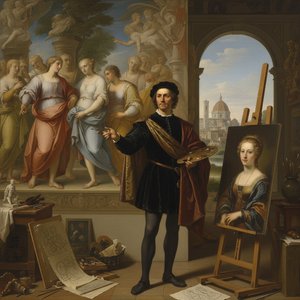
Andrea del Sarto: Florentine Grace, Technical Mastery & Artistic Ambition
Explore the life & art of Andrea del Sarto, a Florentine Renaissance master renowned for harmonious compositions & technical brilliance. Discover his frescoes, portraits, and lasting influence on art history.

Kunsten at Bo Med Dig: Den Emotionelle Kraft i Et Skræddersyet Interiørfresko
Skab et unikt hjem med et håndmalet freskomaleri! Ekspertvejledning, skræddersyede designs & holdbare kvalitetsløsninger. Få inspiration og realiser din drømmevæg hos os.

Freskoen som Familiens Arv: Bevar Din Historie på Væggene
Bevar din families historie med smukke, håndmalede vægmalerier og freskoer. Få professionel rådgivning & skræddersyede kunstværker hos – kvalitet og ekspertise garanteret!

The Enduring Legacy of Fresco: Technique, History & Artistic Expression Across Cultures
Explore the rich history & enduring legacy of fresco painting! Discover ancient techniques, Giotto's masterpieces, and modern applications. Expert insights for art lovers & professionals.

The Enduring Legacy of Fresco Painting: Techniques, History & Contemporary Relevance
Explore the rich history & enduring artistry of fresco painting – from Giotto to Michelangelo! Discover techniques, conservation efforts, & modern applications. Learn how OriginalUniqueArt brings this timeless art form to your home.