 Del som kort
 Del
Del
 Detaljer
 Guide
Guide

 Download
 Lignende værker
 Diasshow
 Spørgsmål og svar
 Statistikker
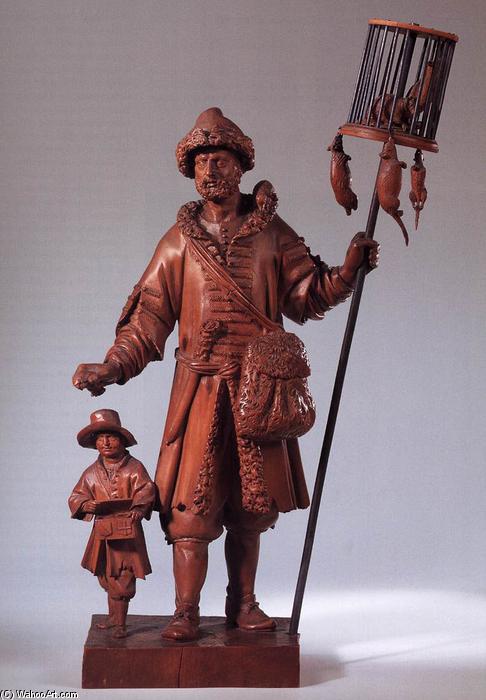
Ratcatcher


 Vis mere
Giclée / Kunsttryk
Giclée- eller lærredstryk i museumskvalitet med hurtig produktion og fleksible muligheder for finish. ( Køb håndmalet maleri Skift til digitalt billede)




































Vælg mellem vores forudindstillede størrelser, der matcher kunstværkets originale proportioner.

Indtast den bredde og højde, du har brug for, så det passer til din ramme eller din væg. Et print kan kun beskæres, aldrig gøres større end selve billedet, så en størrelse med et andet format vil medføre, at dele af motivet går tabt. Vi sender dig en digital mockup til godkendelse, før vi printer noget. Billedet vist på denne side viser ikke den faktiske beskæring — det er kun mockuppen, der gør.
Verdensomspændende levering () på 2 uger i stedet for de sædvanlige 4/5 uger. (4 november)

Gratis ekspresforsendelse til hele verden

Lærred af linned i høj kvalitet

Fuld transportforsikring

Garanti for refusion af told og importafgifter

Garanti for præcis farvegengivelse

100 dages returret ved fabrikationsfejl

100% fuld returret

Mængderabat ved flere køb
 Glasmulighed er kun tilgængelig i størrelser under 110 cm

Ratcatcher
Giclée / Kunsttryk
Størrelse på reproduktion
-


Samlet pris
Dkr 540
Ambrosius van Swol: En Stilren Skildring av Barokken
Ambrosius van Swol (c. 1640 – 1680) är en konstnär vars namn ofta förblir i skuggorna jämfört med sina samtida—konstnärer som Rembrandt och Vermeer—men hans betydelse inom holländsk barockskulptur förtjänar erkännande som ett exempel på konstnärlig innovation inom en epok präglad av praktfullhet och dramatisk uttryck. Född i Utrecht, Nederländerna, är Van Swols livsövrigt detaljerade sparsamt dokumenterade vilket lämnar mycket till spekulation om hans tidiga år och första konstnärliga ambitioner. Trots detta bekräftas hans etablering som skulptör och ramtillverkare omkring 1643, vilket markerar början på en produktiv karriär som spände över nästan fyra decennier. Hans verk är ett fascinerande vittnesmål om den konstnärliga atmosfären i Utrecht under hans tid och visar hur skulptörer lyckades kombinera teknisk skicklighet med humanistiska ideal.- Första Karriären och Mäktiga Patroner: Van Swols initiala uppdrag fokuserade främst på att skapa utsökta ramar för målningar—en avgörande aspekt av den visuella kulturen i Utrecht under hans tid. Dessa ramar var inte bara dekorativa; de var noggrant utformade för att förstärka ljusstyrkan och färgpaletten hos konstverk, vilket återspeglar en sofistikerad förståelse för optik och konstnärliga estetiska principer. Dokumentation visar att han arbetade under mäktiga familjer som Van Loon-klanen, vars överdådiga egendomar tjänade som centrum för konstnärlig aktivitet. Detta vittnar om en tid då konstverk skulle kompletteras av ramar för att skapa ett komplett och imponerande visuellt intryck.
- ”Ratcatchern”: Ett Dramatiskt Ögonblick i Konsthistorien Van Swols mest kända verk är ”Ratcatchern”, som idag finns på Museum Van Loon. Detta fantastiska mästerverk från 1660 exemplifierar barockens kärna—dramatisk realism och känslomässig intensitet. Skulptören fångade perfekt rörelse och gestus för att skapa ett konstverk som är både tekniskt imponerande och emotionellt engagerande. Det är en skildring av en jägare som försöker fånga ett möte med ett däggdjur, vilket visar på hans förmåga till detaljrikedom och hans engagemang för att föra fram mänskliga figurer med exceptionell precision.
Spørgsmål og svar
Hvad forestiller "Ratcatcher", og hvilken stemning formidler den?
"Ratcatcher" af Ambrosius Van Swol skildrer baroque sculpture, dutch golden age, rat catcher scene, human anatomy, religious symbolism, sculptural realism, xvii century art i en Elegant stemning. Motiv og atmosfære beskriver tilsammen værket.
Hvilken farve træder mest frem i "Ratcatcher"?
Espresso (#3f1e20) er den dominerende farve i "Ratcatcher" af Ambrosius Van Swol.
Hvordan kan jeg se en forhåndsvisning af en reproduktion af "Ratcatcher" af Ambrosius Van Swol?
Siden Forhåndsvisning for "Ratcatcher" giver dig mulighed for at se en forhåndsvisning af kunstværket, før du bestiller.
Kunstnerbiografi
The Silent Sculptor of Utrecht
In the golden twilight of the Dutch seventeenth century, amidst the bustling workshops of Utrecht, lived a master whose hands shaped both the boundaries of art and the figures within them. Ambrosius van Swol (c. 1640 – 1680) remains a figure shrouded in a certain poetic obscurity, a name whispered alongside the giants of his era like Rembrandt and Vermeer, yet possessing a distinct, tactile legacy. While history often favors the sweeping narratives of painters, Van Swol carved a niche for himself through a dual mastery of the frame and the form. His early documented career, beginning around 1643, reveals an artist deeply embedded in the visual fabric of his city, serving as both a meticulous frame maker and a sculptor of profound anatomical insight.
To understand Van Swol is to understand the importance of the threshold. In his early years, he was renowned for crafting ornate frames that were far more than mere borders; they were essential extensions of the masterpieces they held. These gilded and carved enclosures were designed with a sophisticated grasp of optics, intended to enhance the luminosity and color palettes of the era's great paintings. Through this work, Van Swol developed an intimate relationship with light and shadow, a sensitivity that would later breathe life into his three-dimensional creations.
A Mastery of Form and Drama
As his career matured, Van Swol’s true sculptural voice emerged, characterized by the dramatic realism and emotional intensity synonymous with the Baroque style. His most celebrated achievement, “The Rat-Catcher,” stands as a testament to this period of creative flowering. Executed around 1660, this remarkable piece transcends simple depiction to offer a visceral glimpse into the grit and determination of everyday life. The sculpture captures a moment of focused tension, where the musculature of the figure—particularly the straining arms of the catcher—is rendered with an unparalleled accuracy that speaks to his deep study of human anatomy.
This work was not born in isolation but was part of a rich dialogue with the broader Dutch artistic landscape. Van Swol’s sculptural vision aligned closely with the naturalism and expressive dynamism championed by Albert Vinckenbrinck, another prominent Utrecht sculptor. There is a palpable sense of movement and life in his figures, an attempt to freeze a singular, breathless moment of action within the permanence of stone or bronze. His ability to convey complex human emotions through physical form allowed him to bridge the gap between the decorative and the profound.
Legacy and Historical Significance
Though his life was relatively short, ending in 1680, the impact of Van Swol’s craftsmanship left an indelible mark on the Utrecht school. His work often drew inspiration from the evocative imagery found in the etchings of Rembrandt, particularly the themes of common laborers and the dramatic interplay of light. By translating the graphic energy of printmaking into the physical weight of sculpture, he contributed to a unique synthesis of mediums that defined the Dutch Golden Age.
Today, the remnants of his brilliance can still be found in prestigious collections, such as Museum Van Loon, where his work continues to invite contemplation. His legacy is defined by several key contributions:
- The Art of the Frame: Elevating the decorative border into a vital component of the viewing experience through an advanced understanding of light and aesthetics.
- Baroque Realism: Bringing a heightened sense of anatomical truth and emotional urgency to small-scale sculpture.
- Cultural Integration: Connecting the sculptural traditions of Utrecht with the broader, world-renowned influences of the Dutch masters.
Ambrosius van Swol may be remembered as a "silent" sculptor, yet his work speaks with a resounding clarity, reminding us that the true essence of art often lies in the meticulous details and the profound strength found in the most humble of subjects.

Ambrosius Van Swol
1640 - 1680 , Netherlands
Kort om kunstneren
- Full Name: Ambrosius van Swol
- Nationality: Dutch
- Date Of Birth: 1640
- Date Of Death: 1680
- Place Of Birth: Utrecht, Netherlands
- Notable Artworks: ['The Rat-Catcher']
- Artistic Movement Or Style: Baroque
- Artists Who Influenced This Artist: ['Albert Vinckenbrinck']
- Artists Or Movements Influenced By This Artist: ['Vincent Van Gogh']
Relaterede artikler

Illuminating Innovation: Exploring the Dutch Golden Age of Painting
Explore the Dutch Golden Age of painting with OriginalUniqueArt. Discover Rembrandt, Vermeer & other Masters. Learn about key characteristics, iconic artworks, and lasting influence. Expert insights for collectors & enthusiasts.

Golden Age Reflections: Dutch Baroque Painting & Cultural Innovation
Explore the Dutch Golden Age of painting! Discover key artists like Vermeer & ter Borch, their innovative techniques, and the rich cultural context behind these Baroque masterpieces. Learn about collecting & appreciating this iconic art period.

Hollandske Mestre: Top 10 Værker fra Guldalderen – Kunst til Dit Hjem
Oplev de 10 mest ikoniske værker fra den hollandske guldalder! Rembrandt, Vermeer og andre mestre afsløres. Find inspiration til dit hjem & køb museumskvalitets kunsttryk på OriginalUniqueArt.com.

Golden Light & Dutch Skies: The Timeless Magic of Dutch Golden Age Landscapes
Discover the breathtaking beauty of Dutch Golden Age landscapes. Explore the mastery of light, chiaroscuro, and 17th-century realism through an expert art history lens, celebrating the enduring legacy of the Dutch Masters for discerning collectors and art lovers.

Chiaroscuro and Character: A Definitive Guide to Light and Shadow in the Dutch Baroque Era
Explore the dramatic mastery of the Dutch Baroque era. Discover how masters like Rembrandt used chiaroscuro to transform everyday life into timeless art. An expert guide for collectors and enthusiasts seeking to understand the profound interplay of light and shadow.
