
 Se i rummet
 Send
Send Del
Del
 Detaljer
 Studieguide til kunstværker

 Download
 Lignende værker
 Røntgenundersøgelse
 Se diasshow
 Statistik
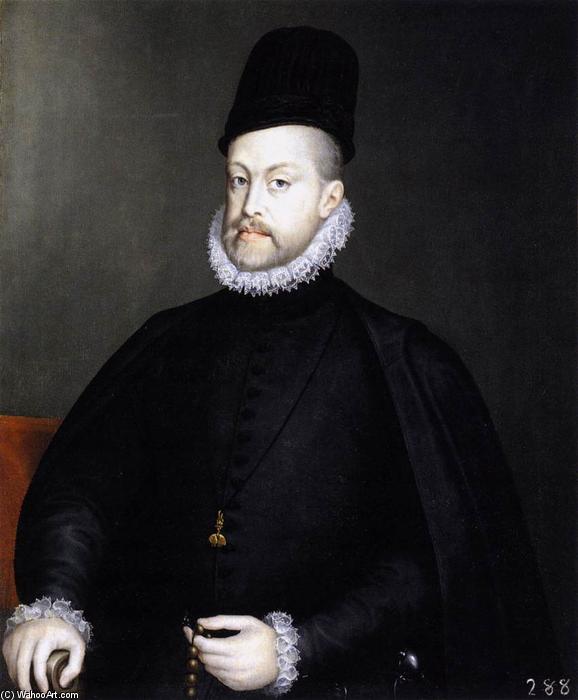
Philip II Holding a Rosary
 Oil On Canvas
- WallArt
- Renaissance
 1573
1573 88.0 x 72.0 cm
 Pradomuseet
 Læs mere
Giclée / Kunsttryk
Giclée- eller lærredstryk i museumskvalitet med hurtig produktion og fleksible muligheder for finish. ( Bestil håndmalet reproduktion Skift til digitalt billede)




P118B $10

P118H $10

P118W $10

P438Z $10

P508JH $12

P508YH $12

P805H $10

P805Z $10

P919BZ $10

P919G $10

P919XJ $10

P959ZH $10

P968JZ $12

W106C $8

W218G $10

W218JH $8

W218Y $10

W307PJ $10

W316G $10

W316PJ $8

W316Y $10

W398PJ $8

W4111J $10

W500HY $15

W500JH $15

W692G $12

W849H $8

W940BG $15

W953PJ $8




Vælg mellem vores forudindstillede størrelser, der matcher kunstværkets originale proportioner.

Du kan indtaste dine egne mål for at passe til en specifik ramme eller et bestemt område. Hvis den valgte størrelse ikke stemmer overens med det originale billedes proportioner, vil vi enten beskære kunstværket eller udvide billedet med en spejlet eller ensfarvet kant. En digital mockup vil blive sendt til din godkendelse, før produktionen påbegyndes.
Bemærk venligst, at forhåndsvisningen på skærmen ikke afspejler den faktiske beskæring eller udvidelse. Kun mockuppen vil nøjagtigt vise den endelige komposition.
Selvom specialmål er tilgængelige, anbefaler vi at vælge et mål fra den foruddefinerede liste for at bevare de originale proportioner.
Verdensomspændende levering () på 2 uger i stedet for de sædvanlige 4/5 uger. (27 september)

Gratis ekspresforsendelse til hele verden

Lærred af linned i høj kvalitet

Komplet transportforsikring

Garanti for refusion af told og importafgifter

Garanti for autentisk farvegengivelse

100 dages returret ved fabrikationsfejl

100% fuld returret

Mængderabat ved flere køb
 Glasmulighed er kun tilgængelig i størrelser under 110 cm

Philip II Holding a Rosary
Giclée / Kunsttryk
Reproduktionsstørrelse
-


Samlet pris
$ 81
The Majesty of Authority: Alonso Sánchez Coello’s ‘Philip II Holding a Rosary’
Alonso Sánchez Coello's “Philip II Holding a Rosary,” painted in 1573, is more than just a portrait; it’s a meticulously crafted embodiment of royal power and deeply rooted religious devotion within the turbulent landscape of late 16th-century Spain. The painting immediately commands attention with its dramatic lighting – a stark chiaroscuro emanating from the upper left corner that sculpts Philip II's face, highlighting his prominent nose, thoughtful gaze, and the weighty folds of his velvet doublet. This masterful use of light isn’t merely aesthetic; it serves to elevate the king, casting him in a position of solemn authority against a subtly rendered, almost impenetrable background.
Coello, working within the established traditions of Flemish objectivity and Venetian sensuality – a synthesis he uniquely embodied – has created an image that is both strikingly realistic and imbued with symbolic weight. The subject’s attire—the rich black velvet, the lace cuffs, the elaborate brooch— speaks volumes about his status as ruler of a vast empire, reflecting the opulence and grandeur associated with the Spanish court. Yet, it's the central element – the rosary held in his hand – that anchors the portrait to a profound spiritual dimension. This isn’t simply an accessory; it represents Philip II’s commitment to Catholicism, a cornerstone of his reign and a vital tool for maintaining control over both his subjects and the Church itself.
A Masterclass in Renaissance Technique
The painting's execution reveals Coello’s exceptional skill as a painter. He employs a meticulous approach, utilizing layered brushstrokes to build texture and depth – particularly evident in the fabric of the doublet and the intricate details of the beard. The use of oil paints allows for subtle gradations of color and a remarkable level of realism, capturing not just the likeness of Philip II but also his personality—a sense of quiet contemplation and regal bearing. The sharp lines defining the face and clothing are balanced by softer transitions in the drapery, creating a harmonious blend of precision and fluidity. The composition is carefully balanced, with the figure occupying the central vertical axis, reinforcing his dominance within the frame.
- Medium: Oil on Canvas
- Size: 88 x 72 cm
- Date: 1573
Historical Context and Royal Symbolism
To fully appreciate “Philip II Holding a Rosary,” it’s crucial to understand the historical context in which it was created. Spain under Philip II was at the height of its imperial power, yet also grappling with internal challenges – religious conflict, economic instability, and the looming threat of external enemies. The king's unwavering commitment to Catholicism served as both a unifying force and a justification for his expansive empire. The rosary itself became a potent symbol of this faith, representing Philip II’s piety and his role as protector of the Catholic Church.
Furthermore, the portrait reflects the prevailing artistic trends of the Renaissance – a renewed interest in classical ideals combined with a fascination with humanism and realism. Coello's work exemplifies this synthesis, creating an image that is both aesthetically pleasing and intellectually stimulating. The inclusion of details like the Golden Fleece emblem on his hat further reinforces his status as a powerful ruler, linking him to the legacy of past monarchs and the grandeur of the Spanish Empire.
A Timeless Portrait of Power and Faith
“Philip II Holding a Rosary” is more than just a historical document; it’s a compelling work of art that continues to resonate with viewers today. The painting's dramatic composition, masterful technique, and profound symbolism combine to create an image of enduring power and beauty. It offers a glimpse into the mind of one of Spain’s most influential monarchs and provides a poignant reflection on the intersection of faith, authority, and artistic expression. Reproductions of this iconic portrait remain highly sought after by collectors and interior designers alike, offering a chance to bring a touch of Renaissance majesty into any space.
Om kunstneren
Tidligt liv og uddannelse
- Født: Benifaió, Spanien (1531)
- Brugte sin barndom nær Valencia indtil sin fars død.
- Omkring 1541/4
- Studerede hos Anthonis Mor (Antonio Moro) i Flandern omkring 1550.
- Modtog mæcenat fra Antoine de Granville, biskop af Arras, som også var mæcen for Mor.
Karriere ved det spanske hof
- Arbejdede for den portugisiske kongefamilie og senere ved hoffet hos João Manuel, prins af Portugal.
- Flyttede til det spanske hof under Filip 2. i 1555, anbefalet af Juana, søster til Filip 2.
- Blev hofmaler i 1560.
- Giftede sig med Louisa Reyaltes, datter af en guldsmed, omkring 1560/61.
- Hans datter, Isabel Sánchez, blev også maler og assisterede i hans værksted.
- Flyttede med hoffet til Toledo og bosatte sig i Madrid i 1561.
Kunstnerisk stil og indflydelse
- Stil: Kombinerede flamsk objektivitet med venetiansk sensualitet.
- Indflydelser: Primært påvirket af Anthonis Mor og Tizian.
- Lærte præcision fra Mor.
- Inkorporerede venetianske gyldne toner, generøst håndværk og brugen af lys fra Tizian.
- Kendt for portrætter præget af ubesværet positur, værdighed, nøgternhed og varme farver.
Vigtige værker og bedrifter
- Producerede både portrætter og religiøse malerier.
- De religiøse værker var konventionelle, men udviser en asketisk stil.
- Bemærkelsesværdige portrætter:
- Filip 2. med rosenkrans (1573)
- Portrætter af Infanta Isabel Clara Eugenia (1571)
- Serie af malerier, der forestiller Filip 2.s børn.
- Dobbeltportræt af infantaerne Isabella Clara Eugenia og Catalina Micaela (1568–9).
- Malte religiøse værker til El Escorial.
- Producerede en topografisk visning af Sevillas havn.
Eftermæle og historisk betydning
- Hans ry som portrætmaler er blevet kompliceret af talrige kopier og efterligninger.
- Betragtes som en betydningsfuld skikkelse i den spanske renæssancekunst, især for sine hofportrætter.
- Hans arbejde påvirkede senere kunstnere, herunder Velázquez, hvad angår gengivelsen af teksturer som rustninger og draperier.
- Døde i Madrid den 8. august 1588.

Alonso Sánchez Coello
1531 - 1588 , Spanien
Hurtige fakta
- Artistic Movement Or Style: Spansk renæssance
- Artists Or Movements Influenced By This Artist:
- Juan Pantoja de la Cruz
- Felipe de Liaño
- Artists Who Influenced This Artist:
- Anthonis Mor
- Tizian
- Date Of Birth: ca. 1531
- Date Of Death: 1588
- Full Name: Alonso Sánchez Coello
- Nationality: Iberisk
- Notable Artworks:
- Filip 2. holder en rosenkrans
- Portræt af en dame
- Anna af Østrig
- Don Juan af Østrig
- Katarina af Østrig, dronning
- Place Of Birth: Benifaió, Spanien
Relaterede artikler

The Golden Age Reforged: Dramatic Realism & Religious Zeal in Spanish Baroque Art
Explore the dramatic world of Spanish Baroque art! Discover masters like Zurbarán & the powerful influence of religious zeal on painting techniques – a guide for collectors and enthusiasts.
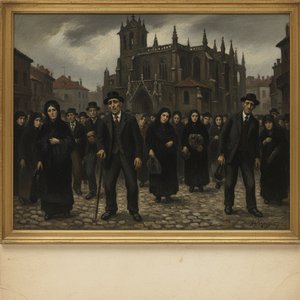
José Gutiérrez Solana: A Chronicle of Spanish Society Through Expressionist Vision
Explore the captivating world of José Gutiérrez Solana, a pivotal Spanish Expressionist painter. Discover his haunting depictions of early 20th-century Spain, influenced by Goya & El Greco. Learn about his key works and lasting legacy.

Mastering the Shadows: A Journey Through the Chiaroscuro and Soul of Iconic Spanish Painting
Embark on a sophisticated exploration of Spanish art history, from the chiaroscuro mastery of Velázquez to the profound shadows of Goya. Discover how the dramatic light and emotional depth of Spain's greatest masters continue to inspire collectors and connoisseurs today.
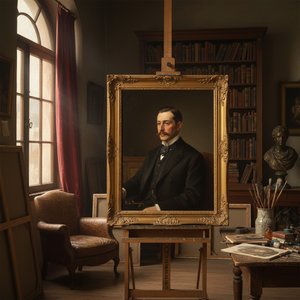
Rafael de Penagos: A Study in Spanish Portraiture & Artistic Identity
Explore the life & art of Rafael de Penagos, a leading Spanish Art Deco illustrator. Discover his iconic 'Penagos Woman', commercial work, and lasting legacy. Learn about this pivotal figure in 20th-century Spanish art history.
Museo del Prado: Top 25 Kunstværker – Mestre, Historier & Inspiration til Dit Hjem
Oplev top 25 kunstværker fra Museo del Prado i Madrid! Dyk ned i Velázquez, Goya og El Grecos mesterværker. Find inspiration til din indretning & køb museumskvalitets reproduktioner online hos OriginalUniqueArt.com.
