

 Se i rummet
 Send
Send Del
Del
 Detaljer
 Studieguide til kunstværker

 Download
 Lignende værker
 Røntgenundersøgelse
 Se diasshow
 Statistik
Orestes


 Læs mere
Giclée / Kunsttryk
Giclée- eller lærredstryk i museumskvalitet med hurtig produktion og fleksible muligheder for finish. ( Bestil håndmalet reproduktion Skift til digitalt billede)




P118B Dkr10

P118H Dkr10

P118W Dkr10

P438Z Dkr10

P508JH Dkr12

P508YH Dkr12

P805H Dkr10

P805Z Dkr10

P919BZ Dkr10

P919G Dkr10

P919XJ Dkr10

P959ZH Dkr10

P968JZ Dkr12

W106C Dkr8

W218G Dkr10

W218JH Dkr8

W218Y Dkr10

W307PJ Dkr10

W316G Dkr10

W316PJ Dkr8

W316Y Dkr10

W398PJ Dkr8

W4111J Dkr10

W500HY Dkr15

W500JH Dkr15

W692G Dkr12

W849H Dkr8

W940BG Dkr15

W953PJ Dkr8




Vælg mellem vores forudindstillede størrelser, der matcher kunstværkets originale proportioner.

Indtast den bredde og højde, du har brug for, så det passer til din ramme eller din væg. Et print kan kun beskæres, aldrig gøres større end billedet, så en størrelse med en anden form vil miste en del af motivet. Vi sender dig en digital mockup til godkendelse, før vi printer noget. Billedet vist på denne side viser ikke den faktiske beskæring — det er kun mockuppen, der gør.
Verdensomspændende levering () på 2 uger i stedet for de sædvanlige 4/5 uger. (21 oktober)

Gratis ekspresforsendelse til hele verden

Lærred af linned i høj kvalitet

Komplet transportforsikring

Garanti for refusion af told og importafgifter

Garanti for autentisk farvegengivelse

100 dages returret ved fabrikationsfejl

100% fuld returret

Mængderabat ved flere køb
 Glasmulighed er kun tilgængelig i størrelser under 110 cm

Orestes
Giclée / Kunsttryk
Reproduktionsstørrelse
-


Samlet pris
Dkr 528
A Portrait of Psychological Turmoil
In the hallowed halls of the Musée des Beaux-Arts in Béziers, there exists a canvas that breathes with the heavy, restless energy of a soul in conflict. Alexandre Cabanel’s Orestes, completed in 1846, is far more than a mere recitation of Greek mythology; it is a profound exploration of human vulnerability and the weight of destiny. The painting captures the mythological hero at a moment of intense internal struggle, his form partially draped in fabric that clings to him like the very shadows of his fate. As he reclines, his gaze and gesture directed toward an unseen presence off-camera, the viewer is pulled into a silent dialogue of tension and anticipation. This is not just a scene from antiquity, but a window into the universal experience of facing one's own shadows.
The composition is a masterclass in the Beaux Arts aesthetic, where classical perfection meets the raw, emotive power of Romanticism. Cabanel, a student of the rigorous François-Édouard Picot, utilizes the disciplined anatomical precision of the academic tradition to ground his subject in reality. Yet, he transcends mere representation through his masterful use of chiaroscuro. The dramatic interplay between light and dark serves to sculpt the central figure, illuminating the muscular grace of his torso and the delicate crown of leaves upon his head, while simultaneously swallowing the surrounding figures into a murky, contemplative gloom. This technique creates a palpable sense of volume and texture, making the skin appear soft yet resilient, and the atmosphere thick with an almost suffocating sense of unease.
The Intersection of Myth and Emotion
To understand Orestes, one must look to the cultural currents of mid-19th century France. During this era, the Romantic movement was beginning to challenge the rigid, often sterile formalism of Neoclassicism, favoring instead the sublime, the imaginative, and the deeply psychological. Cabanel captures this transition perfectly. While the subject matter—the tragic hero Orestes—is rooted in the classical canon, the execution is steeped in the emotional fervor of his time. The painting reflects a fascination with the complexities of morality and the inescapable nature of fate, themes that resonated deeply with an audience navigating their own era of profound social and political shifts.
Every element within the frame contributes to this narrative of tension. The presence of secondary figures in the background, partially obscured by shadow, suggests a world watching, judging, or perhaps waiting for the hero's next move. The inclusion of classical artifacts, such as the ancient vases and the bowl positioned near the edge of the scene, provides a sense of historical weight and ritualistic importance. For the collector or the interior designer, this piece offers more than just visual beauty; it offers a focal point of intellectual and emotional depth. A high-quality reproduction of Orestes brings into a contemporary space a sense of timeless drama and a sophisticated appreciation for the mastery of French Academic Realism, making it an ideal centerpiece for those who seek art that speaks to the complexities of the human condition.
Spørgsmål & svar
Hvilken farvemætning har "Orestes" af Alexandre Cabanel?
"Orestes" af Alexandre Cabanel er gengivet med en Muted mætning.
Hvor gammel var Alexandre Cabanel, da "Orestes" blev skabt?
Alexandre Cabanel var 23 år gammel, da vedkommende skabte "Orestes" i 1846. Alderen er beregnet ud fra kunstnerens fødselsår, 1823.
Hvad foreslås der at bruge "Orestes" af Alexandre Cabanel til?
Den foreslåede anvendelse af "Orestes" af Alexandre Cabanel er Statement. Den kan dog også tjene andre formål.
Om kunstneren
Alexandre Cabanel: En Klassisk Konstnärs Liv och Verk
Alexandre Cabanel (født 28 september 1823 i Montpellier, död 23 januari 1889 i Paris) var en fransk målare som är mest känd för sin klassiska stil och sina imponerande historiebilder. Han föddes till ett enkelt hantverkarskap och utvecklade tidigt ett stort konstnärligt talent vilket säkerställde honom en värdefull utbildning vid École des Beaux-Arts i Paris där han studerade under François-Édouard Picot, själv elev av Jacques-Louis David. Detta samarbetes betydelse för den klassiska konstens utveckling är enorm och Cabanel skulle komma att vara en av sina samtida mest framgångsrika konstnärer.- Tidig Utbildning och Första Framgångar
- Romårigheterna och Klassisk Inspiration
- Salonernas Era och Kritikens Röster
- Venus Födsel: Ett Verk av Perfektion
- Eftermäle och Påverkan på Nästa Generation Konstnärer
Tidig Utbildning och Första Framgångar
Cabanel började sin konstnärliga resa redan i ung ålder när han fick ett stipendium för att studera vid École des Beaux-Arts i Paris. Detta gav honom tillgång till en omfattande utbildning inom klassisk konsthistoria och teknik, vilket skulle forma hans konstnärliga vision genom hela livet. Hans första målningar visar redan en imponerande förmåga till detaljrikedom och ett djupgående förståelse för klassiska kompositioner och färger. Han var särskilt inspirerad av Jacques-Louis David och Picots undervisning, vilket säkerställde honom en grundlig utbildning inom den samtida konstnärliga världen. Detta första steg på Cabanels konstnärliga väg skulle komma att vara avgörande för hans framtida utveckling och skapa förutsättningarna för hans senare klassiska mästerverk. Som elev vid École des Beaux-Arts fick han också möjlighet att studera tillsammans med andra begåvade konstnärer, vilket främjade en kreativ atmosfär och bidrog till hans konstnärliga utveckling. Detta samarbetes betydelse är enorm och Cabanel skulle komma att vara en av sina samtida mest framgångsrika konstnärer.Romårigheterna och Klassisk Inspiration
Efter att ha vunnit Prix de Rome stipendiet 1845, åldersmässigt endast 22 år, förflyttade Cabanel sig till Rom där han studerade intensivt klassiska konstverk och tekniker. Detta var en avgörande erfarenhet som skulle påverka hans konstnärliga stil och världsbild genom hela livet. Han absorberade lärdomar från mästarna Michelangelo och Rafael och utvecklade ett särskilt starkt intresse för klassisk skönhet och proportioner. Cabanel använde sina år i Rom till att skapa verk som återspeglar denna klassiska inspiration, vilket skulle komma att präglas av elegans och detaljrikedom. Detta första steg på Cabanels konstnärliga väg skulle komma att vara avgörande för hans senare klassiska mästerverk och skapa förutsättningarna för hans utveckling till en av de mest framgångsrika konstnärerna inom den akademiska traditionen. Hans studier i Rom gav honom också möjlighet att träffa andra konstnärer och forskare, vilket främjade ett kreativt klimat och bidrog till hans konstnärliga utveckling. Detta samarbetes betydelse är enorm och Cabanel skulle komma att vara en av sina samtida mest framgångsrika konstnärer.Salonernas Era och Kritikens Röster
Cabanel återvände till Paris och etablerade sig snabbt som en ledande figur inom Salon systemet, vilket var den officiella konstutställningen av Académie des Beaux-Arts. Hans verk vann konstant beröm för sin tekniska briljans och eleganta kompositioner och blev särskilt uppmärksam när han skapade Venus Födsel 1863. Detta mästerverk väckte dock också kritik från vissa konstkritiker som hävdade att det var överdrivet sensuellt eller saknade originalitet. Trots denna kritik förblev Cabanel en av de mest eftertraktade konstnärerna och hans verk fortsatte att vara populära bland samlare och offentligheten. Detta första steg på Cabanels konstnärliga väg skulle komma att vara avgörande för hans senare klassiska mästerverk och skapa förutsättningarna för hans utveckling till en av de mest framgångsrika konstnärerna inom den akademiska traditionen. Han var också aktivt engagerad i konstnärslivet och arbetade nära andra konstnärer och kritiker, vilket främjade ett kreativt klimat och bidrog till hans konstnärliga utveckling. Detta samarbetes betydelse är enorm och Cabanel skulle komma att vara en av sina samtida mest framgångsrika konstnärer.Venus Födsel: Ett Verk av Perfektion
Venus Födsel är Cabanels mest berömda verk och anses vara ett exempel på klassisk konstnärlighet i sin högsta punkt. Detta mästerverk, som finns i Musée d'Orsay och Metropolitan Museum of Art, föreställer gudinnan Venus som uppstår från havet efter syndefaldet och är präglad av en imponerande teknisk briljans och detaljrikedom. Cabanel använde sina färdigheter till perfektion för att skapa ett verk som återspeglar klassiska idéer om skönhet och harmoni och blev omedelbart uppmärksam när det presenterades på Salon 1863. Venus Födsel är ett exempel på Cabanels förmåga att skapa bilder som är både tekniskt felfria och estetiskt tilltalande och har inspirerat många andra konstnärer genom historien. Detta första steg på Cabanels konstnärliga väg skulle komma att vara avgörande för hans senare klassiska mästerverk och skapa förutsättningarna för hans utveckling till en av de mest framgångsrika konstnärerna inom den akademiska traditionen. Detta verk är ett exempel på Cabanels förmåga att skapa bilder som är både tekniskt felfria och estetiskt tilltalande och har inspirerat många andra konstnärer genom historien.Eftermäle och Påverkan på Nästa Generation Konstnärer
Cabanel fortsatte sin konstnärliga verksamhet fram till sin död 1889 och blev professor vid École des Beaux-Arts där han utbildade många framgångsrika konstnärer som för vidarebär klassisk konsttradition. Hans verk är fortfarande upptäckta av konsthistoriker och samlare och hans stil har haft ett bestående inflytande på senaregående konstnärliga utvecklingar inom den akademiska världen. Alexandre Cabanel är en ikon inom fransk konsthistoria och hans mästerverk kommer att fortsätta att inspirera kommande generationer konstnärer och forskare."
Alexandre Cabanel
1823 - 1889 , Frankrig
Hurtige fakta
- Artistic Movement Or Style: Akademisk kunst
- Artists Who Influenced This Artist:
- Jacques-Louis David
- François-Édouard Picot
- Date Of Birth: 28 september 1823
- Full Name: Alexandre Cabanel
- Nationality: Fransk
- Notable Artworks:
- Venus Fødsel
- St. John the Baptist
- The Death of Moses
- Place Of Birth: Montpellier, Frankrig
Relaterede artikler

Mastering Perfection: A Definitive Guide to the Elegance and Precision of Academic Classicism
Discover the profound beauty of Academic Classicism. Explore the principles of order, anatomical precision, and the enduring legacy of Neoclassical masters through this expert guide to timeless elegance and technical perfection in fine art.

The Enduring Allure of the Nude: A Historical & Artistic Exploration of the Human Form
Explore the captivating history of nude art! Discover iconic paintings & artists from classical to modern eras. Uncover symbolism, techniques & find museum-quality reproductions at OriginalUniqueArt.

Mastering Perfection: A Definitive Guide to the Elegance and Precision of Academic Classicism
Explore the rigorous beauty of Academic Classicism. Discover the principles of order, precision, and historical reverence that define this timeless art movement through an expert guide to its enduring legacy and technical mastery.
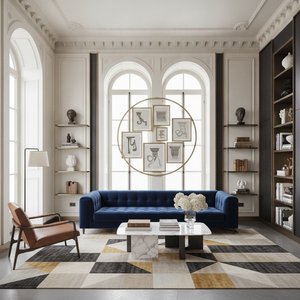
Beyond the Basics: The Power of Academic Classicism Reimagined for Modern Interiors
Discover the enduring power of Academic Classicism reimagined. Explore how technical mastery, light, and form from historical masterpieces can elevate modern interiors through premium, hand-painted oil reproductions and expert art consultation.
The Timeless Elegance of Academic Classicism: A Journey Through Order, Precision, and the Pursuit of Perfection
Explore the profound beauty of Academic Classicism. Discover how masters used order, precision, and classical ideals to achieve timeless perfection in art history, from Neoclassical portraits to the pursuit of ideal beauty.

