 Se i rummet
 Del som kort
 Del
Del
 Detaljer
 Guide
Guide

 Download
 Lignende værker
 Røntgenundersøgelse
 Diasshow
 Q&A
Q&A Statistikker
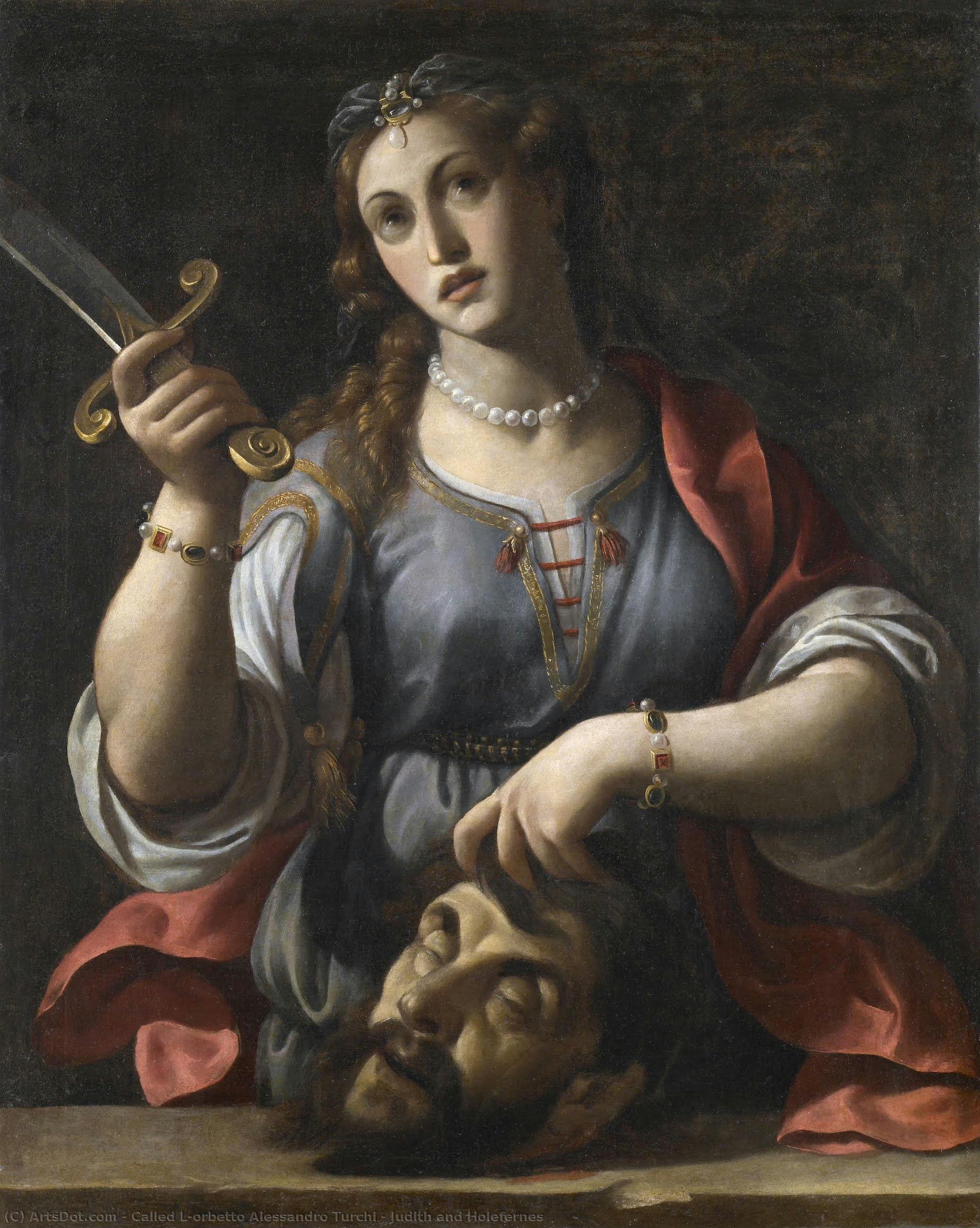
Judith and Holefernes


 Vis mere
Giclée / Kunsttryk
Giclée- eller lærredstryk i museumskvalitet med hurtig produktion og fleksible muligheder for finish. ( Køb håndmalet maleri Skift til digitalt billede)




P118B Dkr10

P118H Dkr10

P118W Dkr10

P438Z Dkr10

P508JH Dkr12

P508YH Dkr12

P805H Dkr10

P805Z Dkr10

P919BZ Dkr10

P919G Dkr10

P919XJ Dkr10

P959ZH Dkr10

P968JZ Dkr12

W106C Dkr8

W218G Dkr10

W218JH Dkr8

W218Y Dkr10

W307PJ Dkr10

W316G Dkr10

W316PJ Dkr8

W316Y Dkr10

W398PJ Dkr8

W4111J Dkr10

W500HY Dkr15

W500JH Dkr15

W692G Dkr12

W849H Dkr8

W940BG Dkr15

W953PJ Dkr8




Vælg mellem vores forudindstillede størrelser, der matcher kunstværkets originale proportioner.

Indtast den bredde og højde, du har brug for, så det passer til din ramme eller din væg. Et print kan kun beskæres, aldrig gøres større end selve billedet, så en størrelse med et andet format vil medføre, at dele af motivet går tabt. Vi sender dig en digital mockup til godkendelse, før vi printer noget. Billedet vist på denne side viser ikke den faktiske beskæring — det er kun mockuppen, der gør.
Verdensomspændende levering () på 2 uger i stedet for de sædvanlige 4/5 uger. (1 november)

Gratis ekspresforsendelse til hele verden

Lærred af linned i høj kvalitet

Fuld transportforsikring

Garanti for refusion af told og importafgifter

Garanti for præcis farvegengivelse

100 dages returret ved fabrikationsfejl

100% fuld returret

Mængderabat ved flere køb
 Glasmulighed er kun tilgængelig i størrelser under 110 cm

Judith and Holefernes
Giclée / Kunsttryk
Størrelse på reproduktion
-


Samlet pris
Dkr 538
A Masterpiece of Baroque Tension
In the shadowy corridors of art history, few moments capture the visceral intersection of violence and virtue as poignantly as Alessandro Turchi’s Judith and Holofernes. Painted around 1605, this monumental oil on canvas serves as a breathtaking window into the Roman Baroque era, a period defined by its theatricality and profound psychological depth. The scene depicts the climactic biblical moment where Judith, a Jewish heroine of unparalleled courage, executes the Assyrian king Holofernes to save her people from oppression. Turchi does not merely record a historical or religious event; he invites the viewer into a space of intense emotional confrontation, where the air feels heavy with the scent of iron and the weight of divine retribution.
The composition is masterfully anchored by Judith herself, whose presence dominates the foreground with an almost chilling composure. Clad in opulent fabrics—a pristine white blouse accented by crimson trim and draped in a flowing blue garment—she stands as a beacon of light against an indistinct, dark background. This use of chiaroscuro, the dramatic interplay between light and shadow, is a hallmark of Turchi’s style, drawing the eye irresistibly toward the central drama. As she holds aloft the severed head of her enemy, her expression remains remarkably steady, blending a sense of solemn duty with an unwavering resolve that transcends simple vengeance.
Technique and the Language of Light
To gaze upon this work is to witness the technical prowess of a Veronese master. Turchi employs a sophisticated layered oil painting technique, building up textures that make the tactile world of the painting feel palpable. One can almost feel the smoothness of the pearls adorning Judith’s neck and the heavy, luxurious folds of her drapery. The artist’s brushstrokes are deliberate and precise, used to render the gruesome reality of Holofernes’s demise with a realism that is both unsettling and beautiful. This balance between the grotesque and the graceful is what elevates the piece from a mere narrative illustration to a high-art triumph.
The lighting in the piece acts as a silent narrator, originating from above to cast dramatic shadows that define the contours of the figures and create a profound sense of volume. This light does more than illuminate; it sanctifies the act of resistance, casting Judith in a heroic glow while leaving the fallen king in the encroaching darkness of death. For collectors and interior designers, such a piece offers more than just visual interest; it provides a focal point of immense character, capable of anchoring a room with its sophisticated palette and commanding presence.
Symbolism and Lasting Emotional Resonance
Beyond the immediate shock of the decapitation, Judith and Holofernes is a rich tapestry of symbolic meaning. The severed head serves as a potent emblem of mortality and the inevitable defeat of tyranny, while Judith herself embodies the triumph of faith and justice over brute force. The jewelry and fine clothing she wears are not merely decorative; they represent the dignity of her cause and the grandeur of the moment, suggesting that even in the midst of carnage, there is a divine order being restored.
For those seeking to surround themselves with art that provokes thought and stirs the soul, Turchi’s vision offers an unparalleled experience. A high-quality reproduction of this work allows the drama of the Baroque to inhabit modern spaces, bringing a sense of history, gravity, and timeless elegance to any collection. It is a piece that demands attention, inviting continuous re-examination of its themes of courage, sacrifice, and the enduring struggle between light and shadow.
Spørgsmål og svar
Giver ophavsretten til "Judith and Holefernes" af Alessandro Turchi tilladelse til reproduktioner?
Originalen af "Judith and Holefernes" findes på Fondazione Brescia Musei, og værket er i det offentlige domæne – ophavsretten er udløbet.
Hvor intense er farverne i "Judith and Holefernes" af Alessandro Turchi?
Farveintensiteten i "Judith and Holefernes" er Monochromatic. Intensitet beskriver, hvor kraftige farverne fremstår.
Hvor høj er kontrasten i "Judith and Holefernes" af Alessandro Turchi?
"Judith and Holefernes" af Alessandro Turchi fremviser en Balanced kontrast mellem sine lyse og mørke områder.
Kunstnerbiografi
Alessandro Turchi: En Veronese Maestro i den Romerske Barok
Alessandro Turchi, kæmpet kjent som “L’Orbetto” – den lille urchin – var en central figur der broget de sene manieristiske traditioner i Verona med den spirende drama af den tidlige romerske barok. Han blev født i 1578 ind i en Verone, der var præget af kunstnerisk lidenskab, og hans rejse afspejler et fascinerende samspil mellem regionale stilarter og det magnetiske tiltræk fra Roms kunstneriske innovationer. Hans tidlige uddannelse under Felice Riccio (il Brusasorci), en fremtrædende veronese maler, lagde et solidt fundament i teknik og komposition. Denne lærerskab indgydede ham en præcis tilgang til form og en følsomhed over for farver, der ville karakterisere hans tidlige værker. Ved 1603 havde Turchi etableret sig som en uafhængig kunstner, hurtigt opnået anerkendelse for sin fremadstormende talent. En betydelig tidlig bestilling – organlåg til Accademia Filarmonica i Verona (1606-1609) – demonstrerede ikke kun hans tekniske dygtighed, men også hans alsidighed i at håndtere store dekorative projekter. Dette periode fastslog hans position inden for den veronese kunstscene, hvilket forberedte ham til et bredere kunstnerisk horisont.Fra Verona til Rom: En Blomstrende Karriere
Døden af Felice Riccio i 1605 udgjorde et vendepunkt. Turchi, sammen med Pasquale Ottino, trådte frem for at fuldføre flere lærers malerier, der var blevet efterladt uafsluttede, en handling, der yderligere skarperne hans færdigheder og cementerede hans ry inden for det kunstneriske samfund. Denne samarbejdsindsats var ikke blot om at afslutte eksisterende værker; det var en kritisk periode med læring og forfining, der tillod Turchi at absorbere Riccios stilistiske nuancer, samtidig med at han udviklede sin egen unikke stemme. Hans ambition førte ham snart ud over Verona. Ved 1616 havde han rejst til Rom, kunstens epicenter, hvor han hurtigt blev opslugt af den pulserende atmosfære af pavelig patronage og kunstnerisk konkurrence. Hans deltagelse i freskodekorationen af Sala Reggia i Quirinal Paladset – der forestillede Indsamlingen af Manna – markerede hans ankomst til den romerske scene. Denne bestilling bragte ham i kontakt med de førende kunstnere på det tidspunkt og udsatte ham for det dramatiske intensitet, der definerede den spirende barok stil. En særlig bemærkelsesværdig præstation under denne periode var *Christus, Magdalene og Engle*, bestilt af kardinal Scipione Borghese, en magtfuld patron kendt for sin skarpsindighed og støtte til kunstnerisk talent.En Syntese af Stilarter: Caravaggisme og Grace
Turchis kunstneriske stil er bemærkelsesværdigt distinkt – en overbevisende blanding af intensitet og blidhed. Selvom han var dybt påvirket af Carlo Cagliari og, vigtigst af alt, hans tidlige mentor Felice Riccio, kopierede han ikke blot deres stilarter. I stedet skabte han sin egen unikke vej, der adskilte ham fra sine samtidige. Caravaggismens indflydelse er uomtvisteligt; Turchi udnyttede mesterligt *chiaroscuro* – brugen af dramatisk lys og skygge – til at skabe en følelse af teater og følelsesmæssig dybde i sine malerier. I modsætning til nogle af Caravaggios mere skarpt realistiske fremstillinger, mildnede han denne intensitet med en lyrisk grace og en raffineret følsomhed over for farverne. Hans figurer har en skulpturel kvalitet, men er indgydet af en blid menneskelighed, der blødgør den dramatiske virkning. Denne evne til at balancere disse tilsyneladende modsatrettede kræfter – drama og delikathed – definerer hans kunstneriske signatur. Han brugte ofte sort marmor som baggrund i sine historiske scener, hvilket skabte en slående kontrast, der yderligere forstærkede kraften af hans kompositioner.Vigtige værker og arv
Turchis karriere i Rom var præget af mange bestillinger for de rige familier og kircher i byen. Han malede et imponerende ovalt panel som en del af dekorationen af Sala Regia i Palazzo del Quirinale, der forestillede Indsamlingen af Manna. I 1616 malede han et altrelieforarbejde for Santa Maria della Concezione dei Cappuccini, og i 1619 sendte han et altrelieforarbejde til Verona, der blev placeret ved siden af værker af Pasquale Ottino og Marcantonio Bassetti. Han fortsatte med at skabe religiøse og historiske malerier for forskellige kircher og familier i Rom, herunder *Bacchus og Ariadne* (Hermitage Museum, St. Petersburg), *Death of Marcantonio and Cleopatra* (Musée du Louvre, Paris) og *Cleopatra's Suicide*. I 1637 blev han udnævnt til "Principe" – direktør – af Accademia di San Luca, et vidnesbyrd om hans lederskab og kunstneriske autoritet i den romerske kunstverden. Han sluttede sig året efter til det prestigefyldte Paveakademi for Fine Kunstner og Bogtryk, kendt som Pontifical Academy of Fine Arts and Letters af Virtuosi al Pantheon, hvilket yderligere fastslog hans position blandt Roms elitekunstnere. Turchis bidrag til den tidlige barok kunst er nu anerkendt for deres dygtige blanding af dramatisk intensitet med en blid æstetisk sans. Hans overbevisende religiøse og historiske værker fortsætter med at fange seernes opmærksomhed, hvilket giver et glimt ind i den kunstneriske turbulens i det 17. århundrede i Italien. Han efterlod sig en arv ikke kun gennem sine malerier, men også gennem de kunstnere, han inspirerede, og sikrede at hans unikke vision ville bestå for kommende generationer.
Alessandro Turchi
1578 - 1649 , Italien
Kort om kunstneren
- Artistic Movement Or Style: Tidlig Barok
- Artists Or Movements Influenced By This Artist: ['Caravaggisme']
- Artists Who Influenced This Artist:
- Felice Riccio
- Carlo Cagliari
- Date Of Birth: 1578
- Date Of Death: 1649
- Full Name: Alessandro Turchi
- Nationality: Italiensk
- Notable Artworks:
- Assumption Alt.
- Christ & Mag.
- Dommedag
- Place Of Birth: Verona, Italien
Relaterede artikler

Chiaroscuro & Emotion: Capturing the Dramatic Soul of Baroque Art
Explore the profound drama of Baroque art. Discover how masters used chiaroscuro and intense emotion to capture the soul of the 17th century through light, shadow, and spiritual grandeur in this expert art history guide.

The Visceral Stage: Exploring Dramatic Narratives & Emotional Intensity in Baroque Art
Explore the dramatic world of Baroque art! Discover iconic masters like Caravaggio & Rembrandt, their techniques, and the movement's lasting impact. Expert insights for collectors & enthusiasts at OriginalUniqueArt.

The Dramatic Flourish: Exploring the Baroque Movement's Enduring Legacy in Art History
Explore the dramatic world of Baroque art! Discover iconic artists like Caravaggio & Rubens, defining techniques, and its lasting impact on art history. Expert insights for collectors & enthusiasts at OriginalUniqueArt.

Barokkens Mestre: Top 10 Kunstværker der Definerede en Æra | OriginalUniqueArt.dk
Oplev barokkens storhed! Dyk ned i 10 ikoniske kunstværker af Caravaggio, Rembrandt & Vermeer. Lær historierne bag mesterværkerne og find inspiration til din indretning med museumskvalitets reproduktioner på OriginalUniqueArt.com

Barokkens Drama: Hvordan Storhed og Emotion Bringes Ind i Moderne Interiører
Dyk ned i barokkunstens verden! Lær om stilens historie, karakteristika og hvordan du integrerer dens drama og elegance i dit moderne hjem. Inspiration & ekspertrådgivning.

