- Hjem

- Tryk på lærred
- Aldo Andreani
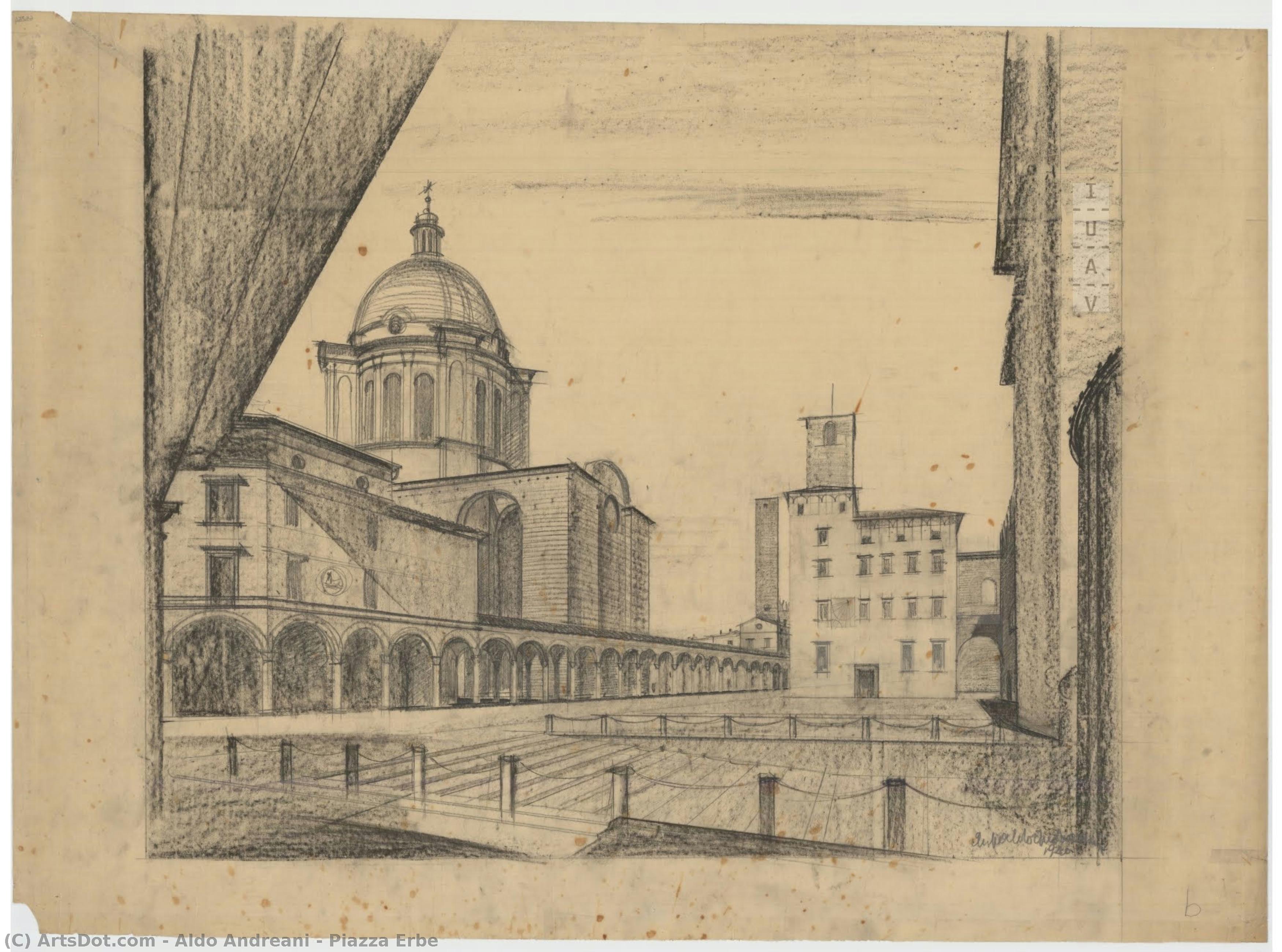
- Piazza Erbe
 Bestil maleri Køb højopløseligt billede
 Del
Del
 Del
Del
 Detaljer
 Tilføj til favoritter

 Download
 Lignende værker
 Røntgenundersøgelse
 Diasshow
Piazza Erbe

 Se mere
Giclée / Kunsttryk
Giclée- eller lærredstryk i museumskvalitet med hurtig produktion og fleksible muligheder for finish.




































Vælg mellem vores forudindstillede størrelser, der matcher kunstværkets originale proportioner.

Du kan indtaste dine egne mål for at passe til en specifik ramme eller et bestemt område. Hvis den valgte størrelse ikke stemmer overens med det originale billedes proportioner, vil vi enten beskære kunstværket eller udvide billedet med en spejlet eller ensfarvet kant. En digital mockup vil blive sendt til din godkendelse, før produktionen påbegyndes.
Bemærk venligst, at forhåndsvisningen på skærmen ikke afspejler den faktiske beskæring eller udvidelse. Kun mockuppen vil nøjagtigt vise den endelige komposition.
Selvom specialmål er tilgængelige, anbefaler vi at vælge et mål fra den foruddefinerede liste for at bevare de originale proportioner.
Verdensomspændende levering () på 2 uger i stedet for de sædvanlige 4/5 uger. (18 juli)

Gratis ekspresforsendelse til hele verden

Lærred af linned i høj kvalitet

Fuld transportforsikring

Garanti for refusion af told og importafgifter

Garanti for præcis farvegengivelse

60 dages returret (kun ved fabrikationsfejl)

100% Tilfredshedsgaranti

Mængderabat tilgængelig
 Glasmulighed er kun tilgængelig i størrelser under 110 cm

Piazza Erbe
Giclée / Kunsttryk
Størrelse på reproduktion
-


Samlet pris
-
Beskrivelse af samlerobjektet
Kunstnerens biografi
Aldo Andreani: Bridging Renaissance Legacy and Fascist Vision
Aldo Andreani (August 1, 1887 in Mantua – October 18, 1971 in Milano) stands as a pivotal figure in Italian architectural history of the early 20th century. He wasn’t merely an architect; he was a sculptor deeply rooted in classical ideals yet powerfully shaped by the aesthetic sensibilities of Fascist Italy. His career spanned decades, leaving an indelible mark on Milanese urban landscape and solidifying his reputation as one of the era's most prolific and influential artists. ### Early Life & Artistic Training Born in Mantua, Andreani’s formative years instilled a profound appreciation for Renaissance art and architecture – influences that would permeate his entire artistic trajectory. He pursued formal training at the San Luca Academy in Rome, honing his skills in drawing and modeling before graduating from the Milan Polytechnic under the tutelage of Gaetano Moretti. This foundational education established him firmly within the tradition of Italian Beaux Arts, prioritizing harmony, proportion, and meticulous craftsmanship. Notably, he began attending the first special course in sculpture at the Brera Academy in Milan in 1927, where he encountered the transformative influence of Adolph Wildt’s sculptural approach – a deliberate move away from purely decorative forms toward monumental works imbued with expressive power. ### Sculptural Achievements & Fascist Patronage Andreani quickly distinguished himself as a sculptor, producing an impressive array of portraits and religious commissions alongside larger-scale projects. His work embraced both classical modeling techniques and the bold experimentation championed by Wildt, reflecting the broader artistic currents of his time. However, Andreani’s career gained considerable prominence during the Fascist regime (1925-1943), serving as architectural decoration for monumental buildings commissioned by Mussolini. He skillfully blended Renaissance models with Fascist symbolism – a conscious effort to convey grandeur and national pride through sculptural reliefs and architectural designs. His contribution to Palazzo della Ragione exemplifies this fusion, demonstrating his ability to translate ideological imperatives into aesthetically compelling artistic expressions. ### Architectural Legacy & Notable Projects Andreani’s architectural output solidified his position as one of Milan's leading architects. He undertook numerous commissions ranging from residential buildings to civic spaces, consistently prioritizing structural integrity and elegant detailing. Among his most enduring achievements is Palazzo della Ragione – a monumental courthouse that embodies Andreani’s commitment to classical principles while incorporating innovative engineering solutions. The meticulous planning and sculptural embellishments of this building stand as testament to his artistic vision and technical prowess. Furthermore, he undertook the restauration project on the street Giustiziati, demonstrating his dedication to preserving Milanese heritage. ### Influence & Historical Significance Aldo Andreani’s work represents a crucial juncture in Italian art history—a synthesis of Renaissance erudition and Fascist ambition. He helped shape the visual culture of his era, leaving behind a legacy of buildings and sculptures that continue to inspire admiration for their beauty and craftsmanship. His exploration of monumental sculpture alongside architectural design cemented his place as an artist who successfully navigated the complexities of stylistic change while upholding enduring artistic values. Andreani’s contribution to Milanese art and architecture remains significant today, offering valuable insight into the cultural landscape of 20th-century Italy.
Aldo Andreani
1887 - 1971 , Italy
Kort om kunstneren
- Artistic Movement Or Style: Renaissance architecture & Fascist art
- Artists Who Influenced This Artist:
- Gaetano Moretti
- Adolph Wildt
- Date Of Birth: August 1, 1887
- Date Of Death: October 18, 1971
- Full Name: Aldo Andreani
- Nationality: Italian
- Notable Artworks:
- Palazzo della Ragione
- Prospectus of restauration on the street Giustiziati
- Place Of Birth: Mantua, Italy

