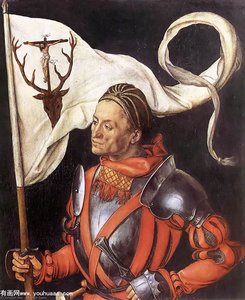
Se i rummet
 Del som kort
 Del
Del
 Detaljer
 Guide
Guide

 Download
 Lignende værker
 Røntgenundersøgelse
 Diasshow
 Statistikker
Triumphal Arch (detail)


 Vis mere
Giclée / Kunsttryk
Giclée- eller lærredstryk i museumskvalitet med hurtig produktion og fleksible muligheder for finish. ( Køb håndmalet maleri Skift til digitalt billede)




P118B Dkr10

P118H Dkr10

P118W Dkr10

P438Z Dkr10

P508JH Dkr12

P508YH Dkr12

P805H Dkr10

P805Z Dkr10

P919BZ Dkr10

P919G Dkr10

P919XJ Dkr10

P959ZH Dkr10

P968JZ Dkr12

W106C Dkr8

W218G Dkr10

W218JH Dkr8

W218Y Dkr10

W307PJ Dkr10

W316G Dkr10

W316PJ Dkr8

W316Y Dkr10

W398PJ Dkr8

W4111J Dkr10

W500HY Dkr15

W500JH Dkr15

W692G Dkr12

W849H Dkr8

W940BG Dkr15

W953PJ Dkr8




Vælg mellem vores forudindstillede størrelser, der matcher kunstværkets originale proportioner.

Indtast den bredde og højde, du har brug for, så det passer til din ramme eller din væg. Et print kan kun beskæres, aldrig gøres større end selve billedet, så en størrelse med et andet format vil medføre, at dele af motivet går tabt. Vi sender dig en digital mockup til godkendelse, før vi printer noget. Billedet vist på denne side viser ikke den faktiske beskæring — det er kun mockuppen, der gør.
Verdensomspændende levering () på 2 uger i stedet for de sædvanlige 4/5 uger. (28 oktober)

Gratis ekspresforsendelse til hele verden

Lærred af linned i høj kvalitet

Fuld transportforsikring

Garanti for refusion af told og importafgifter

Garanti for præcis farvegengivelse

100 dages returret ved fabrikationsfejl

100% fuld returret

Mængderabat ved flere køb
 Glasmulighed er kun tilgængelig i størrelser under 110 cm

Triumphal Arch (detail)
Giclée / Kunsttryk
Størrelse på reproduktion
-


Samlet pris
Dkr 532
The Triumph of Line: Albrecht Dürer’s Triumphal Arch
Albrecht Dürer's "Triumphal Arch," completed in 1515, stands as an unparalleled achievement of German Renaissance art—a monumental woodcut print that transcends mere decoration to embody the ideals of imperial power and humanist contemplation. Commissioned by Emperor Maximilian I, ruler of the Holy Roman Empire, this ambitious project wasn’t simply intended to celebrate a military victory; it was conceived as a profound statement about the nature of rulership itself, reflecting Dürer's meticulous understanding of classical principles alongside his own innovative approach to printmaking. The arch’s sheer scale—measuring nearly 3 meters by 4 meters—immediately commands attention, but its true significance lies in the exquisite detail and masterful execution that characterize every aspect of its design.- A Synthesis of Tradition and Innovation: Dürer skillfully blended elements of Gothic art with Renaissance ideals, drawing inspiration from Roman triumphal arches while simultaneously elevating woodcut printing to new heights of artistic sophistication. The arch’s architectural form—a tetrapylon consisting of four massive piers supporting a central arched passageway flanked by two side arches—was modeled on ancient precedents, yet Dürer transformed this familiar structure into an emblem of modern authority through the incorporation of humanist symbolism and meticulously crafted decorative elements.
- The Woodcut Technique: The printmaking process itself was revolutionary for its time. Approximately 195 separate wood blocks were carved by Dürer’s workshop, each painstakingly etched with intricate lines to create a stunning tonal range—a feat previously unattainable in Northern European art. This technique demanded an extraordinary level of precision and patience, reflecting Dürer's unwavering commitment to mastering the craft and pushing its boundaries. The resulting surface texture—characterized by subtle grain patterns and delicate hatching—captures the materiality of the wood panel on which the painting was executed, conveying a palpable sense of tactile presence.
- Symbolism Embodied: Every element of the arch’s iconography served as a deliberate allusion to classical ideals and Christian theology. The central arch bore the inscription “This Arch of Honour with its several portals is erected in praise of the most serene, all-powerful prince and sovereign Maximilian,” proclaiming his reign as exemplary—a paragon of noble virtue tempered by military prowess. Above each archway were representations of historical events commemorating Maximilian’s triumphs, alongside busts of emperors and kings symbolizing lineage and legitimacy. The inclusion of heraldic escutcheons reinforced the emperor's claim to universal dominion, while the round towers at either end evoked images of divine majesty.
- Emotional Resonance: Beyond its formal grandeur, “The Triumphal Arch” possesses a profound emotional resonance—a testament to Dürer’s ability to convey complex ideas through visual imagery. The arch’s meticulous detail and harmonious composition invite contemplation on themes of power, honor, piety, and human achievement. It stands as an enduring symbol of Renaissance ambition and artistic excellence, captivating viewers with its beauty and stimulating intellectual curiosity centuries after its creation.
Historical Context: Maximilian I and the Pursuit of Glory
The arch’s commission coincided with a pivotal moment in European history—the ascension of Maximilian I to the throne of the Holy Roman Empire in 1508. Faced with challenges from rival princes and papal authority, Maximilian sought to consolidate his dominion through strategic alliances and assertive propaganda. Recognizing the power of visual representation to shape public opinion, he entrusted Dürer and his workshop with the task of creating a monumental print that would proclaim his imperial grandeur and inspire awe among his subjects. The arch’s design reflected this ambition—a deliberate attempt to elevate Maximilian's image as a ruler worthy of emulation, embodying both martial courage and moral virtue. It served as a powerful instrument of statecraft, reinforcing Maximilian’s legitimacy and bolstering morale during a period of turbulent political upheaval.Technical Mastery: The Art of Woodcut Printing
Dürer’s mastery of woodcut printing was unparalleled in his time—a triumph of artistic innovation that fundamentally altered the landscape of Northern European art. Unlike oil painting, which demanded considerable skill and resources, woodcut printing offered a relatively accessible medium for disseminating images widely across Europe. However, achieving exceptional tonal range and visual complexity required an extraordinary level of technical expertise. Dürer’s meticulous carving process—characterized by painstaking precision and unwavering attention to detail—transformed ordinary wood into a surface capable of capturing subtle nuances of light and shadow. The resulting print possessed a distinctive linear quality—a testament to Dürer's unwavering commitment to mastering the craft and pushing its boundaries.Legacy: An Icon of Renaissance Art
“The Triumphal Arch” remains an enduring symbol of Renaissance artistic achievement—a masterpiece that continues to inspire admiration and scholarly inquiry today. Its influence can be seen in subsequent printmaking traditions across Europe, as well as in architectural designs reflecting the arch’s monumental grandeur. More importantly, it embodies the humanist ideals championed by Dürer—a celebration of human intellect and virtue alongside an unwavering devotion to classical principles. As a testament to Dürer's genius and artistic vision, “The Triumphal Arch” continues to captivate audiences with its beauty and intellectual depth—a timeless emblem of Renaissance ambition and artistic excellence.Spørgsmål og svar
Hvilken kunstretning tilhører "Triumphal Arch (detail)" af Albrecht Dürer?
"Triumphal Arch (detail)" af Albrecht Dürer tilhører German Renaissance-bevægelsen. Denne bevægelse giver den stilistiske kontekst for værket.
Hvilken printstørrelse af "Triumphal Arch (detail)" af Albrecht Dürer passer til det anbefalede rum?
Til et Living Room er den anbefalede printstørrelse for "Triumphal Arch (detail)" af Albrecht Dürer Large.
Er "Triumphal Arch (detail)" overordnet set mest lys eller mørk?
"Triumphal Arch (detail)" af Albrecht Dürer er registreret med en lysstyrke på brilliant og en luminans på Bright Balance.
Kunstnerbiografi
Albrecht Dürer: En Renæssancens Mester
Albrecht Dürer, et navn der er synonymt med den tyske renæssance, opstod fra den pulserende håndværbsby Nürnberg i 1471. Hans far, Albrecht Dürer den Ældre, var en succesfuld guldsmed, der havde immigreret fra Ungarn og medbragt en linje af håndværksfærdigheder. Det var i dette miljø – duften af metal og præcisionens omhyggelige arbejde – at unge Albrecht’s kunstneriske tilbøjelser først fik fodfæste. Selvom hans far forestillede sig en lignende vej for ham, ansatte han ham oprindeligt i familiens handel, men det blev hurtigt tydeligt, at Albrecht besad en exceptionel talent for tegning. Ved blot 13-års alderen overgik han til Michael Wolgemut’s værksted, Nürnberg’s førende kunstner på det tidspunkt. Dette var ikke blot en teknisk uddannelse; det var en indvielse i en verden af illuminerede manuskripter, malede paneler og – vigtigst af alt – den voksende kunst af træsnit. Wolgemut’s værksted’s enorme produktion, herunder de omfattende illustrationer til *Nuremberg Chronicle*, gav Dürer et uvurderligt fundament i design, komposition og mekanikken bag billeddannelse. Et bemærkelsesværdigt sølvtægning fra 1484, skabt da han kun var knap 13 år gammel, står som overbevisende bevis på hans præcocious talent – et vidnesbyrd om en spirende kunstnerisk identitet, der allerede begyndte at tage form.Den Italienske Indflydelse og Kunstnerisk Modning
Dürer’s ambition udvidede sig langt ud over Nürnberg’s grænser. Drevet af en uudholdelig nysgerrighed og et ønske om at mestre kunsten at male, iværksatte han sin første rejse til Italien i 1494. Dette var ikke blot en sightseeingtur; det var en pilgrimsfærd til hjertet af renæssancen. Han stødte på mesteresker fra Raphael, Giovanni Bellini og Leonardo da Vinci – kunstnere, der omskrev mulighederne for form, perspektiv og menneskelig udtryksevne. Denne eksponering havde en dybtgående indvirkning. Dürer absorberede de klassiske motiver, harmoniske kompositioner og den subtile *sfumato*-teknik, der kendetegnede italiensk kunst, men forlod sin nordlige europæiske sans for præcision og symbolsk dybde. En anden rejse til Italien mellem 1505 og 1507 forstærkede disse indflydelser yderligere, hvilket tillod ham at studere de gamle romerske ruiner og finpudse sin forståelse af anatomi og proportioner. Denne syntese af nordlig præcision og italiensk elegance blev Dürer’s unikke kunstneriske stilens kendetegn.Mestring af Medierne: Maleri, Gravering og Træsnit
Dürer var en mester i flere medier, hver især tilbyder ham forskellige kreative veje. Hans malerier, omend færre i antal end hans tryk, demonstrerer en bemærkelsesværdig kommando over oliemaleri og en evne til at indfange både fysisk lighed og psykologisk dybde. Værker som *Feast of the Rose Garlands* afslører en livlig palet påvirket af venetiansk farvebrug. Men det var i trykkunsten – især gravering og træsnit – at Dürer virkelig revolutionerede kunstnerisk praksis. Han hævede disse teknikker fra blot reproduktive metoder til uafhængige kunstformer, der kunne formidle komplekse fortællinger og dybe følelser. *Apocalypse*-serien (1498), en samling af fjorten træsnit, der illustrerer Profeten Johannes’ Bog, viste hans mesterskab i denne medium trods dets iboende begrænsninger. Senere graverier som *Melencolia I* (1514) og *Saint Jerome in His Study* (1514) er vidnesbyrd om hans upåtrotelige færdigheder – intrikate kompositioner fyldt med symbolsk betydning og udført med betagende præcision. Han portrætterede ikke blot virkeligheden; han indgydede den med lag af intellektuel og åndelig betydning.En Teoretiker og Innovator: Dürers Eftermæle
Dürer var ikke blot en kunstner; han var en teoretiker, en innovatør, der søgte at forstå de underliggende principper, der styrer kunstnerisk skabelse. Han mente, at matematikken lå til grund for kunsten, og dedikerede sig til at etablere en videnskabelig tilgang til repræsentation. Hans afhandlinger om geometri, proportioner og menneskekroppens anatomi – især *Four Books on Human Proportions* (1528) – var banebrydende for deres tid, demonstrerende hans engagement i streng observation og rationel analyse. Disse skrifter var ikke blot akademiske øvelser; de havde til hensigt at hæve kunstnerens status fra blot håndværkere til intellektuelle praktikanter. Dürer’s eftermæle strækker sig langt ud over hans individuelle værker. Han brolagde mellem nordeuropæiske traditioner og italienske renæssanceidealer, introducerede klassiske motiver i nordisk kunst, mens han bevarede dets distinkte karakter. Hans teoretiske bidrag hjalp til at etablere en ny ramme for kunstnerisk praksis, der inspirerede generationer af kunstnere med hans tekniske dygtighed, innovative ånd og dybe vision. Han står i dag som en af de vigtigste figurer i vestlig kunsthistorie.Indflydelser og Varig Indvirkning
- Michael Wolgemut: Dürer’s indledende mentor, der leverede grundlæggende færdigheder inden for tegning, maleri og træsnit.
- Leonardo da Vinci: Inspirerede Dürers udforskning af anatomi, perspektiv og *sfumato* – den subtile blanding af nuancer.
- Raphael: Påvirkede Dürer’s harmoniske kompositioner og idealiserede former.
- Giovanni Bellini: Bidrog til Dürer’s forståelse af farver og venetianske malerteknikker.
Dürer’s indflydelse resonerer gennem århundredernes kunsthistorie. Hans præcise realisme, hans innovative brug af trykkunst og hans teoretiske skrifter inspirerer stadig kunstnere og forskere i dag.
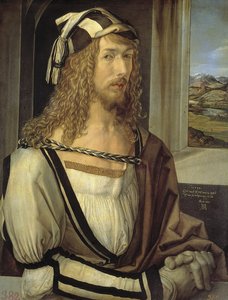
Albrecht Dürer
1471 - 1528 , Tyskland
Kort om kunstneren
- Artistic Movement Or Style: Tysk Renæssance
- Artists Or Movements Influenced By This Artist: ['Nordeuropæisk Renæssance']
- Artists Who Influenced This Artist:
- Michael Wolgemut
- Leonardo da Vinci
- Raphael
- Date Of Birth: 21. maj 1471
- Date Of Death: 6. apr. 1528
- Full Name: Albrecht Dürer
- Nationality: Tysk
- Notable Artworks:
- Melencolia I
- Apokalypse
- Selvportrætter
- Place Of Birth: Nürnberg, Tyskland
Relaterede artikler

Albrecht Dürer: A Renaissance Master's Legacy of Innovation and Self-Portraiture
Explore the life & art of Albrecht Dürer, a pivotal German Renaissance master. Discover his groundbreaking printmaking techniques, iconic self-portraits, and lasting influence on Western art history. A deep dive into innovation & symbolism.
British Museums 25 Mesterværker: Kunsthistorie til Dit Hjem | OriginalUniqueArt.dk
Oplev British Museums 25 mest ikoniske kunstværker! Fra egyptiske skatte til Rembrandts mesterværker – lær historierne bag tidløs kunst. Find museumskvalitets reproduktioner & inspiration til dit hjem på OriginalUniqueArt.com
German Renaissance Unlocked: The Bold Precision and Iconic Mastery of Albrecht Dürer Reimagined
Discover the bold precision of the German Renaissance. Explore the legendary mastery of Albrecht Dürer through expert art history insights and premium, hand-painted reproductions designed to bring iconic Northern Renaissance detail into your modern collection.
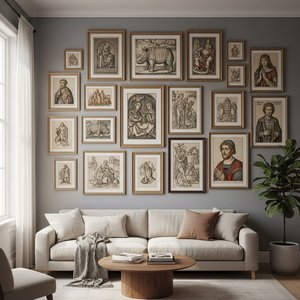
Albrecht Dürers 25 Mesterværker: Kunst, Historie og Inspiration til Dit Hjem
Oplev Albrecht Dürers 25 mest ikoniske værker – fra detaljerede træsnit til fængslende selvportrætter. Fordyb dig i renæssancekunstens historie og find inspiration til dit hjem med OriginalUniqueArt.coms eksklusive reproduktioner. Udforsk samlingen online!
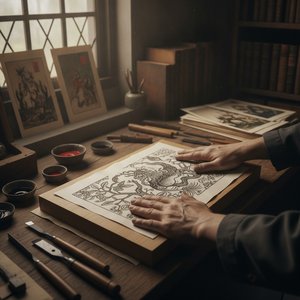
Mastering the Woodcut: A Definitive Guide to the Art of Relief Printing and its Historical Legacy
Explore the profound history and technical mastery of woodcut relief printing. From ancient origins to German Expressionism, discover how artists use the subtractive process to create iconic works. A definitive guide for art students, collectors, and historians.