

 Se i rummet
 Send
Send Del
Del
 Detaljer
 Studieguide til kunstværker

 Download
 Lignende værker
 Røntgenundersøgelse
 Se diasshow
 Statistik
Man Who Stays Silent


 Læs mere
Giclée / Kunsttryk
Giclée- eller lærredstryk i museumskvalitet med hurtig produktion og fleksible muligheder for finish. ( Bestil håndmalet reproduktion Skift til digitalt billede)




P118B Dkr10

P118H Dkr10

P118W Dkr10

P438Z Dkr10

P508JH Dkr12

P508YH Dkr12

P805H Dkr10

P805Z Dkr10

P919BZ Dkr10

P919G Dkr10

P919XJ Dkr10

P959ZH Dkr10

P968JZ Dkr12

W106C Dkr8

W218G Dkr10

W218JH Dkr8

W218Y Dkr10

W307PJ Dkr10

W316G Dkr10

W316PJ Dkr8

W316Y Dkr10

W398PJ Dkr8

W4111J Dkr10

W500HY Dkr15

W500JH Dkr15

W692G Dkr12

W849H Dkr8

W940BG Dkr15

W953PJ Dkr8




Vælg mellem vores forudindstillede størrelser, der matcher kunstværkets originale proportioner.

Indtast den bredde og højde, du har brug for, så det passer til din ramme eller din væg. Et print kan kun beskæres, aldrig gøres større end billedet, så en størrelse med en anden form vil miste en del af motivet. Vi sender dig en digital mockup til godkendelse, før vi printer noget. Billedet vist på denne side viser ikke den faktiske beskæring — det er kun mockuppen, der gør.
Verdensomspændende levering () på 2 uger i stedet for de sædvanlige 4/5 uger. (26 oktober)

Gratis ekspresforsendelse til hele verden

Lærred af linned i høj kvalitet

Komplet transportforsikring

Garanti for refusion af told og importafgifter

Garanti for autentisk farvegengivelse

100 dages returret ved fabrikationsfejl

100% fuld returret

Mængderabat ved flere køb
 Glasmulighed er kun tilgængelig i størrelser under 110 cm

Man Who Stays Silent
Giclée / Kunsttryk
Reproduktionsstørrelse
-


Samlet pris
Dkr 531
The Sculptor’s Introspection: Adolfo Wildt's "Man Who Stays Silent"
Adolfo Wildt’s “Man Who Stays Silent,” a captivating marble sculpture from 1899, isn’t merely a depiction of a figure; it’s an embodiment of contemplative stillness. Born in Milan amidst the burgeoning artistic currents of Italy, Wildt’s early life – apprenticed as a hairdresser and goldsmith before finding his true calling in sculpting – instilled within him a meticulous attention to form and a profound understanding of material. This experience subtly informs the work; the smooth, almost tactile quality of the marble speaks to a craftsman deeply attuned to its inherent properties. The sculpture’s power lies not in dramatic gesture or overt emotion, but rather in the palpable sense of inward focus radiating from the seated man – a figure seemingly lost within his own thoughts.
- Subject and Pose: The central subject is a man, rendered with remarkable anatomical precision yet imbued with an almost ethereal quality. He sits rigidly upright on a simple chair, his hands clasped before him in a gesture of profound introspection. This posture immediately draws the viewer in, inviting them to share in his silent contemplation.
- Material and Technique: Wildt masterfully employs the technique of *subdolato*, a method he developed himself, which allows for an exceptionally smooth and polished surface on marble. The result is a luminous quality that seems to capture and reflect light, creating an almost otherworldly effect. The subtle variations in tone within the marble – from the deepest shadows to the brightest highlights – contribute significantly to the sculpture’s depth and realism.
A Bridge Between Movements: Romanticism and Modernism
“Man Who Stays Silent” occupies a fascinating space within the transition between late 19th-century Romanticism and the nascent movements of early 20th-century modernism. Wildt’s work echoes the emotional intensity and psychological depth characteristic of Romantic sculpture, particularly in its exploration of inner experience. However, he departs from traditional Romantic conventions by prioritizing restraint and a sense of quietude over dramatic narrative. The man's face is deliberately averted, offering no clues to his thoughts or motivations – forcing the viewer to project their own interpretations onto the scene. This deliberate ambiguity aligns with the modernist emphasis on subjective experience and the rejection of didactic representation.
Historical Context: Wildt’s work emerged during a period of significant artistic upheaval in Italy, marked by the rise of new aesthetic theories and a growing interest in psychological realism. The sculpture reflects this intellectual climate, anticipating the introspective themes that would become central to modern art.Symbolism and Interpretation: A Portrait of Inner Life
The symbolism within “Man Who Stays Silent” is deliberately understated, inviting multiple layers of interpretation. The seated position itself suggests a state of contemplation or perhaps even isolation. The clasped hands could represent prayer, meditation, or simply the act of holding onto one’s thoughts. Some scholars have linked the sculpture to the concept of *silenzio* – silence – as a pathway to spiritual understanding, aligning with philosophical currents prevalent at the time. The man's averted gaze suggests a deliberate withdrawal from the external world, a focus on the internal landscape of his mind.
- The Chair: The simple chair serves as a grounding element, anchoring the figure in a tangible space while simultaneously emphasizing his detachment from it.
- The Absence of Expression: The lack of overt emotion is arguably the sculpture’s most powerful symbolic gesture – inviting viewers to contemplate the complexities of human consciousness and the often-unspoken nature of inner experience.
A Timeless Reflection: Emotional Impact and Artistic Legacy
“Man Who Stays Silent” continues to resonate with audiences today due to its profound sense of quietude and introspection. It’s a work that demands contemplation, inviting viewers to slow down and engage in a dialogue with the figure's unspoken thoughts. Wildt’s ability to capture such a nuanced state of being within the confines of marble is a testament to his artistic skill and sensitivity. Reproductions of this sculpture offer a powerful opportunity to bring this moment of profound stillness into any space, serving as a reminder of the importance of introspection and self-reflection in our increasingly hectic world. Its enduring appeal lies in its ability to evoke a sense of shared humanity – a recognition that we all, at times, seek solace within the silence of our own minds.
Spørgsmål & svar
Hvor kan jeg se en forhåndsvisning af "Man Who Stays Silent"?
En forhåndsvisning af "Man Who Stays Silent" af Adolf Wildt er tilgængelig på værkets Forhåndsvisning-side.
Hvilken stemning bringer "Man Who Stays Silent" af Adolf Wildt til et interiør?
Den Dramatic atmosfære i "Man Who Stays Silent" af Adolf Wildt passer perfekt til det anbefalede rum: et Living Room.
Viser "Man Who Stays Silent" stærke lys-mørke kontraster?
Lys-mørke-kontrasten i "Man Who Stays Silent" er registreret som Balanced. Kontrast beskriver, hvor kraftigt lyse og mørke områder adskiller sig fra hinanden.
Om kunstneren
Adolfo Wildt – En Brogetiende Kunstners rejse
Adolfo Wildt, født i Milano den 1. marts 1868, til en schweizisk familie der havde søgt nye horisonter i Lombardien, steg frem som en central figur inden for italiensk skulptur under en periode præget af dybtgående kunstneriske overgange. Hans rejse var én markeret af tidlig vanskelighed og vedholdende dedikation, begyndende ikke inden for de hellige sale af en akademisk uddannelse, men blandt de praktiske krav til arbejdslivet. Efter at have trukket sig tilbage fra skolen allerede i ni års alderen efterlod Wildt sin første erfaring med beskæftigelse først som frisør og derefter som guldsmed – oplevelser der indså i ham en præcis opmærksomhed på detaljer og en spirende forståelse for form. Efter at være blevet lært af Giuseppe Grandi, en fremtrædende skulptør forbundet med Scapigliatura bevægelsen, begyndte Wildt at mestre kunsten at udhugge marmor – et fundament for en karriere defineret af teknisk briljans og følelsesmæssig dybde. Ved otti år var hans talent allerede blevet anerkendt inden for milanesiske kunstneriske kredse, hvilket varslede betydelige bidrag til verden af skulptur. Han fortsatte sin uddannelse på Brera Akademiet for Fine Arts, hvor han styrkede sin teoretiske viden sidelæns med sine spirende praktiske færdigheder.Patronage og Innovation – En Lysende Periode
Året 1893 markerede et vendepunkt i Wildts karriere med udstillingen af hans første værk – et portræt af hans kone. Dens øjeblikkelige anskaffelse af Galleria Nazionale d’Arte Moderna i Rom var ikke blot en salg; det var en bekræftelse af hans kunstneriske løfte og et signal til den bredere kunstverden om Wildts potentiale. Og måske var det mest definerende øjeblik, da han indgåede en ekstraordinær aftale med Franz Rose, en præsteslægtet kunstsamler med skarpsynet smag og betydelige økonomiske ressourcer. I otte år finansierede Rose Wildt både økonomisk sikkerhed og første refusionsret – hvilket frigjorde ham fra kommercielle pres og tillod ham at dedikere sig fuldt ud til sin kreative vision. Denne patronage faciliterede Wildts deltagelse i mange internationale udstillinger – Milan, München, Zürich, Berlin og Dresden – hvor Wildt præsenterede sit arbejde for et internationalt publikum og fik stor ros af kunstnere som Auguste Rodin og Adolf von Hildebrand. Disse kunstnere var fascinerede af Wildts metode til marmorudhugning og roste hans evne til at skabe en næsten æterisk transparens i sten – egenskab der skilte ham ud fra sine samtidige. Hans stil udviklede sig gennem Scapigliatura og Art Nouveau, hvilket førte til et arbejde præget af kompleks symbolik og brug af klassiske former. Wildt var særligt imponerende ved hans evne til at skabe kunstværker hvor lys og skygge spiller sammen på en måde der fremhæver både form og følelse.Tidlig Liv og Uddannelse – Fra Frisør til Marmorkunstner
Wildts barndom var præget af fattigdom og udfordringer, hvilket førte til hans tidlige beskæftigelse som frisør og guldsmed. Efter at være blevet lært af Giuseppe Grandi, blev Wildt introduceret til kunsten at udhugge marmor – en disciplin der skulle forme hele hans kunstneriske udvikling. Hans tekniske færdigheder gjorde ham populær inden for kunstmiljøet allerede ved otti år og førte til hans videre uddannelse på Brera Akademiet, hvor han styrkede sin teoretiske forståelse sammen med sine praktiske færdigheder. Han var en produkt af tiden og blev født i et miljø hvor kunst og håndværk var vigtige værdier – hvilket manifesterede sig i hans første år som kunstner og hans senere interesse for klassisk skulptur. Hans tidlige arbejde var præget af Scapigliatura stil, hvor han udførte udtryksfulde værker der var både teknisk præcise og følelsesmæssigt intense. Wildt var en mand med stor passion for sin kunst og hans konstante søgen efter perfektion førte til hans udvikling som en af Italiens mest betydningsfulde skulptører. Hans første værk, portrættet af hans kone, blev straks købt af Galleria Nazionale d’Arte Moderna i Rom og blev mødt med stor begejstring af kunstkritikere og kunstnere på hans tid – hvilket cementerede Wildts position som en pioner inden for italiensk moderne skulptur.Et Fokus På Følelser Og Symbolik
Wildt var ikke blot en teknisk dygtig udhugger; han var også en kunstner der søgte at udtrykke komplekse følelser og ideer gennem sine værker. Hans kunst udforsker ofte temaer som religiøs tro, menneskelig smerte og længsel efter mening – hvilket afspejles i hans mest kendte skulpturer, hvor han anvender klassiske teknikker til at skabe udtryksfulde figurer der er både præcise og følelsesmæssigt resonerende. Hans arbejde var inspireret af romantikken og klassicismen og blev udført med stor omhu og præcision – hvilket gjorde hans værker til nogle af de mest ikoniske inden for italiensk kunsthistorie. Wildt var en mand der var dybt engageret i sin kunst og hans konstante søgen efter perfektion førte til hans udvikling som en af Italiens mest betydningsfulde skulptører. Hans kunstværker er et vidnesbyrd om hans tekniske kunnen og hans evne til at udtrykke menneskelige følelser på en måde der fortsat fascinerer publikum i dag. Han var en mand med stor passion for sin kunst og hans konstante søgen efter perfektion førte til hans udvikling som en af Italiens mest betydningsfulde skulptører. Hans arbejde er et vidnesbyrd om hans tekniske kunnen og hans evne til at udtrykke menneskelige følelser på en måde der fortsat fascinerer publikum i dag.
Adolf Wildt
1868 - 1931 , Italien
Hurtige fakta
- Artistic Movement Or Style: Romanticism & Modernism
- Artists Or Movements Influenced By This Artist:
- Lucio Fontana
- Fausto Melotti
- Artists Who Influenced This Artist:
- Giuseppe Grandi
- Federico Villa
- Date Of Birth: 1868-03-01
- Date Of Death: 1931-03-12
- Full Name: Adolfo Wildt
- Nationality: Italien
- Notable Artworks:
- Fulcieri Paulucci de’ Calboli
- Saint Lucia
- St. Francis of Assisi
- Mask of Sorrow
- Place Of Birth: Milan, Italien
Relaterede artikler

The Enduring Allure of Marble in Art History: From Classical Sculpture to Modern Abstraction
Explore the captivating history of marble sculpture from ancient Greece to modern art. Discover renowned artists like Canova & Michelangelo, carving techniques, and investment insights at OriginalUniqueArt.
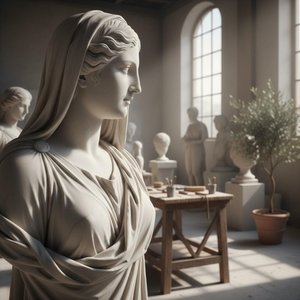
Timeless Elegance: A Complete Guide to the Sublime Beauty and Artistry of Marble Sculpture
Discover the sublime beauty of marble art through an expert exploration of Renaissance and Neoclassical masterpieces. From the delicate textures of Carpeaux to the grandeur of Sansovino, immerse yourself in a guide to timeless elegance and sculptural perfection.

The Enduring Form: Sculpture Across History, Technique & Emotional Resonance
Explore the rich history of sculpture with OriginalUniqueArt. Discover key techniques, influential artists & investment potential for discerning collectors. Expert insights into valuing and collecting timeless masterpieces.

Bronzeskulpturers Mestre: 10 Værker der Ændrede Kunsthistorien | OriginalUniqueArt
Oplev de 10 mest legendariske bronzeskulpturer, der har formet kunsthistorien! Fra Rodin til Vigeland – lær historierne bag mesterværkerne og find inspiration til din indretning. Køb museumskvalitets reproduktioner på OriginalUniqueArt.com.

The Enduring Form: Exploring Themes & Techniques in Sculpture Across Historical Periods
Explore the rich history of sculpture from ancient masterpieces to contemporary innovations. Discover key techniques, influential artists & investment potential for discerning art collectors.