

 Se i rummet
 Send
Send Del
Del
 Detaljer
 Studieguide til kunstværker

 Download
 Lignende værker
 Røntgenundersøgelse
 Se diasshow
 Statistik
Head
 Expressionism
 1945
1945 22.0 x 12.0 cm
 Læs mere
Giclée / Kunsttryk
Giclée- eller lærredstryk i museumskvalitet med hurtig produktion og fleksible muligheder for finish. ( Bestil håndmalet reproduktion Skift til digitalt billede)




P118B $10

P118H $10

P118W $10

P438Z $10

P508JH $12

P508YH $12

P805H $10

P805Z $10

P919BZ $10

P919G $10

P919XJ $10

P959ZH $10

P968JZ $12

W106C $8

W218G $10

W218JH $8

W218Y $10

W307PJ $10

W316G $10

W316PJ $8

W316Y $10

W398PJ $8

W4111J $10

W500HY $15

W500JH $15

W692G $12

W849H $8

W940BG $15

W953PJ $8




Vælg mellem vores forudindstillede størrelser, der matcher kunstværkets originale proportioner.

Du kan indtaste dine egne mål for at passe til en specifik ramme eller et bestemt område. Hvis den valgte størrelse ikke stemmer overens med det originale billedes proportioner, vil vi enten beskære kunstværket eller udvide billedet med en spejlet eller ensfarvet kant. En digital mockup vil blive sendt til din godkendelse, før produktionen påbegyndes.
Bemærk venligst, at forhåndsvisningen på skærmen ikke afspejler den faktiske beskæring eller udvidelse. Kun mockuppen vil nøjagtigt vise den endelige komposition.
Selvom specialmål er tilgængelige, anbefaler vi at vælge et mål fra den foruddefinerede liste for at bevare de originale proportioner.
Verdensomspændende levering () på 2 uger i stedet for de sædvanlige 4/5 uger. (25 september)

Gratis ekspresforsendelse til hele verden

Lærred af linned i høj kvalitet

Komplet transportforsikring

Garanti for refusion af told og importafgifter

Garanti for autentisk farvegengivelse

100 dages returret ved fabrikationsfejl

100% fuld returret

Mængderabat ved flere køb
 Glasmulighed er kun tilgængelig i størrelser under 110 cm

Head
Giclée / Kunsttryk
Reproduktionsstørrelse
-


Samlet pris
$ 81
Artist Background
Abraham Rattner was an American artist born in 1895 in Poughkeepsie, New York. He studied at the Corcoran School of Art and later moved to Paris, where he was influenced by Claude Monet's palette. Rattner's work is characterized by its bold lines, vibrant colors, and emotive subject matter. His paintings often feature distorted or deformed figures, which add to the sense of mystery and intrigue.Painting Analysis
The painting "Head" is a prime example of Rattner's unique style. The subject's face is partially obscured, adding to the sense of enigma and intrigue. The use of ink on paper creates a sense of intimacy and immediacy, as if the artist is sharing a private thought or emotion with the viewer. The bold lines and expressive brushstrokes evoke a sense of energy and movement, drawing the viewer into the painting.- View more artworks by Abraham Rattner on https://OriginalUniqueArt.com, including his notable piece Moses I Am.
- Learn more about the Smithsonian American Art Museum and its collection of American art on Wikipedia.
In conclusion, "Head" by Abraham Rattner is a thought-provoking piece that showcases the artist's innovative style and technique. As a professional expert in Art and https://OriginalUniqueArt.com salesman, I highly recommend exploring more of Rattner's artworks and learning about his fascinating life and career.
Om kunstneren
Et liv malet i ekspression: Abraham Rattners verden
Abraham Rattner, født i Poughkeepsie, New York, i 1895, var en kunstner, hvis liv og virke var dybt sammenvævet med det 20. århundredes turbulente strømninger. Hans rejse, der strakte sig fra slagmarkerne under Første Verdenskrig til de pulserende kunstscener i Paris og New York, smedede en unik kunstnerisk stemme – en stemme karakteriseret ved dristig ekspressionisme, spirituel længsel og en hjemsøgende smuk brug af farver. Rattners tidlige ambitioner hældte mod arkitektur, hvilket han indledningsvist studerede ved George Washington University, men hans sande kald lå i maleriet, hvilket førte ham til videre studier ved Corcoran School of Art og Pennsylvania Academy of the Fine Arts. Denne fundamentale træning skulle vise sig at være afgørende, da han navigerede gennem den moderne kunsts evigt skiftende landskab.Fra camouflage til lærred: Krig og kunstnerisk opvågnen
Udbruddet af Første Verdenskrig ændrede dramatisk Rattners livsbane. Rekrutteret af Homer Saint-Gaudens til den amerikanske hærs American Camouflage Corps, tjente han i Frankrig – en formativ oplevelse, der uudsletteligt ville præge hans kunstneriske vision. Ved at deltage i betydningsfulde slag som det andet slag ved Marne, Château-Thierry og Belleau Wood var Rattner ikke blot en observatør af konflikten; han var aktivt engageret i at skjule den – en paradoksal rolle for en kunstner, hvis senere værker ville blive defineret af deres rå, følelsesmæssige ærlighed. En alvorlig rygskade pådraget under hans tjeneste medførte livslange fysiske smerter, men gav ham også en dyb følsomhed over for livets skrøbelighed og den menneskelende ånds vedholdende kraft. Denne oplevelse indpodede i ham temaer om sårbarhed og modstandskraft, som genlød gennem hele hans værk. Efter krigen gav et Cresson Traveling Fellowship Rattner muligheden for at vende tilbage til Frankrig, denne gang ikke som soldat, men som en kunstner på søgen efter inspiration og for at forfine sit håndværk.De parisiske år: En stilens smeltedigel
Paris i 1920'erne var en magnet for kunstnere fra hele verden, og Rattner opslugte fuldstændigt den dynamiske kunstscene. Han studerede ved flere prestigefyldte akademier – École des Beaux-Arts, Academies Julian, Ransom og Grande Chaumière – og absorberede indflydelser fra mestre som Claude Monet, Georges Rouault og Pablo Picasso. Han efterlignede dog ikke blot disse kunstnere; i stedet syntetiserede han deres lærdomme til en distinkt stil, der var helt hans egen. Hans parisiske periode så udviklingen af en ekspressionistisk tilgang karakteriseret ved rige, ofte dæmpede farver, forvrængede former og surrealistiske billeder. Religiøse temaer begyndte at fremstå som centrale motiver i hans arbejde, hvilket afspejlede en dyb spirituel søgen og en fascination af troens mysterier. Dette var ikke traditionelle religiøse malerier; snarere var de intenst personlige udforskninger af tro, tvivl og den menneskelige tilstand.Hjemvenden til Amerika og en vedvarende arv
Nazismens truende skygge tvang Rattner tilbage til New York City i 1940. Ved sin ankomst forblev han ikke passiv; han begav sig ud på en rejse tværs over landet sammen med forfatteren Henry Miller, hvor de dokumenterede deres oplevelser og yderligere berigede hans kunstneriske perspektiv. Rattner dedikerede sig også til undervisning og delte sin viden og passion ved institutioner som The New School, Yale University og Columbia University. Hans kunst vandt anerkendelse på fremtrædende museer som Art Institute of Chicago, Whitney Museum of American Art og Albright-Knox Art Gallery, hvilket cementerede hans plads i den amerikanske kunstkanon. Udover maleriet strakte Rattners kunstneriske talenter sig til glasmosaik; han designede den betagende østvæg i Chicago Loop Synagogue i 1960 – et mesterværk, der hyldes for sin exceptionelle skønhed og spirituelle resonans. I dag står The Leepa-Rattner Museum of Art i Tarpon Springs, Florida, som et vidnesbyrd om hans vedvarende arv, og huser en betydelig samling af hans værker side om side med hans samtidiges. Abraham Rattners kunst bygger bro mellem europæisk modernisme og amerikansk ekspressionisme og tilbyder beskueren et kraftfuldt indblik i sjælen hos en kunstner, der levede igennem – og reflekterede over – et århundrede med dyb forandring. Hans unikke blanding af religiøs symbolik, surrealistiske billeder og levende farver fortsætter med at fange og inspirere, hvilket sikrer hans plads som en betydningsfuld skikkelse i det 20. århundredes kunsthistorie.
Abraham Rattner
1895 - 1978 , USA
Hurtige fakta
- Artistic Movement Or Style: Ekspressionisme, Surrealisme
- Artists Or Movements Influenced By This Artist: ['Amerikansk ekspressionisme']
- Artists Who Influenced This Artist:
- Claude Monet
- Georges Rouault
- Pablo Picasso
- Date Of Birth: 8. juli 1895
- Date Of Death: 14. februar 1978
- Full Name: Abraham Rattner
- Nationality: Amerikansk
- Place Of Birth: Poughkeepsie, USA
Relaterede artikler

Ephemeral Expressions: Exploring the Nuances of Ink on Paper Through History & Contemporary Art
Explore the captivating world of ink wash painting – from its ancient origins to contemporary masters. Discover techniques, symbolism & conservation insights with OriginalUniqueArt.com.
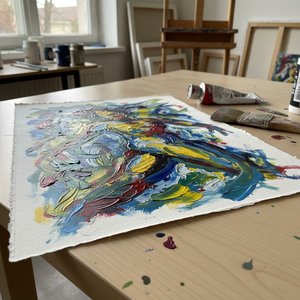
Acrylic on Paper: A Modern Canvas for Contemporary Expression
Explore the versatility of acrylic painting on paper! Discover expert techniques, artist insights & archival practices for creating stunning contemporary art. Learn more at OriginalUniqueArt.

Mastering Ink on Paper: The Timeless Art of Precision, Flow, and Calligraphic Heritage
Explore the profound mastery of ink on paper. From Japanese haiku traditions to Ming Dynasty calligraphy, discover the delicate balance of precision and flow that defines this timeless art form through an expert historical lens.

Mastering the Flow: The Timeless Art of Ink on Paper and the Legacy of Calligraphic Mastery
Explore the profound elegance of ink on paper. From the rhythmic running script of the Ming Dynasty to Zen-inspired haiku, discover the history, technique, and meditative mastery behind the world's most timeless calligraphic traditions.
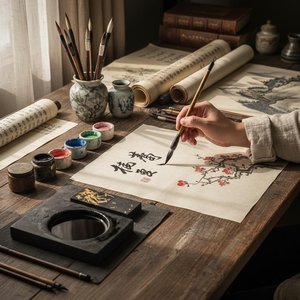
The Alchemy of Ink: Mastering the Timeless Beauty and Art History of Paper and Brush
Embark on a sophisticated exploration of ink wash painting and Sumi-e. Uncover the profound historical lineages, Zen philosophies, and technical mastery behind this timeless medium in our authoritative guide for fine art enthusiasts.