

 Se i rummet
 Send
Send Del
Del
 Detaljer
 Studieguide til kunstværker

 Download
 Lignende værker
 Røntgenundersøgelse
 Se diasshow
 Statistik
Landscape with Peasants Resting
 Oil On Canvas
- WallArt
- Dutch Golden Age
 1650
1650 91.0 x 133.0 cm
 Staatliche Museen zu Berlin
 Læs mere
Giclée / Kunsttryk
Giclée- eller lærredstryk i museumskvalitet med hurtig produktion og fleksible muligheder for finish. ( Bestil håndmalet reproduktion Skift til digitalt billede)




P118B Dkr10

P118H Dkr10

P118W Dkr10

P438Z Dkr10

P508JH Dkr12

P508YH Dkr12

P805H Dkr10

P805Z Dkr10

P919BZ Dkr10

P919G Dkr10

P919XJ Dkr10

P959ZH Dkr10

P968JZ Dkr12

W106C Dkr8

W218G Dkr10

W218JH Dkr8

W218Y Dkr10

W307PJ Dkr10

W316G Dkr10

W316PJ Dkr8

W316Y Dkr10

W398PJ Dkr8

W4111J Dkr10

W500HY Dkr15

W500JH Dkr15

W692G Dkr12

W849H Dkr8

W940BG Dkr15

W953PJ Dkr8




Vælg mellem vores forudindstillede størrelser, der matcher kunstværkets originale proportioner.

Indtast den bredde og højde, du har brug for, så det passer til din ramme eller din væg. Et print kan kun beskæres, aldrig gøres større end billedet, så en størrelse med en anden form vil miste en del af motivet. Vi sender dig en digital mockup til godkendelse, før vi printer noget. Billedet vist på denne side viser ikke den faktiske beskæring — det er kun mockuppen, der gør.
Verdensomspændende levering () på 2 uger i stedet for de sædvanlige 4/5 uger. (25 oktober)

Gratis ekspresforsendelse til hele verden

Lærred af linned i høj kvalitet

Komplet transportforsikring

Garanti for refusion af told og importafgifter

Garanti for autentisk farvegengivelse

100 dages returret ved fabrikationsfejl

100% fuld returret

Mængderabat ved flere køb
 Glasmulighed er kun tilgængelig i størrelser under 110 cm

Landscape with Peasants Resting
Giclée / Kunsttryk
Reproduktionsstørrelse
-


Samlet pris
Dkr 531
A Window Into Seventeenth Century Dutch Pastoral
The painting “Landscape with Peasants Resting,” attributed to Abraham Bloemaert and completed in 1650, offers a captivating glimpse into the artistic sensibilities of the Dutch Golden Age—a period characterized by unparalleled creativity and intellectual fervor. Currently residing at Staatliche Museen Berlin, this monumental canvas (91 x 133 cm) transcends mere depiction; it embodies an idealized vision of rural tranquility deeply rooted in humanist ideals prevalent during its creation. Bloemaert’s masterful command of oil paint on canvas—a technique perfected by artists like Rembrandt and Frans Hals—allows for a remarkable level of textural detail, capturing the subtle nuances of light and shadow that imbue the scene with palpable atmosphere.Style and Technique: Echoes of Mannerism and Embracing Baroque Luminosity
Bloemaert’s stylistic approach skillfully blends elements characteristic of Mannerism – notably asymmetrical compositions and stylized figures – with burgeoning Baroque principles emphasizing dramatic lighting and vibrant color palettes. The artist eschews strict realism, favoring instead a carefully crafted illusion that prioritizes expressive beauty over photographic accuracy. Observe how Bloemaert employs chiaroscuro—the interplay between light and dark—to sculpt the forms of the peasants beneath the sheltering branches of an ancient oak tree. This technique not only enhances visual impact but also serves to convey a profound sense of solemn contemplation, mirroring the spiritual concerns that underpinned much Baroque art.Historical Context: Reflecting Religious Reform and Societal Values
Painted amidst the turbulent backdrop of the Dutch Reformation—a movement aimed at purging Catholicism from Dutch society—Bloemaert’s landscape reflects broader societal anxieties regarding morality and faith. The depiction of peasants engaging in quiet repose underscores the importance of piety and contemplation within the everyday lives of ordinary citizens. Furthermore, the inclusion of livestock – cows and chickens – speaks to the economic realities of rural communities and reinforces the prevailing belief in God's provision for humankind. Bloemaert’s work stands as a testament to the humanist conviction that beauty could inspire moral virtue and elevate the human spirit.Symbolism: Oak Tree, Hearth Fire, and the Cycle of Life
The oak tree dominating the composition symbolizes strength, resilience, and longevity—attributes revered in medieval symbolism and retained throughout the Baroque era. Its expansive branches provide refuge from the sun’s glare, representing divine protection and fostering a sense of serenity among the resting peasants. Equally significant is the depiction of a humble wooden house with a thatched roof and a flickering hearth fire. This domestic emblem embodies warmth, comfort, and familial unity—values central to Dutch cultural identity during Bloemaert's time. The presence of animals reinforces the cyclical nature of life – birth, growth, decay, and renewal – mirroring God’s eternal dominion over creation.Emotional Impact: A Balm for Troubled Times
Ultimately, “Landscape with Peasants Resting” transcends its formal qualities to evoke a powerful emotional response in the viewer. The painting's serene beauty offers respite from the anxieties of Reformation-era Holland—a balm for troubled souls seeking solace amidst worldly concerns. Bloemaert’s masterful use of color and light creates an immersive experience that transports us back to a bygone era, reminding us of the enduring power of art to inspire contemplation and reaffirm our connection to the natural world. It remains a timeless masterpiece—a testament to the artistic genius of Abraham Bloemaert and the profound spiritual values of the Dutch Golden Age.Spørgsmål & svar
Har "Landscape with Peasants Resting" en forhåndsvisning i augmented reality?
"Landscape with Peasants Resting" har en augmented reality-forhåndsvisning: kunstværkets AR-forhåndsvisning-side viser det i dit eget rum på en kompatibel enhed.
Hvad er målene på det originale værk "Landscape with Peasants Resting" af Abraham Bloemaert?
De registrerede mål for "Landscape with Peasants Resting" af Abraham Bloemaert er 91 x 133 cm. Reproduktioner kan bestilles i andre størrelser, mens de samme proportioner bevares.
Hvor harmoniske er farverne i "Landscape with Peasants Resting" af Abraham Bloemaert?
"Landscape with Peasants Resting" af Abraham Bloemaert fremviser en Unified Palette farveharmoni.
Om kunstneren
Et liv opslugt af kunsten: Abraham Bloemaerts verden
Abraham Bloemaert, født i Gorinchem i 1564 og bortgangen i Utrecht i 1651, står som en skelsættende skikkelse, der byggede bro mellem manierismen og barokken i det hollandske maleri. Hans lange og frugtbare karriere udfoldede sig mod en baggrund af religiøs og politisk uro, men han formåede konsekvent at skabe værker gennemsyret af både dramatisk intensitet og subtil skønhed. Bloemaerts rejse begyndte under vejledning af hans far, Cornelis Bloemaert I, en arkitekt, der indpodede ham en grundlæggende forståelse for form og komposition. Denne tidlige træning blev yderligere forfinet gennem studier hos Gerrit Splinter og Joos de Beer i Utrecht, hvilket lagde fundamentet for hans kunstneriske udforskninger. Herefter fulgte en afgørende periode – tre år tilbragt i Paris fra etsen 1581 til 1583. Her opsugede han indflydelser fra Jehan Bassot og Maistre Herry, mens han også mødte værkerne af Hieronymus Francken, en medkunstner fra Holland, der udvidede hans stilistiske horisonter. Dette parisiske ophold viste sig at være formativt, da det eksponerede ham for den franske skoles raffinerede elegance og banede vejen for hans senere innovationer.Fra manierisme til barok: En æstetik i forandring
Ved sin tilbagevenden til Utrecht etablerede Bloemaert sig hurtigt som en førende kunstner. Indledningsvist var hans stil i overensstemmelse med den herskende Haarlem-manierisme – karakteriseret ved forlængede figurer, elegante positurer og ofte komplekse allegoriske fortællinger. Han var dog ikke tilfreds med blot at forblive inden for denne ramme. Da det 17. århundrede tog sin begyndelse, begyndte Bloemaert at omfavne den frembrydende barokke æstetik, et skift markeret ved øget dynamik, følelsmæssig intensitet og en forhøjet sans for realisme. Denne overgang var ikke abrupt; snarere repræsenterede den en gradvis evolution, der smeltede elementer fra begge stilarter sammen til et unikt personligt kunstnerisk sprog. Han inkorporerede dygtigt dramatiske lyseffekter, rige farvepaletter og ekspressive gestus for at formidle kraftfulde fortællinger og vække dybe følelser hos sine beskuere. Hans malerier begyndte at resonere med en ny energi, der afspejlede det skiftende kulturelle landskab i den hollandske republik.En mester af mangfoldige motiver og teknikker
Bloemaerts kunstneriske produktion var bemærkelsesværdig mangfoldig. Han excellerede i historiemaleriet, hvor han bragte bibelske fortællinger og klassiske myter til live med overbevisende detaljer og følelsesmæssig dybde. Landskaber indtog også en særlig plads i hans repertoire, ofte som kulisse for religiøse eller mytologiske scener, men de blev i stigende grad selvstændige motiver – maleriske vidder befolket af figurer engageret i hverdagslige sysler. Udover maleriet var Bloemaert en højt kvalificeret grafiker, dygtig til både radering og kobberstik. Disse tryk tjente til at sprede hans kunstneriske vision bredere og bidrog væsentligt til hans ry og indflydelse. Hans tekniske mesterskab strakte sig også til stilleben og dyremalerier, hvilket demonstrerede en exceptionel alsidighed, der adskilte ham fra mange af hans samtidige. Bemærkelsesværdige værker som “Fordrivelsen af Hagar og Ismael”, “Venus og Adonis” og “Kriger og ung fanebærer” eksemplificerer denne spændvidde og viser hans evne til at håndtere komplekse kompositioner og formidle nuancerede følelser med lige stor dygtighed.En flittig lærer og en varig arv
Abraham Bloemaert var ikke blot en begavet kunstner, men også en indflydelsesrig lærer. Han etablerede et blomstrende værksted i Utrecht, som tiltrak talrige elever, der selv ville ende med at blive fremtrædende kunstnere. Bemærkelsesværdigt nok fulgte alle hans fire sønner – Hendrick, Frederick, Cornelis og Adriaan – i hans fodspor og opnåede betydelig succes som malere og gravører. Ud over sin egen familie fungerede Bloemaert som mentor for en hel generation af hollandske kunstnere, herunder Jan Aerntsz de Hel, Nicolaes van Bercheyck, Leonaert Bramer, Bartholomeus Breenbergh, Hendrick ter Brugghen og Gerrit van Honthorst. Hans indflydelse var særlig dyb på Utrecht-caravaggisterne – en gruppe malere, der omfavnede den dramatiske realisme og tenebrisme (brugen af stærke kontraster mellem lys og mørke), som blev pioneret af Caravaggio. Bloemaerts undervisning var med til at forme deres karakteristiske stil og cementerede hans position som en central figur i udviklingen af det hollandske barokmaleri. Hans arv fortsætter med at genlyde i dag, hvor hans værker beundres for deres tekniske brillans, følelsesmæssige kraft og historiske betydning. De står som vidnesbyrd om et liv dedikeret til kunstnerisk udforskning og innovation, som har efterladt et uudsletteligt mærke på kunstverdenen.
Abraham Bloemaert
1564 - 1651
Hurtige fakta
- Bemærkelsesværdige Værker:
- Fordrivelsen af Hagar
- Venus og Adonis
- Landskab med bønder
- Dødsdato: 1651
- Fulde Navn: Abraham Bloemaert
- Fødested: Gorinchem, Holland
- Fødselsdato: 1564
- Kunstnere Der Påvirkede Denne Kunstner: ['Hieronymus Francken']
- Kunstnere Eller Bevægelser Påvirket Af Denne Kunstner: ['Utrecht Caravaggisti']
- Kunstnerisk Bevægelse Eller Stil: Barok, Manierisme
- Nationalitet: Hollandsk
Relaterede artikler
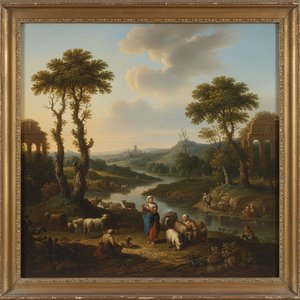
Nicolaes Berchem: Dutch Golden Age Pastoralism & the Evolution of Landscape Painting
Explore the captivating world of Nicolaes Berchem, a leading Dutch Golden Age painter. Discover his idyllic landscapes, masterful technique & lasting influence on art history. Learn more at OriginalUniqueArt.

Golden Light & Dutch Skies: Bringing the Magic of Dutch Golden Age Landscapes into Your Home
Transform your home with the breathtaking light of Dutch Golden Age landscapes. Discover how hand-painted oil reproductions of masterworks like Ruisdael and Vermeer bring timeless elegance, atmosphere, and soulful texture to modern interiors. Elevate your space with museum-quality art.

Hollandske Mestre: Top 10 Værker fra Guldalderen – Kunst til Dit Hjem
Oplev de 10 mest ikoniske værker fra den hollandske guldalder! Rembrandt, Vermeer og andre mestre afsløres. Find inspiration til dit hjem & køb museumskvalitets kunsttryk på OriginalUniqueArt.com.
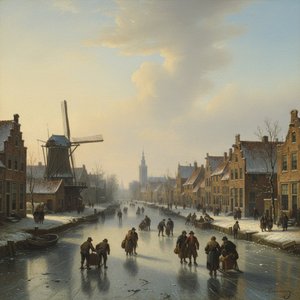
Charles Leickert: Capturing the Dutch Golden Age Light – A Comprehensive Study of Technique, Context, and Legacy
Explore the captivating winter landscapes of Charles Leickert, a master of Dutch Golden Age light & atmosphere. Discover his techniques, symbolism, and lasting legacy – a comprehensive study for art enthusiasts and collectors.

Golden Light & Dutch Skies: The Timeless Magic of Dutch Golden Age Landscapes
Discover the breathtaking beauty of Dutch Golden Age landscapes. Explore the mastery of light, chiaroscuro, and 17th-century realism through an expert art history lens, celebrating the enduring legacy of the Dutch Masters for discerning collectors and art lovers.


