

Dědictví vytesané do kamene a času
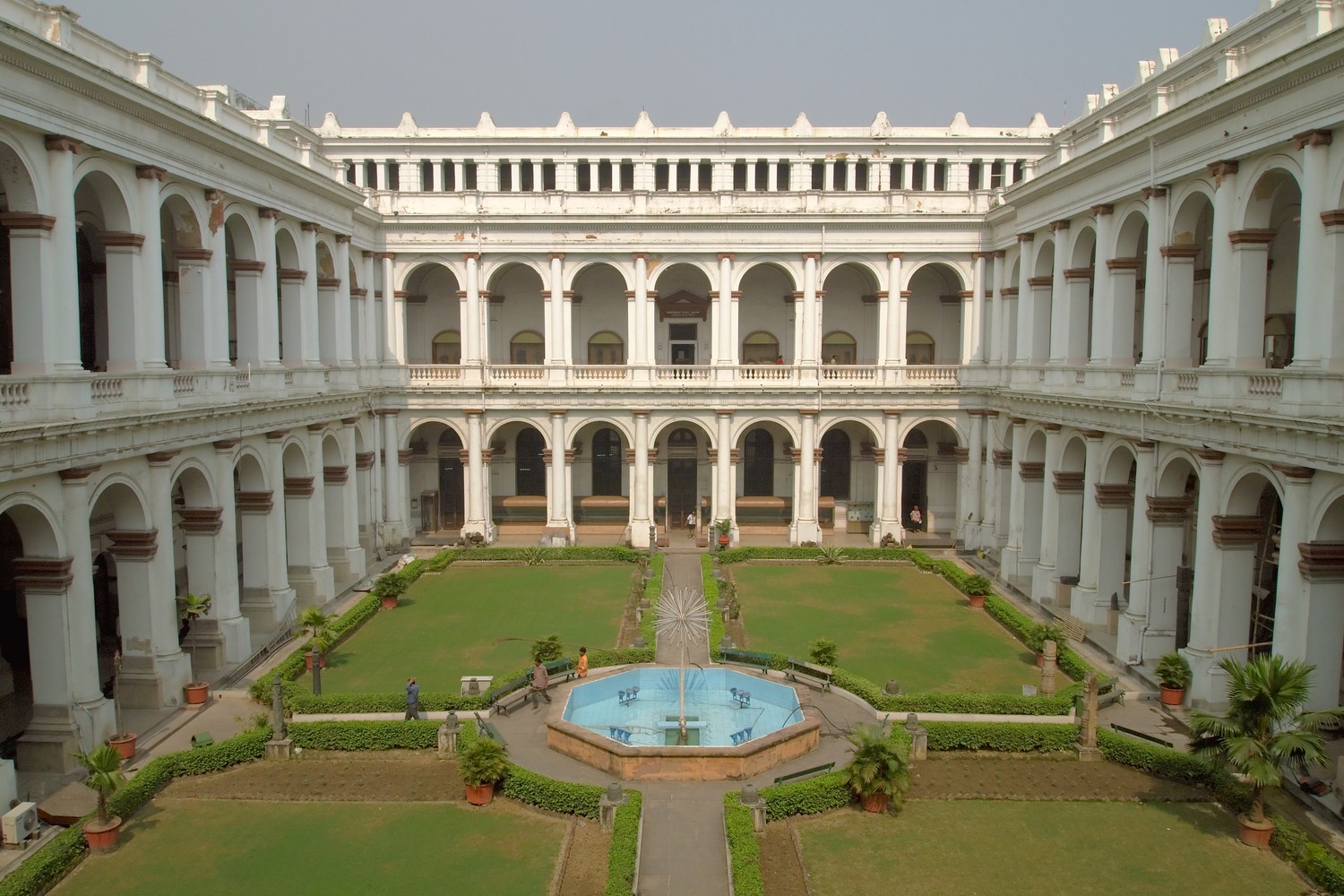
Indian Museum stojí jako monumentální svědectví intelektuálního dědictví Kalkuty – jako maják vědění osvětlovující staletí umělecké výraznosti a vědeckých objevů. Při přibližování k jeho impozantní fasádě je návštěvníka okamžitě zasáhl pocit úžasu, když si uvědomí, že vstupuje do prostoru, kde se ozvěny impérií snoubí s šepotem prastarých civilizací. Samotná budova je velkolepou neoklasicistickou stavbou, kterou navrhl William Lawrence Granville ve spolupráci se sirem Thomasem Oldhamem; slouží jako záměrné vyjazy vlivu britského kolonialismu, přičemž je organicky začleněna do živého městského krajinného ráje Kalkuty. Stavba z pískovce s jejím rozsáhlým nádvořím a vznesenými stropy vytváří atmosféru hluboké kontemplace a láká návštěvníky k prozkoumávání jejích nesmírných pokladů.
Kroky do jeho interiéru jsou jako zahájením neobyčejné cesty časem i napříč kontinenty. Muzeum zahrnuje ohromující sbírku, která překlenuje propast mezi lidským duchem a přírodním světem. Pro milovníky umění či historiky jsou zejména dechující archeologické galerie, které odhalují relikty indické údolí Indus , nádherné buddhistické sochy z Bharrutu a intricátní gandháru, jež představuje krásný průnik řeckých a indických uměleckých tradic. V těchto sálech lze obdivovat terakotové figurky zobrazující hinduistické bohy a mytologické příběhy, které poskytují živý obraz dávných vír.
Splynutí umění a vědy
Kromě archeologických divů nabízí muzeum globální perspektivy, které duši přenášejí do vzdálených krajin. Egyptská galerie , se svými překvapivě dobře zachovalými mumiemi a sarkofágy, slouží jako fascinující připomínka bohatého kulturního dědictví Egypta a jeho klíčové role při formování západní civilizace. Tato cesta lidskou historií je nádherně doplněna divy přírody. Kolekce fosilií – včetně majestátních kostrů dinosaurů – otevírají okno do prehistorického života, zatímco zoologické galerie představují neuvěřitelnou škálu vzorků od masivních savců až po křehké hmyzy.
Pro interiérového designéra či milovníka jemných detailů nabízí schopnost muzea spojit vědecké s estetickým nekonečnou inspiraci. Sbírka je bohatá na rozmanité textury a historické narativy, mezi které patří:
- Mogulské malby: Nabízejí pohled do opulentních dvorů a rafinované estetiky imperiální minulosti Indie.
- Mistrovská díla formy: Díla umělců jako je Raja Ravi Varma a Bharat Chandra Bose , která zachycují velkolepost královských průvodů a idealizované zobrazení hinduistických bóství.
- Starověké artefakty: Kurátorským výběrem zbraní, ozdob a antikvít, která svědčí o řemeslné dokonalosti uplynulých éry.
Indian Museum není pouze statickým monumentem, ale živou institucí, která se neustále vyvíjí, aby přijala nové technologie a vědecké pohledy. Zůstává vitálním srdcem uměleckého dialogu, kde se výzkum setkává s úžasem a kde každý artefakt vypráví příběh lidské vytrvalosti a tvůrčí geniality.