

Nestled Within Imperial Grandeur: A Journey Through Line and Light at the Graphische Sammlung Albertina
The Graphische Sammlung Albertina isn’t merely a museum; it's an immersive experience, a pilgrimage into the heart of visual communication. Tucked away within the historic walls of Vienna’s Hofburg Palace – a space steeped in centuries of Habsburg history and architectural splendor – this remarkable collection unveils the evolution of drawing and printmaking with breathtaking scope and intimate detail. Founded by Duke Albert of Saxony-Teschen in 1776, initially as his private haven for collecting artistic treasures, the Albertina has blossomed into one of Europe’s foremost repositories, safeguarding a legacy that stretches from the Renaissance to the vibrant graphic designs of today. Walking through its halls is akin to tracing the lineage of artistic ideas, witnessing firsthand how techniques evolved, styles shifted, and individual visions blossomed into enduring masterpieces – all within an environment that whispers tales of imperial patronage and artistic fervor.
The Albertina’s story is inextricably linked to the Habsburg dynasty and the architectural grandeur surrounding it. The initial collection, amassed with the assistance of Giacomo Durazzo, quickly gained renown for its exceptional quality and breadth. Over time, successive generations – including the influential Archduke Albrecht – added to this foundation, transforming a personal indulgence into a national asset when bequeathed to the Austrian state. This transition wasn’t merely about expanding access; it signified a commitment to meticulous preservation and scholarly inquiry – a dedication reflected in the museum's ongoing research programs and its active engagement with the wider academic community. The very structure of the building—originally a palace, later adapted for the collection—contributes to the atmosphere, creating an intimate space where one can truly appreciate the painstaking detail and artistic process behind each work.
A Universe Within Lines: Unveiling Collection Highlights
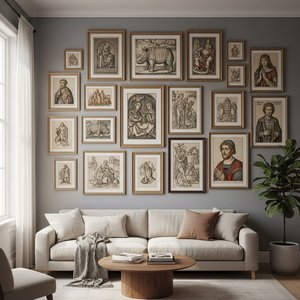
The sheer scale of the Albertina’s holdings is simply breathtaking. The collection isn't confined to a single era; it encompasses a vast panorama of artistic development, from the delicate sketches of Renaissance masters – revealing the meticulous process behind iconic works – to the bold graphic designs that define our modern world. A cornerstone of the museum’s identity remains Albrecht Dürer’s unparalleled collection of engravings and woodcuts. These aren't just reproductions; they are a comprehensive archive allowing for unprecedented study of this pivotal artist’s oeuvre, offering insights into his revolutionary use of perspective and his profound engagement with nature. Beyond these foundational periods, the Albertina boasts significant holdings from the 19th and 20th centuries, reflecting the vibrant artistic currents that shaped Vienna – including works by Klimt, Schiele, and Kokoschka. These artists, deeply rooted in Austrian cultural identity, pushed boundaries and challenged conventions, leaving an indelible mark on the art world. The museum’s embrace of photography acknowledges its vital role in the evolution of visual culture, adding a fascinating dimension to the collection and demonstrating how images have shaped our understanding of the world.
The Process Revealed: A Focus on Artistic Technique
What truly distinguishes the Graphische Sammlung Albertina is its unwavering commitment to revealing the artistic process itself. Unlike many museums that prioritize polished final products, the Albertina actively showcases sketches, studies, and preliminary drafts – often intimate glimpses into an artist’s working method. These rarely-seen works offer a profound insight into the creative journey, allowing viewers to trace the development of ideas from initial conception to finished form. Witnessing a Michelangelo sketch alongside his completed sculpture is not merely observing skill; it's witnessing the very birth of an idea – a profoundly illuminating experience for any art enthusiast. The museum’s curators meticulously document these preparatory stages, providing detailed information about materials, techniques, and artistic decisions, fostering a deeper appreciation for the artistry involved.
A Dynamic Hub for Art & Research: Shaping the Future of Visual Communication
Today, the Graphische Sammlung Albertina continues to thrive as a cultural institution and a center for scholarly inquiry. Regularly hosting exhibitions, lectures, and workshops, it caters to a diverse audience – from academics and art students to curious visitors seeking inspiration. The museum’s dedication to research ensures its collection remains accessible not only to visitors but also to the wider academic community, fostering ongoing dialogue and scholarship. It's more than just preserving art history; it’s actively shaping its future, solidifying its position as a vital force in the world of art and culture – a testament to the enduring power of the drawn and printed image. The Albertina remains a place where the past informs the present, inspiring new generations of artists, scholars, and art enthusiasts alike.