A Sanctuary of Wings and Wonder: Exploring the Cornell Lab of Ornithology
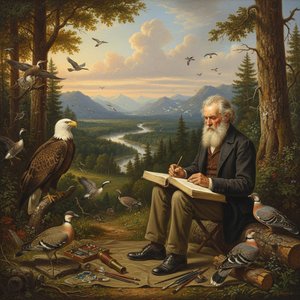
Nestled in the rolling hills of Ithaca, New York, the Cornell Lab of Ornithology transcends the typical definition of a research institution; it is a vibrant testament to our enduring connection with the avian world. Founded in 1915 by Arthur A. Allen – a visionary who championed the formal study of birds – the Lab has blossomed into a global hub for ornithological science, conservation, and citizen engagement. From its humble beginnings within Cornell University's entomology department to its current state-of-the-art facilities at Sapsucker Woods Sanctuary, the story of the Cornell Lab is one of passionate dedication and groundbreaking discovery. It’s a place where scientific rigor dances with public enthusiasm, fostering a unique environment that invites everyone to look up and listen. The very essence of the Lab lies in its ability to transform casual birdwatchers into invaluable scientific contributors, pioneering a spirit of collective observation that has revolutionized our understanding of avian life.
-
A Legacy Rooted in Observation:
The genesis of this extraordinary institution can be traced back to Arthur Allen’s unwavering belief in the power of meticulous fieldwork. Recognizing the importance of firsthand experience, he established Cornell University's ornithology program—a bold step forward at the time—laying the foundation for decades of scientific advancement.
-
The Birth of eBird:
Perhaps the Lab’s most transformative contribution to science is *eBird*, an online database that fundamentally altered our grasp of bird distribution and migration patterns. Imagine a real-time map, constantly updated by thousands of observers—a breathtaking visualization demonstrating how individual observations coalesce into a comprehensive picture of avian life on Earth! This pioneering project exemplifies the Lab’s commitment to harnessing collaborative knowledge.
-
Architectural Harmony with Nature:
The Imogene Powers Johnson Center for Birds and Biodiversity embodies this ethos perfectly. Designed to seamlessly integrate into Sapsucker Woods Sanctuary—a 300-acre preserve boasting over five miles of winding trails—the Visitor Center is more than just a building; it’s an immersive experience that invites visitors to reconnect with the natural world.
-
Citizen Science at Its Finest:
Beyond *eBird*, projects like *NestWatch* and *Celebrate Urban Birds* empower individuals to contribute meaningfully to conservation efforts. These initiatives underscore the Lab's conviction that collective action—fueled by curiosity and passion—is crucial for safeguarding bird populations in a rapidly changing environment.
-
A Window into Avian Life:
The Bird Cams offer an unparalleled glimpse into the hidden dramas unfolding within avian families—a testament to the Lab’s dedication to both observation and scientific research. These cameras capture moments of incredible beauty and complexity, inspiring awe and fostering a deeper appreciation for the natural world.
The Imogene Powers Johnson Center for Birds and Biodiversity: A Celebration of Light and Space
The Visitor Center’s design reflects Sapsucker Woods Sanctuary's serene atmosphere—maximizing natural light and incorporating expansive windows that frame stunning views of the surrounding woodlands. The interior spaces are thoughtfully arranged to encourage exploration and contemplation, creating an environment conducive to learning and inspiration. Visitors can marvel at artwork inspired by birds, immersing themselves in a visual dialogue with the Lab’s scientific pursuits.
-
Interactive Exhibits:
Explore captivating displays that illuminate avian ecology—from insect pollination to predator-prey relationships.
-
The Observatory:
Peer through telescopes and gaze upon celestial wonders alongside astronomers studying the influence of light pollution on bird behavior.
-
Trails Through Sapsucker Woods:
Embark on a journey through five miles of winding trails, encountering diverse habitats teeming with avian life.
More Than Just Observation—A Commitment to Conservation
The Cornell Lab’s enduring legacy extends beyond scientific discoveries; it resides in its ability to inspire a sense of wonder and responsibility—a recognition that we all have a role to play in protecting the future of these magnificent creatures and the ecosystems they inhabit. The Lab stands as a beacon of hope, demonstrating that scientific rigor combined with public engagement can yield transformative results for biodiversity conservation.