A Monumental Testament: St. Peter’s Basilica
Stepping into St. Peter’s Basilica is not merely entering a building; it’s embarking on an immersive experience, a profound dialogue between history, spirituality, and the unparalleled artistry of humankind. Rising majestically above Vatican City, this colossal structure—a testament to centuries of papal ambition and devotion—draws millions each year seeking connection with its sacred roots and marveling at its breathtaking scale. The Basilica’s story isn't confined to a single era; it’s a layered narrative beginning long before the iconic dome we see today, rooted in the fourth century CE when Constantine commissioned the first basilica over Saint Peter’s tomb – a site already venerated as the burial place of Jesus Christ’s apostle. Today, it remains one of the largest churches globally, a beacon of artistic achievement and architectural innovation that continues to inspire awe and reverence with its sheer scale and breathtaking beauty. It's a space where echoes of ancient Rome mingle seamlessly with the fervent prayers of countless pilgrims, creating an atmosphere unlike any other.
The Basilica’s transformation into the Basilica’s current form is largely attributed to the visionary leadership of Pope Julius II and the unparalleled genius of Michelangelo Buonarroti. Recognizing the limitations of the original Greek cross plan – a deliberate echo of Jerusalem's Holy Sepulchre – Julius II dramatically expanded the design, incorporating a Latin cross configuration that maximizes visual impact and symbolizes Christ’s sacrifice. This bold decision, initially met with resistance from papal advisors, proved instrumental in creating the vast, soaring interior we now recognize. Michelangelo’s masterpiece, the dome itself, stands as a symbol of human ingenuity and spiritual aspiration; its intricate details and dizzying height defied conventional engineering at the time, elevating artistic ambition to unprecedented heights. The space is designed not just for visual impact but to evoke a sense of profound humility and connection with the divine – a deliberate intention woven into every stone and sculpted surface.
Architectural Wonders: A Symphony of Form and Light
The Basilica’s design is a symphony of architectural elements, each contributing to its overwhelming grandeur. Perhaps most striking is Gian Lorenzo Bernini's colossal colonnade, an undulating embrace that draws visitors inward toward the altar. This sweeping curve creates an illusion of infinite space, blurring the boundaries between the exterior and interior, and inviting contemplation – a masterful use of perspective designed to humble the viewer before the divine. Bernini’s masterful use of light and shadow further enhances this effect, creating a dynamic interplay of form and atmosphere that shifts with the changing sunlight throughout the day. Beyond the colonnade, Michelangelo's dome dominates the Roman skyline – a testament to his engineering prowess and artistic vision. The sheer scale of the dome is matched by its intricate detail, with sculptures adorning every level, each telling a story from scripture. The use of coffers and projecting elements creates a mesmerizing visual rhythm that guides the eye upwards towards the heavens.
The Basilica’s interior is equally impressive, featuring soaring arches, elaborate mosaics depicting biblical scenes, and stunning marble floors. The vastness of the nave is punctuated by towering columns, many of which are adorned with intricate carvings and gilded details. Look closely, and you'll discover hidden symbols and references to Christian theology woven into every element of the design – a testament to the Basilica’s role as both a sacred space and a profound work of art. The sheer volume of marble—sourced from quarries across Italy and beyond—creates an atmosphere of opulent serenity, while the carefully orchestrated lighting enhances the colors and textures of the mosaics and sculptures.
Treasures Within: Masterpieces of Faith and Art
Within the Basilica’s walls reside an extraordinary collection of artworks spanning centuries and reflecting the evolving tastes of papal patronage. Fra Angelico's “Ordination of St. Stephen,” housed in the Cappella Nuova, is a prime example of Early Renaissance artistry. Painted with luminous pigments – particularly ultramarine blue, painstakingly extracted from lapis lazuli – the fresco embodies Angelico’s profound understanding of biblical iconography and his ability to convey spiritual contemplation through delicate brushstrokes. The figures seem to glow from within, their expressions conveying a quiet devotion that resonates deeply with the viewer. Alongside this iconic piece, visitors can marvel at Michelangelo's “Moses,” a sculpture capturing the raw emotion of divine command, and Bernini’s Baldachin over the Papal Altar – a monumental sculptural ensemble designed to dominate the nave and proclaim papal majesty.
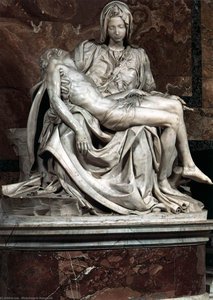
Don’t miss Michelangelo’s “Pietà,” sculpted during his formative years, a poignant depiction of Mary cradling the lifeless body of Christ. This masterpiece transcends mere anatomical accuracy to achieve unparalleled emotional depth. The statue's masterful execution demonstrates Michelangelo’s mastery of marble carving and embodies the humanist ideals prevalent in Renaissance Florence; the smoothness of Mary’s face contrasts beautifully with the detailed rendering of Christ’s wounds, creating a powerful visual narrative of grief and sacrifice. It is a work that continues to evoke tears and inspire reflection on themes of loss, compassion, and redemption. The “Pietà” stands as a testament to Michelangelo's early genius and his ability to imbue stone with profound human emotion.
A Living Tradition: Exhibitions and Papal Significance
St. Peter’s Basilica continues to resonate not only as a historical monument but also as a vibrant center of Catholic faith and tradition. It hosts countless papal ceremonies – including Christmas Mass and Easter Vigil – events attended by millions of pilgrims from across the globe, creating an atmosphere of solemnity and devotion. The sheer scale of these gatherings underscores the Basilica’s enduring significance as a spiritual hub. Regularly hosting exhibitions exploring themes of faith, art history, and papal patronage, St. Peter's Basilica provides a unique opportunity to engage with cultural heritage on a grand scale. Consider visiting during Lent or Advent to experience the profound liturgical traditions that define this sacred space. The Basilica’s ongoing commitment to preserving its artistic treasures and sharing its story ensures that it will remain a source of inspiration and wonder for generations to come.