Portrét Niklaus Manuel

13 nejslavnějších obrazů autora Niklaus Manuel, výběr z galerie

Aktualizováno listopad 2026 · seřazeno podle našeho skóre popularity (vyhledávání, návštěvy a objednávky u každého díla) · 13 děl umělce Niklaus Manuel v našem katalogu

Stručně řečeno

Z všech originálů, které Niklaus Manuel zanechal, je nejslavnější Allegory of Death, který se nachází ve sbírce Louvre, Paříž. Hned za ním následují Portrait of an unknown nobleman. a Temptation of Saint Anthony. Náš katalog obsahuje 13 děl umělce Niklaus Manuel; galerie si zachovala 13 děl, která obdivuje celý svět, přičemž každé je znázorněno s datem vzniku, názevem muzea a jeho příběhem.

1484 – 1530, Berlín Renaissance Nejvíce děl: Kunstmuseum Bern

10 nejlepších obrazů umělce Niklaus Manuel: výběr galerie

1
Allegory of Death od Niklaus Manuel

Allegory of Death

Drawing · Louvre, Paříž

To gaze upon this drawing is to confront one of humanity's most enduring philosophical quandaries: the passage of time and the inevitability of decay. This piece, an arresting study in Renaissance allegory, presents a figure caught in a profound moment of transition. The central nude woman, rendered with exquisite detail, embodies more than just human form; she becomes a living meditation on beauty’s ephemeral nature. Her flowing hair seems to…

2
Portrait of an unknown nobleman. od Niklaus Manuel

Portrait of an unknown nobleman.

Oil

The Portrait of an unknown nobleman. by Niklaus Manuel presents a silent encounter with a figure from a bygone era. This portrait, rendered by the Swiss artist Niklaus Manuel, captures a man whose identity remains a mystery to the modern eye. He gazes out from the canvas with a calm, steady expression, his presence filling the space with a quiet sense of authority. We see a man who carries the…

3
Temptation of Saint Anthony od Niklaus Manuel

Temptation of Saint Anthony

Oil

The oil painting presents a chaotic scene of physical struggle and movement. Several demonic figures occupy the space, engaged in combat and aggressive gestures. The composition follows a strong diagonal thrust, moving from the lower left corner toward the central figures. This arrangement directs the eye through a series of overlapping bodies and dynamic poses. The lighting is directional, casting deep shadows and highlighting the textures of skin and drapery.…

4
Anna selbdritt and the Holy Jacobus and Rochus as intercessors for mankind bothered by the plague humanity od Niklaus Manuel

Anna selbdritt and the Holy Jacobus and Rochus as intercessors for mankind bothered by the plague humanity

Oil On Panel

In "Anna selbdritt and the Holy Jacobus and Rochus as intercessors for mankind bothered by the plague humanity" by Niklaus Manuel, the canvas holds a heavy religious scene. The work presents a vision of faith and the beginning of salvation. It captures a moment of divine intervention amidst the suffering of the mortal world. The figures act as a bridge between the earthly struggle and the celestial promise.

5
Bernese Collection of the Historisches Museum Bern od Niklaus Manuel

Bernese Collection of the Historisches Museum Bern

A Noble Portrait from Renaissance Bern: Unveiling Niklaus Manuel's Masterpiece This striking portrait, part of the esteemed Bernese Collection housed within the Historisches Museum Bern, offers a captivating glimpse into 16th-century Swiss society. Painted by Niklaus Manuel (1484-1530), a pivotal figure in Bern’s artistic landscape and a man who skillfully bridged art and politics, this work exemplifies the burgeoning Renaissance spirit taking hold in Switzerland. The subject is depicted as…

6
Thomas Aquinas in Saint Louis od Niklaus Manuel

Thomas Aquinas in Saint Louis

Painting

The painting titled Thomas Aquinas in Saint Louis is a work by the Swiss artist Niklaus Manuel. This composition depicts the subject Thomas Aquinas, an Italian Dominican theologian. The figure of the theologian is situated within a scene involving a gathering of individuals around a table.

7
Hl. Lukas, die Madonna malend, Altarflügel od Niklaus Manuel

Hl. Lukas, die Madonna malend, Altarflügel

The painting Hl. Lukas, die Madonna malend, Altarflügel emerges from the brush of Niklaus Manuel, a figure whose life was as multifaceted as the roles he occupied. Born in Bern, Switzerland, in 1484, Manuel moved through the sixteenth century as a painter, a writer, and a mercenary soldier. His hand captures a moment of sacred creation, a scene where the divine meets the earthly through the act of painting itself.…

8
St Eligius in the Workshop od Niklaus Manuel

St Eligius in the Workshop

Oil · Kunstmuseum Bern, Bern

The oil painting titled St Eligius in the Workshop emerges from the year 1515, capturing a quiet moment of devotion within a craftsman's space. Niklaus Manuel, the artist behind this work, focuses his attention on the subject of saints, bringing a sense of purpose to the workshop setting. The scene unfolds with a stillness that invites the viewer to witness the intersection of labor and faith.

9
Copy of the Danse Macabre of the Dominican cemetery of Bern‎ od Niklaus Manuel

Copy of the Danse Macabre of the Dominican cemetery of Bern‎

Painting

This work is a Copy of the Danse Macabre of the Dominican cemetery of Bern by Niklaus Manuel. The artist, Niklaus Manuel, lived a life of many masks, acting as a Swiss artist, writer, mercenary, and Reformed politician. His hand once guided the brush that began the original Danse Macabre in 1516 or 1517. That first vision was anchored to the stone of the Dominican Abbey in Bern.

10
St Luke Painting the Madonna (detail) od Niklaus Manuel

St Luke Painting the Madonna (detail)

Oil · Kunstmuseum Bern, Bern

St Luke Painting the Madonna (detail) is a work by Niklaus Manuel. Born in Bern, Switzerland, in 1484, Manuel was a multifaceted figure of the Northern Renaissance. His life and career spanned the roles of Swiss artist, writer, mercenary, and Reformed politician. He remained connected to his birthplace until his death on 28 April 1530 in Bern.

Výběr umělce Niklaus Manuel pokračuje, od 11 do 13

Motivy, které zaujaly Niklaus Manuel

Čtyři témata, která se v těchto originálech nejčastěji objevují, z nichž každé má svůj nejlepší příklad.

Muzea, v nichž jsou vystavena originálna umělce Niklaus Manuel

4 muzea, v nichž je umístěno nejvíce obrazů z této stránky.

Muzeum Město Díla autora Niklaus Manuel Obrazy z tohoto seznamu
Kunstmuseum Bern, BernKunstmuseum Bern Bern 2 St Eligius in the Workshop, St Luke Painting the Madonna (detail)
Louvre, PařížLouvre Paříž 1 Allegory of Death
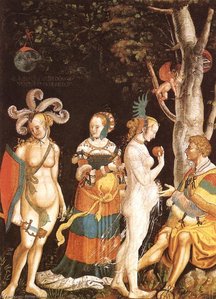
Öffentliche Kunstsammlung, BasilejÖffentliche Kunstsammlung Basilej 1 The Judgment of Paris
Kunstmuseum Basel, BasilejKunstmuseum Basel Basilej 1 Beheading of John the Baptist

Niklaus Manuel rok po roce: originální díla, která definují každou éru

1517 je rok každého datovaného díla Niklaus Manuel v tomto výběru: zde jsou, seřazena podle slávy.

Díla podle roku

Vyberte rok a prohlédněte si originály.

Otázky sběratelů o obrazech umělce Niklaus Manuel

Kterým dílem je Niklaus Manuel nejznámější?Odhalit odpověď

Allegory of Death, Louvre, Paříž. Následují Portrait of an unknown nobleman. a Temptation of Saint Anthony.

Kterých deset nejslavnějších obrazů má Niklaus Manuel?Odhalit odpověď

Allegory of Death, Portrait of an unknown nobleman., Temptation of Saint Anthony, Anna selbdritt and the Holy Jacobus and Rochus as intercessors for mankind bothered by the plague humanity, Bernese Collection of the Historisches Museum Bern, Thomas Aquinas in Saint Louis, Hl. Lukas, die Madonna malend, Altarflügel, St Eligius in the Workshop, Copy of the Danse Macabre of the Dominican cemetery of Bern‎ a St Luke Painting the Madonna (detail). Hodnocení výše uvádí rok a muzeum pro každé z nich.

Kolik obrazů zanechal(a) Niklaus Manuel?Odhalit odpověď

Náš katalog obsahuje 13 děl od Niklaus Manuel.

Ve kterých muzeích jsou vystavena díla mistrovská umělce Niklaus Manuel?Odhalit odpověď

Většinou v Kunstmuseum Bern (Bern), Louvre (Paříž) a Öffentliche Kunstsammlung (Basilej). V tabulce muzeí výše jsou vypsány všechny.

Jaká témata si Niklaus Manuel vybíral nejčastěji?Odhalit odpověď

Man (3), People (3) a Landscape (2) napříč 13 díly na této stránce.

Kterou techniku používal(a) Niklaus Manuel nejčastěji?Odhalit odpověď

Oil, u 5 z 13 děl na této stránce.

K kterému uměleckému směru patří Niklaus Manuel?Odhalit odpověď

Renaissance, podle originálů na této stránce.

Která díla umělce Niklaus Manuel jsou vystavena v Kunstmuseum Bern?Odhalit odpověď

St Eligius in the Workshop a St Luke Painting the Madonna (detail): muzeum Kunstmuseum Bern, Bern má v obsluze 2 děl z této stránky.

Niklaus Manuel: život a dílo

Renesanční vizionář Berna: Život a odkaz Niklaus Manuel

V živobném tapisérii šestnáctého století severní renesance se málo postav vyniká takovým rozměrem nebo mnohostranností jako Niklaus Manuel. Tento výjimečný jedinec, narozený kolem roku 1484 v Berline, byl mnohem víc než jen pouhým malířem; byl to žoldnéř, spisovatel a klíčová postava v občanském životě Bernu. Jeho život byl vírem pohybu i intelektu, která překlenula propast mezi brutální realitou evropských válek a vyzrálými humanistickými ideály renesance. Jako ústřední postava umělecké krajiny Švýcarska slouží Manuelovo dílo jako hluboké okno do éry definované duchovním bojem, politickými převraty a rostoucím fascinací lidskou existencí.

Základy Manuelova technického mistrovství lze dohledat v jeho formativních letech v Basileji, kde prošel přísným výcvikem pod legendárním Hansem Holbeinem mladším. Toto učňovské období bylo transformativní, vneslo do něj meticulózní oddanost realismu a sofistikovanou ovládnutí chiaroscuro. Od Holbeina Manuel odziedzil cit pro drobné detaily přírody a lidské formy, stejně jako schopnost využít světlo a stín k vdechnutí psychologické hloubky svým postavám. Tento vztah k humanistické tradici mu umožnil vystoupit nad pouhou ornamentiku a místo toho vytvářet díla, která upřednostňovala pozorování a přesnou, až viscerální reprezentaci světa kolem něj.

Mistrovství symbolismu a narace

Manuelova umělecká tvorba je charakteristická neuvěřitelnou všestranností, která sahá od hluboce náboženských oltářů až po pronikavé satirické kompozice. Jeho schopnost proplétat komplexní teologické narativy s humanistickým symbolismem mu umožnila zachytit dualitu své doby – to posvátné i profánní, věčné i smrtelné. Jedním z jeho nejkrásnějších a zároveň nejtragičtějších témat bylo zkoumání smrtelnosti, často vyjádřené prostřednictí složitých krajin a symbolických postav. V dílech jako je jeho Allegorie smrti využívá obraz nahé ženy držící lebku k vyvolání hlubokých meditací nad proměnou a nevyhnutelností konce, umístěných na neuvěřitelně detailním pozadí, které demonstruje jeho ovládnutí vyprávění prostřednictvím prostředí.

Kromě kontemplativního aspektu disponoval Manuel talentem pro zachycení intenzivního, dynamického boje. Jeho Pokoušení svatého Antonína stojí jako důkaz jeho schopnosti využít vznikající manýristický styl, využívající bohaté barvy a intenzivní detail k vykreslení demonického pokušení a duchovní války. Tato schopnost dramatu byla možná nejslavněji ztělesněna v jeho monumentální nástěnné malbě, Danse Macabre, v dominikánském klášteře v Bernu. Ačkoliv toto mistrovské dílo bylo v roce 1660 tragicky ztraceno, jeho vliv žil dále prostřednictvím dobových kopií a připomínal divákům jeho schopnost ovládat velkolepé kompozice, které rezonovaly s kolektivním vědomím Bernského lidu.

Historický význam a umělecká vytrvalost

Význam Niklause Manuela přesahuje hranice Švýcarska. Představoval unikátní typ renesančního člověka – umělce, jehož štětec byl stejně aktivní v síních vlády a na evropských bojištích, jako v tichých studiích v Basileji. Jeho portréty, jako ty nalezené v Historisches Museum Bern, odhalují mistra schopného zachytit důstojnost a symbolickou váhu šlechty s využitím dramatického osvětlení, které povyšuje jeho subjekty do podoby ikon své éry.

V konečném důsledku je Manuelův odkaz definován jeho rolí jako mostu. Propojil mezeru mezi późně gotickými tradicemi a nastupující renesancí; překlenul vzdálenost mezi vojáckou drsností a učenou grací; a co nejdůležitější, propojil lidskou zkušenost s božským prostřednictvím svého umění. Jeho díla zůstávají nezbytnými kameny pro pochopení kulturní metamorfózy šestnáctého století a nabízejí pohled do světa, kde byly umění, politika a spiritualita neoddělitelně provázány.