


1


Aktualizováno listopad 2026 · seřazeno podle našeho skóre popularity (vyhledávání, návštěvy a objednávky u každého díla) · 21 děl umělce Gerrit Van Vucht v našem katalogu
Stručně řečeno
Church interior (1632) je obraz autora Gerrit Van Vucht, který přitahuje nejvíce pohledů; originál se nachází v Museum Boijmans Van Beuningen, Rotterdam. Poté se zrak přesouvá k Still Life with Ham, a Glass of Beer, and a Lemon (1661) a Still life with fish, eggs, bread and pans (1650). Z 21 děl umělce Gerrit Van Vucht v našem katalogu je těchto 21 těch nejznámějších; každé z nich je unikátním originálem s uvedením roku vzniku, muzea a důvodu jeho nesmrtelnosti.


 Still Life with Books1677 · Museum Boijmans Van Beuningen
12
 Still life of a laid table in an interior1680
13
 Still life with berkemeyer and peaches1680
14
 Still life with a crab on a pewter plate, roemer, salt cellar, napkin, peaches, a peeled lemon, a bun and grapes1680
15
 Fruit still life1675
16
 Still life of books with a columbine cup1690
17
 Vanitas Still Life, Gerrit van Vucht, 1658 - 16971697 · Rijksmuseum
18
 Interior of a Gothic ChurchKunsthistorisches Museum
19
 Still life with sphere, books, tazza and wine glassAkademie výtvarních umění Praha
20
 Still life with skull, books, candle and a flaskAshmolean Museum
21
 Still life with a dead duck, fish, pears, eggs, a copper pot and other objects, all arranged on a kitchen cabinet
8 muzea, v nichž je umístěno nejvíce obrazů z této stránky.
| Muzeum | Město | Díla autora Gerrit Van Vucht | Obrazy z tohoto seznamu |
|---|---|---|---|
 Museum Boijmans Van Beuningen |
Rotterdam | 2 | Church interior, Still Life with Books |
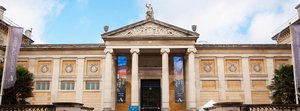 Ashmolean Museum |
Oxford | 2 | Still life with stoneware jug, bekerschroef, glassware and a leg of ham, Still life with skull, books, candle and a flask |
 Het Prinsenhof |
Delft | 1 | Still Life with Ham, a Glass of Beer, and a Lemon |
 The National Museum in Poznań |
Poznań | 1 | Still life with beads, books, hourglass, letters and bottle |
 Nationalmuseum |
Stockholm | 1 | Still Life with Fruit |
 Rijksmuseum |
Amsterdam | 1 | Vanitas Still Life, Gerrit van Vucht, 1658 - 1697 |
 Kunsthistorisches Museum |
Vídeň | 1 | Interior of a Gothic Church |
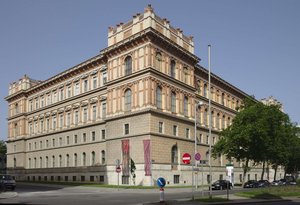 Akademie výtvarních umění Praha |
Vídeň | 1 | Still life with sphere, books, tazza and wine glass |
Vyberte si dekádu a prohlédněte si originál, který ji definuje.


Church interior (1632), Museum Boijmans Van Beuningen, Rotterdam. Následují Still Life with Ham, a Glass of Beer, and a Lemon (1661) a Still life with fish, eggs, bread and pans (1650).
22 let: dílo Church interior pochází z roku 1632 a Gerrit Van Vucht se narodil/a v roce 1610.
Church interior, Still Life with Ham, a Glass of Beer, and a Lemon, Still life with fish, eggs, bread and pans, Kitchen still life with meat, fish and vegetables, Still life with books and flute, Still life with tric-trac game on a wooden table, chairs and a cello to the right, Still life with beads, books, hourglass, letters and bottle, Still life with stoneware jug, bekerschroef, glassware and a leg of ham, Still life with a pewter jug, roemers and a leg of ham a Still Life with Fruit. Hodnocení výše uvádí rok a muzeum pro každé z nich.
Náš katalog obsahuje 21 děl umělce Gerrit Van Vucht z let 1632 až 1697.
Většinou v Museum Boijmans Van Beuningen (Rotterdam), Ashmolean Museum (Oxford) a Het Prinsenhof (Delft). V tabulce muzeí výše jsou vypsány všechny.
V období 1650s: 6 z celkem 21 děl na této stránce vzniklo právě tehdy, z toho Still life with fish, eggs, bread and pans z nich.
Na této stránce je nejstarší dílo z Church interior (1632) a nejnovější z Vanitas Still Life, Gerrit van Vucht, 1658 - 1697 (1697).
Church interior a Still Life with Books: muzeum Museum Boijmans Van Beuningen, Rotterdam má v obsluze 2 děl z této stránky.