Portrét Ambrogio Bergognone

40 nejslavnějších obrazů autora Ambrogio Bergognone, každý naprosto unikátní

Aktualizováno listopad 2026 · seřazeno podle našeho skóre popularity (vyhledávání, návštěvy a objednávky u každého díla) · 44 děl umělce Ambrogio Bergognone v našem katalogu

Stručně řečeno

St Agnes (1495) je obraz autora Ambrogio Bergognone, který přitahuje nejvíce pohledů; originál se nachází v Pinacoteca di Brera, Milán. Poté se zrak přesouvá k Crucified Christ with the Virgin and Saint John (1487) a The Lamentation over the Dead Christ (1485). Z 44 děl umělce Ambrogio Bergognone v našem katalogu je těchto 40 těch nejznámějších; každé z nich je unikátním originálem s uvedením roku vzniku, muzea a důvodu jeho nesmrtelnosti.

1453 – 1523, Fossano Renaissance Nejvíce děl: Pinacoteca di Brera

Top 10 obrazů autora Ambrogio Bergognone podle výběru galerie

1
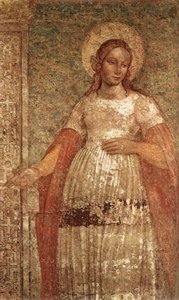
St Agnes (1495) od Ambrogio Bergognone

St Agnes

1495 · Fresco · Pinacoteca di Brera, Milán

In this 1495 fresco, we encounter a figure of profound stillness. St Agnes is presented with a serene expression that invites a moment of silent contemplation. The composition is centered, drawing the eye immediately to the woman’s face and her gentle, offering gesture. There is a certain weight to her presence, achieved through the meticulous rendering of her drapery and the soft, diffuse light that defines her form. She does…

2
Crucified Christ with the Virgin and Saint John (1487) od Ambrogio Bergognone

Crucified Christ with the Virgin and Saint John

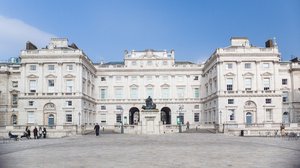
1487 · Tempera On Panel · Courtauld Gallery, Londýn

The work before us is titled Crucified Christ with the Virgin and Saint John. It is attributed to the Circle of Ambrogio da Fossano, also known as il Bergognone, a painter active during the late fifteenth and early sixteenth centuries. This specific piece emerged from that creative environment around 1485–1490. The composition focuses on the central figure of Christ on the cross, flanked by the Virgin Mary and Saint John…

3
The Lamentation over the Dead Christ (1485) od Ambrogio Bergognone

The Lamentation over the Dead Christ

1485 · Oil On Panel

In this late-15th-century oil on panel, we find ourselves drawn into a tightly clustered, intimate space where the weight of grief is felt through silence rather than outcry. The scene depicts the lamentation over the body of Christ, a moment of profound stillness following the crucifixion. The composition is dense, pulling the viewer into a shallow, outdoor setting where the figures are arranged in a close-knit circle of mourning. There…

4
Presentation at the Temple (1494) od Ambrogio Bergognone

Presentation at the Temple

1494 · Tempera On Panel

This 1494 triptych, rendered in the late 15th-century Italian Renaissance style, presents a formal and hierarchical arrangement of religious figures. The central panel captures the Presentation at the Temple, where the Virgin Mary, draped in a blue mantle, holds the Christ Child amidst a gathering of bearded men in ornate liturgical vestments. The composition relies on strong vertical lines and a shallow perspective, focusing the viewer's attention on the figures…

5
St. Peter and a Kneeling Donor (1500) od Ambrogio Bergognone

St. Peter and a Kneeling Donor

1500 · Oil On Panel

A tall figure in heavy black clerical robes dominates the vertical space, his presence anchored by the weight of his habit. Beside him, a woman kneels in profile, her hands folded in a gesture of silent plea. The saint holds a golden palm frond, a slender line of victory against the dark fabric of his garment. A soft light descends from the upper left, catching the curve of a halo…

6
St. Augustine and a Kneeling Donor (1494) od Ambrogio Bergognone

St. Augustine and a Kneeling Donor

1494 · Oil On Panel

A tall, standing figure of St. Augustine dominates the vertical space, his presence marked by the weight of a heavy, embroidered cope. The fabric catches a soft light from the upper left, revealing the meticulous texture of gold threadwork and fine patterns. Beside him, a donor kneels in a gesture of profound piety, seeking spiritual intercession. They exist within a shallow architectural space, a small stage for a private dialogue…

7
Mary enthroned with child (1500) od Ambrogio Bergognone

Mary enthroned with child

1500 · Tempera On Panel · Gemäldegalerie, Berlín

In "Mary enthroned with child" by Ambrogio Bergognone, a profound sense of stillness settles over the scene. The composition is centered and symmetrical, drawing the eye immediately to the heart of the work. Here, the Virgin Mary sits upon a heavy, ornamental throne, cradling the Christ Child upon her lap. This central focus highlights the tender maternal bond between mother and son. Two smaller angelic figures flank the pair, their…

8
Madonna and Child (Madonna of the Rose Garden), Saint Christopher and Saint George (Triptych) (1492) od Ambrogio Bergognone

Madonna and Child (Madonna of the Rose Garden), Saint Christopher and Saint George (Triptych)

1492 · Tempera On Panel · The National Museum in Poznań, Poznań

This Renaissance triptych painting, dated 1492, consists of three vertical panels depicting religious figures against a landscape background. The composition is balanced and serene, characterized by smooth transitions and clear outlines. In the central panel, the Madonna of the Rose Garden features the Virgin Mary seated and draped in a voluminous blue mantle over a red gown, her hands joined in prayer. She holds the infant Jesus, who lies partially…

9
Madonna and Child, St. Christopher and St. George (1494) od Ambrogio Bergognone

Madonna and Child, St. Christopher and St. George

1494 · Tempera On Panel · The National Museum in Poznań, Poznań

The air within the frame feels heavy with a quiet, sacred stillness. In this triptych, the Virgin Mary cradles the infant Jesus, their forms emerging from a soft, luminous glow that seems to emanate from the very wood of the panel. The scene is divided into three distinct realms, each a window into a different facet of faith. In the central panel, the Madonna and Child rest amidst a lush…

Slavná díla umělce Ambrogio Bergognone, čísla 11 až 40

Slavná díla Ambrogio Bergognone podle jednotlivých období

Motivy, které zaujaly Ambrogio Bergognone

Čtyři témata, která se v těchto originálech nejčastěji objevují, z nichž každé má svůj nejlepší příklad.

Muzea, v nichž jsou vystavena originálna umělce Ambrogio Bergognone

8 muzea, v nichž je umístěno nejvíce obrazů z této stránky.

Muzeum Město Díla autora Ambrogio Bergognone Obrazy z tohoto seznamu
Pinacoteca di Brera, MilánPinacoteca di Brera Milán 5 St Agnes, Madonna and Child (also known as Madonna del Velo), St Catherine of Alexandria
National Gallery, LondýnNational Gallery Londýn 4 Christ carrying the Cross, The Agony in the Garden, The Virgin and Child
Gemäldegalerie, BerlínGemäldegalerie Berlín 2 Mary enthroned with child, The Virgin and child enthroned with two saints
The National Museum in Poznań, PoznańThe National Museum in Poznań Poznań 2 Madonna and Child (Madonna of the Rose Garden), Saint Christopher and Saint George (Triptych), Madonna and Child, St. Christopher and St. George
Sforzův hrad, MilánoSforzův hrad Miláno 2 The Compassion of Christ between two angels, Charity of Saint Benedict
Courtauld Gallery, LondýnCourtauld Gallery Londýn 1 Crucified Christ with the Virgin and Saint John
Philadelphia Museum of Art, PhiladelphiaPhiladelphia Museum of Art Philadelphia 1 Saint Mary Magdalene
Rijksmuseum, AmsterdamRijksmuseum Amsterdam 1 Madonna and Child

Ambrogio Bergognone napříč desetiletími: jeden unikátní originál pro každou dekádu

Díla podle dekád

Vyberte si dekádu a prohlédněte si originál, který ji definuje.

Obrazy umělce Ambrogio Bergognone: dotazy pro galerii

Kterým nejznámějším dílem je Ambrogio Bergognone?Odhalit odpověď

St Agnes (1495), Pinacoteca di Brera, Milán. Následují Crucified Christ with the Virgin and Saint John (1487) a The Lamentation over the Dead Christ (1485).

V jakém věku vytvořil(a) Ambrogio Bergognone dílo St Agnes?Odhalit odpověď

42 let: dílo St Agnes pochází z roku 1495 a Ambrogio Bergognone se narodil/a v roce 1453.

Kterých deset obrazů autora Ambrogio Bergognone je nejznámějších?Odhalit odpověď

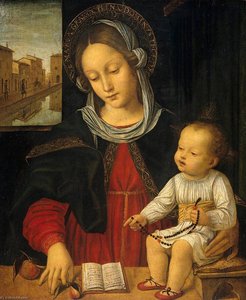
St Agnes, Crucified Christ with the Virgin and Saint John, The Lamentation over the Dead Christ, Presentation at the Temple, St. Peter and a Kneeling Donor, St. Augustine and a Kneeling Donor, Mary enthroned with child, Madonna and Child (Madonna of the Rose Garden), Saint Christopher and Saint George (Triptych), Madonna and Child, St. Christopher and St. George a Madonna and Child (also known as Madonna del Velo). Hodnocení výše uvádí rok a muzeum pro každé z nich.

Kolik známých děl má autor Ambrogio Bergognone?Odhalit odpověď

Náš katalog obsahuje 44 děl umělce Ambrogio Bergognone z let 1480 až 1523.

Kde lze vidět nejznámější originály umělce Ambrogio Bergognone?Odhalit odpověď

Většinou v Pinacoteca di Brera (Milán), National Gallery (Londýn) a Gemäldegalerie (Berlín). V tabulce muzeí výše jsou vypsány všechny.

V jakém období vytvořil(a) Ambrogio Bergognone svá nejznámější obrazy?Odhalit odpověď

V období 1490s: 12 z celkem 40 děl na této stránce vzniklo právě tehdy, z toho St Agnes z nich.

Který slavný obraz od Ambrogio Bergognone je nejstarší a který nejnovější?Odhalit odpověď

Na této stránce je nejstarší dílo z Virgin and Child with Two Angels (1480) a nejnovější z Madonna and Child (1523).

Jakým tématům se Ambrogio Bergognone věnoval/a nejčastěji?Odhalit odpověď

Woman (14), Child (10) a Man (8) napříč 40 díly na této stránce.

Jaké materiály používal(a) Ambrogio Bergognone nejčastěji?Odhalit odpověď

Oil On Panel, u 14 z 40 děl na této stránce.

K kterému směru patří dílo umělce Ambrogio Bergognone?Odhalit odpověď

Renaissance a Lombard renaissance, podle originálů na této stránce.

Jaká originální díla Ambrogio Bergognone mohu vidět v Pinacoteca di Brera?Odhalit odpověď

St Agnes, Madonna and Child (also known as Madonna del Velo) a St Catherine of Alexandria: muzeum Pinacoteca di Brera, Milán má v obsluze 5 děl z této stránky.

Ambrogio Bergognone: portrét umělce

Klidný duch lombardské renesance

V zlatém věku italské renesance málokterý umělec dokázal zachytit ticho zbožnosti tak hluboce jako Ambrogio Bergognone, narozený jako Ambrogio da Fossano. Mistr, jehož tahy štětcem vdechovaly život duchovní krajině Lombardska, zůstává jeho jméno svědectvím o éře definované jak monumentální ambicí, tak intimní pobožností. Ačkoliv přesné detaily jeho raných let zůstávají částečně skryty v mlhách historie, jeho umělecká identita je neoddělitelně spjata s úrodnou kulturní půdou severní Itálie. Vycházející z tradic konce 15. století si Bergognone vyvinul styl, který se vyhýbal dramatickému rozrušení nacházejícímu se v jiných regionech a místo toho zvolil zářivou, kontemplativní eleganci, která pozvala diváka do stavu tiché modlitby.

Základy jeho techniky byly pravděpodobně položeny pod bdí eyes mistrů jako Vincenzo Foppa a Bernardino Zenale. Tyto vlivy v něm vzbudily hlubokou úctu k lombardské tradici – stylu charakterizovanému jemným využíváním světla, měkkým přístupem k formě a neobyčejnou pozorností k hmatatelné realitě látek a krajin. Jak dospíval, jeho dílo začalo odrážet jedinečnou syntézu těchto dědictví a osobního hledání emocionální jasnosti. Jeho schopnost ztvárnit božstvo nikoliv jako něco vzdáleného a děsivého, ale jako něco přítomného a něžného, se stala znamením jeho rozkvétající kariéry.

Odkaz vytesaný do kamene a pigmentu

Možná žádné místo neslouží jako velkolepější svědectví Bergognonova génia než Certosa di Pavia. Tento klášterní komplex, klenot renesanční architektury, poskytl scénu pro některé z jeho nejambicióznějších společných počinů. Spoluprací se svým bratrem Bernardinem a dalšími velikány, jako byl Bartolomeo Pola, přispěl k vytvoření dechberoucích, složitých dekorací, které proměnily tento prostor v nebeskou vizi na zemi. Jeho zapojení do monumentálního souboru varhanních stěn a jemných fresk uvnitř baziliky prokazuje všestrannost, která překlenula propast mezi rozsáhlou architektonickou dekorací a jemným, precizním detailem vyžadovaným u devoce lačních panelů.

Jeho mistrovství je obzvláště patrné při zkoumání jeho náboženských kompozic, kde často zkoumal témata soucitu a božské přítomnosti. V dílech jako Soucit Krista mezi dvěma anděly lze pozorovat jeho bezkonkující schopnost využít jemné tónové gradace k vyvolání pocitu hluboké melancholie a posvátnosti. Jeho malby pouze nepředstavují biblické události; ony v nich žijí. Díky pečlivému uspořádání postav a měkkému, atmosférickému světlu, které se zdá vycházet zevnitř samotného plátna, dosáhl Bergognone úrovně sfumato a emocionální hloubky, která hluboce rezonovala se spirituální citlivostí jeho patronů, včetně vlivného Ludovico Sforza.

Trvalá rezonance mistra

Jak se vlny renesance posouvaly směrem k komplexnějším a svalnatějším stylům vysoké renesance, Bergognonova věrnost klidné, devoce lační estetice zajistila jeho místo v panteonu velkých lombardských malířů. Jeho pozdější roky, strávené pohybem v proměnlivé politické krajině Milána, zaznamenaly pokračování v získávání prestižních zakázek, které mu umožnily zdokonalit jeho expresivní schopnosti. I když se kompozice stávaly sofistikovanějšími, jádro jeho práce zůstalo ukotveno v hlubokém smyslu klidu a precizní oddanosti detailu.

Dnes spočívá význam Ambrogia Bergognone v jeho schopnosti působit jako most mezi strukturovanými tradicemi rané renesance a emotivním potenciálem následujících století. Jeho dílo slouží jako vitální okno do duše lombardské renesance, nabízející pohled do světa, kde umění bylo nejvyšším nádobou pro božstvo. Studium jeho práce je prožitkem vzácné formy vizuálního klidu, připomínkou síly umění překračovat čas a dotýkat se věčnosti prostřednictvím prostého, mistrovského ztvárnění světla, stínu a elegance.