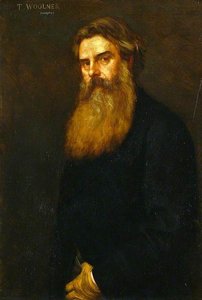
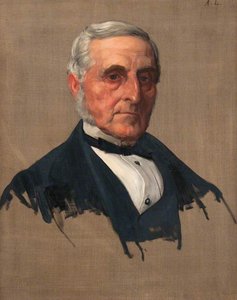
Portrét Alphonse Legros

Obrazy autora Alphonse Legros: 66 nejznámějších díel podle pohledu galerie

Aktualizováno listopad 2026 · seřazeno podle našeho skóre popularity (vyhledávání, návštěvy a objednávky u každého díla) · 73 děl umělce Alphonse Legros v našem katalogu

Stručně řečeno

Z pohledu galerie je nejslavnějším dílem Alphonse Legros obrazem Women in Prayer (1888), jehož originál je vystaven v Tate Gallery v obci Londýn. Portrait of Edouard Manet (1863) a L'Angelus (1859) doplňují trio, které každé oko okamžitě pozná. Z 73 děl umělce Alphonse Legros v našem katalogu představuje galerie níže 66 nejznámějších děl, z nichž každé je originálem s uvedením roku vzniku, muzea a toho, co jej činí jedinečným.

1837 – 1911, Dijon Contemporary realism Nejvíce děl: National Gallery of Art

Top 10 obrazů umělce Alphonse Legros v naší galerii

1
Women in Prayer (1888) od Alphonse Legros

Women in Prayer

1888 · Oil On Canvas · Tate Gallery, Londýn

Alphonse Legros's “Women in Prayer” isn’t merely a depiction of a religious scene; it’s an invitation to contemplate the quiet power of devotion. Painted in 1888, this oil on canvas transports us to a dimly lit interior space – likely a church or chapel – where nine women are immersed in prayer. The work immediately establishes a mood of solemnity and introspection, achieved through Legros's masterful manipulation of light, tone,…

2
Portrait of Edouard Manet (1863) od Alphonse Legros

Portrait of Edouard Manet

1863 · Oil On Canvas · Petit Palais, Paříž

In this 1863 portrait, we find ourselves in a quiet, intimate space with Edouard Manet. He sits in a wooden armchair, his body relaxed yet his posture suggesting a deep, internal contemplation. There is a certain gravity to his presence, a weight that comes from the way he rests his head against his hand, lost in thought. The composition is deliberate, placing him slightly off-center to create a sense of…

3
L'Angelus (1859) od Alphonse Legros

L'Angelus

1859 · Oil

In 1859, Alphonse Legros painted L'Angelus, a work that captures a quiet pause in the rhythm of labor. The scene focuses on a group of peasants caught in a moment of prayer. They exist within the heavy, still air of their daily lives, their bodies bowed in a shared act of devotion. This depiction of the working class avoids the grand or the theatrical, choosing instead to find weight in…

4
The Lectern (1865) od Alphonse Legros

The Lectern

1865 · Oil · Petit Palais, Paříž

The Lectern is an oil painting by Alphonse Legros, created about 1865. The work depicts four male figures dressed in religious attire during a moment of liturgical solemnity. The scene captures a religious ceremony, likely a Mass or a formal reading, within a quiet and focused setting. The composition centers on the interaction between the clerics as they participate in the ritual.

5
The Baptism (1869) od Alphonse Legros

The Baptism

1869 · Oil On Canvas

The Baptism is an oil painting on canvas by Alphonse Legros. Created about 1869, the work depicts a scene within a dimly lit, gothic-style church. Three women are positioned around an infant, with the central figure holding the baby. To the left, a statue of a saint is visible against the architectural backdrop. The setting is defined by arches and columns that frame the figures.

6
Le Repas des Pauvres (1877) od Alphonse Legros

Le Repas des Pauvres

1877 · Oil

In the quiet, shadowed corners of a dimly lit interior, three men gather for a meal. This is Le Repas des Pauvres, a work by Alphonse Legros. The scene unfolds around a rectangular table, where the simple presence of bowls and single glasses speaks to a life of profound modesty. There is a heavy, somber weight to the air as the figures occupy their shallow space, their worn clothing and…

7
The Geography Lesson (1874) od Alphonse Legros

The Geography Lesson

1874 · Oil On Canvas · Wallraf-Richartz-Museum, Kolín

In The Geography Lesson, Alphonse Legros captures a quiet moment of instruction. The scene is set within a classroom where a female teacher gestures toward a large terrestrial globe. Around her, six young girls gather in a tight semi-circle. They lean inward, their gazes fixed upon the sphere. This shared focus creates a sense of stillness. The air in the room feels heavy with the weight of learning.

8
Portrait of a Woman (1880) od Alphonse Legros

Portrait of a Woman

1880 · Oil On Canvas · Petit Palais, Paříž

The Portrait of a Woman by Alphonse Legros captures a single female figure in a moment of quietude. This profile portrait, rendered in oil, presents the subject looking toward the left edge of the frame. The artist, Alphonse Legros, focuses on the contours of the face and the texture of the hair, creating a sense of stillness. It is a study of a person caught in a private, contemplative gaze.

9
The Reverend Robert Burn (1880) od Alphonse Legros

The Reverend Robert Burn

1880 · Oil On Canvas · Fitzwilliamovo muzeum, Cambridge

Alphonse Legros' "The Reverend Robert Burn," painted in 1880, is more than just a portrait; it’s a carefully constructed tableau of Victorian sensibilities and the quiet contemplation of a man steeped in faith. This oil-on-canvas work, currently residing within The Fitzwilliam Museum’s collection, offers a glimpse into a bygone era – an era defined by meticulous detail, restrained emotion, and a profound respect for tradition. Legros, a French-British artist who…

10
Cupid and Psyche (1867) od Alphonse Legros

Cupid and Psyche

1867 · Oil On Canvas · Tate Gallery, Londýn

The world of art is replete with masterpieces that have stood the test of time, and one such work is the captivating oil on canvas painting, Cupid and Psyche, by the renowned artist Alphonse Legros. Created in 1867, this piece is a testament to the enduring power of love and beauty, themes that have been central to art throughout history. Today, it resides at the prestigious Tate Gallery in London,…

Obrazy autora Alphonse Legros, seřazeny od 11 do 66

11Interior with an Organist and a Procession (1865) od Alphonse LegrosInterior with an Organist and a Procession1865 · The Ashmolean Museum of Art and Archaeology 12William Cosens Way (1833–1905) (1862) od Alphonse LegrosWilliam Cosens Way (1833–1905)1862 13Rehearsing the Service (1870) od Alphonse LegrosRehearsing the Service1870 · Tate Gallery 14The Pilgrimage (1871) od Alphonse LegrosThe Pilgrimage1871 15Sir Edward Burne Jones (1833–1898), ARA (1869) od Alphonse LegrosSir Edward Burne Jones (1833–1898), ARA1869 16The Communion (1865) od Alphonse LegrosThe Communion1865 17The Sermon (1871) od Alphonse LegrosThe Sermon1871 · Scottish National Gallery 18Centaur Woman (1911) od Alphonse LegrosCentaur Woman1911 19Death and the Woodcutter (1877) od Alphonse LegrosDeath and the Woodcutter1877 · Národní galerie Kanady 20Portrait of a Woman (1875) od Alphonse LegrosPortrait of a Woman1875 · National Gallery of Art 21The Tinker (1874) od Alphonse LegrosThe Tinker1874 22Tired Wanderer (1878) od Alphonse LegrosTired Wanderer1878 23Blessing the Sea (1872) od Alphonse LegrosBlessing the Sea1872 24Portrait of Léon Gambetta (1875) od Alphonse LegrosPortrait of Léon Gambetta1875 25Head of a Man Looking Upwards and Sideways (1877) od Alphonse LegrosHead of a Man Looking Upwards and Sideways1877 26Thomas Carlyle (1795–1881), Historian and Essayist (1877) od Alphonse LegrosThomas Carlyle (1795–1881), Historian and Essayist1877 · Scottish National Portrait Gallery 27Study of a Head (1878) od Alphonse LegrosStudy of a Head1878 · Walker Art Gallery 28Saint Jerome (1881) od Alphonse LegrosSaint Jerome1881 · Manchester Art Gallery 29John Gray (1883) od Alphonse LegrosJohn Gray1883 30Alexander Walker, LLD (1880) od Alphonse LegrosAlexander Walker, LLD1880 31Head of an Old Man (1881) od Alphonse LegrosHead of an Old Man1881 · Manchester Art Gallery 32J. Dove Wilson (1833–1908), LLD (1882) od Alphonse LegrosJ. Dove Wilson (1833–1908), LLD1882 33Sir Edward Coley Burne Jones (1833–1898) (1879) od Alphonse LegrosSir Edward Coley Burne Jones (1833–1898)1879 34Portrait of a Lady (1879) od Alphonse LegrosPortrait of a Lady1879 · Sunderland Museum - Winter Gardens 35Robert Browning (1812–1889) (1879) od Alphonse LegrosRobert Browning (1812–1889)1879 36Thomas Dixon (1831–1880) (1879) od Alphonse LegrosThomas Dixon (1831–1880)1879 · Sunderland Museum - Winter Gardens 37Professor John Marshall (1818–1891), FRS, Surgeon (1879) od Alphonse LegrosProfessor John Marshall (1818–1891), FRS, Surgeon1879 38Thomas Huxley (1825–1895), FRS (1880) od Alphonse LegrosThomas Huxley (1825–1895), FRS1880 39George Wallis (1811–1891), FSA, Keeper of the Art Collections in the South Kensington Museum (1863–1891) (1891) od Alphonse LegrosGeorge Wallis (1811–1891), FSA, Keeper of the Art Collections in the South Kensington Museum (1863–1891)1891 40An Approaching Storm (1897) od Alphonse LegrosAn Approaching Storm1897 41Head of a Man with Upturned Eyes od Alphonse LegrosHead of a Man with Upturned EyesNational Gallery of Art 42The Confession od Alphonse LegrosThe Confession 43Thomas Woolner od Alphonse LegrosThomas Woolner 44Le Calvaire od Alphonse LegrosLe CalvaireMusée d'Orsay 45Le Christ mort od Alphonse LegrosLe Christ mort 46Study of a Head od Alphonse LegrosStudy of a Head 47Léon Gambetta od Alphonse LegrosLéon GambettaMusée d'Orsay 48UNE AMENDE HONORABLE od Alphonse LegrosUNE AMENDE HONORABLEMusée d'Orsay 49Charles G. Milnes Gaskell, Chairman of the County Council of the West Riding of Yorkshire (1893–1910) od Alphonse LegrosCharles G. Milnes Gaskell, Chairman of the County Council of the West Riding of Yorkshire (1893–1910)Wakefield County Hall 50Landscape with a Stream and Hills (1882) od Alphonse LegrosLandscape with a Stream and Hills1882 · Victoria and Albert Museum 51Landscape with a Road over a Hill (1885) od Alphonse LegrosLandscape with a Road over a Hill1885 · Victoria and Albert Museum 52Interior of a Church with kneeling Figures (1865) od Alphonse LegrosInterior of a Church with kneeling Figures1865 · Ashmolean Museum 53Interior with an Organist and a Procession (1865) od Alphonse LegrosInterior with an Organist and a Procession1865 · Ashmolean Museum 54A May Service for Young Women (1868) od Alphonse LegrosA May Service for Young Women1868 · Victoria and Albert Museum 55Hilly Landscape (1876) od Alphonse LegrosHilly Landscape1876 · Victoria and Albert Museum 56Portrait of an Old Man od Alphonse LegrosPortrait of an Old ManNational Gallery of Art 57Memory Copy of Holbein's Erasmus od Alphonse LegrosMemory Copy of Holbein's ErasmusNational Gallery of Art 58Landscape od Alphonse LegrosLandscape 59John Bolton, Kendal Town Clerk od Alphonse LegrosJohn Bolton, Kendal Town Clerk 60Thomas Woolner od Alphonse LegrosThomas Woolner 61Portrait of a Gentleman od Alphonse LegrosPortrait of a Gentleman 62John Polson, Esq od Alphonse LegrosJohn Polson, EsqPaisley Art Institute Collection 63Portrait of a Gentleman od Alphonse LegrosPortrait of a Gentleman 64John Bolton, Kendal Town Clerk (1832–1874) od Alphonse LegrosJohn Bolton, Kendal Town Clerk (1832–1874)Kendal Town Hall 65Interior with an Organist and three Figures od Alphonse LegrosInterior with an Organist and three FiguresThe Ashmolean Museum of Art and Archaeology 66The Tinker od Alphonse LegrosThe Tinker

Slavná díla Alphonse Legros podle jednotlivých období

Motivy, které zaujaly Alphonse Legros

Čtyři témata, která se v těchto originálech nejčastěji objevují, z nichž každé má svůj nejlepší příklad.

Muzea, v nichž jsou vystavena originálna umělce Alphonse Legros

8 muzea, v nichž je umístěno nejvíce obrazů z této stránky.

Muzeum Město Díla autora Alphonse Legros Obrazy z tohoto seznamu
National Gallery of Art, WashingtonNational Gallery of Art Washington 4 Portrait of a Woman, Head of a Man with Upturned Eyes, Portrait of an Old Man
Victoria and Albert Museum, LondýnVictoria and Albert Museum Londýn 4 Landscape with a Stream and Hills, Landscape with a Road over a Hill, A May Service for Young Women
Tate Gallery, LondýnTate Gallery Londýn 3 Women in Prayer, Cupid and Psyche, Rehearsing the Service
Petit Palais, PařížPetit Palais Paříž 3 Portrait of Edouard Manet, The Lectern, Portrait of a Woman
Musée d'Orsay, PařížMusée d'Orsay Paříž 3 Le Calvaire, Léon Gambetta, UNE AMENDE HONORABLE
The Ashmolean Museum of Art and Archaeology, OxfordThe Ashmolean Museum of Art and Archaeology Oxford 2 Interior with an Organist and a Procession, Interior with an Organist and three Figures
Manchester Art Gallery, ManchesterManchester Art Gallery Manchester 2 Saint Jerome, Head of an Old Man
Sunderland Museum - Winter Gardens, SunderlandSunderland Museum - Winter Gardens Sunderland 2 Portrait of a Lady, Thomas Dixon (1831–1880)

Alphonse Legros, jeden ikonický obraz na každé desetiletí

Díla podle dekád

Vyberte si dekádu a prohlédněte si originál, který ji definuje.

Obrazy umělce Alphonse Legros: odpovědi galerie

Který obraz autora Alphonse Legros je nejslavnější ze všech?Odhalit odpověď

Women in Prayer (1888), Tate Gallery, Londýn. Následují Portrait of Edouard Manet (1863) a L'Angelus (1859).

Kolik let bylo Alphonse Legros, když dokončil/a Women in Prayer?Odhalit odpověď

51 let: dílo Women in Prayer pochází z roku 1888 a Alphonse Legros se narodil/a v roce 1837.

Kterých 10 nejlepších obrazů má Alphonse Legros?Odhalit odpověď

Women in Prayer, Portrait of Edouard Manet, L'Angelus, The Lectern, The Baptism, Le Repas des Pauvres, The Geography Lesson, Portrait of a Woman, The Reverend Robert Burn a Cupid and Psyche. Hodnocení výše uvádí rok a muzeum pro každé z nich.

Kolik děl vytvořil/a Alphonse Legros?Odhalit odpověď

Náš katalog obsahuje 73 děl umělce Alphonse Legros z let 1859 až 1911.

Kde jsou vystavena nejznámější originály umělce Alphonse Legros?Odhalit odpověď

Většinou v National Gallery of Art (Washington), Victoria and Albert Museum (Londýn) a Tate Gallery (Londýn). V tabulce muzeí výše jsou vypsány všechny.

Kdy Alphonse Legros vytvořil své nejslavnější obrazy?Odhalit odpověď

V období 1870s: 20 z celkem 66 děl na této stránce vzniklo právě tehdy, z toho Le Repas des Pauvres z nich.

Která jsou nejstarší a nejnovější slavná díla umělce Alphonse Legros?Odhalit odpověď

Na této stránce je nejstarší dílo z L'Angelus (1859) a nejnovější z Centaur Woman (1911).

Kterým tématům se Alphonse Legros věnoval(a) nejčastěji?Odhalit odpověď

Landscape (5), Portrait (4) a Church interior (4) napříč 66 díly na této stránce.

V jaké technice tvořil(a) Alphonse Legros nejčastěji?Odhalit odpověď

Oil On Canvas, u 12 z 66 děl na této stránce.

S jakým směrem je spojen(a) Alphonse Legros?Odhalit odpověď

Contemporary realism, podle originálů na této stránce.

Jaká originální díla Alphonse Legros má v obsluze National Gallery of Art?Odhalit odpověď

Portrait of a Woman, Head of a Man with Upturned Eyes a Portrait of an Old Man: muzeum National Gallery of Art, Washington má v obsluze 4 děl z této stránky.

Alphonse Legros: umělec

Život spojující národy: Umělecká cesta Alphonse Legrose

Alphonse Legros, narozený v roce 1837 v Dijonu ve Francii, byl umělcem, jehož život i dílo ztělesňovaly fascinující průsečík uměleckých směrů a národních identit. Jeho cesta nebyla cestou okamžitého uznání, ale spíše postupným rozbalováním talentu, který byl pěstován oddaným studiem a ochotou přijmout vyvíjející se estetické ideály. Od skromných počátků jako syn účetního ve Véronnes našel mladý Alphonse brzkou inspiraci v venkovských krajinách obklopujících jeho rodinu – scénách, které později pronikaly do mnoha jeho uměleckých výstupů. Jeho první školení začalo na dijonské škole umění, kde byl v učebně dekorátora domů získával praktické porozumění materiálům a formě. Následovalo období působení jako tulácký malíř stěn v Lyonu, kde si zdokonaloval své schopnosti při práci na větších dekorativních projektech. Tyto formativní roky nešlo jen o technickou zdatnost; šlo o vstřebávání světa kolem něj – textur venkovského života, hry světla na kameni i důstojnosti každodenní práce – prvků, které se staly rysy jeho zralého stylu.

Od realismu k obrodě rytiny: Umělecký vývoj a vlivy

Legrosův příchod do Paříže v roce 1851 znamenal zlomový okamžik. Ponořil se do živého uměleckého prostředí, studoval u Charlese-Antoine Combona, malíře kulis, a navštěvoval prestižní kreslickou školu Lecoqa de Boisbaudrana, kde se setkal s kolegy umělci, jako byli Auguste Rodin či Jules Dalou. Toto období přineslo jeho první kroky do systému Salonu, kde získal uznání za portréty, které upoutaly oko vlivných postav jako Champfleury, něhož prosazoval realistický směr vedený Gustavem Courbetem. Legrosovo rané dílo, například L'Angelus (1rec 1859), projevovalo závazek zobrazovat scény z každodenního života s upřímností a emocionální hloubkou. Nicméně právě jeho průzkum rytiny jej skutečně odlišil od ostatních. Tato technika se v podstatě naučil sám, fascinován její schopností zachytit jemné nuance tónu a textury. Toto odhodlání ho nakonec dovedlo k roli klíčové postavy britského osvorbování rytiny. V roce 1863, povzbuzován Jamesem McNeillem Whistlerem, se Legros přestěhoval do Anglie, což byla rozhodnutí, které hluboce ovlivnilo jeho kariéru. Rychle se ugruntoval jako vlivný pedagog, nejprve na South Kensington School of Art a později jako profesor Sladeovy školy v University College London, kde vychovával generace umělců v umění rytiny.

Mistr mnohých médií: Malba, sochařství a medaile

Ačkoliv je Legros často oslavován pro své rytiny, definovat ho pouze tímto médiem by bylo nespravedlností vůči jeho mnohostrannému talentu. Byl stejně zdatný jako malíř i sochař a vytvářel také významné medaile. Jeho malby často zobrazovaly scény náboženské oddanosti – pohledy do interiérů kostelů s klečícími postavami, zachycující tichou intenzitu víry – a portréty, které odhalovaly hluboký psychologický vhled do svých subjektů. Tato díla jsou charakterizována střídmou paletou, pečlivým detailem a pocitem vznešenosti. Nebyl ohrouzen velkými příběhy ani okázalostí; místo toho se soustředil na intimní okamžiky lidské zkušenosti. Jeho sochařská práce, byť méně produktivní než malba či rytina, vykazovala podobný závazek k realismu a emocionální hloubce. Dále Legrosova zručnost sahala až k umění výroby medailí, čímž vytvořil kusy, které byly obdivovány pro svou řemeslnou dokonalost a uměleckou hodnotu. Ke každému médiu přistupoval s oddaností technické mistrovství a touhou předat hluboký význam.

Odkaz a historický význam

Alphonse Legros zemřel v Watfordu v roce 1911 a zanechal po sobě bohatý odkaz jak umělce, tak pedagoga. Jeho vliv na britskou uměleckou scénu byl značný, zejména díky jeho výuce na Slade School of Art, kde svým nesčetným studentům vžil přísný přístup k kresbě a rytině. Prosazoval tradiční umělecké hodnoty – důležitost kresby, pozorné pozorování a technickou zručnost – a zároveň přijímal nové myšlenky a techniky. Legrosovo dílo stojí jako svědectví o síle tiché kontemplace a trvající atraktivitě realistické estetiky. Jeho malby a rytiny lze dnes nalézt v významných muzeích, jako je Ashmolean Museum v Oxfordu nebo Tate Gallery v Londýně, což zajišťuje, že jeho umělecká vize bude i nadále inspirovat a fascinovat diváky. Představuje most mezi francouzskou a britskou uměleckou tradicí, ztělesňující závazek k technické vynikavosti i emocionální upřímnosti – kvalitám, které stále rezonují u diváků i umělců. Jeho oddanost podpoře uměleckého talentu upevnilo jeho místo jako klíčové postavy v rozvoji moderního britského umění.