
 Náhled v interiéru
 Sdílet
 Sdílet
 Podrobnosti o díle
 Průvodce

 Stáhnout
 Podobné položky
 Rentgenové snímky
 Slideshow
 Otázky a odpovědi
 Statistiky
Work

- 136.0 x 136.0 cm


 Zobrazit více
Umělecké dílo zobrazené na této stránce je chráněno autorským zákonem, což znamená, že nemůžeme legálně vytvářet ani prodávat jeho identickou reprodukci. Tato ochrana je vymáhána na základě mezinárodních dohod, jako například Berberská úmluva a národními zákony, včetně těch stanovených v Americký autorský zákon – Díl 17. Všechna práva vyhrazena.
Tato metoda je plně v souladu s autorským právem, protože nezahrnuje kopírování ani duplikování chráněného díla. Jde o kreativní reinterpretaci – nový obraz, který je inspirován originálem, ale není s ním identický.
Giclée / Umělecký tisk
Giclée nebo plátěný tisk muzeální kvality s rychlou výrobou a širokou nabídkou povrchových úprav. ( Koupit ručně malovaný obraz Přepnout na digitální obraz)




































Vyberte si z našich přednastavených velikostí, které odpovídají původním proporcím díla.

Zadejte šířku a výšku, které potřebujete pro váš rám nebo stěnu. Tisk lze pouze oříznout, nikdy však nelze zvětšit obraz nad jeho původní rozměr, proto při výběru jiného formátu dochází ke ztrátě části obrazu. Před samotným tiskem vám zašleme digitální náhled k schválení. Obraz zobrazený na této stránce nenabízí skutečný výřez — ten uvidíte pouze v náhledu.
Celosvětové doručení () do 2 týdnů namísto standardních 4/5 týdnů. (9 listopad)

Zdarma celosvětová expresní doprava

Vysoce kvalitní lněné plátno

Kompletní pojištění přepravy

Záruka vrácení celního poplatku

Záruka věrného barevného souladu

100dení lhůta pro vrácení zboží (pouze při vadách výroby)

100% záruka vrácení peněz

Sleva při více objednávkách
 Skleněná varianta je dostupná pouze u rozměrů menších než 110 cm

Work
Giclée / Umělecký tisk
Rozměry reprodukce
-


Celková cena za vybrané možnosti reprodukcí
Kč 1763
A Symphony of Geometry and Light
In the vast landscape of twentieth-century abstraction, few works capture the primal energy of form as vibrantly as this 1968 masterpiece by Yoo Youngkuk. At first glance, the viewer is met with a striking interplay of a crimson triangle and a radiant yellow orb, a composition that feels both ancient and avant-garde. The painting presents a dynamic, slightly curved triangular structure that anchors the canvas, its edges bleeding into warm orange hues that suggest the heat of a setting sun or the glow of an emerging dawn. At its heart lies a luminous yellow circle, acting as a celestial focal point that breathes life into the geometric rigor. This is not merely a study of shapes; it is a rhythmic dance of color where the weight of the red pigment meets the ethereal lightness of the yellow center, creating a visual tension that pulls the eye inward toward an infinite, glowing core.
The technique employed in this work reflects Yoo Youngkuk’s profound ability to distill the natural world into its most essential elements. While the subject matter appears purely abstract, there is a palpable sense of texture and depth achieved through the careful layering of pigments on canvas. The way the colors transition from deep reds to soft oranges suggests a painterly touch that softens the hard edges of the geometry, lending the piece an organic, breathing quality. For the discerning collector or interior designer, this work offers a sophisticated balance; its bold, primary-adjacent palette provides a powerful statement piece for modern minimalist settings, yet its soft, rounded contours allow it to integrate seamlessly into more eclectic, warm-toned environments. It serves as a window into a world where geometry is not cold or clinical, but rather a vessel for warmth and vitality.
To understand this painting is to understand the legacy of Yoo Youngkuk, a pioneer who sought to translate the rugged majesty of the Korean landscape into a universal language of abstraction. Born in Uljin, his connection to the mountains and the natural light of his homeland deeply informed his geometric explorations. In this 1968 piece, we see the culmination of a lifetime spent stripping away the superficial to reveal the structural soul of nature. The triangle becomes a mountain; the circle becomes the sun; the red becomes the earth’s heat. For those looking to adorn a space with art that evokes both intellectual depth and emotional resonance, this reproduction offers more than just decoration—it provides an invitation to contemplate the eternal harmony between form, color, and the natural spirit.
Otázky a odpovědi
V jaké orientaci je dílo „Work“ od Yoo Youngkuk?
Formát díla „Work“ je Square. Tato informace vám pomůže při plánování umístění reprodukce.
Kde si mohu stáhnout obrázek díla „Work“ od Yoo Youngkuk?
Digitální verzi díla „Work“ od Yoo Youngkuk si můžete stáhnout na stránce Stažení digitální verze jako stažení digitálního obrazu ve vysokém rozlišení.
Mohu si prohlédnout "Work" v celoplátno formátu slideshow?
K dispozici je sklízivka: stránka Slideshow díla „Work“ od Yoo Youngkuk.
Biografie umělce
Pionýr korejské abstrakce: Život a umění Yoo Youngkuka
Yoo Youngkuk, jméno synonymické pro zrod abstraktního umění v Koreji, se objevil jako klíčová postava v období obrovských společenských a politických otřesů. Narodil se v roce 1916 v pobřežním městě Uljin v Jižní Koreji a jeho umělecká cesta byla neustálým průzkumem a neochvějným odhodláním vytvořit nový vizuální jazyk pro národ zápasující s identitou a modernitou. Jeho raný život, hluboce zakořeněný v přirozené kráse korejské krajiny – zejména v majestátních horách, které se staly opakujícím se motivem po celou jeho kariéru – mu vrostilo hluboké pouto k přírodě, pocit, který subtilně proniká i jeho nejgeometričtěji přísnější kompozice. Tato formativní zkušenost položila základy pro uměleckou vizi, která nehleděla pouze na reprezentaci vnějšího světa, ale na destilaci jeho podstaty do čisté formy a barvy. Yooova cesta k abstrakci začala formálním vzděláváním na univerzitě Bunka Gakuin v Tokiu, kde v roce 1938 vystudoval katedru olejomalby. Právě zde narazil na západní abstraktní směry a setkal se s průkopnickými japonskými umělci, jako byli Murai Masanari a Hasegawa Saburo, což hluboce ovlivnilo jeho rané experimenty a upevnilo jeho závazek k nefigurativnímu umění.Tvorba nové cesty: Sinsasil-pa a rané experimentování
Po návratu do Koreje v roce 1943 uprostřed turbulence druhé světové války čelil Yoo značným výzvám při prosazování své umělecké vize. Válka byla poznamenána těžkými časy a rozrušením, což ho nutilo hledat různé způsoby obživy při zachování věrnosti svému umění. S osvobozením Koreje a následným vznikem Korejské republiky však pro uměleckou komunitu země začala nová éra. V roce apo 1948 se Yoo Youngkuk spojil s Kim Whanki a Lee Kyusangem, aby založili Sinsasil-pa (Skupina Nového realismu), což byl zlomový okamžik v korejské dějinách umění. Tento avantgardní kolektiv představoval první organizovaný pokus o odtržení se od tradičních reprezentativních stylů a přijetí moderní abstraktní výraznosti. Manifesto skupiny volal po umění, které by odráželo realitu poválečné Koreje, ale interpretovalo ji skrze čočku abstrakce – což byl odvážný krok, který napadl konvenční umělecká pravidla a vyvolal debaty v korejském uměleckém světě. Jeho raná díla z tohoto období demonstrují dynamickou interakci mezi barevnými poli a vznikajícími geometrickými tvary, což naznačuje směr, kterým by jeho styl směřoval v pozdějších letech. Na dva roky také krátce sdílel své znalosti jako profesor na Seoul National University, kde kultivoval další generaci umělců.Hora uvnitř: Evoluce stylu a symbolický rezonance
Během 50. let a počátku šířící se 60. let prošel umělecký styl Yoo Youngkuka významnou transformací. Zatímco jeho dřívější práce zkoumaly malbu barevných polí, postupně začal začleňovat definovanější geometrické tvary pod vlivem svého neustálého dialogu s přírodou a osobních zkušeností. Toto období přineslo vznik toho, co se stalo jeho podpisovým motivem: hory. Často označovaný jako „malíř hor“, Yoo horu nepředstavoval v doslovném smyslu; spíše abstrahoval jejich podstatu – jejich pevnost, jejich velkolepost, jejich duchovní rezonanci – do mocných kompozic barvy a formy. Hora se stala symbolem samotné Koreje, představující odolnost, vytrvalost a neochvějného ducha národa. Po své účasti na Bienále v São Paulu v roce 1963 zažil Yoo období umělecké konsolidace, kdy se stáhl z kolektivních aktivit, aby se soustředil na sólové výstavy, které se konaly každé dva roky po dobu dvou desetiletí. To mu umožnilo zdokonalit svůj jedinečný styl, posouvat hranice geometrické abstrakce a zkoumat stále složitější vztahy mezi barvou, čarou a prostorem. Navzdory postupným nemocem, které ho od 60. let upoutaly na invalidní vozík, jeho tvůrčí energie zůstala nedotčena; pokračoval v malování s neochvějným odhodláním až tři roky před svou smrtí v roce 2002 ve věku osmdesáti šesti let.Trvalé dědictví: Uznání a nesmrtelný vliv
Yoo Youngkukův přínos ke korejskému modernímu umění byl široce uznáván již za jeho života, což vyvrcholilo průzkumem časopisu Monthly Art, který ho označil za nejvýraznějšího umělce mezi více než stovkou jeho současníků. Jeho dílo bylo rozsáhle vystavováno jak doma, tak v zahraničí, čímž upevnil svou pozici přední postavy na globální scéně abstraktního umění. Jeho odkaz sahá daleko za jeho obrazy; připravil cestu následujícím generacím korejskáckých umělců k prozkoumávání abstrakce a experimentování s novými formami vyjádření. Yooovo neochvějné odhodlání k umělecké inovaci, spojené s jeho hlubokým poutem ke korejské kultuře a krajině, i dnes inspiruje umělce. Jeho schopnost přeložit emocionální a duchovní kvality přírody do čistě abstraktního vizuálního jazyka zůstává svědectvím o jeho hlubokém uměleckém talentu a trvalém vlivu. Prozkoumávání mistrovských děl Yoo Youngkuka – jako jsou „Mountain“ nebo „Work“ – nabízí nahlédnutí do mysli skutečného průkopníka, umělce, který se odvážil porušit tradici a vytyčit novou cestu pro korejské umění. Jeho dílo stojí jako mocné připomínání transformativní síly abstrakce a její schopnosti zachytit podstatu jak vnějšího světa, tak vnitřního já.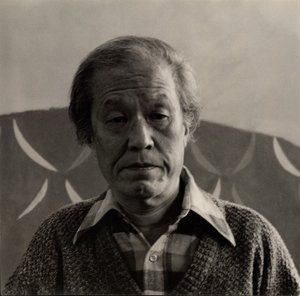
Yoo Youngkuk
1916 - 2002 , Jižní Korea
Rychlé informace o umělci
- Artistic Movement Or Style: Abstraktní výtvarné umění
- Artists Or Movements Influenced By This Artist:
- Constructivism
- Suprematism
- Artists Who Influenced This Artist:
- Murai Masanari
- Hasegawa Saburo
- Date Of Birth: 1916
- Full Name: Yoo Youngkuk
- Nationality: Korea
- Notable Artworks:
- Hora
- Práce
- Place Of Birth: Uljin, Jiwon
Související články

Wassily Kandinsky: Top 25 mistrovských děl abstrakce pro váš interiér | OriginalUniqueArt.com
Prozkoumejte 25 ikonických děl Wassily Kandinského – průkopníka abstraktního umění a expresionismu. Objevte příběhy za barevnými kompozicemi, Bauhaus styl a inspirujte se pro váš interiér s reprodukcemi nejvyšší kvality na OriginalUniqueArt.com.

Top 10 mistrovských děl abstraktního expresionismu | Umění a dekorace s OriginalUniqueArt.com
Prozkoumejte 10 ikonických děl abstraktního expresionismu od Pollocka, Rothka a dalších. Objevte příběhy za obrazy, techniky a barevné palety tohoto revolučního uměleckého hnutí. Reprodukce obrazů s OriginalUniqueArt.com – luxusní dekorace pro váš interiér. Prozkoumejte celou kolekci online!

Geometrická abstrakce: 10 mistrovských děl, které změnily umění | OriginalUniqueArt.cz
Prozkoumejte 10 ikonických děl geometrické abstrakce od Mondriana, Maleviče a Kandinského. Objevte příběhy umělců, techniky a historii tohoto revolučního hnutí. Najděte inspiraci pro moderní dekorace a luxusní reprodukce obrazů na OriginalUniqueArt.com.

Beyond Form & Color: Geometric Abstraction's Evolution in 20th/21st Century Art
Explore the evolution of geometric abstraction from Cubism to contemporary art. Discover key artists like Malevich & Mondrian, investment insights, and expert collecting advice at OriginalUniqueArt.

Mark Rothko: Top 25 děl mistra barev a emocí | OriginalUniqueArt.cz
Prozkoumejte 25 ikonických děl Marka Rothka, mistra abstraktního expresionismu. Objevte příběhy za jeho barevnými plátny a emoce v umění. Reprodukce obrazů nejvyšší kvality na OriginalUniqueArt.com.