Biografie umělce
Pionýr korejské abstrakce: Život a umění Yoo Youngkuka
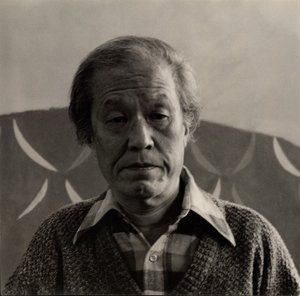
Yoo Youngkuk, jméno synonymické pro zrod abstraktního umění v Koreji, se objevil jako klíčová postava v období obrovských společenských a politických otřesů. Narodil se v roce 1916 v pobřežním městě Uljin v Jižní Koreji a jeho umělecká cesta byla neustálým průzkumem a neochvějným odhodláním vytvořit nový vizuální jazyk pro národ zápasující s identitou a modernitou. Jeho raný život, hluboce zakořeněný v přirozené kráse korejské krajiny – zejména v majestátních horách, které se staly opakujícím se motivem po celou jeho kariéru – mu vrostilo hluboké pouto k přírodě, pocit, který subtilně proniká i jeho nejgeometričtěji přísnější kompozice. Tato formativní zkušenost položila základy pro uměleckou vizi, která nehleděla pouze na reprezentaci vnějšího světa, ale na destilaci jeho podstaty do čisté formy a barvy. Yooova cesta k abstrakci začala formálním vzděláváním na univerzitě Bunka Gakuin v Tokiu, kde v roce 1938 vystudoval katedru olejomalby. Právě zde narazil na západní abstraktní směry a setkal se s průkopnickými japonskými umělci, jako byli Murai Masanari a Hasegawa Saburo, což hluboce ovlivnilo jeho rané experimenty a upevnilo jeho závazek k nefigurativnímu umění.
Tvorba nové cesty: Sinsasil-pa a rané experimentování
Po návratu do Koreje v roce 1943 uprostřed turbulence druhé světové války čelil Yoo značným výzvám při prosazování své umělecké vize. Válka byla poznamenána těžkými časy a rozrušením, což ho nutilo hledat různé způsoby obživy při zachování věrnosti svému umění. S osvobozením Koreje a následným vznikem Korejské republiky však pro uměleckou komunitu země začala nová éra. V roce apo 1948 se Yoo Youngkuk spojil s Kim Whanki a Lee Kyusangem, aby založili Sinsasil-pa (Skupina Nového realismu), což byl zlomový okamžik v korejské dějinách umění. Tento avantgardní kolektiv představoval první organizovaný pokus o odtržení se od tradičních reprezentativních stylů a přijetí moderní abstraktní výraznosti. Manifesto skupiny volal po umění, které by odráželo realitu poválečné Koreje, ale interpretovalo ji skrze čočku abstrakce – což byl odvážný krok, který napadl konvenční umělecká pravidla a vyvolal debaty v korejském uměleckém světě. Jeho raná díla z tohoto období demonstrují dynamickou interakci mezi barevnými poli a vznikajícími geometrickými tvary, což naznačuje směr, kterým by jeho styl směřoval v pozdějších letech. Na dva roky také krátce sdílel své znalosti jako profesor na Seoul National University, kde kultivoval další generaci umělců.
Hora uvnitř: Evoluce stylu a symbolický rezonance
Během 50. let a počátku šířící se 60. let prošel umělecký styl Yoo Youngkuka významnou transformací. Zatímco jeho dřívější práce zkoumaly malbu barevných polí, postupně začal začleňovat definovanější geometrické tvary pod vlivem svého neustálého dialogu s přírodou a osobních zkušeností. Toto období přineslo vznik toho, co se stalo jeho podpisovým motivem: hory. Často označovaný jako „malíř hor“, Yoo horu nepředstavoval v doslovném smyslu; spíše abstrahoval jejich podstatu – jejich pevnost, jejich velkolepost, jejich duchovní rezonanci – do mocných kompozic barvy a formy. Hora se stala symbolem samotné Koreje, představující odolnost, vytrvalost a neochvějného ducha národa. Po své účasti na Bienále v São Paulu v roce 1963 zažil Yoo období umělecké konsolidace, kdy se stáhl z kolektivních aktivit, aby se soustředil na sólové výstavy, které se konaly každé dva roky po dobu dvou desetiletí. To mu umožnilo zdokonalit svůj jedinečný styl, posouvat hranice geometrické abstrakce a zkoumat stále složitější vztahy mezi barvou, čarou a prostorem. Navzdory postupným nemocem, které ho od 60. let upoutaly na invalidní vozík, jeho tvůrčí energie zůstala nedotčena; pokračoval v malování s neochvějným odhodláním až tři roky před svou smrtí v roce 2002 ve věku osmdesáti šesti let.
Trvalé dědictví: Uznání a nesmrtelný vliv
Yoo Youngkukův přínos ke korejskému modernímu umění byl široce uznáván již za jeho života, což vyvrcholilo průzkumem časopisu Monthly Art, který ho označil za nejvýraznějšího umělce mezi více než stovkou jeho současníků. Jeho dílo bylo rozsáhle vystavováno jak doma, tak v zahraničí, čímž upevnil svou pozici přední postavy na globální scéně abstraktního umění. Jeho odkaz sahá daleko za jeho obrazy; připravil cestu následujícím generacím korejskáckých umělců k prozkoumávání abstrakce a experimentování s novými formami vyjádření. Yooovo neochvějné odhodlání k umělecké inovaci, spojené s jeho hlubokým poutem ke korejské kultuře a krajině, i dnes inspiruje umělce. Jeho schopnost přeložit emocionální a duchovní kvality přírody do čistě abstraktního vizuálního jazyka zůstává svědectvím o jeho hlubokém uměleckém talentu a trvalém vlivu. Prozkoumávání mistrovských děl Yoo Youngkuka – jako jsou „Mountain“ nebo „Work“ – nabízí nahlédnutí do mysli skutečného průkopníka, umělce, který se odvážil porušit tradici a vytyčit novou cestu pro korejské umění. Jeho dílo stojí jako mocné připomínání transformativní síly abstrakce a její schopnosti zachytit podstatu jak vnějšího světa, tak vnitřního já.

 Přepnout na tisk
 Zobrazit více







































 U děl nebo reprodukcí, u nichž je jakákoliv strana větší než 105 cm (přibližně 41 palců), bude rám dodán jako sestava v rozloženém stavu. Tato metoda zajišťuje bezpečné doručení a chrání dílo před poškozením během přepravy.


 Náhled v interiéru
 Sdílet
 Sdílet
 Podrobnosti o díle
 Průvodce

 Stáhnout
 Podobné položky
 Rentgenové snímky
 Slideshow
 Otázky a odpovědi
 Statistiky