
 Zobrazit v interiéru
 Odeslat
 Sdílet
 Podrobnosti
 Průvodce

 Stáhnout obrázek
 Podobné kousky
 Rentgenové snímky
 Slideshow
 Statistiky
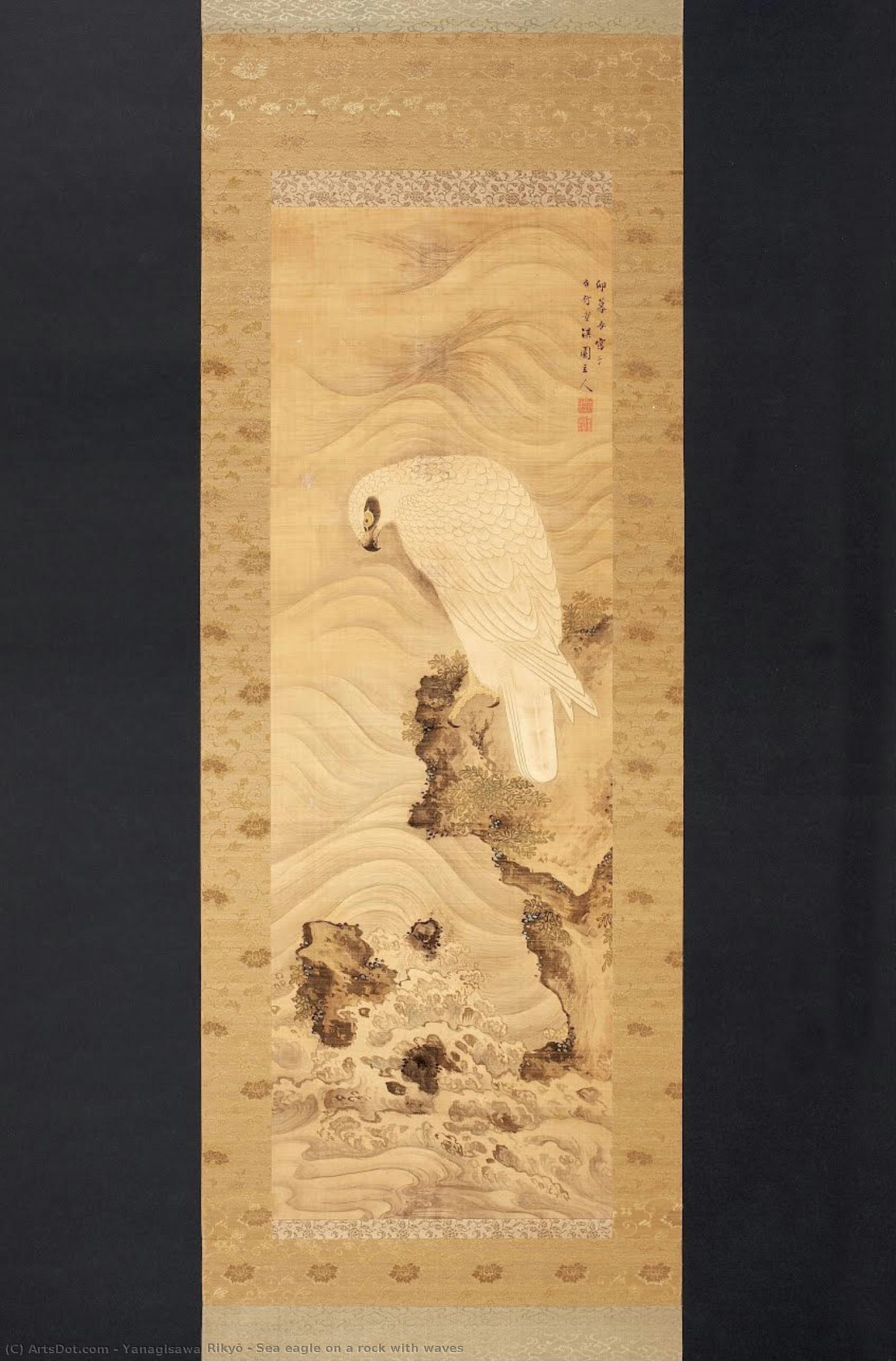
Sea eagle on a rock with waves
 48.0 x 182.0 cm
 Museum of Oriental Art
 Přečíst si více
Zakupte si digitální obraz ve vysokém rozlišení a vylepšeném provedení, který nabízí mnohem vyšší kvalitu než online náhled.
Každý soubor je pečlivě připraven našimi specialisty s využitím pokročilých nástrojů a odborné manuální retuše. Zajišťujeme, aby každý obraz disponoval výjimečnou ostrostí, přesnou barevnou věrností a jemnými detaily.
Finální soubor vám bude do 72 hodin zaslán e-mailem, optimalizovaný pro okamžité použití v profesionálním, redakčním i tiskovém prostředí. Nabízíme stejnou kvalitu, které důvěřují špičková designová studia, nakladatelství i galerie.
Digitální obrazy
Stáhněte si soubor ve vysokém rozlišení pro osobní prohlížení, tisk a kreativní projekty. ( Přepnout na tiskové verze Objednat ručně malovanou reprodukci)
Součást každé objednávky digitálního obrazu
Exponenciální digitální doručení, zaručené
Když si vyberete OriginalUniqueArt.com, nezískáváte pouze obrázek – získáváte digitální umělecké dílo s profesionálně vylepšenými detaily, zpracované s precizností a podpořené zárukou za spokojenost. Zde je vše, co vaše objednávka automaticky obsahuje:

Bleskové doručení e-mailem
Váš digitální obraz ve vysokém rozlišení vám bude zaslán e-mailem do 72 hodin od objednávky – připraven k okamžitému použití.

Digitální soubor s podporou AI
Vaše umělecké dílo je profesionálně optimalizováno pomocí pokročilých nástrojů umělé inteligence a manuální úpravy, což zajišťuje maximální úroveň detailu, ostrosti a přesnosti barev.

Doživotní bezplatné znovuodeslání
Soubor jste omylem smazali nebo ztratili? Žádný problém – kdykoliv vám ho znovu zašleme zcela zdarma.

Bez poplatků za dovoz – navždy
Užijte si své umělecké dílo okamžitě bez celních poplatků, daní nebo nákladů na dopravu – digitální stažení je vždy bez daňových povinností.

Záruka přesnosti barev
Díky profesionálním nástrojům a správě barev zajišťujeme, aby váš digitální obraz odrážel původní barvy co nejvěrněji.

100dená záruka spokojenosti
Pokud nebudete s digitálním obrázkem spokojeni, provedeme jeho revizi nebo vám vrátíme 100% platby do 100 dnů – bez jakýchkoliv dotazů.

100% záruka vrácení peněz
Nespokojeni? Získejte plnou náhradu peněz do 100 dnů od obdržení digitálního souboru – bez zbytečných dotazů.

Slevy při hromadných objednávkách
Při koupi 3 obrazů ušetříte 10% – Při koupi 5 obrazů ušetříte 15% – Při koupi 10+ obrazů ušetříte 20%. Ideální pro kreativní projekty, galerie a agentury.
Biografie umělce
Giambettino Cignaroli: Verona’s Rococo Master
Born in Verona on July 4th, 1706, Giambettino Cignaroli emerged as a pivotal figure in the artistic landscape of 18th-century Italy. His life and career were inextricably linked to his birthplace, where he not only established himself as the city’s leading painter but also played a crucial role in fostering its burgeoning art academy. Cignaroli's work represents a fascinating synthesis of classical ideals and Rococo sensibilities, reflecting both the enduring influence of the Renaissance and the vibrant spirit of his time. He was a prolific artist, producing a diverse body of work encompassing religious scenes, historical paintings, portraits, and decorative commissions – all executed with an elegant and refined style that secured his lasting legacy.
Cignaroli’s artistic journey began under the tutelage of Antonio Balestra (1666–1740), a prominent Veronese painter who championed the classical tradition. Balestra instilled in Cignaroli a deep appreciation for proportion, anatomy, and the meticulous rendering of detail – qualities that would become hallmarks of his own style. This early training provided a solid foundation upon which Cignaroli built his distinctive approach, characterized by a graceful composition, luminous color palettes, and an emphasis on conveying spiritual depth. Unlike some of his contemporaries who embraced the more flamboyant excesses of the Rococo movement, Cignaroli maintained a sense of restraint and dignity in his work, imbuing it with a quiet nobility.
Cignaroli’s artistic output spanned several decades, during which he honed his skills and gained recognition throughout Italy and beyond. He spent time working in Venice, Chioggia, Bergamo, and Brescia, absorbing influences from the diverse artistic traditions of these cities. His travels exposed him to new techniques and styles, further enriching his artistic vocabulary. However, Verona remained his primary base of operations, and it was here that he achieved his greatest renown. His paintings frequently depicted scenes from the Bible and lives of saints, often infused with a sense of serene contemplation and spiritual grace. He also produced historical works, showcasing heroic narratives and allegorical themes – demonstrating a versatility that cemented his position as a respected artist across various genres.
- Key Works: Notable paintings include *St. Martha*, *Madonna*, *The Death of Socrates*, and *The Death of Cato*. These works, now housed in institutions like the Bowes Museum, Barnard Castle, the Museo del Prado in Madrid, and the Szépművészeti Múzeum in Budapest, offer compelling insights into Cignaroli’s artistic development and stylistic preferences.
- Accademico di Verona: In 1766, Cignaroli was instrumental in establishing the Accademia Cignaroli di Pittura e Scultura (Cignaroli Academy of Painting and Sculpture) in Verona – a significant milestone in the city’s artistic history. As its Director for Life, he played a vital role in shaping the training of young artists and preserving the legacy of Veronese painting.
- Scholarly Pursuits: Beyond his artistic endeavors, Cignaroli was also a writer and historian. He authored a comprehensive history of painting in Verona (1749) and a biography of Balestra (1762), demonstrating a keen interest in the intellectual and cultural context of his time.
The Influence of Classical Ideals
Cignaroli’s artistic style was deeply rooted in classical principles, reflecting the enduring influence of Renaissance art on 18th-century Italy. He meticulously studied ancient sculptures and architectural ruins, seeking to emulate their harmonious proportions, balanced compositions, and idealized forms. This commitment to classical ideals is evident in his paintings' careful attention to anatomical accuracy, their restrained elegance, and their emphasis on conveying a sense of timeless beauty. However, Cignaroli’s approach was not simply imitative; he skillfully integrated classical motifs into a distinctly Rococo style, creating works that were both refined and emotionally engaging.
His use of light and shadow—chiaroscuro—was particularly masterful, contributing to the dramatic intensity of his religious scenes. He employed a subtle palette of colors, favoring muted tones and delicate gradations to create an atmosphere of serenity and spiritual contemplation. Furthermore, Cignaroli’s meticulous draftsmanship – honed through years of studying anatomy and perspective – ensured that every detail in his paintings was rendered with precision and clarity.
A Rococo Vision
While firmly grounded in classical principles, Cignaroli's work also embodies the key characteristics of the Rococo style. His paintings are characterized by a sense of grace, elegance, and playful charm – qualities that were highly valued during the 18th century. He incorporated elements of frivolity and ornamentation into his compositions, often depicting scenes of idyllic beauty and pastoral romance. However, unlike some of his more flamboyant contemporaries, Cignaroli maintained a sense of restraint and dignity in his use of Rococo motifs, ensuring that they served to enhance rather than overwhelm the overall aesthetic impact of his paintings.
The presence of cherubs, playful figures, and delicate floral arrangements—common features of the Rococo style—are present in many of Cignaroli’s works. These elements contribute to a sense of lightness and joy, while also reinforcing the artist's commitment to portraying beauty and harmony. His paintings are not merely decorative; they are imbued with a profound spiritual depth that elevates them beyond mere superficial charm.
Legacy and Historical Significance
Giambettino Cignaroli’s legacy extends far beyond his artistic achievements. He played a pivotal role in shaping the cultural identity of Verona, establishing its reputation as a center for art and learning. His establishment of the Accademia Cignaroli di Pittura e Scultura marked a turning point in the city's artistic development, providing a formal institution for training young artists and preserving the legacy of Veronese painting. His writings—including his history of painting and biography of Balestra—offer valuable insights into the intellectual and cultural context of his time.
Cignaroli’s work continues to be admired for its elegance, grace, and spiritual depth. He is remembered as one of Verona's greatest artists – a master of the Rococo style who skillfully blended classical ideals with contemporary sensibilities. His paintings serve as a testament to his artistic talent, intellectual curiosity, and enduring contribution to the cultural heritage of Italy.

yanagisawa rikyō
1706 - 1758