

 Náhled
 Sdílet
 Sdílet
 Podrobnosti o díle

 Stáhnout
 Podobné položky
 Rentgenové snímky
 Slideshow
Pala Priuli
 Oil On Panel
 1510
1510- Renaissance
 1758.0 x 1319.0 cm
 Kunstpalast
 Zobrazit více
Ručně malovaná olejová reprodukce
Ručně malovaná olejná barva na plátně ve vašem zvoleném rozměru i s rámem, vyrobená našimi umělci na zakázku. ( Koupit tisk Koupit obrázek)




P118B $10

P118H $10

P118W $10

P438Z $10

P508JH $12

P508YH $12

P805H $10

P805Z $10

P919BZ $10

P919G $10

P919XJ $10

P959ZH $10

P968JZ $12

W106C $8

W218G $10

W218JH $8

W218Y $10

W307PJ $10

W316G $10

W316PJ $8

W316Y $10

W398PJ $8

W4111J $10

W500HY $15

W500JH $15

W692G $12

W849H $8

W940BG $15

W953PJ $8




Vyberte si z našich přednastavených velikostí, které odpovídají původním proporcím díla.

Můžete zadat vlastní rozměry pro konkrétní rám nebo prostor. Pokud se vámi vybraná velikost neshoduje s proporcemi původního obrazu, dílo buď ořízneme, nebo jej doplníme ručně malovanými prvky. Před zahájením výroby vám bude zaslán digitální náhled ke schválení.
Upozorňujeme, že náhled na obrazovce neodpovídá skutečnému ořezu ani rozšíření. Pouze digitální náhled přesně zobrazí finální kompozici.
Ačkoliv je možné zvolit vlastní velikost, pro zachování původních proporcí doporučujeme vybrat rozměr z předdefinovaného seznamu.
Po přijetí objednávky vám tým OriginalUniqueArt.com zašle e-mail s pokyny a poskytne náhledovou verzi.
Celosvětová doprava () za 3–4 týdny namísto standardních 5 týdnů. (22 srpen). Bez kompromisů v kvalitě.

Zdarma celosvětová expresní doprava

Vysoce kvalitní lněné plátno

Kompletní přepravní pojištění

Záruka vrácení celního poplatku

Záruka přesného barevného shodu

60denní lhůta pro vrácení zboží (pouze při vadách výroby)

100% garance vrácení peněz

Sleva při hromadné objednávce
 Skleněná varianta je dostupná pouze u rozměrů menších než 110 cm

Pala Priuli
Technika reprodukce
Rozměry reprodukce
-


Celková cena za výběr
$ 300
Popis díla
Biografie umělce
The Enigmatic Workshop of Giovanni Bellini: A Legacy of Venetian Painting
The name “Workshop of Giovanni Bellini” represents more than a single hand; it embodies a thriving artistic lineage that profoundly shaped the course of Venetian painting during the Renaissance. While Giovanni Bellini himself stands as a towering figure – a master innovator and one of the earliest painters to fully embrace oil paint – understanding his workshop is crucial to appreciating the breadth and depth of 15th-century art in Venice. The workshop wasn’t merely a place for executing commissions; it was a dynamic environment where artistic styles evolved, techniques were refined, and a generation of artists received their formative training. Pinpointing exact authorship within the workshop can be challenging, as assistants often collaborated on projects, contributing elements while working under Bellini's overarching direction. This collaborative spirit resulted in a body of work characterized by both consistent quality and subtle variations that reflect the individual talents nurtured within its walls. The workshop flourished for decades, continuing to produce paintings even after Giovanni’s death in 1516, carrying forward his distinctive aesthetic and cementing his influence on Venetian art for generations to come.Early Influences and Artistic Development
Giovanni Bellini inherited a rich artistic tradition from his father, Jacopo Bellini, and his elder brother Gentile. Jacopo, a respected painter in his own right, instilled in his sons a foundation of meticulous draftsmanship and an appreciation for the International Gothic style prevalent at the time. However, Giovanni quickly surpassed his family’s earlier work, demonstrating a keen interest in the innovations emerging from Florence – particularly the pioneering use of perspective by artists like Masaccio and Donatello. His early paintings reveal a gradual absorption of these Florentine principles, blended with the distinctly Venetian emphasis on rich color and atmospheric effects. The influence of Andrea Mantegna, whom Giovanni met during his visit to Padua in the 1450s, was particularly significant. Mantegna’s mastery of classical antiquity and dramatic foreshortening left a lasting impression on Bellini's compositions and figure studies. Over time, Bellini moved away from the linear precision of his early work, embracing a softer modeling of forms and a more lyrical approach to narrative. This shift coincided with his increasing experimentation with oil paint, which allowed for greater subtlety in color blending and a remarkable luminosity that became a hallmark of his style.The Workshop’s Production: Themes and Techniques
The Workshop of Giovanni Bellini produced an extensive range of paintings, catering to the diverse tastes of Venetian patrons. Religious subjects – Madonnas, altarpieces, and scenes from the lives of saints – formed the core of their output. However, they also created numerous secular works, including portraits, mythological scenes, and decorative panels for domestic interiors. Bellini’s workshop was renowned for its exquisite depictions of fabrics, reflecting Venice's status as a major center of textile production. The use of oil paint allowed the artists to render the textures and folds of drapery with unprecedented realism, creating a sense of opulent materiality. Beyond technical skill, the workshop excelled at conveying emotional depth in their figures. Bellini’s Madonnas, for example, are characterized by a gentle grace and serene beauty that resonated deeply with contemporary audiences. The compositions often feature carefully balanced arrangements of figures and objects, creating harmonious and visually compelling scenes. The workshop also developed a distinctive style of landscape painting, incorporating atmospheric perspective and subtle gradations of color to create evocative backgrounds that enhanced the narrative impact of their works.Legacy and Historical Significance
The Workshop of Giovanni Bellini’s influence extended far beyond Venice. Artists who passed through its doors – including Giorgione, Titian, and Sebastiano del Piombo – went on to become leading figures of the High Renaissance and Venetian School. Titian, arguably the most famous painter of the Venetian Renaissance, began his artistic career as an apprentice in Bellini’s workshop, absorbing its techniques and aesthetic principles before developing his own distinctive style. The workshop's emphasis on color, atmosphere, and emotional expression profoundly shaped the course of Italian painting, paving the way for the dramatic compositions and sensuous forms that characterize Venetian art. Even after Giovanni Bellini’s death, the workshop continued to operate under the direction of his sons and other assistants, producing paintings in his style for decades. This continuity ensured that his legacy endured, influencing generations of artists and solidifying Venice's reputation as a major center of artistic innovation. The works attributed to the Workshop of Giovanni Bellini remain highly prized today, offering valuable insights into the evolution of Renaissance painting and the collaborative nature of artistic production in 15th-century Italy.Identifying Works & Ongoing Research
Attributing specific paintings definitively to Giovanni Bellini versus his workshop assistants remains a complex challenge for art historians. Stylistic analysis, technical examination (including pigment analysis and underdrawing studies), and archival research are all employed in an attempt to unravel the authorship of individual works.- Paintings executed with exceptional precision and subtlety of color blending are often attributed directly to Giovanni Bellini.
- Works exhibiting a more linear style or less refined execution may be identified as products of his workshop, created by assistants under his supervision.
- The presence of specific compositional motifs or figure types can also provide clues about authorship.

Rychlé fakta
- Artistic Movement Or Style: Early Renaissance painting
- Artists Who Influenced This Artist:
- Gentile Fabriano
- Andrea Mantegna
- Date Of Death: Living
- Full Name: Workshop Of Giovanni Bellini
- Nationality: Italian
- Notable Artworks:
- San Zaccaria Altarpiece
- Madonna and Child
- Doge Leonardo Loredan
Související články
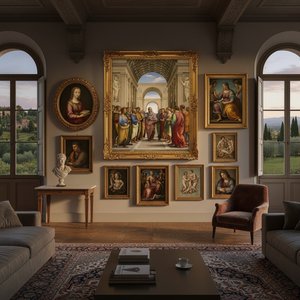
Rafael: 25 mistrovských děl renesance pro váš domov | OriginalUniqueArt.cz
Objevte 25 ikonických děl Raffaela – od Sixtinské madony po Atény školu. Ponořte se do světa renesance a obdivujte mistrovské obrazy online. Reprodukce obrazů nejvyšší kvality pro váš interiér na OriginalUniqueArt.cz.
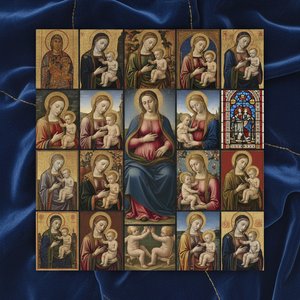
Divine Love: A Curated Guide to the Most Iconic Madonna and Child Masterpieces in Art History
Embark on a sophisticated journey through art history with our curated guide to the most iconic Madonna and Child masterpieces. Discover the profound beauty, theological depth, and enduring legacy of these sacred Renaissance treasures.
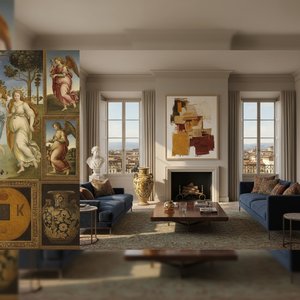
Top 25 uměleckých děl Uffizi: Renesanční mistrovství pro váš domov
Prozkoumejte 25 ikonických děl Galleria degli Uffizi ve Florencii! Obdivujte Botticelliho, Leonarda da Vinci a další renesanční mistry. Reprodukce obrazů pro váš domov na OriginalUniqueArt.com – inspirace a umění do interiéru.
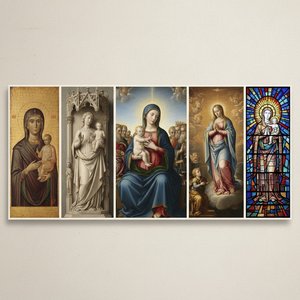
Divine Grace: A Journey Through the Most Iconic Depictions of the Virgin Mary in Art History
Embark on a profound journey through art history with our exploration of the most iconic depictions of the Virgin Mary. Discover the divine grace, symbolism, and masterful techniques found in Renaissance masterpieces and sacred iconography.

Jacopo Tintoretto: 25 mistrovských děl benátského mistra | OriginalUniqueArt.com
Prozkoumejte 25 ikonických děl Jacopa Tintoretta, benátského mistra dramatické renesance. Objevte příběhy za obrazy plnými emocí a světla. Reprodukce obrazů nejvyšší kvality na OriginalUniqueArt.com – inspirace pro váš interiér.

