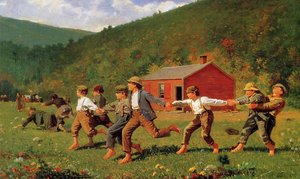
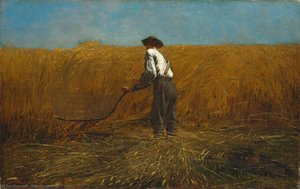
Náhled
 Sdílet
 Sdílet
 Podrobnosti o díle

 Stáhnout
 Podobné položky
 Rentgenové snímky
 Slideshow
Upland Cotton


 Zobrazit více
Giclée / Umělecký tisk
Giclée nebo plátěný tisk muzeální kvality s rychlou výrobou a flexibilními možnostmi povrchové úpravy. ( Koupit ručně malovaný obraz Koupit obrázek)




P118B $10

P118H $10

P118W $10

P438Z $10

P508JH $12

P508YH $12

P805H $10

P805Z $10

P919BZ $10

P919G $10

P919XJ $10

P959ZH $10

P968JZ $12

W106C $8

W218G $10

W218JH $8

W218Y $10

W307PJ $10

W316G $10

W316PJ $8

W316Y $10

W398PJ $8

W4111J $10

W500HY $15

W500JH $15

W692G $12

W849H $8

W940BG $15

W953PJ $8




Vyberte si z našich přednastavených velikostí, které odpovídají původním proporcím díla.

Můžete zadat vlastní rozměry tak, aby výtvor odpovídal konkrétnímu rámu nebo prostoru. Pokud zvolená velikost nebude odpovídat poměru stran původního obrazu, dílo buď ořížeme, nebo obraz rozšíříme pomocí zrcadlového efektu či jednobarevného okraje. Před zahájením výroby vám bude zaslán digitální náhled k schválení.
Mějte prosím na paměti, že náhled na obrazovce neodráží skutečné oříznutí nebo rozšíření. Pouze digitální náhled přesně zobrazí finální kompozici.
Ačkoliv jsou k dispozici i vlastní rozměry, pro zachování původních proporcí doporučujeme vybrat si rozměr z předdefinovaného seznamu.
Celosvětové doručení () do 2 týdnů namísto standardních 4/5 týdnů. (27 srpen)

Zdarma celosvětová expresní doprava

Vysoce kvalitní lněné plátno

Kompletní přepravní pojištění

Záruka vrácení celního poplatku

Záruka přesného barevného shodu

60denní lhůta pro vrácení zboží (pouze při vadách výroby)

100% garance vrácení peněz

Sleva při hromadné objednávce
 Skleněná varianta je dostupná pouze u rozměrů menších než 110 cm

Upland Cotton
Giclée / Umělecký tisk
Rozměry reprodukce
-


Celková cena za výběr
$ 80
A Moment of Rural Grace: Winslow Homer’s “Upland Cotton”
Winslow Homer's "Upland Cotton," painted in 1875, isn’t merely a depiction of agricultural labor; it’s a profound meditation on the rhythms of American life and the quiet dignity of everyday work. Emerging from a career initially rooted in the demanding world of commercial illustration for Harper’s Weekly, Homer developed an unparalleled ability to observe and translate the nuances of his surroundings onto canvas – a skill that shines brilliantly in this evocative scene. The painting captures two women engaged in the arduous task of harvesting cotton, their figures rendered with remarkable realism and imbued with a palpable sense of resilience.
The Scene Unfolds: Composition and Setting
The composition is masterfully balanced, drawing the eye to the central figures while simultaneously establishing a harmonious relationship between them and the expansive landscape. The women, bathed in the warm light of a sunny day, are positioned within a field of cotton trees – a detail that speaks volumes about the economic realities of rural America during the late 19th century. Homer’s use of color is particularly noteworthy; the vibrant greens and blues of the foliage contrast beautifully with the earthy tones of the women's clothing and the bleached white of the cotton itself. Scattered throughout the scene are birds, not as mere decorative elements but as symbols of freedom and a connection to the natural world – a subtle reminder that even within the demands of labor, beauty and tranquility can be found.
Technique and Homer’s Signature Style
“Upland Cotton” exemplifies Homer's distinctive approach to painting. He employed a technique characterized by loose brushstrokes and a focus on capturing light and atmosphere. Unlike the highly polished surfaces favored by some of his contemporaries, Homer’s paintings often possess a sense of immediacy and spontaneity. This is particularly evident in the way he renders the textures of the cotton, the rough bark of the trees, and the weathered faces of the women. The watercolor-like quality of the paint application contributes to the painting's overall feeling of authenticity and intimacy, as if we’ve stumbled upon a private moment captured on canvas.
- Color Palette: Dominated by earthy tones – browns, greens, blues – punctuated by the stark white of the cotton.
- Brushwork: Loose, expressive strokes that create a sense of movement and texture.
- Light & Shadow: Masterful use of light to define form and evoke mood.
Symbolism and Historical Context
Beyond its immediate depiction of cotton harvesting, “Upland Cotton” carries a deeper symbolic weight. It reflects the realities of life for countless women in rural America during Reconstruction – a period marked by economic hardship and social upheaval. The painting subtly acknowledges their labor while simultaneously celebrating their strength and resilience. Homer’s decision to include birds within the scene is particularly significant; they represent hope, freedom, and a connection to the natural world—elements that were often threatened by the challenges faced by these communities. The work speaks to the enduring spirit of American perseverance in the face of adversity, a theme central to Homer's broader artistic vision.
A hand-painted reproduction of “Upland Cotton” offers a remarkable opportunity to bring this poignant and beautiful scene into your home or office. Its timeless appeal lies not only in its technical brilliance but also in its profound ability to evoke empathy and contemplation, reminding us of the enduring values of hard work, community, and connection to the land.
Biografie umělce
A Brush with the American Spirit: The Life and Art of Winslow Homer
Winslow Homer, born in Boston in 1836, wasn’t sculpted by the traditional European art academies that shaped so many of his contemporaries. Instead, he emerged from a distinctly American experience, one rooted in practicality and observation. His journey began not with grand historical canvases, but as a commercial illustrator at the tender age of twelve for Harper's Weekly. This early apprenticeship was formative, honing an exceptional ability to capture scenes with clarity and detail – skills that would become hallmarks of his mature work. He wasn’t learning perspective in Paris; he was learning to *see* America, its people, and its unfolding story. The bustling streets of Boston, the quiet dignity of rural New England life, these were his first subjects, rendered with a precision born of necessity for the demands of print media. This foundation allowed him to transition into painting, initially in watercolor, before fully embracing the expressive potential of oil paints.From Pastoral Scenes to the Raw Power of Nature
Homer’s early paintings often depicted idyllic scenes – children playing, farmers tending their fields, quiet moments of domesticity. These works, while charming, hinted at a deeper artistic sensibility waiting to be unleashed. The catalyst for this transformation was undoubtedly the Civil War. As a war correspondent for Harper's Weekly, Homer witnessed firsthand the brutal realities of conflict. He didn’t focus on heroic battles or grand strategies; instead, he documented the everyday lives of soldiers and civilians, the quiet moments of grief and resilience amidst chaos. This experience profoundly altered his artistic vision. The pastoral scenes gave way to more challenging subjects: veterans grappling with trauma, freed slaves navigating a new world, and the stark beauty of landscapes touched by hardship. He began to explore themes of struggle, isolation, and humanity’s precar He wasn't interested in imitating European styles; he wanted to create an art that was uniquely American, reflecting its landscapes, its people, and its challenges. His style also evolved, becoming bolder and more direct, reflecting the raw emotional impact of what he had witnessed.Mastering Light, Texture, and the American Landscape
Winslow Homer's artistic technique is immediately recognizable for its solidity and texture. He wasn’t interested in fleeting impressions; he wanted to build up a sense of tangible reality on the canvas. His oil paintings are characterized by a direct painting approach – layers of paint applied with confidence, creating depth and luminosity. He possessed an extraordinary ability to capture light, whether it was the dazzling glare of the sun on the ocean or the soft glow of twilight over a rural landscape. This mastery extended to his watercolors, where he achieved remarkable atmospheric effects through vibrant colors and delicate washes. Breezing Up (A Fair Wind), painted in 1876, exemplifies this skill – a quintessential depiction of American maritime life, brimming with energy and movement. The Gulf Stream, created decades later, is perhaps his most iconic work, a powerful and symbolic portrayal of a lone man battling the forces of nature, a metaphor for human struggle against overwhelming odds. He wasn’t simply painting what he saw; he was conveying a feeling, an emotional truth about the human condition.A Legacy Forged in American Realism
Winslow Homer's art offers a profound window into 19th-century America, providing invaluable insights into the social, political, and cultural landscape of his time. His paintings are not merely beautiful representations; they are powerful statements about human resilience, the beauty and power of nature, and the complexities of the American experience. He died in 1910, leaving behind a prolific body of work that continues to resonate with audiences today. His ability to depict America with honesty and authenticity, without romanticizing or idealizing it. He wasn’t interested in imitating European styles; he wanted to create an art that was uniquely American, reflecting its landscapes, its people, and its challenges. Innocence, a poignant portrayal of childhood set against the backdrop of nature, and Man of Science, demonstrating his skill in capturing human psychology, are testaments to this commitment. His influence can be seen in the work of later American painters who sought to depict their own country with similar directness and emotional depth.- His work continues to inspire contemporary artists.
- Homer remains a pivotal figure in the development of American Realism.
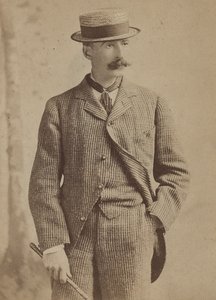
Winslow Homer
1836 - 1910 , Spojené státy americké
Rychlé fakta
- Artistic Movement Or Style: Americký Realismus
- Artists Or Movements Influenced By This Artist: ['Američané']
- Artists Who Influenced This Artist:
- Barbizon škola
- Courbet
- Millet
- Date Of Birth: 24. února 1836
- Date Of Death: 29. září 1910
- Full Name: Winslow Homer
- Nationality: Američan
- Notable Artworks:
- Breezing Up
- Gulf Stream
- Noblest Spirit
- Place Of Birth: Boston, USA
Související články
Winslow Homer: 25 mistrovských děl amerického realismu | OriginalUniqueArt.com
Prozkoumejte 25 ikonických děl Winslow Homera – mistra amerického realismu. Obdivujte jeho mořské scény, akvarely a olejomalby plné emocí. Reprodukce obrazů pro váš interiér na OriginalUniqueArt.com.

Top 10 děl amerického realismu: Umění, které odráží skutečný život | OriginalUniqueArt
Prozkoumejte 10 ikonických děl amerického realismu od Hopperů po Wyetha. Obrazy plné života, emocí a autenticity. Najděte inspiraci pro váš interiér s uměleckými reprodukcemi nejvyšší kvality na OriginalUniqueArt.com

Grant Wood & American Regionalism: Identity, Myth & the Rural Landscape
Explore the world of Grant Wood & American Regionalism with OriginalUniqueArt. Discover the symbolism behind 'American Gothic', recurring themes, and the movement's lasting impact on art history. High-quality reproductions available.

American Realism: Capturing the Soul of Everyday Life through the Lens of Art History
Explore the profound beauty of American Realism. From Winslow Homer’s rural landscapes to the dignity of everyday life, discover how master artists captured the soul of a nation through evocative oil paintings and timeless fine art techniques.

American Regionalism: The Soul of the Heartland and the Mastery of Grant Wood
Explore the profound history of American Regionalism. Discover how Grant Wood captured the heart of the Midwest through masterpieces like American Gothic. An expert guide to the movement, its cultural impact, and the enduring beauty of American Realism.