

 Náhled
 Sdílet
 Sdílet
 Podrobnosti o díle

 Stáhnout
 Podobné položky
 Rentgenové snímky
 Slideshow
 Statistiky
Aurora
 Watercolor
- WallArt
- American Romanticism
 19th Century
 70.0cm x 90.0cm
 Zobrazit více
Koupě vysoce rozlišeného, vylepšeného digitálního obrazu, který je mnohem kvalitnější než online náhled.
Každý soubor je pečlivě připraven našimi odborníky pomocí pokročilých nástrojů a expertní manuální retuše. Zajišťujeme, aby každý obraz disponoval výjimečnou ostrostí, přesnou barevnou věrností a jemnými detaily.
Finální soubor vám bude do 72 hodin zaslán e-mailem, optimalizovaný pro okamžité použití v profesionálním, redakčním i tiskovém prostředí. Nabízíme stejnou kvalitu, které důvěřují špičková designová studia, nakladatelství i galerie.
Digitální obrazy
Stáhněte si soubor ve vysokém rozlišení pro osobní prohlížení, tisk a kreativní projekty. ( Přepnout na tisk Koupit ručně malovaný obraz)
Součást každé objednávky digitálního obrazu
Profesionální digitální doručení, zaručeno.
Když si vyberete OriginalUniqueArt.com, nezískáváte pouze obrázek – získáváte digitální umělecké dílo s profesionálně vylepšenými detaily, zpracované s precizností a podpořené zárukou za spokojenost. Zde je vše, co vaše objednávka automaticky obsahuje:

Rychlé doručení e-mailem
Váš digitální obraz ve vysokém rozlišení vám bude zaslán e-mailem do 72 hodin od objednávky – připraven k okamžitému použití.

Digitální soubor s využitím AI
Vaše umělecké dílo je profesionálně optimalizováno pomocí pokročilých nástrojů umělé inteligence a manuální úpravy, což zajišťuje maximální úroveň detailu, ostrosti a přesnosti barev.

Bezplatné doživotní znovuodeslání
Soubor jste omylem smazali nebo ztratili? Žádný problém – kdykoliv vám ho znovu zašleme zcela zdarma.

Bez poplatků za dovoz – navždy
Užijte si své umělecké dílo okamžitě bez celních poplatků, daní nebo nákladů na dopravu – digitální stažení je vždy bez daňových povinností.

Záruka přesnosti barev
Pomocí profesionálních nástrojů a správy barev zajišťujeme, aby váš digitální obraz odrážel původní barvy co nejvěrněji.

100dená záruka spokojenosti
Pokud nebudete s digitálním obrázkem spokojeni, provedeme jeho revizi nebo vám vrátíme 100% platby do 100 dnů – bez jakýchkoliv dotazů.

100% záruka vrácení peněz
Nespokojeni? Získejte plnou náhradu peněz do 100 dnů od obdržení digitálního souboru – bez zbytečných dotazů.

Slevy při hromadných objednávkách
Koupěte si 3 obrazy, ušetřete 10% - Koupěte si 5, ušetřete 15% - Koupěte si 10+, ušetřete 20%. Ideální pro kreativní projekty, galerie a agentury.
A Celestial Journey Through Light and Motion
In the breathtaking masterpiece “Aurora,” Winslow Homer invites the viewer to transcend the earthly realm and ascend into a celestial spectacle of unparalleled grace. The painting captures a moment of profound mythic beauty, depicting the goddess Aurora as she traverses the heavens in her magnificent chariot. Pulled by two spirited white horses that seem to gallop through the very ether, the goddess moves with an effortless elegance that defies gravity. This is not merely a depiction of a mythological event; it is a symphony of light and motion where the boundaries between the divine and the natural world blur into a single, luminous experience. The composition is masterfully orchestrated, utilizing sweeping diagonal lines to propel the chariot forward, creating a sense of unstoppable momentum that draws the eye across the swirling, atmospheric expanse of the sky.
The palette of this work is nothing short of enchanting, designed to evoke the fleeting magic of dawn. Homer employs a sophisticated interplay of blues, greens, and vibrant yellows to illuminate the clouds, creating an illusion of depth and a palpable sense of atmosphere. These colors do not sit static upon the canvas; rather, they dance and swirl, mimicking the transformative power of light as it breaks through the morning mist. For the discerning collector or interior designer, this painting offers a dynamic focal point that breathes life into any space, providing a window into an ethereal realm where color and movement reign supreme.
The Mastery of an American Visionary
To understand the technical brilliance of “Aurora,” one must look to the unique artistic journey of Winslow Homer himself. Eschewing the rigid, academic constraints of European art schools, Homer developed a style rooted in the pragmatic observation of the world around him. His early years as a commercial illustrator for Harper’s Weekly gifted him with an extraordinary ability to capture clarity and detail, a skill that he later infused into his more fluid, painterly works. This painting serves as a testament to his mastery of light, likely informed by his extensive explorations with watercolor, where he learned the delicate art of layering washes to achieve a translucent, glowing effect.
The technique employed in “Aurora” is characterized by loose, expressive brushstrokes and subtle tonal gradations that allow the colors to blend seamlessly, much like the shifting hues of a real sunrise. There is a certain spontaneity in his application of paint that suggests the fleeting nature of the subject matter—a moment caught in time before the sun fully rises. This approach creates a surface texture that feels alive, possessing a vibrancy that captures the viewer's imagination. For those seeking to adorn a home with art that possesses both historical weight and modern vitality, Homer’s ability to marry meticulous detail with atmospheric freedom makes this piece an incomparable choice.
Symbolism and Emotional Resonance
Beyond its visual splendor, “Aurora” carries a deep emotional resonance that speaks to the universal human longing for freedom and transcendence. The goddess, riding amidst the clouds, symbolizes the dawn of new beginnings, the triumph of light over darkness, and the unstoppable progression of time. The white horses, symbols of purity and untamed strength, represent the vital energy that drives the natural cycles of our world. There is a profound sense of peace found within the chaos of the swirling clouds—a quiet dignity in the goddess's effortless flight that can offer a sense of serenity to any viewing environment.
For an art lover, this painting is an invitation to contemplate the sublime. For an interior designer, it is a tool to evoke feelings of grandeur and inspiration within a room. Whether placed in a sun-drenched gallery or a sophisticated study, “Aurora” acts as a portal to a world of wonder. It remains a powerful reminder of Homer’s unique contribution to American Romanticism: a vision that does not just observe nature, but celebrates its most magical, transformative moments.
Biografie umělce
A Brush with the American Spirit: The Life and Art of Winslow Homer
Winslow Homer, born in Boston in 1836, wasn’t sculpted by the traditional European art academies that shaped so many of his contemporaries. Instead, he emerged from a distinctly American experience, one rooted in practicality and observation. His journey began not with grand historical canvases, but as a commercial illustrator at the tender age of twelve for Harper's Weekly. This early apprenticeship was formative, honing an exceptional ability to capture scenes with clarity and detail – skills that would become hallmarks of his mature work. He wasn’t learning perspective in Paris; he was learning to *see* America, its people, and its unfolding story. The bustling streets of Boston, the quiet dignity of rural New England life, these were his first subjects, rendered with a precision born of necessity for the demands of print media. This foundation allowed him to transition into painting, initially in watercolor, before fully embracing the expressive potential of oil paints.From Pastoral Scenes to the Raw Power of Nature
Homer’s early paintings often depicted idyllic scenes – children playing, farmers tending their fields, quiet moments of domesticity. These works, while charming, hinted at a deeper artistic sensibility waiting to be unleashed. The catalyst for this transformation was undoubtedly the Civil War. As a war correspondent for Harper's Weekly, Homer witnessed firsthand the brutal realities of conflict. He didn’t focus on heroic battles or grand strategies; instead, he documented the everyday lives of soldiers and civilians, the quiet moments of grief and resilience amidst chaos. This experience profoundly altered his artistic vision. The pastoral scenes gave way to more challenging subjects: veterans grappling with trauma, freed slaves navigating a new world, and the stark beauty of landscapes touched by hardship. He began to explore themes of struggle, isolation, and humanity’s precar He wasn't interested in imitating European styles; he wanted to create an art that was uniquely American, reflecting its landscapes, its people, and its challenges. His style also evolved, becoming bolder and more direct, reflecting the raw emotional impact of what he had witnessed.Mastering Light, Texture, and the American Landscape
Winslow Homer's artistic technique is immediately recognizable for its solidity and texture. He wasn’t interested in fleeting impressions; he wanted to build up a sense of tangible reality on the canvas. His oil paintings are characterized by a direct painting approach – layers of paint applied with confidence, creating depth and luminosity. He possessed an extraordinary ability to capture light, whether it was the dazzling glare of the sun on the ocean or the soft glow of twilight over a rural landscape. This mastery extended to his watercolors, where he achieved remarkable atmospheric effects through vibrant colors and delicate washes. Breezing Up (A Fair Wind), painted in 1876, exemplifies this skill – a quintessential depiction of American maritime life, brimming with energy and movement. The Gulf Stream, created decades later, is perhaps his most iconic work, a powerful and symbolic portrayal of a lone man battling the forces of nature, a metaphor for human struggle against overwhelming odds. He wasn’t simply painting what he saw; he was conveying a feeling, an emotional truth about the human condition.A Legacy Forged in American Realism
Winslow Homer's art offers a profound window into 19th-century America, providing invaluable insights into the social, political, and cultural landscape of his time. His paintings are not merely beautiful representations; they are powerful statements about human resilience, the beauty and power of nature, and the complexities of the American experience. He died in 1910, leaving behind a prolific body of work that continues to resonate with audiences today. His ability to depict America with honesty and authenticity, without romanticizing or idealizing it. He wasn’t interested in imitating European styles; he wanted to create an art that was uniquely American, reflecting its landscapes, its people, and its challenges. Innocence, a poignant portrayal of childhood set against the backdrop of nature, and Man of Science, demonstrating his skill in capturing human psychology, are testaments to this commitment. His influence can be seen in the work of later American painters who sought to depict their own country with similar directness and emotional depth.- His work continues to inspire contemporary artists.
- Homer remains a pivotal figure in the development of American Realism.
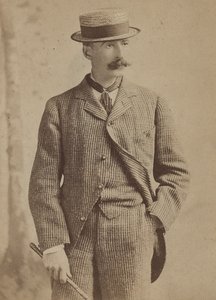
Winslow Homer
1836 - 1910 , Spojené státy americké
Stručné informace
- Artistic Movement Or Style: Americký Realismus
- Artists Or Movements Influenced By This Artist: ['Američané']
- Artists Who Influenced This Artist:
- Barbizon škola
- Courbet
- Millet
- Date Of Birth: 24. února 1836
- Date Of Death: 29. září 1910
- Full Name: Winslow Homer
- Nationality: Američan
- Notable Artworks:
- Breezing Up
- Gulf Stream
- Noblest Spirit
- Place Of Birth: Boston, USA