

 Náhled
 Sdílet
 Sdílet
 Podrobnosti o díle

 Stáhnout
 Podobné položky
 Rentgenové snímky
 Slideshow
Frederick Kuhl
 Neoclassicism
 1795
1795 4.0 x 3.0 cm
 Zobrazit více
Giclée / Umělecký tisk
Giclée nebo plátěný tisk muzeální kvality s rychlou výrobou a flexibilními možnostmi povrchové úpravy. ( Koupit ručně malovaný obraz Koupit obrázek)




































Vyberte si z našich přednastavených velikostí, které odpovídají původním proporcím díla.

Můžete zadat vlastní rozměry tak, aby výtvor odpovídal konkrétnímu rámu nebo prostoru. Pokud zvolená velikost nebude odpovídat poměru stran původního obrazu, dílo buď ořížeme, nebo obraz rozšíříme pomocí zrcadlového efektu či jednobarevného okraje. Před zahájením výroby vám bude zaslán digitální náhled k schválení.
Mějte prosím na paměti, že náhled na obrazovce neodráží skutečné oříznutí nebo rozšíření. Pouze digitální náhled přesně zobrazí finální kompozici.
Ačkoliv jsou k dispozici i vlastní rozměry, pro zachování původních proporcí doporučujeme vybrat si rozměr z předdefinovaného seznamu.
Celosvětové doručení () do 2 týdnů namísto standardních 4/5 týdnů. (26 srpen)

Zdarma celosvětová expresní doprava

Vysoce kvalitní lněné plátno

Kompletní přepravní pojištění

Záruka vrácení celního poplatku

Záruka přesného barevného shodu

60denní lhůta pro vrácení zboží (pouze při vadách výroby)

100% garance vrácení peněz

Sleva při hromadné objednávce
 Skleněná varianta je dostupná pouze u rozměrů menších než 110 cm

Frederick Kuhl
Giclée / Umělecký tisk
Rozměry reprodukce
-


Celková cena za výběr
$ 80
Biografie umělce
William Verstille: A Boston Miniature Painter
William Verstille (1757 – 1803) was an American artist who achieved considerable renown during the Rococo and Neoclassical periods, primarily recognized for his exquisitely detailed miniature portraits executed on ivory. Born in Boston, Massachusetts, Verstille’s artistic journey began with a formal apprenticeship under John Singleton Copley, arguably Boston's most celebrated painter of his time—a connection that profoundly shaped his stylistic sensibilities and technical prowess. This mentorship instilled within him the meticulous observation skills and refined brushwork characteristic of Copley’s oeuvre, establishing a foundation for Verstille’s own distinctive artistic vision.- Early Life & Training:
- Notable Commissions:
- Style & Technique:
- Legacy & Influence:
Early Life & Training
Verstille’s formative years were steeped in the intellectual ferment of Boston’s Enlightenment, where he absorbed influences from thinkers like Voltaire and Rousseau. His formal artistic education under Copley proved invaluable, exposing him to the prevailing stylistic trends of European portraiture—particularly the elegance and sophistication of Rococo art originating in France. Copley championed a naturalistic approach, prioritizing accurate depiction of facial expressions and subtle nuances of character, principles that Verstille diligently adopted throughout his career. This dedication to realism was further bolstered by studies undertaken abroad during his travels to London and Paris, where he encountered the burgeoning neoclassical movement spearheaded by artists like Jacques-Louis David.Notable Commissions
Verstille’s artistic reputation swiftly ascended as he secured commissions from prominent Boston families—the Wentworths, the Hutchingses, and notably, Clarissa Storrs—a young woman whose portrait remains a testament to Verstille's skill in capturing youthful beauty and conveying inner emotion. His meticulous attention to detail extended beyond mere visual representation; Verstille painstakingly researched his subjects’ backgrounds and incorporated symbolic elements into his compositions, reflecting the broader cultural concerns of his era. The resulting miniatures are not merely likenesses but carefully crafted narratives designed to commemorate individuals and their families within the context of Boston society.Style & Technique
Verstille's artistic style is characterized by an unparalleled level of precision—a hallmark of American miniature painting during the late 18th century. He employed watercolor on ivory, a technique demanding exceptional control and blending skills, allowing for subtle gradations of tone and color that heighten the illusion of depth and luminosity. Verstille’s brushwork was remarkably delicate, achieving astonishing textural detail while maintaining an overall sense of fluidity and grace. Furthermore, he skillfully utilized chiaroscuro—the interplay of light and shadow—to sculpt facial features and drapery folds, creating dramatic contrasts that emphasized form and expression. The resulting portraits possess a captivating immediacy, conveying not only physical appearance but also psychological insight.Legacy & Influence
William Verstille’s contribution to American art history extends beyond his individual masterpieces; he established a precedent for meticulous observation and expressive rendering—influencing subsequent generations of Boston artists. His unwavering commitment to realism and stylistic refinement solidified the reputation of Boston as a center for artistic excellence during the Enlightenment, cementing Verstille's place among the foremost portraitists of his time. Though relatively obscure today compared to Copley or Gilbert Stuart, Verstille’s miniatures continue to fascinate scholars and collectors alike—serving as enduring symbols of elegance, refinement, and the humanist spirit of the American Revolution.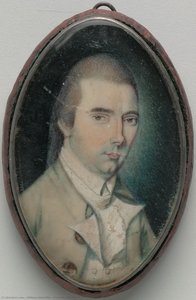
william verstille
1757 - 1803
Rychlé fakta
- Artistic Movement Or Style: Neoclassical
- Artists Or Movements Influenced By This Artist: ['Rococo']
- Artists Who Influenced This Artist: ['Jean-Honoré Fragonard']
- Date Of Death: 1803
- Full Name: William Verstille
- Nationality: American
- Notable Artworks:
- Colonel Richard William Hart
- Clarissa Storrs
- Solomon Ingraham, Capt.
- Place Of Birth: Boston, Massachusetts
Související články
18. století v umění: Top 10 děl a jejich příběhy | OriginalUniqueArt
Prozkoumejte 10 ikonických děl umění 18. století – od baroka po rokokó! Obrazy Davida, Gainsborough a dalších mistrů. Repliky obrazů pro váš interiér na OriginalUniqueArt.com. Inspirujte se a objevte krásu klasicistního stylu online.

Frederick William Jackson: Capturing the American West Through Luminist Vision & Narrative Detail
Explore the captivating works of Frederick William Jackson, a pioneer of Western realism & Luminist painting. Discover his atmospheric landscapes, depictions of Native American life, and lasting legacy. Learn more at OriginalUniqueArt.

Frederick William Elwell: A Study in British Landscape Painting & the Aesthetic Movement
Explore the life and work of Frederick William Elwell (1870-1958), a significant figure in British landscape painting and the Aesthetic Movement. Discover his captivating portraits, genre scenes & legacy.

The Power of One Hue: Mastering Monochrome Art for Sophisticated and Timeless Interiors
Elevate your interiors with the profound elegance of monochrome art. Explore OriginalUniqueArt.com’s curated collection of hand-painted oil reproductions and bespoke commissions, designed to bring sophisticated simplicity and timeless texture to every professional design project.
Frederick William Hayes: Transcendental Landscapes & the American Sublime
Explore the captivating landscapes of Frederick William Hayes, a Victorian artist influenced by the Hudson River School & literary utopias. Discover his legacy and artistic techniques at OriginalUniqueArt.

