

 Zobrazit v interiéru
 Odeslat
 Sdílet
 Podrobnosti
 Průvodce

 Stáhnout obrázek
 Podobné kousky
 Rentgenové snímky
 Slideshow
 Statistiky
Miss Copland
 Rococo
 1767
1767 75.0 x 62.0 cm
 Dumfries Museum And Camera Obscura
 Přečíst si více
Giclée / Umělecký tisk
Giclée nebo plátěný tisk muzeální kvality s rychlou výrobou a širokou nabídkou povrchových úprav. ( Objednat ručně malovanou reprodukci Přepnout na digitální verzi obrazu)




































Vyberte si z našich přednastavených velikostí, které odpovídají původním proporcím díla.

Můžete zadat vlastní rozměry tak, aby výtvor odpovídal konkrétnímu rámu nebo prostoru. Pokud zvolená velikost nebude odpovídat poměru stran původního obrazu, dílo buď ořížeme, nebo obraz rozšíříme pomocí zrcadlového efektu či jednobarevného okraje. Před zahájením výroby vám bude zaslán digitální náhled k schválení.
Mějte prosím na paměti, že náhled na obrazovce neodráží skutečné oříznutí nebo rozšíření. Pouze digitální náhled přesně zobrazí finální kompozici.
Ačkoliv jsou k dispozici i vlastní rozměry, pro zachování původních proporcí doporučujeme vybrat si rozměr z předdefinovaného seznamu.
Celosvětové doručení () do 2 týdnů namísto standardních 4/5 týdnů. (25 září)

Zdarma celosvětová expresní doprava

Vysoce kvalitní lněné plátno

Úplné pojištění přepravy

Záruka vrácení celního poplatku

Záruka věrného barevného shodu

100dení lhůta pro vrácení zboží (pouze při vadách výroby)

100% garance vrácení peněz

Sleva při více objednávkách
 Skleněná varianta je dostupná pouze u rozměrů menších než 110 cm

Miss Copland
Giclée / Umělecký tisk
Velikost reprodukce
-


Celková cena
$ 80
Biografie umělce
Early Life and Artistic Beginnings
William Millar, born in 1839 and passing in 1913, remains a compelling figure within the landscape of Scottish portraiture. While biographical details surrounding his early life are somewhat scarce, it is understood that he developed a keen eye for capturing character and likeness from a young age. He wasn’t merely replicating features; Millar sought to imbue his subjects with a sense of their inner lives, a quality that would become the hallmark of his work. The artistic climate of 19th-century Scotland provided fertile ground for portraitists, as burgeoning middle classes desired representations of themselves and their families—a demand Millar skillfully addressed. He received formal training, though specifics are elusive, it’s clear he mastered traditional oil painting techniques, laying a solid foundation for his future endeavors.A Master of Scottish Portraiture
Millar quickly established himself as a sought-after portraitist within Scotland. His canvases depict a diverse range of sitters—from prominent members of society to individuals representing the everyday fabric of Scottish life. He possessed an exceptional ability to convey not only physical resemblance but also the personality, social standing, and perhaps even the aspirations of those he painted. His portraits are characterized by meticulous detail, subtle use of color, and a remarkable sensitivity to light and shadow. Unlike some portraitists who favored grand, imposing compositions, Millar often opted for more intimate settings, creating a sense of connection between the viewer and the subject. This approach allowed him to delve deeper into psychological nuance, making his portraits feel remarkably alive.Influences and Artistic Development
While not directly affiliated with any specific art movement, Millar’s work reveals influences from several sources. The traditions of Scottish Realism, emphasizing accurate representation and a connection to the land, are evident in his meticulous attention to detail. He also appears to have been inspired by the works of earlier portrait masters, studying their techniques for capturing likeness and conveying character. Over time, Millar’s style evolved from a more conventional approach to one that incorporated elements of psychological realism. His later portraits demonstrate a greater willingness to experiment with composition and lighting, further enhancing his ability to capture the inner lives of his sitters.Notable Works and Legacy
Although a comprehensive catalogue raisonné of Millar's work is lacking, several paintings stand out as representative examples of his skill and artistry. “Miss Copland” exemplifies his Rococo style, showcasing exquisite detail and elegant beauty. His portraits of Reverend William Leechman demonstrate his ability to capture the dignity and intellectual gravitas of prominent figures.- Millar’s work provides a valuable glimpse into Scottish society during the 19th century.
- His paintings offer insights into the lives, values, and aspirations of those he depicted.
- He was able to capture not only physical resemblance but also the personality and social standing of his sitters.
Historical Significance
William Millar’s significance lies in his ability to create portraits that transcend mere representation. He wasn't simply painting faces; he was capturing moments in time, preserving the essence of individuals within a specific historical context. His work serves as a testament to the enduring power of portraiture—its capacity to connect us with the past and offer insights into the human condition. While perhaps not as widely recognized as some of his contemporaries, Millar’s contributions to Scottish art are undeniable. He remains a significant artist whose paintings continue to captivate viewers with their beauty, sensitivity, and historical depth.
william millar
1839 - 1913
Rychlé informace
- Artistic Movement Or Style: Scottish Portraiture
- Artists Or Movements Influenced By This Artist: ['']
- Artists Who Influenced This Artist: ['']
- Date Of Death: 1913
- Full Name: William Millar
- Nationality: Irish
- Notable Artworks:
- Miss Copland
- Diana, Wife of Sir Walter Scott
- Place Of Birth: Dublin, Ireland
Související články
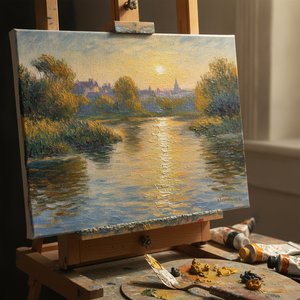
The Soul of Impressionism: Why Oil on Canvas Captures Eternal Light and Timeless Emotion
Discover the enchanting alchemy of Impressionism. Explore how the mastery of oil on canvas, through glazing and impasto, captures eternal light and emotion. Perfect for lovers of Monet and Van Gogh seeking the profound depth of hand-painted fine art.

Top 10 mistrovských děl rokokového umění | OriginalUniqueArt.cz
Prozkoumejte 10 ikonických děl rokokového umění – Fragonard, Boucher a další. Objevte příběhy mistrů, techniky a pastelové barvy tohoto elegantního stylu. Reprodukce obrazů nejvyšší kvality na OriginalUniqueArt.cz!

Trvalý odkaz olejomalby: Technika, historie a současná praxe
Prozkoumejte historii a techniky olejomalby s námi! Od středověku po současnost – detailní průvodce pro milovníky umění a profesionály. Objevte tajemství mistrů a inspirujte se.

Oil on Canvas: A Historical & Technical Exploration of a Timeless Artistic Medium
Explore the rich history & enduring techniques of oil painting on canvas. Discover the science behind its longevity, conservation practices, and contemporary relevance. Expert insights for art enthusiasts.

The Enduring Legacy of Oil on Canvas: Technique, History & Aesthetic Impact
Explore the rich history & techniques of oil painting – from Renaissance masters to Impressionism. Discover pigments, layering methods, and why this timeless medium endures. Expert insights for artists & art enthusiasts.