
 Zobrazit v interiéru
 Odeslat
 Sdílet
 Podrobnosti
 Průvodce

 Stáhnout obrázek
 Podobné kousky
 Rentgenové snímky
 Slideshow
 Statistiky
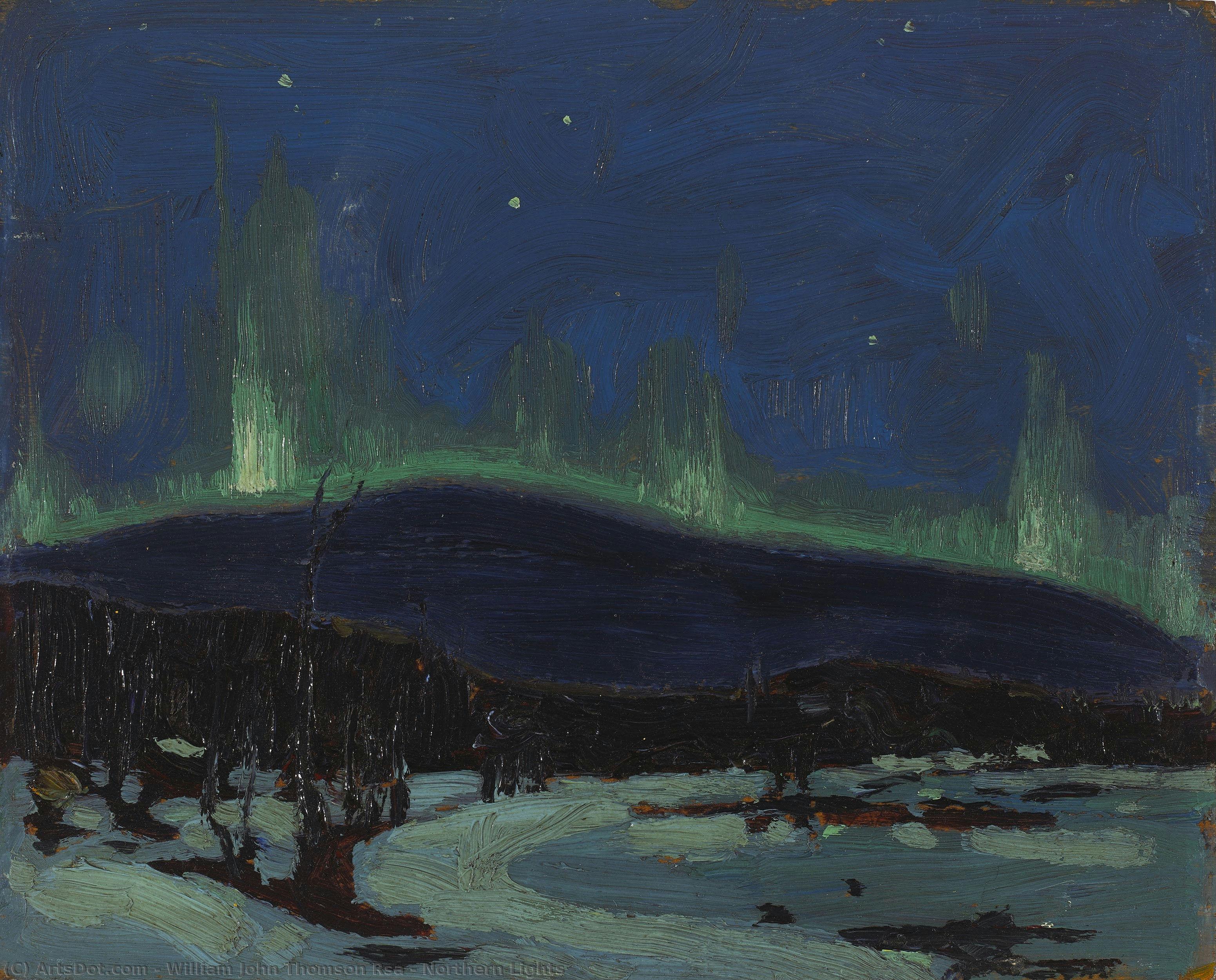
Northern Lights
 Acrylic On Canvas
- WallArt
- Northern Lights
 1917
1917 21.0 x 26.0 cm
 Národní galerie Kanady
 Přečíst si více
Giclée / Umělecký tisk
Giclée nebo plátěný tisk muzeální kvality s rychlou výrobou a širokou nabídkou povrchových úprav. ( Objednat ručně malovanou reprodukci Přepnout na digitální verzi obrazu)




P118B Kč10

P118H Kč10

P118W Kč10

P438Z Kč10

P508JH Kč12

P508YH Kč12

P805H Kč10

P805Z Kč10

P919BZ Kč10

P919G Kč10

P919XJ Kč10

P959ZH Kč10

P968JZ Kč12

W106C Kč8

W218G Kč10

W218JH Kč8

W218Y Kč10

W307PJ Kč10

W316G Kč10

W316PJ Kč8

W316Y Kč10

W398PJ Kč8

W4111J Kč10

W500HY Kč15

W500JH Kč15

W692G Kč12

W849H Kč8

W940BG Kč15

W953PJ Kč8




Vyberte si z našich přednastavených velikostí, které odpovídají původním proporcím díla.

Zadejte šířku a výšku, které potřebujete pro váš rám nebo stěnu. Tisk lze pouze oříznout, nikdy však nelze zvětšit obraz nad jeho původní rozměr, proto při výběru jiného formátu dochází ke ztrátě části obrazu. Před samotným tiskem vám zašleme digitální náhled k schválení. Obraz zobrazený na této stránce nenabízí skutečný výřez — ten uvidíte pouze v náhledu.
Celosvětové doručení () do 2 týdnů namísto standardních 4/5 týdnů. (22 říjen)

Zdarma celosvětová expresní doprava

Vysoce kvalitní lněné plátno

Úplné pojištění přepravy

Záruka vrácení celního poplatku

Záruka věrného barevného shodu

100dení lhůta pro vrácení zboží (pouze při vadách výroby)

100% garance vrácení peněz

Sleva při více objednávkách
 Skleněná varianta je dostupná pouze u rozměrů menších než 110 cm

Northern Lights
Giclée / Umělecký tisk
Velikost reprodukce
-


Celková cena
Kč 1700
The Dance of the Aurora: William John Thomson’s ‘Northern Lights’
William John Thomson's “Northern Lights,” painted in 1917, isn’t merely a depiction of a natural phenomenon; it’s an immersive experience. The canvas vibrates with the ethereal glow of the aurora borealis, capturing not just its visual spectacle but also the profound sense of wonder and mystery associated with this celestial display. Thomson, a master of silhouette painting who later transitioned to portraiture and landscapes, here demonstrates a remarkable shift in his artistic focus – moving from precise outlines to a richer, more atmospheric rendering of light and color. The piece immediately draws the viewer into its heart, inviting contemplation on the sublime beauty of the natural world and humanity’s place within it.
- Subject Matter: The painting centers around the Northern Lights themselves – ribbons of emerald, violet, and gold swirling across a dramatic mountainous landscape. The inclusion of a solitary figure on the left side of the composition adds an element of scale and human perspective, suggesting our smallness in the face of such immense natural power.
- Style: While rooted in late 19th-century British painting traditions, “Northern Lights” transcends simple representation. It leans towards a romanticized view of nature, imbued with a sense of awe and spiritual resonance. The brushwork is loose and expressive, prioritizing the conveyance of light and atmosphere over meticulous detail.
A Window into the Early 20th Century: Context and Technique
Painted in 1917, during a period of significant social and artistic change – the dawn of the 20th century – “Northern Lights” reflects both the prevailing fascination with the natural world and the growing interest in capturing fleeting moments of beauty. Thomson’s technique is particularly noteworthy. He employed a layering approach, building up color gradually through multiple thin washes of paint, creating a luminous effect that mimics the shimmering quality of the aurora itself. The use of subtle gradations of tone – from deep blues and purples to vibrant greens and yellows – adds depth and dynamism to the scene. The artist’s choice of palette is crucial; it's not a literal representation but an interpretation, prioritizing emotional impact over photographic accuracy.
Historical Note:** Thomson’s career spanned several decades, and his style evolved considerably. This piece represents a pivotal moment in his artistic journey, showcasing his growing confidence and willingness to experiment with color and atmosphere.Symbolism and the Myth of the Northern Lights
The Northern Lights have long held a powerful place in human imagination, steeped in myth and legend across various cultures. Often associated with spirits, gods, and portals to other realms, they represent both beauty and danger – a reminder of the forces beyond our control. In “Northern Lights,” Thomson subtly incorporates these symbolic associations. The solitary figure gazing upwards can be interpreted as an individual seeking connection with something larger than themselves, a yearning for transcendence. The vastness of the landscape reinforces this sense of scale and humility. The painting evokes the ancient belief that the aurora borealis was a sign from the gods or a pathway to the afterlife – a potent reminder of humanity’s enduring fascination with the unknown.
A Timeless Masterpiece: Reproduction and Legacy
“Northern Lights” remains a captivating work of art, offering viewers a glimpse into both the beauty of nature and the artistic vision of William John Thomson. Reproductions, meticulously crafted by OriginalUniqueArt.com, allow us to appreciate this masterpiece in our own homes, bringing its ethereal glow and evocative atmosphere into our spaces. The painting’s enduring appeal lies not only in its technical skill but also in its ability to transport us to a realm of wonder and inspire a sense of connection with the natural world. It's a testament to Thomson's talent and a beautiful reminder that some sights are best experienced through the lens of art.
Otázky a odpovědi
Proč má dílo „Northern Lights“ právě takový autorský status?
Autorskoprávní status díla „Northern Lights“ – patří do volného užití – autorská práva vypršela – vyplývá ze smrti umělce v roce 1845.
Jak si mohu stáhnout obrázek díla „Northern Lights“ od William John Thomson Rsa?
Obraz díla „Northern Lights“ od William John Thomson Rsa si můžete stáhnout na stránce s k dispozici pro stažení Stáhnout: stažení digitálního obrazu ve vysokém rozlišení.
Jak si mohu prohlédnout „Northern Lights“ od William John Thomson Rsa ve formě skluzobránku?
K dispozici je sklízivka: stránka Diaporama díla „Northern Lights“ od William John Thomson Rsa.
Biografie umělce
William John Thomson RSA (1771-1845)
Early Life and Education
William John Thomson was born on October 3rd, 1771, in Savannah, Chatham County, Georgia, to Scottish parents, Alexander Thomson and Mary Elizabeth Spencer. His family migrated to England during the American War of Independence. He received his artistic training in London, though specific details regarding his formal education remain scarce. This period laid the foundation for his future career as a versatile artist.
Artistic Development and Style
Thomson initially gained recognition for his skill in creating silhouettes, a popular art form during the late 18th and early 19th centuries. He quickly expanded his repertoire to include portrait miniatures and full-scale portraits. His style evolved over time, demonstrating an ability to adapt to changing artistic tastes. While rooted in traditional techniques, he incorporated elements of contemporary British painting.
Exhibitions and Recognition
Thomson first exhibited at the prestigious Royal Academy of Arts in 1795, marking a significant step in his career. He continued to exhibit regularly there and at the British Institution between 1809 and 1829 while residing in London at various addresses including Charles Street, Craven St, and The Strand. In 1808 he was considered for election to the Royal Academy. His work gained him a reputation as a skilled portraitist and miniaturist.
Move to Scotland and Later Life
In 1812, Thomson relocated to his ancestral homeland of Scotland, settling in Edinburgh. He married Helen J Colhoun in 1797 and later Anne McCulloch (d.1855) around 1817; these marriages produced seven children. In Edinburgh, he became a prominent figure in the artistic community, residing at addresses like York Place and Northumberland Avenue. He held various official positions within Scottish art circles.
Major Works and Themes
Thomson’s oeuvre encompasses portraits, miniatures, landscapes, and genre paintings. Some of his notable works include Northern Lights and Presentation teapot. His portraiture often captured the likenesses of prominent Scottish figures, reflecting the social landscape of the time. He also explored scenic views and everyday life in his landscapes and genre scenes.
Influences and Legacy
While specific artistic influences are not extensively documented, Thomson’s work demonstrates an awareness of prevailing British portraiture styles of the period. His sister, Catherine Thomson, was later the stepmother of author Elizabeth Gaskell, suggesting a connection to literary circles. He became a key figure in 19th-century British art and particularly within the Scottish artistic landscape.
Historical Significance
William John Thomson RSA played an important role in documenting the lives of his contemporaries through portraiture. His work provides valuable insights into the social and cultural history of Scotland during the early 19th century. Though not as widely celebrated as some of his peers, he remains a significant figure for scholars studying British art and Scottish artistic heritage.

William John Thomson Rsa
1771 - 1845 , United States of America
Rychlé informace
- Name: William John Thomson RSA
- Movement:
- Portraiture
- Miniature painting
- Silhouette art
- Landscape painting
- Birth Date: 1771-10-03
- Death Date: 1845
- Birth Place: Savannah, Georgia, United States
- Nationality: Scottish
- Date Of Birth: 1771
- Date Of Death: 1845
- Notable Works:
- Northern Lights
- Presentation teapot
- Portrait of a Lady
- Portrait of a Gentleman
- Place Of Birth: Savannah, United States of America
Související články

Evocations of Place: A Historical Journey Through Landscape Art
Explore the rich history of landscape art with OriginalUniqueArt. Discover renowned artists, movements like Impressionism & tonalism, and expert guidance for collecting timeless pieces. Find your perfect serene escape today!

Evocations of Place: A Historical Journey Through Landscape Art
Explore the rich history of landscape art with OriginalUniqueArt. Discover renowned artists, movements like Impressionism & Romanticism, and expert guidance for collecting timeless pieces. Find your perfect serene escape today!
Thomas Thomson: Pioneering Canadian Landscape & the Pursuit of National Identity
Explore the evocative landscapes of Tom Thomson, a pivotal figure in Canadian art & precursor to the Group of Seven. Discover his bold style, lasting legacy, and profound impact on shaping a national artistic identity.

John Constable: 25 mistrovských děl krajinářské poezie | OriginalUniqueArt.com
Prozkoumejte 25 ikonických děl Johna Constabla, mistra anglického krajinářství a romantismu. Obdivujte jeho olejomalby, plátna s venkovskou atmosférou a inspirujte se pro dekoraci interiéru. Reprodukce obrazů nejvyšší kvality na OriginalUniqueArt.com

Romantická krajina v malbě: 10 mistrovských děl, které definovaly umělecký proud | OriginalUniqueArt
Prozkoumejte 10 ikonických děl romantické krajinářské malby! Objevte příběhy Caspara Davida Friedricha, Turnera a dalších mistrů. Reprodukce obrazů nejvyšší kvality pro váš interiér na OriginalUniqueArt.com.