

 Zobrazit v interiéru
 Odeslat
 Sdílet
 Podrobnosti
 Průvodce

 Stáhnout obrázek
 Podobné kousky
 Rentgenové snímky
 Slideshow
 Statistiky
Claudio and Isabella


 Přečíst si více
Giclée / Umělecký tisk
Giclée nebo plátěný tisk muzeální kvality s rychlou výrobou a širokou nabídkou povrchových úprav. ( Objednat ručně malovanou reprodukci Přepnout na digitální verzi obrazu)




P118B Kč10

P118H Kč10

P118W Kč10

P438Z Kč10

P508JH Kč12

P508YH Kč12

P805H Kč10

P805Z Kč10

P919BZ Kč10

P919G Kč10

P919XJ Kč10

P959ZH Kč10

P968JZ Kč12

W106C Kč8

W218G Kč10

W218JH Kč8

W218Y Kč10

W307PJ Kč10

W316G Kč10

W316PJ Kč8

W316Y Kč10

W398PJ Kč8

W4111J Kč10

W500HY Kč15

W500JH Kč15

W692G Kč12

W849H Kč8

W940BG Kč15

W953PJ Kč8




Vyberte si z našich přednastavených velikostí, které odpovídají původním proporcím díla.

Zadejte šířku a výšku, které potřebujete pro váš rám nebo stěnu. Tisk lze pouze oříznout, nikdy však nelze zvětšit obraz nad jeho původní rozměr, proto při výběru jiného formátu dochází ke ztrátě části obrazu. Před samotným tiskem vám zašleme digitální náhled k schválení. Obraz zobrazený na této stránce nenabízí skutečný výřez — ten uvidíte pouze v náhledu.
Celosvětové doručení () do 2 týdnů namísto standardních 4/5 týdnů. (21 říjen)

Zdarma celosvětová expresní doprava

Vysoce kvalitní lněné plátno

Úplné pojištění přepravy

Záruka vrácení celního poplatku

Záruka věrného barevného shodu

100dení lhůta pro vrácení zboží (pouze při vadách výroby)

100% garance vrácení peněz

Sleva při více objednávkách
 Skleněná varianta je dostupná pouze u rozměrů menších než 110 cm

Claudio and Isabella
Giclée / Umělecký tisk
Velikost reprodukce
-


Celková cena
Kč 1700
A Moral Quandary Captured in Light and Shadow
William Holman Hunt’s “Claudio and Isabella,” painted in 1850, isn't merely a depiction of a Shakespearean scene; it’s a profound meditation on morality, sacrifice, and the agonizing choices that define human existence. This Pre-Raphaelite masterpiece, currently residing within the hallowed halls of Tate Britain, immediately draws the viewer into a moment suspended between despair and defiance – a pivotal juncture in William Shakespeare's “Measure for Measure.” Hunt masterfully translates the play’s complex drama onto canvas, imbuing it with an almost unbearable intensity that resonates long after the initial viewing.
The painting centers on Claudio, a nobleman facing imminent execution due to his transgression of societal norms. He appeals to Isabella, his sister and soon-to-be nun, for a desperate solution: to surrender her virginity in exchange for his life. The composition is strikingly intimate, compressing the figures within a confined space – a prison cell rendered with meticulous detail, its rough stone walls hinting at the oppressive circumstances surrounding them. Hunt’s use of chiaroscuro—the dramatic interplay of light and shadow—is particularly potent here. Claudio is positioned in deep shadow, his face partially obscured, conveying vulnerability and desperation. Isabella, bathed in a soft, diffused light streaming through a window behind her, embodies purity and unwavering resolve. The light itself seems to highlight her moral struggle, casting a poignant glow upon her countenance.
Pre-Raphaelite Detail and Symbolism
As a cornerstone of the Pre-Raphaelite Brotherhood, Hunt’s technique is characterized by an almost obsessive attention to detail. Every element—from the texture of Claudio's clothing to the delicate folds in Isabella’s veil—is rendered with painstaking accuracy. The artist meticulously studied the play and sought to capture not just the narrative but also the emotional nuances within it. The background, featuring a simple church spire rising between the figures, is deliberately understated, directing the viewer’s focus squarely onto the central drama unfolding before them. Beyond mere representation, Hunt employs symbolism throughout the painting. The cherry tree in bloom, visible through the window, represents fleeting beauty and the ephemeral nature of life – a stark contrast to the weighty moral dilemma at hand.
The inclusion of the text from Shakespeare’s play itself—“Death is a fearful thing, / And a shamed life, a hateful”—is crucial. Hunt didn't simply illustrate the scene; he integrated it directly into the artwork, reinforcing its thematic core. The careful arrangement of objects within the cell – a simple wooden stool, a small table bearing a single candle – further contributes to the painting’s symbolic weight, each element serving as a visual clue to the characters’ predicament.
A Window into Victorian Morality
“Claudio and Isabella” offers a fascinating glimpse into the moral anxieties of Victorian England. The play itself was a product of this era's preoccupation with social order, justice, and the complexities of human relationships. Hunt’s painting reflects these concerns, presenting a morally ambiguous situation where neither character possesses an easy solution. The scene forces the viewer to confront uncomfortable questions about duty, sacrifice, and the limits of personal morality. It is not a celebration of either Claudio's actions or Isabella's potential compromise; rather, it presents a raw and unflinching portrayal of a moment teetering on the brink.
Emotional Resonance and Reproduction
The painting’s enduring power lies in its ability to evoke a profound emotional response. The palpable tension between Claudio and Isabella, coupled with Hunt's masterful use of light and shadow, creates an atmosphere of intense drama and psychological depth. Reproductions of “Claudio and Isabella” capture much of this original impact, offering art lovers the opportunity to experience this iconic work firsthand. When selecting a reproduction, consider the quality of materials used – a hand-painted oil on canvas will undoubtedly offer a richer, more authentic representation than a digital print. The painting’s ability to convey both the visual and emotional complexities of its subject makes it a timeless masterpiece, worthy of admiration and contemplation for generations to come.
Otázky a odpovědi
Je dílo „Claudio and Isabella“ od William Holman Hunt spíše světlé, nebo tmavé?
Z hlediska vnímané jasnosti je dílo „Claudio and Isabella“ od William Holman Hunt shadow.
Jaký je formát díla „Claudio and Isabella"?
Formát díla „Claudio and Isabella“ je Tall. To se hodí při plánování umístění reprodukce.
Jaký emocionální náboj nese dílo „Claudio and Isabella“ od William Holman Hunt?
„Claudio and Isabella“ vyvolává Melancholic pocity. Emocionální náboj díla popisuje dojem, který z něj vyzařuje.
Biografie umělce
William Holman Hunt: A Life Illuminated by Faith and Vision
William Holman Hunt, born in the heart of Cheapside, London on April 2nd, 1827, wasn’t merely a painter; he was a profound seeker—a philosopher translating his deepest spiritual convictions into breathtaking visual narratives. His early life, steeped in the bustling commercial world surrounding his father's warehouse business, held within it an unexpected artistic flame that would ultimately reshape the course of Victorian art. Initially destined for a path mirroring his family’s trade, Hunt discovered solace and purpose not in ledger books but in the quiet act of sketching, a clandestine passion nurtured amidst the city’s vibrant chaos. This nascent talent, coupled with a yearning for artistic expression beyond the confines of academic convention, would soon propel him toward the formation of the Pre-Raphaelite Brotherhood—a movement that irrevocably altered the landscape of British art. Hunt's journey wasn’t simply about aesthetics; it was a relentless quest for truth, morality, and a profound spiritual resonance within the realm of visual representation – a desire fueled by his deeply held religious beliefs.The Genesis of a Revolutionary Brotherhood
In 1848, amidst the burgeoning artistic ferment of London, William Holman Hunt, alongside Dante Gabriel Rossetti and John Everett Millais, established the Pre-Raphaelite Brotherhood (PRB). This wasn’t merely an artistic collective; it was a deliberate rebellion against what they perceived as the stifling conventions of art since Raphael. The PRB championed a return to the sincerity, meticulous detail, and vibrant colors characteristic of early Italian painting—a period before the perceived artificiality and idealized forms that had dominated High Renaissance aesthetics. Hunt’s commitment to this philosophy remained unwavering throughout his career, shaping not only his subject matter but also his artistic process. Early works like *The Hireling Shepherd*, painted in 1851, serve as a powerful testament to this dedication. The painting's astonishing realism—from the individual strands of wool on the sheep’s fleece to each blade of grass meticulously rendered—was revolutionary for its time, challenging the prevailing academic emphasis on idealized forms and atmospheric effects. It wasn’t simply a depiction of rural life; it was an attempt to convey moral and symbolic meaning through precise observation of nature, reflecting Hunt's belief that art should serve as a vehicle for truth and spiritual awakening. The Brotherhood sought to dismantle the established norms of artistic production, rejecting what they considered formulaic academic painting in favor of a more direct and honest engagement with the world around them—a radical shift that immediately garnered both admiration and controversy.A Pilgrimage of Faith and Symbolic Depth
Hunt’s artistic journey took an extraordinary turn during his extensive travels to the Holy Land between 1854 and 1860. Driven by a profound desire for historical accuracy and a deep-seated spiritual quest, he embarked on a pilgrimage to Palestine and Syria, meticulously documenting landscapes, costumes, and customs with unparalleled attention to detail. This immersive experience profoundly influenced his later works, imbuing them with an unprecedented sense of realism and spiritual resonance—a direct result of witnessing the biblical scenes firsthand. *The Shadow of Death*, painted during this period, stands as a particularly compelling example. The painting’s dramatic depiction of Christ's sacrifice is not merely a historical record; it’s a deeply symbolic meditation on mortality, redemption, and the weight of human suffering—a testament to Hunt’s belief that art could illuminate profound spiritual truths. His meticulous research extended beyond mere observation; he sought to understand the cultural context surrounding biblical events, incorporating elements of local customs and traditions into his compositions. This commitment to authenticity was further exemplified in *The Light of the World*, arguably his most iconic work, begun in 1851 and completed in 1853—a painting that would become synonymous with Victorian faith and artistic achievement.The Triumph of “The Light of the World” and Beyond
*The Light of the World*, depicting Christ knocking at the door of a soul, became an immediate sensation upon its exhibition in 1853. The painting’s powerful symbolism—representing divine grace offered to those who open their hearts—resonated deeply with Victorian audiences grappling with questions of faith, morality, and social reform. Its popularity was further amplified by a series of meticulously crafted engravings, which disseminated the image widely throughout Britain and America. Hunt's success wasn't merely due to the painting’s aesthetic appeal; it reflected his ability to tap into the prevailing spiritual anxieties of the era—a time marked by rapid industrialization, social unrest, and a growing sense of uncertainty about traditional values. Following *The Light of the World*, Hunt continued to produce a diverse range of works, exploring themes of biblical narratives, medieval allegory, and contemporary social issues. He remained committed to his Pre-Raphaelite principles throughout his career, consistently prioritizing meticulous detail, vibrant colors, and symbolic depth in his compositions. Despite facing personal tragedies—the loss of his beloved wife Fanny Waugh in 1856—Hunt continued to create art with unwavering dedication, solidifying his place as one of the most influential artists of the Victorian era.Legacy and Enduring Influence
William Holman Hunt’s legacy extends far beyond the beauty of his paintings. He revolutionized Victorian art by championing realism, symbolism, and a profound engagement with spiritual themes—a shift that profoundly influenced generations of artists to come. His meticulous attention to detail, combined with his deep understanding of biblical narratives and medieval allegory, established a new standard for artistic expression. Hunt’s work continues to inspire awe and contemplation, reminding us of the power of art to illuminate the human condition and explore the enduring mysteries of faith. He remains a pivotal figure in British art history—a testament to the transformative potential of an artist driven by both vision and conviction.
William Holman Hunt
1827 - 1910 , Spojené království
Rychlé informace
- Artistic Movement Or Style: Preromantičnost
- Artists Or Movements Influenced By This Artist: ['Preromantičtí']
- Artists Who Influenced This Artist:
- Ruskin
- Italové
- Date Of Birth: 2. dubna 1827
- Date Of Death: 7. září 1910
- Full Name: William Holman Hunt
- Nationality: Anglický
- Notable Artworks:
- Světlo světa
- Vzbudení
- Stín smrti
- Place Of Birth: Londýn, Anglie
Související články
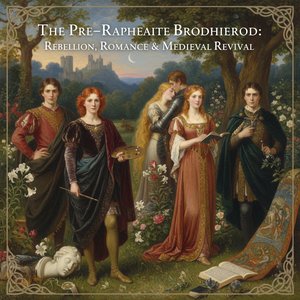
The Pre-Raphaelite Brotherhood: Rebellion, Romance & Medieval Revival
Explore the captivating world of the Pre-Raphaelite Brotherhood! Discover their rebellious spirit, iconic masterpieces & lasting influence on art history. Learn about Rossetti, Millais & more.

Sir John Everett Millais: Pre-Raphaelite Rebellion & Victorian Narrative Detail
Explore the revolutionary art of Sir John Everett Millais & the Pre-Raphaelite Brotherhood. Discover their radical realism, symbolic narratives, and lasting impact on Victorian aesthetics. A deep dive into 19th-century masterpieces.

Dante Gabriel Rossetti: Top 25 děl a umělecké ikony pro váš domov | OriginalUniqueArt.cz
Prozkoumejte 25 ikonických děl Dante Gabriela Rossettiho – symbolismus, viktoriánský romantismus a krásné ženy v obrazech. Reprodukce obrazů nejvyšší kvality pro váš interiér na OriginalUniqueArt.cz. Objevte celou kolekci online!
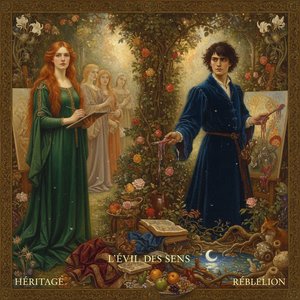
The Pre-Raphaelite Brotherhood: Reclaiming Beauty, Nature, and Truth in Victorian Art History
Explore the revolutionary Pre-Raphaelite Brotherhood. Discover how these visionary artists rejected academic tradition to reclaim beauty, nature, and truth through luminous detail and literary depth in Victorian art history.

Pre-Raphaelite Romanticism: A Guide to Vivid Detail and Medieval Beauty in Victorian Art
Explore the vivid detail and medieval beauty of Pre-Raphaelite Romanticism. Discover the history of masters like Rossetti and Millais through our expert guide to Victorian art, perfect for collectors and professionals seeking authentic, museum-quality reproductions.

