
 Olejová malba
 Vše o díle Marsarkis

































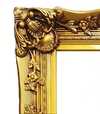
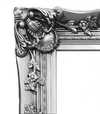

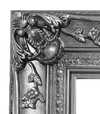


 U děl nebo reprodukcí, u nichž je jakákoliv strana větší než 105 cm (přibližně 41 palců), bude rám dodán jako sestava v rozloženém stavu. Tato metoda zajišťuje bezpečné doručení a chrání dílo před poškozením během přepravy.


The Landscape Depiction of Marsarkis
Marsarkis by William Henry Bartlett presents a mountainous region defined by steep slopes and a vast valley. The scene captures a rugged landscape where human figures and livestock move through the terrain. These elements suggest a connection between the inhabitants and the land they occupy. The presence of people and animals amidst the scale of the mountains implies a sense of habitation within the wilderness.
The subject matter focuses on a mountainous valley, emphasizing the physical reality of the terrain. Through the depiction of these figures and animals, William Henry Bartlett conveys the atmosphere of exploration and travel. The landscape functions as a record of a specific environment, documenting the intersection of human activity and the natural world.
Composition and Visual Elements
The scene is structured through distinct layers that establish a sense of depth and scale. In the immediate foreground, a winding path provides a starting point for the viewer's eye, which is then directed toward a distant valley. A prominent pine tree dominates the left side of the frame, acting as a vertical anchor against the expansive landscape. This arrangement guides the gaze from the textured foreground through steep, vegetated slopes toward the hazy horizon.
Spatial depth is achieved through the application of both linear and atmospheric perspective. Linear perspective is utilized via the receding path and the diminishing size of distant elements, creating a clear sense of distance. Simultaneously, atmospheric perspective is evident in the hazy background, where the mountains lose clarity and detail as they recede. Organic shapes define the composition, with the irregular forms of the mountains, trees, and clouds providing a natural contrast to the more defined lines of the path.
Technique and Artistic Medium
Executed in a realistic style, the work is rendered as an etching or engraving on paper. The process likely involved the use of a metal plate, such as copper or steel, which was etched with fine lines using acid. This method allowed for the precise, controlled application of detail necessary to define the rugged contours of the landscape.
The artist relies on extensive cross-hatching and fine lines to establish texture and depth. These intersecting strokes create a sense of volume on rocky surfaces and foliage, while varying the density of the lines produces a range of tonal values. This systematic use of hatching provides the structural weight required to represent the mountainous terrain and the atmospheric haze of the distant valley.
Otázky a odpovědi
Je dílo Marsarkis ručně malované, nebo jde o tisk?
Ručně malováno: zkušený malíř přetvoří Marsarkis v olejomalbu na lněném plátně.
Jakou velikost si mám vybrat pro Marsarkis?
Velikosti se pohybují od 25.6 x 39.1 cm (Kč7107) až po 163.2 x 249.3 cm (Kč40193); v tabulce na této stránce jsou uvedeny jednotlivé varianty a jejich ceny.
Jak dlouho trvá doručení?
Doručení trvá 4 až 5 týdnů a zahrnuje bezplatnou expresní přepravu po celém světě; na této stránce je k dispozici i možnost urgentní výroby. Dílo můžete vrátit během 100 dnů s plným vrácením peniędzy, bez jakýchkoliv podmínek.
Jakou techniku použil/a William Henry Bartlett pro dílo Marsarkis?
Engraving
 Náhled v interiéru

 Sdílet
 Sdílet
 Podrobnosti o díle
 Informační list pro studenty


 Stáhnout
 Podobné položky
 Rentgenové snímky
 Slideshow
 Otázky a odpovědi

 Statistiky


