

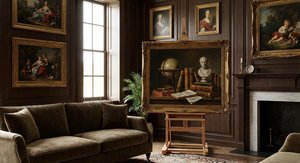
 Náhled v interiéru
 Sdílet
 Sdílet
 Podrobnosti o díle
 Průvodce

 Stáhnout
 Podobné položky
 Rentgenové snímky
 Slideshow
 Statistiky
Judas Iscariot


 Zobrazit více
Giclée / Umělecký tisk
Giclée nebo plátěný tisk muzeální kvality s rychlou výrobou a širokou nabídkou povrchových úprav. ( Koupit ručně malovaný obraz Přepnout na digitální obraz)




P118B Kč10

P118H Kč10

P118W Kč10

P438Z Kč10

P508JH Kč12

P508YH Kč12

P805H Kč10

P805Z Kč10

P919BZ Kč10

P919G Kč10

P919XJ Kč10

P959ZH Kč10

P968JZ Kč12

W106C Kč8

W218G Kč10

W218JH Kč8

W218Y Kč10

W307PJ Kč10

W316G Kč10

W316PJ Kč8

W316Y Kč10

W398PJ Kč8

W4111J Kč10

W500HY Kč15

W500JH Kč15

W692G Kč12

W849H Kč8

W940BG Kč15

W953PJ Kč8




Vyberte si z našich přednastavených velikostí, které odpovídají původním proporcím díla.

Zadejte šířku a výšku, které potřebujete pro váš rám nebo stěnu. Tisk lze pouze oříznout, nikdy však nelze zvětšit obraz nad jeho původní rozměr, proto při výběru jiného formátu dochází ke ztrátě části obrazu. Před samotným tiskem vám zašleme digitální náhled k schválení. Obraz zobrazený na této stránce nenabízí skutečný výřez — ten uvidíte pouze v náhledu.
Celosvětové doručení () do 2 týdnů namísto standardních 4/5 týdnů. (28 říjen)

Zdarma celosvětová expresní doprava

Vysoce kvalitní lněné plátno

Kompletní pojištění přepravy

Záruka vrácení celního poplatku

Záruka věrného barevného souladu

100dení lhůta pro vrácení zboží (pouze při vadách výroby)

100% záruka vrácení peněz

Sleva při více objednávkách
 Skleněná varianta je dostupná pouze u rozměrů menších než 110 cm

Judas Iscariot
Giclée / Umělecký tisk
Rozměry reprodukce
-


Celková cena za vybrané možnosti reprodukcí
Kč 1716
A Portrait of Betrayal and Inner Turmoil: William Etty’s Judas Iscariot
William Etty's "Judas Iscariot" is not merely a depiction of a biblical figure; it’s a profound exploration of guilt, regret, and the psychological weight of betrayal. Painted in 1840 during a period of intense artistic and social change in Britain, this oil on canvas offers a startlingly intimate glimpse into the tormented soul of Judas Iscariot – a subject rarely afforded such nuanced emotional depth within the established conventions of historical painting. Etty, a pioneer of British art who challenged the prevailing norms with his unflinching portrayals of the nude and the emotionally charged, here presents a figure stripped bare not just physically, but also psychologically.
The composition immediately draws the viewer in, compressing Judas within a tightly framed portrait that emphasizes his isolation. The dark background, punctuated by subtle hints of drapery, serves to heighten the drama and focus attention entirely on the subject’s face. Etty masterfully employs chiaroscuro – the dramatic contrast between light and shadow – to sculpt Judas's features, creating a sense of volume and emphasizing the lines etched into his brow and the sorrowful downturn of his mouth. The lighting isn’t simply illuminating; it’s actively shaping the narrative, suggesting an unseen source casting judgment upon him.
The Language of Flesh: Technique and Realism
Etty's technical skill is undeniable. He was renowned for his ability to render the subtleties of human skin with astonishing accuracy, a reputation earned through years of meticulous study and observation. Here, that expertise is on full display. The brushstrokes are visible, lending a palpable sense of texture and immediacy to the painting. Notice particularly the impasto technique used in rendering Judas’s beard – thick, textured strokes that convey both its weight and the character's age. This deliberate roughness contrasts with the smoother application of paint across his face, creating a dynamic interplay between surface and form.
The color palette is deliberately restrained, dominated by browns, greens, and blacks, reflecting the somber mood of the subject. However, subtle highlights – particularly on his hands and exposed skin – provide crucial points of contrast, preventing the image from becoming entirely bleak. Etty’s use of glazing techniques allows him to build up layers of color gradually, creating a rich depth and luminosity that belies the painting's dark tones.
Symbolism and Historical Context
Judas Iscariot holds an undeniably potent symbolic weight within Christian tradition – he is the betrayer, the agent of destruction. Etty doesn’t shy away from this association; instead, he invites contemplation on the complexities of his character. The painting isn't a simple condemnation but rather a portrayal of a man wrestling with his actions and their consequences. The gaze directed slightly off-center suggests introspection, perhaps even a plea for understanding. It is important to note that Etty’s work during this period was often met with controversy due to its depictions of the nude, particularly in relation to religious themes – a challenge to prevailing societal norms.
Furthermore, the painting reflects the broader social and artistic currents of 19th-century Britain. The rise of Romanticism emphasized emotional intensity and subjective experience, qualities that Etty expertly captures in his portrayal of Judas’s inner turmoil. The inclusion of a dark figure, reminiscent of classical depictions of Greek tragedy, adds another layer of historical resonance.
A Timeless Portrait of Human Frailty
"Judas Iscariot" remains a powerfully affecting work of art, offering a rare glimpse into the psychological landscape of a biblical villain. It’s a testament to Etty's artistic skill and his willingness to confront difficult subjects with honesty and sensitivity. More than just a historical painting, it is a meditation on guilt, regret, and the enduring human capacity for both betrayal and redemption. Reproductions capture much of this emotional depth, offering an accessible way to engage with this compelling masterpiece.
Otázky a odpovědi
Jaké emoce vyjadřuje dílo z období Romantic Realism s názvem „Judas Iscariot“?
V rámci směru Romantic Realism je dílo „Judas Iscariot“ zachyceno v Melancholic tónu.
Jaká velikost tisku díla „Judas Iscariot“ od William Etty se hodí do doporučené místnosti?
Doporučená kombinace pro dílo „Judas Iscariot“ od William Etty: tisk o velikosti Medium do místnosti typu Living Room.
Z jaké země pochází dílo Romantic Realism s názvem "Judas Iscariot"?
Dílo „Judas Iscariot“ vytvořil/a William Etty, narozený/á v Spojené království, v rámci směru Romantic Realism. Původ umělce/umělkyně propojuje toto dílo s Romantic Realism, jak jej praktikují umělci z Spojené království.
Biografie umělce
A Pioneer of the British Nude: The Life and Art of William Etty
William Etty, jméno možná méně okamžitě rozpoznatelné než jeho současníci jako Turner nebo Constable, si přesto zaslouží klíčovou pozici v 19. století britského umění. Narodil se v Yorku 10. března 1787 nad rodičovským pekárnami, Ettyho cesta od skromných začátků k akademickému akademikovi byla jednou plnou neústupného úsilí, umělecké inovace a jisté míry kontroverze. Jeho raný život nabízel jen málo indikací toho, jakou cestu si vybere. V dvanácti letech byl učněm tiskaře v Hull, kde strávil sedm let ponořen do praktických aspektů typografie – svět, který byl daleko od plátnami, na kterých nakonec podepsal svou jméno. Přestože se však mezi mechanickými nároky tisku rozvíjel jeho rostoucí zájem o kreslení, impuls, který nakonec vedl ho do Londýna a do hallowed halls Royal Academy Schools v roce 1807. Tam, pod vedením Thomase Lawrense, zdokonaloval své dovednosti prostřednictvím pečlivého kopírování, položením základy kariéry definované mistrskými vyobrazeními lidského těla.The Rise to Prominence: Nudes and Controversy
Ettyho průlom přišel v roce 1821 s *Cleopatra’s Arrival in Cilicia*, obrazem, který okamžitě vzbudil jak obdiv, tak šok. Práce, plná nude figur, byla vystavena k širokému uznání, a zároveň získala jeho pověst nevěrného muže. Tato duality se stala definující vlastností jeho kariéry. On nepopisoval jen odhalení; zkoumal lidské tělo s bezprecedentní realitou a anatomickou přesností pro britského umělce té doby. Jeho závazek k přesnému vykreslování pleti, světla a stínu – ovlivněný studiem benátských mistrů jako Tiziana a Rubense během cest v Itálii a Francii – ho odlišoval. Pokračoval ve vytváření historických scén s nudem, často inspirovaných klasickou mytologií nebo literaturou, jako je *The Sirens and Ulysses*. Tyto díla byla komerčně úspěšná, což umožnilo Ettyho prosperovat navzdory neustálým kritikám, které byly uvalovány na jeho téma. V roce 1828 byl zvolen Royal Academician, solidifikoval svou pozici v etablovaném uměleckém světě, i když za něj šeptaly zvěsti o nevhodnosti.Influences and Artistic Development
Ettyho umělecký vývoj byl ovlivněn mnoha zdroji. Jeho rané záliby v kreslení se rozvíjely během jeho působení jako tiskař, kde si osvojil techniky a preciznost potřebné pro detailní práce. Po příchodu do Londýna se Etty intenzivně věnoval studiu klasických umělců, zejména Tiziana a Rubense, kteří mu poskytli inspiraci pro zachycení lidské krásy a dynamiky. Jeho cestování po Itálii v letech 1822-24 dále prohloubilo jeho zájem o italské umění, zejména benátskou tradici, která se projevila ve zvýšeném používání barev a světla v jeho dílech. Etty byl také ovlivněn romantickými myšlenkami, které byly populární v té době, což se projevilo v jeho dramatičnosti a emotivnosti.Notable Works and Techniques
Mezi Ettyho nejvýznamnější díla patří *Cleopatra’s Arrival in Cilicia*, který je považován za průlomový obraz, který definoval jeho kariéru. Jeho práce *The Sirens and Ulysses* demonstrují jeho mistrovství v kompozici a anatomii. Jeho schopnost zachytit jemné nuance lidské pleti, světla a stínu byla bezprecedentní pro britského umělce té doby. Etty byl známý svým pečlivým studiem anatomie a jeho schopností přesně vykreslit proporce a tvar těla. Jeho práce jsou často charakterizovány bohatými barvami a dramatickým osvětlením, což vytváří silný vizuální dojem.Legacy and Rediscovery
William Etty zemřel v Yorku 13. listopadu 1849, zanechávaje za sebou rozsáhlé dílo, které bylo na počátku široce uznáno. Nicméně, chutě se změnily v desetiletí po jeho smrti a jeho obrazy upadly do relativní zapomenutosti, označeny jako zastaralé nebo jednoduše příliš šokující pro viktoriánské smysly. V raném 21. století začala pozoruhodná rekonvence. Jeho zahrnutí v Tate Britain’s landmark *Exposed: The Victorian Nude* (2001–2002) vyvolalo nové zájem o jeho umění, což vedlo k novému kritickému hodnocení a přehodnocení jeho místa v britské umělecké historii. Obnova *The Sirens and Ulysses* v roce 2010 dále upevňovala tuto rekonvenci, odhalila mistrovství jeho techniky a trvalou sílu jeho vize. Dnes je William Etty uznáván jako průkopnická postava, která zpochybnila umělecké konvence, oslavovala lidské tělo s bezprecedentní realitou a zanechala nezapomenutelný otisk na krajinu britského umění. Jeho díla slouží jako svědci jeho dovedností, oddanosti a neochvějného závazku k zachycení krásy a složitosti lidského zážitku.Key Works
- Cleopatra’s Arrival in Cilicia (1821): The painting that launched Etty’s career and established his reputation for depicting nudes.
- The Sirens and Ulysses (1837): A dramatic depiction of Homer’s epic, showcasing Etty’s mastery of composition and anatomy.
- Reverend William Jay (c. 1836-40): An example of his portraiture work, demonstrating a keen eye for character.
- Standing Female Nude (date unknown): A study showcasing Etty’s exceptional skill in rendering realistic flesh tones and form.

William Etty
1787 - 1849 , Spojené království
Rychlé informace o umělci
- Artistic Movement Or Style: Romantismus
- Artists Or Movements Influenced By This Artist: ['Titian']
- Artists Who Influenced This Artist: ['Lawrence']
- Date Of Birth: 10. března 1787
- Date Of Death: 13. listopadu 1849
- Full Name: William Etty
- Nationality: Anglický
- Notable Artworks:
- Cleopatra
- Sireny
- Nudě
- Place Of Birth: York, Velká Británie
Související články

Romantic Realism: The Masterful Fusion of Raw Emotion and Hyper-Realistic Detail for the Modern Collector
Discover the captivating world of Romantic Realism. Explore how master artists blend raw emotion with hyper-realistic detail to create timeless, museum-quality oil paintings perfect for sophisticated modern collectors and luxury home interiors.

Capturing the Soul: A Journey Through the Emotion of Romantic Realism
Explore the profound emotion of Romantic Realism. Discover how 19th-century masters blended meticulous observation with raw human feeling to capture the soul through breathtaking oil paintings and timeless artistic legacies.

The Evocative Embrace of Reality: Exploring Romantic Realism in 19th-Century Painting
Explore the captivating world of Romantic Realism! Discover key artists like Courbet & Millet, masterpieces, and the social context behind this influential art movement. Expert insights for collectors at OriginalUniqueArt.
Akademický realismus: 10 mistrovských děl, které definovaly umění
Prozkoumejte 10 ikonických děl akademického realismu od mistrů jako David, Ingres a Bouguereau. Objevte příběhy za slavnými obrazy a inspirujte se pro váš interiér s reprodukcemi nejvyšší kvality na OriginalUniqueArt.com.

Romantic Realism's Finest: 10 Masterpieces for Your Home | OriginalUniqueArt
Explore 10 defining masterpieces of Romantic Realism! Discover Courbet, Millet & Daumier's powerful paintings—capturing emotion and social realities. Find museum-quality reproductions for your home at OriginalUniqueArt.com.


