
 Náhled
 Sdílet
 Sdílet
 Podrobnosti o díle

 Stáhnout
 Podobné položky
 Rentgenové snímky
 Slideshow
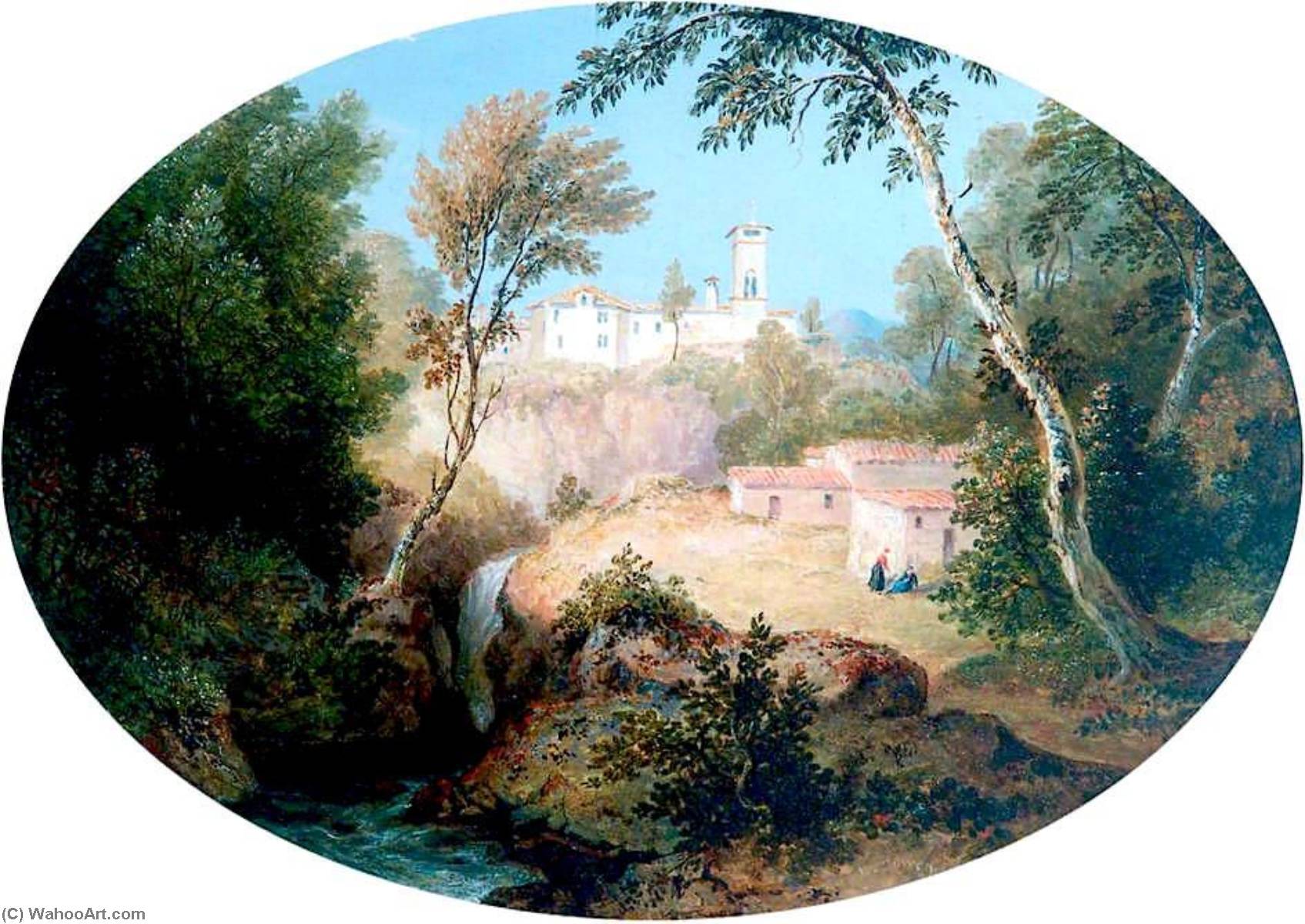
Italian Villa
 20.0 x 27.0 cm
 Zobrazit více
Koupě vysoce rozlišeného, vylepšeného digitálního obrazu, který je mnohem kvalitnější než online náhled.
Každý soubor je pečlivě připraven našimi odborníky pomocí pokročilých nástrojů a expertní manuální retuše. Zajišťujeme, aby každý obraz disponoval výjimečnou ostrostí, přesnou barevnou věrností a jemnými detaily.
Finální soubor vám bude do 72 hodin zaslán e-mailem, optimalizovaný pro okamžité použití v profesionálním, redakčním i tiskovém prostředí. Nabízíme stejnou kvalitu, které důvěřují špičková designová studia, nakladatelství i galerie.
Digitální obrazy
Stáhněte si soubor ve vysokém rozlišení pro osobní prohlížení, tisk a kreativní projekty. ( Koupit tisk Koupit ručně malovaný obraz)
Součást každé objednávky digitálního obrazu
Profesionální digitální doručení, zaručeno.
Když si vyberete OriginalUniqueArt.com, nezískáváte pouze obrázek – získáváte digitální umělecké dílo s profesionálně vylepšenými detaily, zpracované s precizností a podpořené zárukou za spokojenost. Zde je vše, co vaše objednávka automaticky obsahuje:

Rychlé doručení e-mailem
Váš digitální obraz ve vysokém rozlišení vám bude zaslán e-mailem do 72 hodin od objednávky – připraven k okamžitému použití.

Digitální soubor s využitím AI
Vaše umělecké dílo je profesionálně optimalizováno pomocí pokročilých nástrojů umělé inteligence a manuální úpravy, což zajišťuje maximální úroveň detailu, ostrosti a přesnosti barev.

Bezplatné doživotní znovuodeslání
Soubor jste omylem smazali nebo ztratili? Žádný problém – kdykoliv vám ho znovu zašleme zcela zdarma.

Bez poplatků za dovoz – navždy
Užijte si své umělecké dílo okamžitě bez celních poplatků, daní nebo nákladů na dopravu – digitální stažení je vždy bez daňových povinností.

Záruka přesnosti barev
Pomocí profesionálních nástrojů a správy barev zajišťujeme, aby váš digitální obraz odrážel původní barvy co nejvěrněji.

60denní záruka spokojenosti
Pokud nebudete s digitální fotografií spokojeni, provedeme její revizi nebo vám vrátíme 100% během 60 dnů – bez jakýchkoliv dotazů.

100% záruka vrácení peněz
Nespokojeni? Získejte plnou částku zpět do 60 dní od přijetí vašeho digitálního souboru – bez jakýchkoliv dotazů.

Slevy při hromadných objednávkách
Koupěte si 3 obrazy, ušetřete 10% - Koupěte si 5, ušetřete 15% - Koupěte si 10+, ušetřete 20%. Ideální pro kreativní projekty, galerie a agentury.
Biografie umělce
Theodore Gericault: A Revolutionary Voice of the Romantic Era
Théodore Géricault, born in Rouen, France, on September 26, 1791, and tragically dying at the young age of 32 in Paris on January 26, 1824, stands as a pivotal figure in the transition from Neoclassicism to Romanticism. More than just a painter, he was a radical innovator who challenged artistic conventions with his dramatic compositions, unflinching realism, and profound engagement with contemporary social issues. His life, marked by personal tragedy and intellectual fervor, profoundly shaped his art, resulting in works that continue to resonate with viewers today.
Géricault’s early years were steeped in the traditions of academic painting, yet he quickly demonstrated a rebellious spirit. Educated at the Lycée Louis-le-Grand, he initially studied under Carle Vernet, absorbing the techniques of depicting sporting scenes and historical events. However, it was his time with the more exacting instructor Pierre-Narcisse Guérin that instilled in him a rigorous understanding of classical anatomy and composition. Crucially, Géricault’s artistic development was profoundly influenced by his uncle, Jean-Baptiste Caruel, a wealthy merchant who fostered an environment rich in art and literature, exposing young Théodore to a diverse range of influences – from the works of Rubens and Titian to the philosophical ideas circulating within Parisian intellectual circles. This exposure would prove instrumental in shaping his artistic vision.
The Raft of the Medusa: A Monument to Human Suffering
Géricault’s most celebrated work, *The Raft of the Medusa* (1818-19), is a monumental testament to his artistic ambition and social conscience. The painting depicts the harrowing aftermath of the 1816 shipwreck of the French frigate *Medusa*, which ran aground off the coast of West Africa due to the incompetence of its captain, appointed through political patronage. The survivors, abandoned on a makeshift raft, endured thirteen days of unimaginable suffering – starvation, thirst, madness, and cannibalism – before being rescued. Géricault meticulously researched the event, interviewing survivors, studying corpses in hospitals, and even constructing a scale model of the raft to ensure anatomical accuracy and emotional impact.
Unlike traditional heroic narratives, *The Raft of the Medusa* presents a scene of abject despair and human vulnerability. The composition is deliberately chaotic, with figures writhing in agony, hope flickering amidst overwhelming hopelessness. Géricault’s use of dramatic lighting – a stormy sky casting an ominous glow over the scene – heightens the emotional intensity. The painting was initially met with controversy due to its unflinching depiction of suffering and its implicit critique of the French government's corruption. However, it quickly gained recognition as a groundbreaking work that captured the spirit of Romanticism—a movement characterized by intense emotion, individualism, and an interest in the darker aspects of human experience.
Influences and Artistic Style
Géricault’s artistic style was shaped by a complex interplay of influences. He drew inspiration from the Baroque masters, particularly Rubens, whose dynamic compositions and dramatic use of light he admired immensely. His visit to Italy in 1816 profoundly impacted his work, leading him to embrace a more expressive and emotionally charged approach. The influence of Michelangelo is also evident in his later works, particularly in *The Shipwreck of the Medusa*, which depicts the aftermath of another shipwreck caused by incompetence.
Beyond classical influences, Géricault was deeply affected by contemporary events and social injustices. He witnessed firsthand the suffering of the poor and marginalized, and he sought to portray their experiences with honesty and empathy. His paintings often featured scenes of political unrest, such as *The Invasion of the Crimea* (1819), which depicted the brutal realities of war. His commitment to realism extended beyond mere representation; he aimed to capture the psychological states of his subjects, conveying their emotions through gesture, expression, and body language.
Legacy and Historical Significance
Despite his tragically short life, Théodore Géricault left an indelible mark on the history of art. *The Raft of the Medusa* remains one of the most powerful and moving paintings ever created, a testament to human resilience in the face of unimaginable adversity. His innovative compositions, dramatic use of light and shadow, and unflinching portrayal of social injustice paved the way for future generations of Romantic artists, including Eugène Delacroix. Géricault’s willingness to challenge artistic conventions and engage with contemporary issues established him as a true revolutionary—a voice that continues to resonate with audiences today.
His work demonstrated a shift away from idealized representations towards a more honest and critical engagement with the world, solidifying his place as a key figure in the development of modern art.

william cowen
1791 - 1864 , United Kingdom
Stručné informace
- Artistic Movement Or Style: Romanticism
- Artists Or Movements Influenced By This Artist: ['Eugène Delacroix']
- Artists Who Influenced This Artist:
- Carle Vernet
- Rubens
- Guérin
- Date Of Birth: September 26, 1791
- Date Of Death: January 26, 1824
- Full Name: Théodore Géricault
- Nationality: French
- Notable Artworks:
- The Raft of the Medusa
- Charging Chasseur
- Place Of Birth: Rouen, France

