
 Náhled
 Sdílet
 Sdílet
 Podrobnosti o díle

 Stáhnout
 Podobné položky
 Rentgenové snímky
 Slideshow
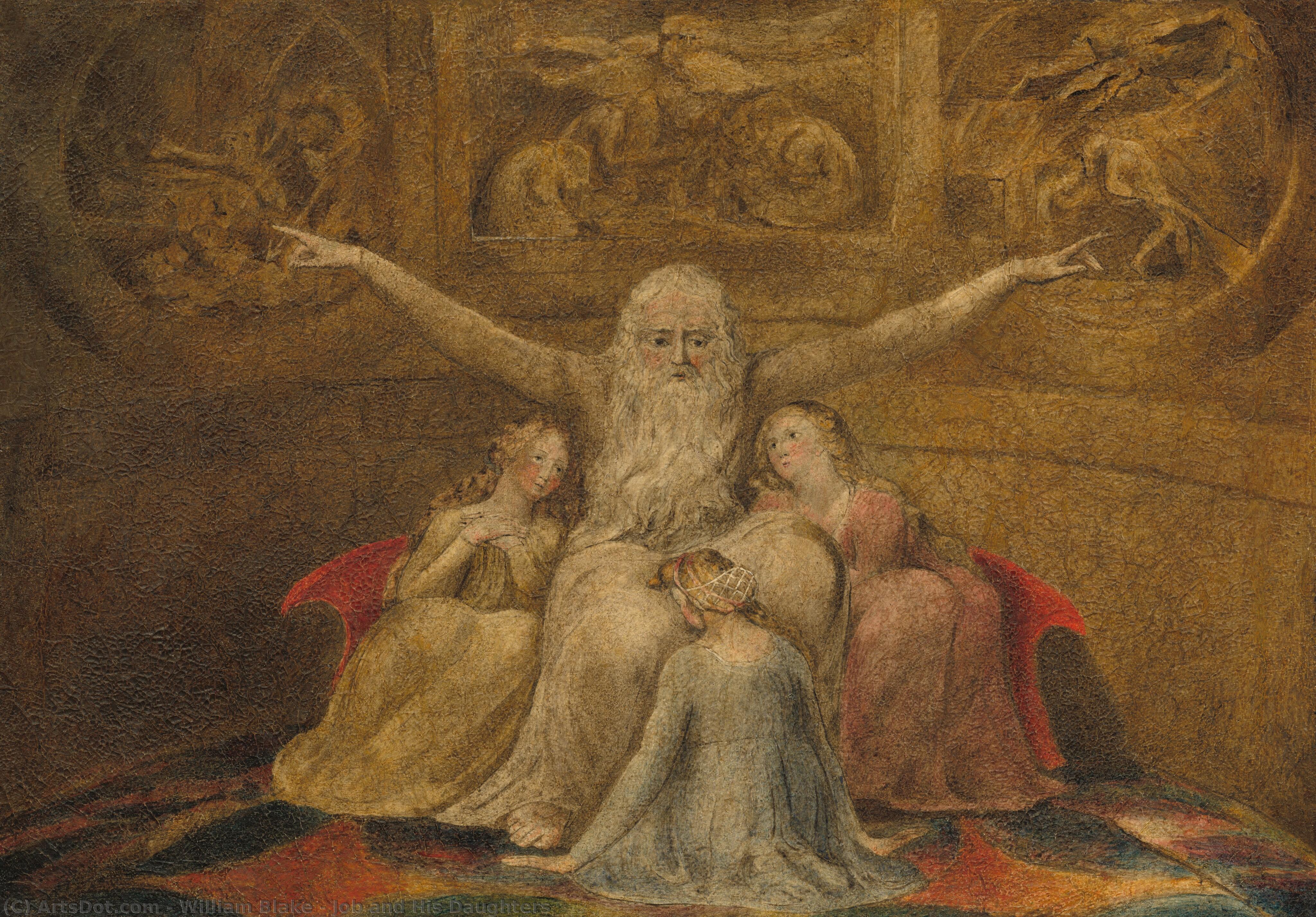
Job and His Daughters
 Acrylic
- WallArt
- Romanticism
 1800
1800 27.0 x 38.0 cm
 Zobrazit více
Koupě vysoce rozlišeného, vylepšeného digitálního obrazu, který je mnohem kvalitnější než online náhled.
Každý soubor je pečlivě připraven našimi odborníky pomocí pokročilých nástrojů a expertní manuální retuše. Zajišťujeme, aby každý obraz disponoval výjimečnou ostrostí, přesnou barevnou věrností a jemnými detaily.
Finální soubor vám bude do 72 hodin zaslán e-mailem, optimalizovaný pro okamžité použití v profesionálním, redakčním i tiskovém prostředí. Nabízíme stejnou kvalitu, které důvěřují špičková designová studia, nakladatelství i galerie.
Digitální obrazy
Stáhněte si soubor ve vysokém rozlišení pro osobní prohlížení, tisk a kreativní projekty. ( Koupit tisk Koupit ručně malovaný obraz)
Součást každé objednávky digitálního obrazu
Profesionální digitální doručení, zaručeno.
Když si vyberete OriginalUniqueArt.com, nezískáváte pouze obrázek – získáváte digitální umělecké dílo s profesionálně vylepšenými detaily, zpracované s precizností a podpořené zárukou za spokojenost. Zde je vše, co vaše objednávka automaticky obsahuje:

Rychlé doručení e-mailem
Váš digitální obraz ve vysokém rozlišení vám bude zaslán e-mailem do 72 hodin od objednávky – připraven k okamžitému použití.

Digitální soubor s využitím AI
Vaše umělecké dílo je profesionálně optimalizováno pomocí pokročilých nástrojů umělé inteligence a manuální úpravy, což zajišťuje maximální úroveň detailu, ostrosti a přesnosti barev.

Bezplatné doživotní znovuodeslání
Soubor jste omylem smazali nebo ztratili? Žádný problém – kdykoliv vám ho znovu zašleme zcela zdarma.

Bez poplatků za dovoz – navždy
Užijte si své umělecké dílo okamžitě bez celních poplatků, daní nebo nákladů na dopravu – digitální stažení je vždy bez daňových povinností.

Záruka přesnosti barev
Pomocí profesionálních nástrojů a správy barev zajišťujeme, aby váš digitální obraz odrážel původní barvy co nejvěrněji.

60denní záruka spokojenosti
Pokud nebudete s digitální fotografií spokojeni, provedeme její revizi nebo vám vrátíme 100% během 60 dnů – bez jakýchkoliv dotazů.

100% záruka vrácení peněz
Nespokojeni? Získejte plnou částku zpět do 60 dní od přijetí vašeho digitálního souboru – bez jakýchkoliv dotazů.

Slevy při hromadných objednávkách
Koupěte si 3 obrazy, ušetřete 10% - Koupěte si 5, ušetřete 15% - Koupěte si 10+, ušetřete 20%. Ideální pro kreativní projekty, galerie a agentury.
Popis sběratelského kusu
Job and His Daughters: A Symphony of Suffering and Divine Mercy
William Blake’s “Job and His Daughters,” completed in 1800, transcends mere depiction; it embodies a profound meditation on faith, resilience, and the enigmatic relationship between humanity and God. This tempera painting resides within Blake's broader exploration of biblical narratives infused with visionary mysticism—a stylistic hallmark that distinguishes him from his contemporaries.
Composition & Technique: The scene unfolds in a dimly lit interior dominated by a golden hue, meticulously crafted to evoke a sense of sacred space. Blake employs a distinctive technique characterized by densely packed dots for eyes and subtle pinks on the cheeks—a stylistic choice that imbues his figures with an ethereal luminescence. Job himself is positioned centrally, arms outstretched in a gesture mirroring the biblical figure’s plea for divine justice. The three daughters surrounding him convey a palpable reverence, their postures reflecting contemplation and acceptance of fate.
- Detailed Observation: Blake's meticulous attention to detail extends beyond mere representation; he captures the textures of fabric, the contours of faces, and the subtle nuances of expression.
- Color Palette: The dominant golden tone symbolizes divine illumination and righteousness, contrasted by darker hues that underscore the hardships endured by Job and his family.
- Layered Texture: Blake achieves remarkable depth through layering techniques—creating a palpable sense of materiality despite the painting's ethereal quality.
Historical Context & Biblical Allegory
Created during Blake’s formative years, “Job and His Daughters” reflects the intellectual fervor of the Romantic Age – a period marked by disillusionment with Enlightenment rationalism and an embrace of emotion and imagination. Blake draws heavily upon the Book of Job—a biblical tale recounting Job's agonizing suffering after God tests his faith through calamities—to explore themes of moral fortitude, divine justice, and the acceptance of unavoidable sorrow.
Symbolic Significance: The golden room serves as a conduit for spiritual contemplation, mirroring the heavenly realm described in scripture. Each figure embodies distinct facets of human experience – Job representing unwavering devotion amidst adversity; the daughters symbolizing compassion, resilience, and the enduring spirit of femininity—all illuminated by Blake’s visionary gaze.
Blake's Artistic Innovation & Legacy
"Job and His Daughters" stands as a testament to Blake’s revolutionary approach to printmaking and painting. Unlike his peers who favored realistic depictions, Blake prioritized conveying inner psychological states through symbolic imagery—a stylistic decision that cemented his reputation as one of the most original artists of his time.
- Illuminated Printing: Blake pioneered illuminated printing—a technique combining engraving and hand-coloring to create stunning visual narratives.
- Blake's Visionary Style: His distinctive style—characterized by bold lines, vibrant colors, and fantastical imagery—continues to inspire artists today.
- Influence on Romantic Art: Blake’s work profoundly impacted the Romantic movement, shaping its aesthetic sensibilities and thematic concerns.
A reproduction of “Job and His Daughters” captures not only the visual splendor of Blake's masterpiece but also the enduring power of his spiritual vision—a timeless reminder of humanity’s capacity for compassion and resilience in the face of suffering.
Biografie umělce
William Blake – Visionary Poet & Painter (1757–1827)
William Blake, born in London on November 28, 1757, was a figure perpetually out of step with his time, yet destined to become one of the most celebrated artists and poets of the Romantic Age. His life unfolded against the backdrop of a rapidly changing England—a world grappling with industrialization, political upheaval, and shifting spiritual beliefs. From humble beginnings as the son of a hosier, Blake’s early years were marked by an intensely vivid imagination and a propensity for visionary experiences that would profoundly shape his artistic trajectory. Though largely self-taught in formal academics, he received drawing instruction at a young age, quickly revealing a talent that hinted at the extraordinary path ahead. His apprenticeship with engraver James Basire proved pivotal, providing him not only with technical mastery but also an understanding of printmaking techniques he would later revolutionize. These early influences—the Gothic grandeur of Westminster Abbey, the classical forms of Raphael and Michelangelo—served as foundational elements in his developing aesthetic, though Blake was never one to remain bound by convention.Early Life & Artistic Training
Blake’s formative years instilled within him a deep fascination with mythology and folklore, alongside an acute sensitivity to visual beauty. Despite lacking formal artistic education, he possessed an innate ability to observe and interpret the world around him—skills honed through meticulous sketching and drawing exercises. His apprenticeship under James Basire, a respected engraver, provided invaluable experience in mastering printmaking techniques, particularly etching—a craft that would become central to his distinctive artistic style. This training exposed him to the established conventions of engraving but simultaneously fueled his desire to forge new paths toward creative expression. The architectural grandeur of Westminster Abbey and the idealized forms of Raphael’s frescoes served as enduring inspirations, shaping his aesthetic sensibilities and informing his artistic vision.Illuminated Printing: A Revolutionary Technique
Blake's artistic innovation wasn’t merely about subject matter; it resided fundamentally in *how* he created. Dissatisfied with conventional engraving methods—which he viewed as sterile and restrictive—he developed a unique process known as “illuminated printing.” This involved etching both text and illustrations onto copper plates, then painstakingly hand-coloring the resulting prints—a laborious but deeply personal approach that allowed for complete artistic control. This wasn’t simply illustration accompanying poetry; it was an integrated art form where image and verse were inextricably linked, each enhancing the meaning of the other. Blake's belief in the transformative power of imagination underpinned this revolutionary technique. He argued that “the Imagination is the Eye of God,” asserting that true creativity resided in perceiving realities beyond the confines of sensory experience—a conviction that would permeate his entire oeuvre. This method granted him unparalleled freedom to express his inner vision, resulting in prints imbued with vibrant color and symbolic depth unlike anything produced before.Major Works & Artistic Style
Blake’s artistic output encompassed a remarkable range of mediums—poetry, engravings, watercolors, mezzotints, and drawings—each reflecting his multifaceted intellectual and spiritual interests. His most celebrated works include *Songs of Innocence* (1789) and *Songs of Experience*, paired volumes that explore contrasting perspectives on human nature and morality; *The Marriage of Heaven & Hell* (1793), a provocative prose poem challenging conventional dogma; *Milton* (1804–?11), an ambitious retelling of Milton’s epic poem infused with Blake’s visionary symbolism; and *Jerusalem*, a sprawling prophetic poem envisioning a utopian future rooted in spiritual renewal. His engravings are characterized by a distinctive style—a rejection of linear perspective in favor of flattened planes and stylized figures—that conveys emotion and psychological intensity rather than realistic representation. Blake's use of color was equally innovative, employing bold hues to heighten the symbolic significance of his images and to evoke moods of wonder and terror. He frequently incorporated motifs from mythology and folklore, drawing inspiration from sources as diverse as Dante’s *Divine Comedy* and Hebrew scripture.Legacy & Influence
Despite facing considerable obscurity during his lifetime—characterized by poverty and rejection by mainstream artistic circles—William Blake's influence on subsequent generations of artists and writers has proven profound. His unwavering commitment to imaginative vision and symbolic expression resonated deeply with the Pre-Raphaelites, who embraced him as a kindred spirit and championed his distinctive aesthetic style. Furthermore, Blake’s ideas continue to inspire thinkers and artists today, particularly those concerned with exploring themes of spirituality, rebellion, and the relationship between art and consciousness. He stands as an enduring testament to the transformative potential of creativity—a visionary artist whose work compels us to confront uncomfortable truths and to embrace the boundless possibilities of human imagination. Blake’s legacy extends beyond his artistic achievements; it resides in his unwavering belief that art can serve as a catalyst for social change and spiritual enlightenment—a conviction that continues to inspire artists and intellectuals worldwide.
Vilém Blake
1757 - 1827 , Velká Británie
Stručné informace
- Artistic Movement Or Style: Romantismus
- Artists Who Influenced This Artist:
- Raphael
- Michelangelo
- Date Of Birth: 1757
- Full Name: William Blake
- Nationality: Británie
- Notable Artworks:
- Songs of Innocence & Exp.
- The Tyger
- Jerusalem
- Place Of Birth: Londýn, UK

