
 Náhled v interiéru
 Sdílet
 Sdílet
 Podrobnosti o díle
 Průvodce

 Stáhnout
 Podobné položky
 Rentgenové snímky
 Slideshow
 Q&A
Q&A Statistiky
Philosopher and Pupils

- 85.0 x 113.0 cm


 Zobrazit více
Giclée / Umělecký tisk
Giclée nebo plátěný tisk muzeální kvality s rychlou výrobou a širokou nabídkou povrchových úprav. ( Koupit ručně malovaný obraz Přepnout na digitální obraz)




































Vyberte si z našich přednastavených velikostí, které odpovídají původním proporcím díla.

Zadejte šířku a výšku, které potřebujete pro váš rám nebo stěnu. Tisk lze pouze oříznout, nikdy však nelze zvětšit obraz nad jeho původní rozměr, proto při výběru jiného formátu dochází ke ztrátě části obrazu. Před samotným tiskem vám zašleme digitální náhled k schválení. Obraz zobrazený na této stránce nenabízí skutečný výřez — ten uvidíte pouze v náhledu.
Celosvětové doručení () do 2 týdnů namísto standardních 4/5 týdnů. (1 listopad)

Zdarma celosvětová expresní doprava

Vysoce kvalitní lněné plátno

Kompletní pojištění přepravy

Záruka vrácení celního poplatku

Záruka věrného barevného souladu

100dení lhůta pro vrácení zboží (pouze při vadách výroby)

100% záruka vrácení peněz

Sleva při více objednávkách
 Skleněná varianta je dostupná pouze u rozměrů menších než 110 cm

Philosopher and Pupils
Giclée / Umělecký tisk
Rozměry reprodukce
-


Celková cena za vybrané možnosti reprodukcí
Kč 1738
Biografie umělce
The Master of Delft: The Life and Legacy of Willem van der Vliet
Willem van der Vliet was a painter whose brush captured the very essence of the Dutch Golden Age, an era defined by unparalleled cultural flourishing and artistic innovation. Born in the historic city of Delft around 1584, Van der Vliet lived and breathed the atmosphere of a Netherlands finding its voice on the global stage. His life, which concluded in his beloved birthplace in 1642, was deeply intertwined with the artistic traditions of his region. While history sometimes places him in the shadow of more famous contemporaries, his contributions to the genres of historical allegory and portraiture remain a testament to his technical mastery and his ability to weave complex narratives through paint. The foundations of Van der Vliet’s artistry were laid through a lineage of mentorship and familial connection. He served as a mentor to his nephew, Hendrick Cornelisz. van Vliet, an artist who would later become renowned for his architectural perspectives. This relationship suggests a workshop environment where the principles of spatial depth and structural accuracy were passed down with great care. Through this lineage, one can trace the influence of masters like Michiel Jansz van Mierevelt, whose expertise in portraiture likely informed the refined manner in which Willem approached the human face and the social standing of his subjects.A Symphony of Light and Perspective
To encounter a work by Van der Vliet is to experience a profound command over the illusion of space. He was a master of architectural perspective, utilizing linear techniques to construct environments that felt remarkably tangible. His ability to render buildings and landscapes with such precision allowed him to create more than just scenery; he built stages for moral and allegorical dramas. These compositions were never merely decorative; they were carefully staged scenes designed to transport the viewer into a world where grandeur and meaning coexisted. This sense of depth was further heightened by his sophisticated use of chiaroscuro. Van der Vliet possessed a rare ability to manipulate dramatic lighting, using sharp contrasts between light and shadow to carve figures out of the darkness. In his portraits, this technique served a dual purpose: it provided a structural weight to the subjects, giving them a palpable presence, and it highlighted the luxurious textures of the era—the soft sheen of leather, the crispness of a linen collar, or the heavy warmth of fur. This interplay of light and shadow did not just illuminate the canvas; it breathed life into the very fabric of his subjects' identities.The Soul of the Dutch Golden Age
Beyond the technical brilliance of his brushwork, Van der Vliet’s work serves as a vital historical window into the social fabric of seventeenth-century Delft. His portraits were potent instruments of status and self-assurance. When he painted a man seated in an ornate chair, draped in dark, expensive attire, he was recording much more than a likeness; he was documenting the mercantile success and the quiet authority of a rising class of Dutch citizens. Every fold of fabric and every carefully placed shadow spoke to the wealth and dignity of the era. The historical significance of Willem van der Vliet lies in his role as a bridge between the rigid traditions of the past and the expressive innovations of the Golden Age. His works, ranging from intimate portraits like Portrait of a Man to complex allegories, continue to captivate art historians by offering a glimpse into a period of immense transformation. Through his meticulous attention to detail and his mastery of light, Van der Vliet ensured that the spirit of Delft would endure, leaving behind a legacy of evocative beauty that remains as striking today as it was in the seventeenth century.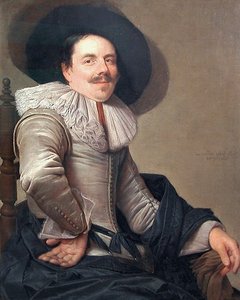
Willem van der Vliet
1584 - 1642 , Netherlands
Rychlé informace o umělci
- Full Name: Willem van der Vliet
- Nationality: Dutch
- Date Of Birth: 1584
- Date Of Death: 1642
- Place Of Birth: Delft, Netherlands
- Notable Artworks:
- Portrait of a Man
- An Allegory
- Portrait of an Unknown Boy
- Artistic Movement Or Style: Golden Age Art
- Artists Who Influenced This Artist: ['Michiel van Mierevelt']
- Artists Or Movements Influenced By This Artist: ['Hugo van der Goes']