Menu
Text size

() ·

A painting made for you, by hand

Painting

Ručně malovaná olejová reprodukce

Rukou malované olejné plátno v libovolném rozměru i s rámem, vyrobené našimi umělci na zakázku. ( Přepnout na tisk Přepnout na digitální obraz)

Popis sbírného předmětu

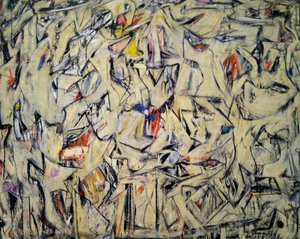
Experience Willem de Kooning's dynamic 'Painting' (1948). This abstract expressionist masterpiece explodes with interwoven shapes, bold lines, and a stark black-and-white palette – a pivotal work showcasing his innovative style.

Biografie umělce

Willem de Kooning (1904-1997): klíčový představitel abstrakce & expresionismu. Jeho dynamické obrazy, včetně slavné série 'Žena I', jsou známé silnými barvami a emocionální intenzitou.

from ·

Chapter 1

How large should it be?

Slide to change the size; the picture on the left shows the frame at its real width. The proportions of the original are kept.

Standardní velikost
na zakázku
CM
INCH

Vyberte si z našich přednastavených velikostí, které odpovídají původním proporcím díla.

šířka
výška

Zadejte šířku a výšku, které potřebujete pro váš rám nebo stěnu. Protože se jedná o ruční malbu, při výběru jiného formátu může umělec kolem obrazu domalovat o něco více, nebo jej mírně oříznout — rozhodnete si vy. Před zahájením malby vám zašleme digitální náhled ke schválení. Obraz zobrazený na této stránce neodpovídá skutečnému výsledku — pouze digitální náhled jej zobrazuje.

Chapter 2

How should it arrive?

Choose the edges of the stretched canvas

Choose your frame

Corner sample of the WhiteWrap canvas edge finish, stretched on masivní dřevo bars
White Kč1
Corner sample of the BlurSideWrap canvas edge finish, stretched on masivní dřevo bars
Blurside Kč1
Corner sample of the ExtendedWrap canvas edge finish, stretched on masivní dřevo bars
Extended Kč1
Corner sample of the P118B picture frame: tvarovaný polystyren, 5 cm wide and 3 cm thick
P118B Kč10
Corner sample of the P118H picture frame: tvarovaný polystyren, 5 cm wide and 3 cm thick
P118H Kč10
Corner sample of the P118W picture frame: tvarovaný polystyren, 5 cm wide and 3 cm thick
P118W Kč10
Corner sample of the P438Z picture frame: tvarovaný polystyren, 5.5 cm wide and 3.5 cm thick
P438Z Kč10
Corner sample of the P508JH picture frame: tvarovaný polystyren, 7 cm wide and 3.5 cm thick
P508JH Kč12
Corner sample of the P508YH picture frame: tvarovaný polystyren, 7 cm wide and 3.5 cm thick
P508YH Kč12
Corner sample of the P805H picture frame: tvarovaný polystyren, 5 cm wide and 3.5 cm thick
P805H Kč10
Corner sample of the P805Z picture frame: tvarovaný polystyren, 5 cm wide and 3.5 cm thick
P805Z Kč10
Corner sample of the P919BZ picture frame: tvarovaný polystyren, 7 cm wide and 3.5 cm thick
P919BZ Kč10
Corner sample of the P919G picture frame: tvarovaný polystyren, 7 cm wide and 3.5 cm thick
P919G Kč10
Corner sample of the P919XJ picture frame: tvarovaný polystyren, 7 cm wide and 3.5 cm thick
P919XJ Kč10
Corner sample of the P959ZH picture frame: tvarovaný polystyren, 5 cm wide and 3 cm thick
P959ZH Kč10
Corner sample of the P968JZ picture frame: tvarovaný polystyren, 6 cm wide and 4 cm thick
P968JZ Kč12
Corner sample of the W106C picture frame: masivní dřevo, 5 cm wide and 3 cm thick
W106C Kč8
Corner sample of the W218G picture frame: masivní dřevo, 5 cm wide and 3 cm thick
W218G Kč10
Corner sample of the W218JH picture frame: masivní dřevo, 5 cm wide and 3 cm thick
W218JH Kč8
Corner sample of the W218Y picture frame: masivní dřevo, 5 cm wide and 3 cm thick
W218Y Kč10
Corner sample of the W307PJ picture frame: masivní dřevo, 6 cm wide and 3 cm thick
W307PJ Kč10
Corner sample of the W316G picture frame: masivní dřevo, 6 cm wide and 3 cm thick
W316G Kč10
Corner sample of the W316PJ picture frame: masivní dřevo, 6 cm wide and 3 cm thick
W316PJ Kč8
Corner sample of the W316Y picture frame: masivní dřevo, 6 cm wide and 3 cm thick
W316Y Kč10
Corner sample of the W398PJ picture frame: masivní dřevo, 5 cm wide and 3 cm thick
W398PJ Kč8
Corner sample of the W4111J picture frame: masivní dřevo, 6.5 cm wide and 3.5 cm thick
W4111J Kč10
Corner sample of the W500HY picture frame: masivní dřevo, 7 cm wide and 5 cm thick
W500HY Kč15
Corner sample of the W500JH picture frame: masivní dřevo, 7 cm wide and 5 cm thick
W500JH Kč15
Corner sample of the W692G picture frame: masivní dřevo, 8 cm wide and 4 cm thick
W692G Kč12
Corner sample of the W849H picture frame: masivní dřevo, 5 cm wide and 3 cm thick
W849H Kč8
Corner sample of the W940BG picture frame: masivní dřevo, 7.5 cm wide and 4.5 cm thick
W940BG Kč15
Corner sample of the W953PJ picture frame: masivní dřevo, 6 cm wide and 3.5 cm thick
W953PJ Kč8
Corner sample of the H24-GOLD picture frame: řezané dřevo s gessu, 10 cm wide and 6 cm thick
H24-GOLD Kč30
Corner sample of the H24-SILVER picture frame: řezané dřevo s gessu, 10 cm wide and 6 cm thick
H24-SILVER Kč30
Corner sample of the H36-GOLD picture frame: řezané dřevo s gessu, 15 cm wide and 6.5 cm thick
H36-GOLD Kč45
Corner sample of the H36-SILVER picture frame: řezané dřevo s gessu, 15 cm wide and 6.5 cm thick
H36-SILVER Kč45

Moulding: . Overall size with the frame: .

Chapter 3

Who paints it, and should anything change?

Examples of what can be changed: Replace face with customer photo; Add pet (e.g., replace cat with dog); Include hidden message in background; Change background landscape or elements.
After order, OriginalUniqueArt.com team will email client for instructions and provide a mockup preview

Celosvětová doprava () za 3–4 týdny namísto standardních 5 týdnů. (30 říjen). Bez kompromisů v kvalitě.

Chapter 4

The finishing touches

A nameplate, as in a museum?

Detaily ryté bronzové plakety

This elegant plaque features the artist's name and the title of the artwork, finely engraved for a timeless presentation.

It is made from bronze with a refined, elegant finish. The text is precisely laser-engraved for a sharp and permanent result. Measuring 9x2 cm, the plaque is compact yet easy to read. It's built to be durable and scratch-resistant, offering a professional, museum-quality look. Mounting is simple thanks to the included adhesive backing.

Detaily průhledné akrylové desky

The plaque includes essential engraved details such as the artist's name, the title of the artwork, the date it was created, the type of media used-like oil on canvas or watercolor-a brief description of the piece, and a QR code that links to the complete artwork information.

It is crafted from clear acrylic, offering a sleek, modern appearance. The text is UV-engraved in black to ensure strong visual contrast. With a size of 10x15 cm, it ensures optimal readability. It comes equipped with two metal hooks for secure wall mounting. The plaque is designed to be weather-resistant, making it suitable for various environments, and it includes interactive features that work seamlessly with smartphone scanning.

Detaily černé akrylové destičky

This elegant plaque includes engraved information such as the artist's name, the title of the artwork, the date it was created, the type of media used (like oil on canvas or watercolor), a short description of the artwork, and a QR code for quick access to more information.

The plaque itself is made from refined black acrylic with a premium finish. The text is laser-engraved in white for high contrast and readability. Its size is 10x15 cm, designed to be easy to read. It comes with two metal hooks for professional mounting. The design is sleek and fits any interior style. It is also weather-resistant and durable, with built-in digital integration for mobile compatibility.

A protective varnish?

When do you need it?

Chapter 5

Your painting, as you ordered it

Painting

Technika reprodukce

Rozměry reprodukce

-

Vybraní mistři umění

Vyšší míra detailu, jemnosti a delší doba výroby

-

Možnosti rámování reprodukcí

-

-

U děl nebo reprodukcí, u nichž je jakákoliv strana větší než 105 cm (přibližně 41 palců), bude rám dodán jako sestava v rozloženém stavu. Tato metoda zajišťuje bezpečné doručení a chrání dílo před poškozením během přepravy.

Vyžaduje se odborná montáž – nejedná se o produkt pro svépomocnou realizaci (DIY).
Sestava musí být složena a plátno napnuto zkušeným profesionálním rámovačem s použitím dřevěného lepidla (není součástí balení), kleští na napínání plátna a svorek pro udržení pravých úhlů křížů během schnutí lepidla. Nesprávná montáž nebo nerovnoměrné napnutí plátna může způsobit trvalé poškození uměleckého díla, které není kryto naší zárukou.

  • Jsou zahrnuty všechny lišty z masivního dřeva, přesně na míru nařezané.

  • Sestavuje se pomocí součástí balení (šroubů), plus dřevěného lepidla na rohové spoje, které není součástí balení a musí jej zajistit váš rámovač.

  • Vyžaduje se profesionální nářadí, které není součástí sady: kleště na napínání plátna a svorky pro udržení kolmosti příček během schnutí lepidla.

Důležité:
Spoje v rozích vyžadují lepidlo na dřevo, tyčinky musí být přichyceny pomocí svorek, dokud lepidlo zcela neuschne, a pro napnutí plátna na sestavený rám je zapotřebí kleští na natahování plátna. Žádný z těchto náčiní není součástí sady. Před objednáním této velikosti prosím zajistěte zkušeného profesionálního rámovače.

Popisek díla

-

-

Ochranný lak

Lesklý lak (zvýrazňuje barvy, chrání před světlem a vlhkostí)

-

Přizpůsobit své umělecké dílo

Příklady možných úprav: nahrazení obličeje fotografií zákazníka; přidání domácího mazlíčka (např. výměna kočky za psa); vložení skrytého vzkazu do pozadí; změna krajiny nebo prvků v pozadí.

-

Prioritní doručení

Celosvětové doručení () za 3–4 týdny namísto standardních 5 týdnů. (30 říjen). Bez kompromisů v kvalitě.

-

Expresní doručení

Celosvětová doprava () do 5 týdnů. (6 listopad).

V ceně

Celková cena za vybrané možnosti reprodukcí

Kč 6516

Celková cena Kč 6516

Skleněná varianta je dostupná pouze u rozměrů menších než 110 cm

Included with every order

  • Zdarma celosvětová expresní doprava
  • Vysoce kvalitní lněné plátno
  • Kompletní pojištění přepravy
  • Záruka vrácení celního poplatku
  • Záruka věrného barevného souladu
  • 100dení lhůta pro vrácení zboží (pouze při vadách výroby)
  • 100% záruka vrácení peněz
  • Sleva při více objednávkách

A Dance of Chaos and Control: Willem de Kooning’s “Painting” (1948)

Willem de Kooning's "Painting," completed in 1948, isn’t merely a canvas adorned with black and white; it’s an embodiment of the turbulent energy that defined Abstract Expressionism at its nascent stage. This monumental work, measuring over four by five feet, immediately commands attention not through representational imagery – there is none to be found – but through a visceral engagement with line, form, and texture. De Kooning, a pivotal figure in American art’s post-war transformation, wasn't interested in replicating the world; he sought to distill its essence, its anxieties, and its raw vitality onto the surface of the canvas.

The painting’s genesis lies within de Kooning’s exploration of the human form, a subject he had wrestled with for decades. However, by 1948, this engagement shifted dramatically. Rather than meticulously rendering figures, he began transferring fragmented sketches – hints of limbs, torsos, and even suggestive anatomical details – onto the canvas as a starting point. These ghostly outlines then became the foundation for a dynamic process of layering, scraping, and reworking. The result is a complex interplay between control and chaos, a deliberate tension that mirrors the artist’s own internal state during this period.

The Language of Line and Gesture

De Kooning's technique in "Painting" is nothing short of revolutionary. He eschewed traditional brushwork, favoring instead a rapid, almost frantic application of paint – primarily enamel sign paint, a readily available industrial product – using his fingers, palette knives, and even rags to manipulate the medium. The lines aren’t clean or precise; they are jagged, broken, and often overlapping, creating a sense of movement and instability. Thick impasto areas contrast sharply with thinner washes, adding depth and texture to the composition. The painting is not built up gradually but rather through a series of impulsive gestures, as if the artist were wrestling with the image itself.

Notice how the black forms, delineated by stark white lines, seem to both define and dissolve into one another. These shapes aren’t static; they vibrate with an internal energy, suggesting a constant state of flux. The use of negative space is equally crucial – the areas *between* the forms are just as important as the forms themselves, contributing to the painting's overall sense of dynamism.

Symbolism and Emotional Resonance

While de Kooning vehemently resisted assigning definitive meaning to his work, "Painting" undeniably evokes a powerful emotional response. The fragmented figures, reminiscent of both human anatomy and abstract shapes, can be interpreted as representing the anxieties and uncertainties of post-war America. The painting’s chaotic composition mirrors the social and political upheaval of the time, while its stark black and white palette suggests a sense of isolation and alienation.

Some viewers have identified hints of female forms within the abstract shapes – breasts, limbs, even suggestive buttocks – reflecting de Kooning's ongoing exploration of the feminine. However, these figures are never fully realized; they remain elusive and ambiguous, adding to the painting’s unsettling power. The overall effect is one of intense emotionality, a raw expression of the artist’s inner turmoil.

A Legacy of Abstraction

"Painting" stands as a pivotal work in de Kooning's oeuvre and a cornerstone of Abstract Expressionism. Its innovative technique, its exploration of form and gesture, and its profound emotional resonance continue to captivate viewers today. The painting’s influence can be seen in the works of countless artists who followed in de Kooning’s footsteps, solidifying his place as one of the most important figures in 20th-century art. Reproductions of this dynamic masterpiece offer a glimpse into the mind of a visionary artist grappling with the complexities of modern life.

Otázky a odpovědi

Jakou techniku bylo použito pro dílo „Painting“ od Willem de Kooning?

Willem de Kooning pro dílo „Painting“ použil/a techniku Acrylic On Canvas. Tato technika definuje materiální podstatu originálního díla.

Do které éry tvorby Willem de Kooning spadá dílo "Painting"?

Dílo „Painting“ pochází z období Mature Period v tvorbě umělce Willem de Kooning. Tato klasifikace dílo zasazuje do kontextu vývoje jeho tvůrčí dráhy.

V jaké orientaci je dílo „Painting“ od Willem de Kooning?

Dílo „Painting“ od Willem de Kooning má formát Landscape. Tento formát určuje poměry kompozice.

More about this painting

Náhled v interiéru Náhled v AR Přepnout na tisk Přepnout na digitální obraz Sdílet
Podrobnosti o díle Průvodce Přidat do oblíbených Stáhnout Podobné položky Rentgenové snímky Slideshow Q&A Statistiky

In numbers

  • 1948the year it was painted
  • 29frames to choose from
  • standard sizes, in its own proportions
  • 5weeks to paint and deliver it

About the original

Willem de Kooning

Willem de Kooning

1904 - 1997, Nizozemsko

Quick facts about Willem de Kooning

  • Artistic Movement Or Style: Abstraktní expresionismus
  • Artists Or Movements Influenced By This Artist: ['New York School']
  • Artists Who Influenced This Artist:
    • Arshile Gorky
    • Stuart Davis
    • John Graham
  • Date Of Birth: 24. dubna 1904
  • Date Of Death: 19. března 1997
  • Full Name: Willem de Kooning
  • Nationality: Nizozemec-Američan
  • Notable Artworks:
    • Žena I
    • Přístup do řeky
    • Saturday Night
  • Place Of Birth: Rotterdam, Nizozemsko

Biografie umělce

A Life Forged in Abstraction

Willem de Kooning, jméno synonymum pro syrovou energii a hluboké emocionální vyjádření abstrakce, se narodil v Rotterdame, Nizozemsko, v roce 1904. Jeho rané dětství bylo poznamenáno rodinným rozpadem – jeho rodiče se rozešli, když mu bylo pouhých pět let – což možná zakořenilo v něm pocit neustálého hledání, který by pronikal celou jeho uměleckou cestou. V patnácti letech ukončil formální školení a učnil se u obchodní umělecké firmy, čímž položil základy pro svou technickou zručnost, ale zároveň podněcoval touhu po překročení konvencí. Večerní kurzy na Academie van Beeldende Kunsten en Technische Wetenschappen v Rotterdame poskytly další základní školení, ale touha po něčem víc – po odvážnější, expresivnější řeči – ho nakonec vedla do Ameriky v roce 1926. Jeho příjezd nebyl jednoduchý; slavně se ukrýval na palubě lodi, čímž ztělesňoval ducha outsidera hledajícího nové obzory. New York City se stal jeho adoptovaným domovem a jeho pulzující, často drsná energie hluboce ovlivnila jeho vyvíjející se styl. Navštěvoval různé práce – malíř bytů, kovář – všechny při neustálém úsilí o prosazení své umělecké vize, absorboval město do své tvorby.

Od Městských Scén k Abstrakční Fury

De Kooningovy rané obrazy odrážely jeho přímé okolí: městské krajinky a portréty, které zachycovaly dynamiku New Yorku. Nicméně, tyto byly jen milníky směrem k hlubšímu prozkoumání tvarů a emocí. Klíčový okamžik představuje jeho spojení s Arshilem Gorkym, jehož vliv byl transformační. Gorky povzbuzoval de Kooninga k experimentování s abstrakcí, podporoval ochotu rozkládat tradiční reprezentaci ve prospěch něčeho hlubšího. 30. léta byla pro de Kooninga obdobím sociálního realismu a nástěnných maleb prostřednictvím WPA (Works Progress Administration), období, které zvládlo zlepšit jeho dovednosti, ale zároveň zdůraznilo omezení čistě reprezentativního umění. Hledal inspiraci u Stuarta Davise a Johna Gramama, umělců, kteří se snažili překročit hranice v jejich vlastní tvorbě. Tento proud vlivů postupně vedl k odklonu od doslovného zobrazení a směrem k stále více abstraktní slovníku. Nebyla to náhlá změna, ale pomalu probíhající proces – pečlivé rozebírání zavedených norem poháněné intelektuální zvědavostí a neochvějným úsilím o uměleckou pravdu.

Žena I: Ikona Abstraktního Expresionismu

Po druhé světové válce se de Kooning stal klíčovou postavou rozvíjejícího se hnutí abstraktního expresionismu. Tato éra znamenala obrat, který culminoval v jeho ikonickém cyklu "Žena" (1950-1953). Tyto obrazy – včetně monumentální *Ženy I* – nejsou jen zobrazení ženských postav; jsou to syrové prozkoumávání femininity, sexuality a složitostí lidských emocí. Charakterizované agresivními štětcovými tahy, fragmentovanými tvary a rozporuplnou kombinací barev, cyklus "Žena" podněcoval tradiční vnímání krásy a reprezentace. Byly kontroverzní, dokonce šokující pro některé, ale jejich síla spočívala právě v odmítání konformity. De Kooning nebyl zainteresován na vytváření idealizovaných obrazů; hledal zachycení syrové, nedotčené podstaty svých subjektů. Kromě cyklu "Žena" díla jako *The Glazier* a *Excavation* dále demonstrovala jeho dynamický přístup k malbě, ukazující mistrné ovládání textury, barvy a kompozice. Nevzdával se chaosu ani nejistoty; spíše je přijímal jako nedílnou součást svého uměleckého jazyka.

Evoluce krajin a trvalá dedikace

V 60. letech prošla De Kooningova tvorba dalším významným vývojem. Zatímco abstrakce zůstala centrální součástí jeho díla, krajinné prvky začaly hrát důležitější roli, často zobrazené s jasnější paletou a volnějším, plynulejším štětcovým tahem. Pokračoval v neustálém experimentování po celý svůj život, prozkoumával různé techniky a materiály, nikdy nespokojený s tím, že by se usadil na svých úspěších. Pozdější díla demonstrují pozoruhodnou schopnost přetvářet sám sebe při zachování věrnosti svému základnímu uměleckému principu. Willem de Kooningův historický význam je nepopiratelný. Pomohl ustanovit New York City jako globální centrum pro umění, zpochybnil dominanci evropských tradic a vybojoval cestu pro budoucí generace umělců. Jeho dílo pokračuje inspirovat úžas a vyvolávat debaty, připomíná nám sílu abstrakce k vyjádření hlubokých emocionálních pravd. De Kooning zemřel v roce 1997 a zanechal za sebou rozsáhlé a vlivné dílo, které slouží jako svědectví jeho neochvějného závazku k umělecké inovacii a jeho trvalého dědictví jako jednoho z nejvýznamnějších amerických umělců 20. století.

Rychlé informace

  • Artistic style: Abstract, gestural
  • Subject or theme: Non-representational
  • Title: Painting
  • Influences:
    • Kline
    • De Kooning
  • Notable elements: Dynamic shapes, lines
  • Artist: Willem de Kooning

Artový kvíz

U každé otázky je pouze jedna správná odpověď.

Otázka 1:
What is the primary style of Willem de Kooning’s ‘Painting’?
Otázka 2:
The image description highlights which of the following about the painting's composition?
Otázka 3:
What color palette does the image description emphasize?
Otázka 4:
According to the description, what materials did de Kooning primarily use in creating ‘Painting’?
Otázka 5:
What does the description suggest about de Kooning’s approach to abstraction?