
 Náhled v interiéru
 Sdílet
 Sdílet
 Podrobnosti o díle
 Průvodce

 Stáhnout
 Podobné položky
 Rentgenové snímky
 Slideshow
 Otázky a odpovědi
 Statistiky
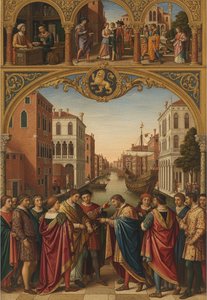
Disputation of St Stephen

- 147.0 x 172.0 cm


 Zobrazit více
Giclée / Umělecký tisk
Giclée nebo plátěný tisk muzeální kvality s rychlou výrobou a širokou nabídkou povrchových úprav. ( Koupit ručně malovaný obraz Přepnout na digitální obraz)




P118B Kč10

P118H Kč10

P118W Kč10

P438Z Kč10

P508JH Kč12

P508YH Kč12

P805H Kč10

P805Z Kč10

P919BZ Kč10

P919G Kč10

P919XJ Kč10

P959ZH Kč10

P968JZ Kč12

W106C Kč8

W218G Kč10

W218JH Kč8

W218Y Kč10

W307PJ Kč10

W316G Kč10

W316PJ Kč8

W316Y Kč10

W398PJ Kč8

W4111J Kč10

W500HY Kč15

W500JH Kč15

W692G Kč12

W849H Kč8

W940BG Kč15

W953PJ Kč8




Vyberte si z našich přednastavených velikostí, které odpovídají původním proporcím díla.

Zadejte šířku a výšku, které potřebujete pro váš rám nebo stěnu. Tisk lze pouze oříznout, nikdy však nelze zvětšit obraz nad jeho původní rozměr, proto při výběru jiného formátu dochází ke ztrátě části obrazu. Před samotným tiskem vám zašleme digitální náhled k schválení. Obraz zobrazený na této stránce nenabízí skutečný výřez — ten uvidíte pouze v náhledu.
Celosvětové doručení () do 2 týdnů namísto standardních 4/5 týdnů. (6 listopad)

Zdarma celosvětová expresní doprava

Vysoce kvalitní lněné plátno

Kompletní pojištění přepravy

Záruka vrácení celního poplatku

Záruka věrného barevného souladu

100dení lhůta pro vrácení zboží (pouze při vadách výroby)

100% záruka vrácení peněz

Sleva při více objednávkách
 Skleněná varianta je dostupná pouze u rozměrů menších než 110 cm

Disputation of St Stephen
Giclée / Umělecký tisk
Rozměry reprodukce
-


Celková cena za vybrané možnosti reprodukcí
Kč 1765
The Disputation of St Stephen: A Venetian Echo of Faith and Conflict
Vittore Carpaccio’s “Disputation of St Stephen,” painted in 1514, isn't merely a depiction of a biblical event; it’s a meticulously crafted tableau brimming with the anxieties and aspirations of Renaissance Venice. This monumental work, now residing within the Pinacoteca di Brera in Milan, offers a rare glimpse into the complex interplay between religious fervor, civic duty, and burgeoning humanist thought. The scene unfolds within a remarkably detailed courtyard – a space that feels both familiar Venetian and subtly otherworldly, hinting at the drama about to unfold. Carpaccio masterfully captures the palpable tension: the expectant faces of the assembled crowd, the solemnity radiating from St Stephen himself, and the simmering anger in the eyes of those poised to deliver judgment. The painting’s power lies not just in its narrative clarity but also in its ability to evoke a profound sense of human vulnerability and the inescapable consequences of transgression.
A Venetian Master at Work: Style and Technique
Carpaccio, a pivotal figure in Venetian art, forged his distinctive style by drawing inspiration from both the early Italian Renaissance masters – particularly Antonello da Messina – and the more restrained aesthetic of Early Netherlandish painting. This synthesis results in an image that is simultaneously vibrant and controlled. The color palette is rich and luminous, dominated by deep reds, blues, and golds, reflecting the opulent atmosphere of Venice at the time. Carpaccio’s meticulous attention to detail is immediately apparent; every fold of clothing, every expression on a face, every stone in the courtyard has been rendered with painstaking precision. He employs a technique known as “disputation,” a common approach in Venetian painting during this period, which involves presenting a complex narrative through a series of interconnected scenes. Here, he utilizes a shallow perspective and carefully arranged figures to draw the viewer into the heart of the drama, creating an immersive experience that mirrors the immediacy of the event itself.
Symbolism and Context: Jerusalem’s Shadow in Venice
The “Disputation of St Stephen” is deeply rooted in the biblical account of the saint's brutal murder by a mob in Jerusalem. However, Carpaccio imbues this familiar story with layers of symbolic meaning. The setting itself – a courtyard reminiscent of Jerusalem’s streets – subtly evokes the historical context and the weight of religious tradition. The diverse crowd, representing various ethnicities and social classes, underscores the universality of sin and judgment. Notice the subtle gestures: the hand raised in accusation, the averted gaze, the mournful expression on St Stephen's face. These details invite contemplation about the nature of faith, justice, and the human condition. The presence of a bird perched near the right side of the painting adds an element of foreboding, perhaps hinting at the inevitable outcome of violence and injustice. Interestingly, scholars have suggested that Carpaccio may have drawn inspiration from depictions of the “Bern Disputation,” a pivotal theological debate in Bern, Switzerland, which mirrored the tensions between faith and reason prevalent throughout Europe during this era.
Emotional Resonance: A Meditation on Mortality and Faith
Beyond its historical and artistic significance, "Disputation of St Stephen" resonates deeply with viewers due to its profound emotional impact. The painting doesn’t simply depict a violent act; it explores the complex emotions associated with it – grief, anger, fear, and ultimately, acceptance. St Stephen's serene countenance in the face of death speaks volumes about his unwavering faith. The collective reaction of the crowd reveals their struggle to reconcile their own beliefs with the brutal reality of injustice. Carpaccio’s masterful use of light and shadow further enhances the painting’s emotional intensity, creating a sense of drama and immediacy that draws the viewer into the scene. It is a work that invites reflection on themes of mortality, faith, and the enduring struggle between good and evil – timeless subjects that continue to captivate audiences centuries after its creation.
Otázky a odpovědi
Kde mohu najít umělecká díla podobná dílu „Disputation of St Stephen“ od Vittore Carpaccio?
Podobná díla k "Disputation of St Stephen" naleznete na stránce Podobná díla tohoto díla.
Je „Disputation of St Stephen“ od Vittore Carpaccio obrazem, kresbou nebo grafikou?
„Disputation of St Stephen“ je dílo typu WallArt.
Jakou velikost tisku pro "Disputation of St Stephen" bych si měl(a) zvolit pro svou místnost?
Doporučená kombinace pro dílo „Disputation of St Stephen“ od Vittore Carpaccio: tisk o velikosti Large do místnosti typu Living Room.
Biografie umělce
Early Life and Training
Vittore Carpaccio, a prominent Italian painter of the Venetian school, was born in Venice around 1465. He descended from a family of fishermen and boat builders, establishing his roots on Mazzorbo, near Benátky. Dokumenty vystopovaly jeho rodinu až do 13. století a její členové byli rozptýleni po celém Benátsku. Svá hlavní díla, která ho řadí mezi rané mistry benátské renesance, vytvořil mezi roky 1490 až 1519. První zmínka o něm pochází z roku 1472. Jde o vůli jeho strýce Fra Ilaria. Po vstupu do humanistických kruhů v Benátkách změnil své příjmení na Carpaccio. Byl žákem Lazzara Bastianiho, jenž stejně jako Giovanni Bellini a Antonio Vivarini byl vedoucím velké umělecké dílny v Benátkách. Jeho vzdělání začalo pod vedením Gentile Belliniho, který ho naučil základům perspektivy a koloritu – umění, které ovlivnilo jeho pozdější tvorbu. Tento výcvik položil základy Carpacciovy budoucí úspěšnosti.Artistic Style and Influences
Carpaccio’s style was characterized by its conservative nature, showing minimal influence from the humanist trends that transformed Italian renaissance painting during his lifetime. Jeho práce byly ovlivněny především stylem Antonella da Messiny a raným nizozemským uměním. Tento unikátní kombinace stylů vedla k vytvoření zvláštního přístupu k benátské malbě, který se odlišoval od ostatních jeho současníků. Jeho dílo vykazovalo důraz na detailní reprodukci skutečnosti a zároveň udržovalo estetické hodnoty středověkých škol. Carpaccio nepoužíval nové techniky nebo inovativní koncepty jako například perspektivu nebo chiaroscuro, což bylo typické pro období pozdního renesance. Jeho obrazová řeč byla bohatá na symboliku a alegorie, což odráželo estetiku humanistického vzdělání jeho doby.Notable Works
Carpaccio vytvořil několik významných obrazů, které jsou dnes vystavovány v největších evropských muzeích. Nejznámější dílo je cyklus devíti obrazů *Legenda o svaté Uršule*, který vytvořil pro Scuola di Sant’Orsula. Tento monumentální projekt vypráví příběh životě a smrti svaté Uršuly, což byl jeden z největších náboženských ikon jeho doby. Jeho práce byly vystavovány v rámci školních oslav a sloužily jako zdroj inspirace pro další umělce. Další významné dílo Carpaccia je *Gloria Sancti Ursulae*, který zobrazuje oslavu svaté Uršuly a byla vytvořena pro Scuola di Sant’Orsula. Tento obraz byl vyobrazen v prostorách Scuola di Sant’Orsula a sloužil jako dekorace při náboženských obřadů. Carpaccio také vytvořil *Mirakulum relikvie křišťálového kříže na Ponte Rialto*, které zobrazuje zázrak, který se stal na Ponte Rialto – jednom z největších obchodních náměstí Benátek. Tento obraz byl vyobrazen v prostorách Scuola di Sant’Orsula a sloužil jako dekorace při náboženských oslavách. Jeho dílo je považováno za vrcholné dílo benátské školy renesance.Career Highlights and Legacy
Carpaccio působil ve Výstavní galerii Benátek až do své smrti v roce 1526. Byl uznávaným umělcem svého času a získal si významnou pozici mezi největšími benátskými malíři renesance. Jeho tvorba byla ovlivněna humanistickou filozofíí, která se šířila po Evropě během období pozdního středověku a raného novodobého věku. Carpaccio byl považován za jednoho z nejlepších představitelů benátské školy renesance a jeho dílo zůstává důkazem bohatství kulturního života města Benátky v době pozdního středověku a raného novodobého věku. Jeho obrazová řeč byla bohatá na symboliku a alegorie, což odráželo estetiku humanistického vzdělání jeho doby. Jeho tvorba je považována za vrcholné dílo benátské školy renesance.References and Further Reading
Carpaccioho díla jsou vystavována v několika významných muzeích po celé Evropě a Severní Americe. Jeho životopis byl podrobně zpracován historiky umění a odborníky na středověkou kulturu. Jeho tvorba byla analyzována a interpretována různými vědci a filozofy, kteří vyhodnocovali jeho estetické hodnoty a kulturní význam. Jeho dílo zůstává důkazem bohatství kulturního života města Benátky v době pozdního středověku a raného novodobého věku. Jeho obrazová řeč byla bohatá na symboliku a alegorie, což odráželo estetiku humanistického vzdělání jeho doby. Jeho tvorba je považována za vrcholné dílo benátské školy renesance.
Vittore Carpaccio
1465 - 1526 , Itálie
Rychlé informace o umělci
- Artistic Movement Or Style: Early Venetian Renaissance
- Artists Who Influenced This Artist:
- Gentile Bellini
- Antonello da Messina
- Date Of Birth: Venice, Italy (c. 1465)
- Date Of Death: Koper, 1526/1526
- Full Name: Vittore Carpaccio
- Nationality: Italian
- Notable Artworks:
- The Legend of Saint Ursula
- Glory of St. Ursula Altarpiece
- Miracle of the Relic of the Cross at the Ponte di Rialto
- Place Of Birth: Venice
Související články
Vittore Carpaccio: Venetian Renaissance Narrative & the Poetics of Detail
Explore the captivating world of Vittore Carpaccio, a master storyteller of the Venetian Renaissance. Discover his intricate details, narrative cycles like 'The Legend of St. Ursula,' and unique artistic style.

Jacopo Tintoretto: 25 mistrovských děl benátského mistra | OriginalUniqueArt.com
Prozkoumejte 25 ikonických děl Jacopa Tintoretta, benátského mistra dramatické renesance. Objevte příběhy za obrazy plnými emocí a světla. Reprodukce obrazů nejvyšší kvality na OriginalUniqueArt.com – inspirace pro váš interiér.

Jacopo Palma il Giovane: A Venetian Master's Poetic Evolution
Explore the captivating world of Jacopo Palma il Giovane, a pivotal Venetian Renaissance master. Discover his unique style, influenced by Titian & Tintoretto, and learn about key works perfect for discerning collectors.

Venetian Renaissance: The Mastery of Color, Light, and the Art of Colorito
Explore the luminous mastery of the Venetian Renaissance. Discover how masters like Titian and Giorgione revolutionized art through colorito, light, and atmosphere. An expert guide to the golden age of Italian painting for collectors and enthusiasts.

El Greco: 25 mistrovských děl pro váš interiér | OriginalUniqueArt.com
Prozkoumejte 25 ikonických děl El Greco – španělského mistra renesance a baroka. Obdivujte jeho duchovní malby, portréty a unikátní styl na OriginalUniqueArt.com. Reprodukce obrazů pro váš interiér.


