

 Náhled v interiéru
 Sdílet
 Sdílet
 Podrobnosti o díle
 Průvodce

 Stáhnout
 Podobné položky
 Rentgenové snímky
 Slideshow
 Q&A
Q&A Statistiky
Detail


 Zobrazit více
Giclée / Umělecký tisk
Giclée nebo plátěný tisk muzeální kvality s rychlou výrobou a širokou nabídkou povrchových úprav. ( Koupit ručně malovaný obraz Přepnout na digitální obraz)




P118B Kč10

P118H Kč10

P118W Kč10

P438Z Kč10

P508JH Kč12

P508YH Kč12

P805H Kč10

P805Z Kč10

P919BZ Kč10

P919G Kč10

P919XJ Kč10

P959ZH Kč10

P968JZ Kč12

W106C Kč8

W218G Kč10

W218JH Kč8

W218Y Kč10

W307PJ Kč10

W316G Kč10

W316PJ Kč8

W316Y Kč10

W398PJ Kč8

W4111J Kč10

W500HY Kč15

W500JH Kč15

W692G Kč12

W849H Kč8

W940BG Kč15

W953PJ Kč8




Vyberte si z našich přednastavených velikostí, které odpovídají původním proporcím díla.

Zadejte šířku a výšku, které potřebujete pro váš rám nebo stěnu. Tisk lze pouze oříznout, nikdy však nelze zvětšit obraz nad jeho původní rozměr, proto při výběru jiného formátu dochází ke ztrátě části obrazu. Před samotným tiskem vám zašleme digitální náhled k schválení. Obraz zobrazený na této stránce nenabízí skutečný výřez — ten uvidíte pouze v náhledu.
Celosvětové doručení () do 2 týdnů namísto standardních 4/5 týdnů. (29 říjen)

Zdarma celosvětová expresní doprava

Vysoce kvalitní lněné plátno

Kompletní pojištění přepravy

Záruka vrácení celního poplatku

Záruka věrného barevného souladu

100dení lhůta pro vrácení zboží (pouze při vadách výroby)

100% záruka vrácení peněz

Sleva při více objednávkách
 Skleněná varianta je dostupná pouze u rozměrů menších než 110 cm

Detail
Giclée / Umělecký tisk
Rozměry reprodukce
-


Celková cena za vybrané možnosti reprodukcí
Kč 1724
Catharina van Hemessenová: Žena, která osvětlila Říšství severního Renesansu
Catharina van Hemessenová byla pozoruhodným hlasem v uměleckém kraji šestnáctého století Nizozemska – ženou, která tiše, ale účinně tvarovala estetické dědictví této doby. Často zastíněná svými mužskými konkurenty, stojí jako mimořádný důkaz ženské kreativity a odbornosti v období, kdy společenská omezení výrazně omezovala přístup žen k formální umělecké výšce vzdělání a uznání. Její odkázání nespočívá ve velkých monumentálních dílech, ale spíše v intimních portrétových obrazcích a zbožensky inspirovaných picturách, které odhalují ostrý oko pro detail, jemné porozumění lidské emocím a rané přijetí renesančních idejí. Její otec Jan Sanders van Hemessen byl respektovaným manieristickým malířem a sloužil jako její první učitel, podporoval její rozvíjející se talent a poskytl jí základní vzdělání v oblasti výtvarného umění. Tento vztah byl zásadní pro její pozdější tvorbu a umožnil jí získat znalosti potřebné k práci s nejnovějšími technikami a estetickými principy doby.Poznámka k dílu: „Interior“ Vincenze Scamozziho
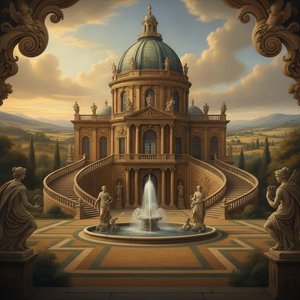
Vincenzo Scamozziho obraz „Interior“ z roku 1588 představuje fascinující ukázku klasicistického stylu, který byl dominantní v období pozdního Renesansu a Barrokových dekorací. Tento monumentalní prostor je umístěn ve významném historickém komplexu Sabbioneta Teatro – divadla vybudovaného podle plánů italského architektury. Dílo zachycuje impozantní interiér s vysokým stropem zdobeným dřevěnými trámy, což svědčí o bohatých stavebních tradicích té doby. Hlavním důrazem jsou umístěné klasické sochy – jejich estetika odkazuje na ideály Řeckého Říše a oslavuje krásu lidské těla a ducha. Umělci Scamozziho věnovali pozornost detailům, zejména osvětlení prostoru, které vytváří příjemné atmosféry pomocí přirozeného světla vstupujícího skrz okna nebo výhledové plochy. Tento aspekt obrazu je důležitý pro vyjádření emocí a vytvoření prostorového dojmu.- Styl: Klasicismus – Inspirace Řeckým Říše a západní kulturou.
- Technika: Freska – Použití pigmentů aplikovaných na hladkou povrchovou úpravu, což zajišťuje vysokou odolnost vůči času.
- Historický Kontext: Sabbioneta Teatro – Divadlo vybudované podle plánů italského architektury v období pozdního Renesansu.
Symbolismus obrazu
Obraz „Interior“ není jen estetickou nádherou, ale také bohatým zdrojem symbolických významů. Sochy umístěné na balkoně nebo scénické ploše reprezentují ideály krásy, vědění a harmonie – hodnoty, které byly ceněny v období Renesansu. Použití klasických motivů odkazuje na kulturu Řeckého Říše a oslavuje intelektuální potenciál člověka. Světlo vstupující skrz okna nebo výhledovou plochu symbolizuje osvícení a duchovní čistotu – základní prvky křesťanské filozofie té doby. Poznámka: Kvalitní reprodukce tohoto obrazu může být inspirativním dekorativním prvkem pro prostorové řešení, který vyjadřuje estetické hodnoty klasicistického umění a podporuje pocit klidu a elegance.Otázky a odpovědi
Jakým způsobem barvy díla „Detail“ od Vincenzo Scamozzi navazují na jeho emoce?
Paleta Zemité tóny díla „Detail“ od Vincenzo Scamozzi harmonizuje s jeho Klidná atmosféra emocionálním vyzněním. Barva je jedním ze způsobů, jakými umělecké dílo předává pocity.
Mohu si prohlédnout „Detail“ od Vincenzo Scamozzi pod jiným osvětlením?
Stránka Rentgenové snímky díla „Detail“ od Vincenzo Scamozzi nabízí interaktivní prohlížeč, který vám umožňuje procházet jedenácti optickými vrstvami obrazu, včetně pohledu ve stylu rentgenu.
Jaká témata se objevují v díle „Detail“ od Vincenzo Scamozzi?
„Detail“ od Vincenzo Scamozzi zobrazuje: classical sculpture, renaissance interior, theater architecture, roman influence, religious art, detailed frescoes, architectural detail.
Biografie umělce
The Architect of Ideal Proportions
Vincenzo Scamozzi was not primarily a visual artist in the traditional sense, but rather a profound Italian architect and theorist whose influence shaped the very fabric of the Renaissance and the dawn of Neoclassicism. Born in Vicenza, Italy, he emerged from a lineage of builders, being the son of Gian Domenico Scamozzi, a surveyor and contractor who served as his first teacher. This early immersion in the practicalities of construction, combined with the architectural principles of Sebastiano Serlio, provided the foundation for a career that would bridge the gap between the late Renaissance and the emerging classical ideals of later centuries.
His professional journey was inextricably linked to the legacy of the legendary Andrea Palladio. Following Palladio's death in 1580, Scamozzi found himself entrusted with several unfinished projects, most notably the prestigious Teatro Olimpico at Vicenza. By bringing these monumental designs to completion, he did more than just finish buildings; he preserved and refined a specific architectural language that would resonate through the ages. His ability to navigate the transition from Palladio's late works to his own distinct vision established him as a pivotal figure in the Republic of Venice area.
A Legacy Written in Stone and Theory
Scamozzi’s contribution to the world of architecture extended far beyond the physical structures he erected. He was a scholar of immense intellect, a man who sought to codify the laws of beauty and symmetry through written word. His monumental two-volume treatise, L'idea dell'architettura universale, published in Venice in 1615, stands as one of the final great works of the Renaissance. In this text, he utilized woodcut illustrations, plans, and elevations to communicate a vision of universal architectural harmony, drawing upon the commentaries of Daniele Barbaro on Vitruvius.
His theoretical reach was complemented by his active practice across the Italian landscape. From the completion of the stables at Villa Capra "La Rotonda" near Vicenza to his ambitious work on the Procuratie Nuove in Piazza San Marco, Venice, Scamozzi’s hand is visible in some of the most significant urban developments of his era. His design for the Procuratie Nuove, which featured alternating triangular and arched pediments and elegant colonnettes, demonstrated a masterful ability to adapt existing architectural traditions into a unified, grander whole.
The Intellectual Father of Neoclassicism
The historical significance of Vincenzo Scamozzi lies in his role as an intellectual bridge. While he operated within the late Renaissance tradition, his rigorous adherence to classical principles and his theoretical depth earned him recognition as one of the intellectual fathers of neoclassicism. His influence was not confined to Italy; through the lineage of architectural thought, his ideas traveled to the German Empire and France, and eventually found a powerful echo in the works of Inigo Jones, who introduced neo-Palladian architecture to England.
Even in his more personal explorations, such as the detailed sketchbook records of his impressions of French architecture, Scamozzi displayed a keen eye for the structural essence of design. Whether he was designing the Teatro Sabbioneta or working on the Church of San Gaetano Thiene in Padua, his work remained a testament to the pursuit of ideal human proportion and the enduring power of classical antiquity. He remains a figure of immense importance, a man whose life's work ensured that the architectural brilliance of the Renaissance would be preserved, understood, and reborn in the centuries to follow.

Vincenzo Scamozzi
1548 - 1616 , Italy
Rychlé informace o umělci
- Artists Who Influenced This Artist: ['Palladio']
- Full Name: Vincenzo Scamozzi
- Nationality: Italian
- Notable Artworks: ["L'Idea della Architettura"]
- Place Of Birth: Vicenza, Italy
- Date Of Birth: 1548
- Date Of Death: 1616
Související články
Baroque Classicism: Reconciling Drama & Order in 17th-Century Art
Explore the captivating world of Baroque Classicism! Discover its history, key artists like Caravaggio & Rubens, and defining characteristics. Expert insights & high-quality reproductions at OriginalUniqueArt.

10 legendárních bronzových soch, které změnily umění | OriginalUniqueArt
Objevte 10 legendárních bronzových soch od Michelangela, Rodina a dalších mistrů! Ponořte se do historie umění, technik a příběhů za těmito nadčasovými díly. Najděte inspiraci pro váš interiér s OriginalUniqueArt.com – repliky nejvyšší kvality.

10 legendárních bronzových mistrovských děl, která změnila umění | OriginalUniqueArt
Objevte 10 legendárních bronzových mistrovských děl od Rodina, Donatella a dalších. Ponořte se do historie umění a nechte se inspirovat nadčasovými sochařskými replikami pro váš interiér. Prozkoumejte celou kolekci online na OriginalUniqueArt.com!
Harmonie kontrastů: Integrace současného umění do klasických interiérů pro nadčasovou eleganci
Objevte harmonii klasického a moderního umění pro nadčasové interiéry. Inspirace, tipy a kvalitní reprodukce obrazů od OriginalUniqueArt – přinášíme umění do vašeho domova. Vytvořte luxusní prostor s našimi odbornými radami!

Barokní drama: Umění, které vnáší velkolepost do domova
Objevte velkolepost barokního stylu v interiéru! Průvodce klíčovými prvky, inspirace a tipy pro integraci do moderního bydlení. Reprodukce umění s .
