

 Zobrazit v interiéru
 Odeslat
 Sdílet
 Podrobnosti
 Průvodce

 Stáhnout obrázek
 Podobné kousky
 Rentgenové snímky
 Slideshow
 Statistiky
Judith
 Akryl na plátně
- Obrazová tvorba na stěnu
- Venetian Renaissance
 1520
1520 82.0 x 65.0 cm
 Fondazione Querini Stampalia
 Přečíst si více
Zakupte si digitální obraz ve vysokém rozlišení a vylepšeném provedení, který nabízí mnohem vyšší kvalitu než online náhled.
Každý soubor je pečlivě připraven našimi specialisty s využitím pokročilých nástrojů a odborné manuální retuše. Zajišťujeme, aby každý obraz disponoval výjimečnou ostrostí, přesnou barevnou věrností a jemnými detaily.
Finální soubor vám bude do 72 hodin zaslán e-mailem, optimalizovaný pro okamžité použití v profesionálním, redakčním i tiskovém prostředí. Nabízíme stejnou kvalitu, které důvěřují špičková designová studia, nakladatelství i galerie.
Digitální obrazy
Stáhněte si soubor ve vysokém rozlišení pro osobní prohlížení, tisk a kreativní projekty. ( Přepnout na tiskové verze Objednat ručně malovanou reprodukci)
Součást každé objednávky digitálního obrazu
Exponenciální digitální doručení, zaručené
Když si vyberete OriginalUniqueArt.com, nezískáváte pouze obrázek – získáváte digitální umělecké dílo s profesionálně vylepšenými detaily, zpracované s precizností a podpořené zárukou za spokojenost. Zde je vše, co vaše objednávka automaticky obsahuje:

Bleskové doručení e-mailem
Váš digitální obraz ve vysokém rozlišení vám bude zaslán e-mailem do 72 hodin od objednávky – připraven k okamžitému použití.

Digitální soubor s podporou AI
Vaše umělecké dílo je profesionálně optimalizováno pomocí pokročilých nástrojů umělé inteligence a manuální úpravy, což zajišťuje maximální úroveň detailu, ostrosti a přesnosti barev.

Doživotní bezplatné znovuodeslání
Soubor jste omylem smazali nebo ztratili? Žádný problém – kdykoliv vám ho znovu zašleme zcela zdarma.

Bez poplatků za dovoz – navždy
Užijte si své umělecké dílo okamžitě bez celních poplatků, daní nebo nákladů na dopravu – digitální stažení je vždy bez daňových povinností.

Záruka přesnosti barev
Díky profesionálním nástrojům a správě barev zajišťujeme, aby váš digitální obraz odrážel původní barvy co nejvěrněji.

100dená záruka spokojenosti
Pokud nebudete s digitálním obrázkem spokojeni, provedeme jeho revizi nebo vám vrátíme 100% platby do 100 dnů – bez jakýchkoliv dotazů.

100% záruka vrácení peněz
Nespokojeni? Získejte plnou náhradu peněz do 100 dnů od obdržení digitálního souboru – bez zbytečných dotazů.

Slevy při hromadných objednávkách
Při koupi 3 obrazů ušetříte 10% – Při koupi 5 obrazů ušetříte 15% – Při koupi 10+ obrazů ušetříte 20%. Ideální pro kreativní projekty, galerie a agentury.
Judith – A Venetian Masterpiece Reflecting Religious Drama
Vincenzo Catena’s “Judith” (circa 1520) stands as a testament to the artistic fervor of Venice during the High Renaissance, blending influences from luminaries like Giovanni Bellini and Giorgione with a burgeoning individuality that foreshadowed Titian's groundbreaking style. This monumental painting depicts the biblical tale of Judith slaying Holofernes, King of Assyria, safeguarding Israel’s safety through cunning and courage – a narrative rich in symbolism and moral contemplation.Style and Technique: Bellini’s Serenity Meets Giorgione’s Atmospheric Depth
Initially trained under Giovanni Bellini, Catena absorbed the maestro's characteristic serene palette and meticulous attention to detail. However, unlike Bellini’s idealized figures bathed in ethereal light, Catena’s Judith exhibits a palpable tension conveyed through expressive gestures and subtle shading—a stylistic shift decisively shaped by Giorgione’s pioneering exploration of atmospheric perspective. The artist skillfully employs glazing techniques, layering translucent pigments over underlayers to achieve remarkable luminosity and depth, mirroring Giorgione's masterful manipulation of light and shadow. This blending of styles underscores Catena’s artistic evolution and his embrace of innovative approaches.Historical Context: Venetian Republican Virtue Amidst Turbulent Times
Painted during the reign of Pope Leo X, “Judith” embodies the humanist ideals prevalent in Venice at the time – a republic fiercely committed to civic virtue and defending its independence against papal ambition. The depiction aligns perfectly with the broader artistic preoccupation with biblical narratives as vehicles for moral instruction, reflecting the Venetian elite’s desire to reaffirm their values amidst political uncertainty. Furthermore, Catena's work contributes to the ongoing dialogue between classical ideals and Christian faith that characterized Renaissance art across Europe.Symbolism: Courage, Sacrifice, and Divine Justice
The painting overflows with symbolic significance. Judith herself represents fortitude and unwavering devotion to God’s will, while Holofernes embodies pagan arrogance and oppression. The sword symbolizes righteous indignation and decisive action against evil—a visual embodiment of biblical justice. The positioning of Judith and Holofernes' severed head underscores the triumph over darkness and affirms the victory of faith over barbarity. Catena’s meticulous rendering captures not merely a historical event but also profound spiritual truths.Emotional Impact: A Dramatic Confrontation Captured in Paint
“Judith” commands attention with its dramatic composition and emotionally charged portrayal of violence tempered by moral fortitude. The artist's masterful use of chiaroscuro – the interplay between light and dark – intensifies the scene’s impact, drawing viewers into Judith’s courageous gaze and conveying the horror of Holofernes’ demise. More than just a depiction of biblical legend, Catena’s masterpiece resonates with timeless themes of bravery, sacrifice, and the enduring power of righteousness—inspiring contemplation on moral fortitude and divine retribution.Otázky a odpovědi
K jaké fázi kariéry Vincenzo Catena odpovídá datum vzniku díla „Judith“ z roku 1520?
„Judith“, vytvořené v roce 1520, patří do Mature Period tvorby umělce Vincenzo Catena.
Jak je utkaná barevná kompozice díla „Judith“ od Vincenzo Catena?
V díle "Judith" je Prohlášení kontrast spojen s Jednotná paleta harmonií.
Nachází se dílo „Judith“ od Vincenzo Catena v zemi původu umělce?
Ne – dílo se nachází v zahraničí. Rodimá země Vincenzo Catena je Italy a muzeum, které uchovává originál díla „Judith“, se nachází v zemi Itálie.
Biografie umělce
Vincenzo Catena: A Venetian Renaissance Painter
Life and Background
- Born in Venice, Italy around 1470, Vincenzo Catena was a painter of the Venetian Renaissance.
- Little is known about his early life or formal training. Records are scarce regarding his upbringing and initial artistic development.
- He was also sometimes referred to as Vincenzo de Biagio.
- Catena passed away in 1531, leaving behind a modest but significant body of work.
Artistic Development and Influences
- Initially, Catena’s style closely resembled that of Giovanni Bellini, a leading Venetian painter known for his serene Madonnas and refined technique.
- The earliest documented mention of Catena is an inscription on the back of La Laura by Giorgione, where he’s described as Giorgione's *colego* (colleague).
- However, it wasn’t until after Giorgione’s death in 1510 that his innovative influence began to manifest itself in Catena’s paintings.
- He also shows some influences from Titian, another prominent figure of the Venetian School, particularly in his use of color and composition.
Major Works and Style
- Approximately a dozen paintings are confidently attributed to Catena based on signatures.
- The Martyrdom of St. Christina (1520), located in the church of Santa Maria Mater Domini in Venice, is his most securely dated work thanks to an inscription on its marble surround.
- Other notable works include The Adoration of the Shepherds, and several depictions of the Madonna and Child with Saints and Donors.
- Catena’s paintings often feature religious scenes and portraits, characterized by a blend of Bellini's precision and Giorgione’s atmospheric qualities.
- His style is marked by detailed realism, warm color palettes, and rich symbolism, typical of Venetian Renaissance art.
Historical Significance and Legacy
- While not as widely celebrated as some of his contemporaries like Titian or Giorgione, Catena played a role in the development of Venetian painting during a crucial period.
- His work demonstrates the transition between the High Renaissance and the emerging Mannerist styles.
- Wills left by Catena reveal he was a man of considerable wealth and had connections within Venetian humanist circles, suggesting his artistic success extended beyond purely aesthetic recognition.
- Today, Vincenzo Catena’s paintings are valued for their historical importance and offer insights into the artistic landscape of 16th-century Venice.
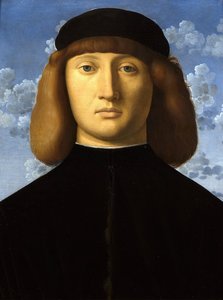
Vincenzo Catena
1470 - 1531 , Italy
Rychlé informace
- Name: Vincenzo Catena
- Movement: Renaissance, Venetian School
- Birth Date: 1470
- Death Date: 1531
- Birth Place: Venice, Italy
- Nationality: Italian
- Date Of Birth: 1470
- Date Of Death: 1531
- Influenced By:
- Giovanni Bellini
- Giorgione
- Notable Works:
- Santa Cristina Altarpiece
- The Adoration of the Shepherds
- Madonna and Child with a Holy Female Martyr, Saint Francis of Assisi and the Donor
- Place Of Birth: Venice, Italy