Zobrazit v interiéru
 Odeslat
 Sdílet
 Podrobnosti
 Průvodce

 Stáhnout obrázek
 Podobné kousky
 Rentgenové snímky
 Slideshow
 Statistiky
Young Man with a Broom


 Přečíst si více
Giclée / Umělecký tisk
Giclée nebo plátěný tisk muzeální kvality s rychlou výrobou a širokou nabídkou povrchových úprav. ( Objednat ručně malovanou reprodukci Přepnout na digitální verzi obrazu)




P118B Kč10

P118H Kč10

P118W Kč10

P438Z Kč10

P508JH Kč12

P508YH Kč12

P805H Kč10

P805Z Kč10

P919BZ Kč10

P919G Kč10

P919XJ Kč10

P959ZH Kč10

P968JZ Kč12

W106C Kč8

W218G Kč10

W218JH Kč8

W218Y Kč10

W307PJ Kč10

W316G Kč10

W316PJ Kč8

W316Y Kč10

W398PJ Kč8

W4111J Kč10

W500HY Kč15

W500JH Kč15

W692G Kč12

W849H Kč8

W940BG Kč15

W953PJ Kč8




Vyberte si z našich přednastavených velikostí, které odpovídají původním proporcím díla.

Zadejte šířku a výšku, které potřebujete pro váš rám nebo stěnu. Tisk lze pouze oříznout, nikdy však nelze zvětšit obraz nad jeho původní rozměr, proto při výběru jiného formátu dochází ke ztrátě části obrazu. Před samotným tiskem vám zašleme digitální náhled k schválení. Obraz zobrazený na této stránce nenabízí skutečný výřez — ten uvidíte pouze v náhledu.
Celosvětové doručení () do 2 týdnů namísto standardních 4/5 týdnů. (24 říjen)

Zdarma celosvětová expresní doprava

Vysoce kvalitní lněné plátno

Úplné pojištění přepravy

Záruka vrácení celního poplatku

Záruka věrného barevného shodu

100dení lhůta pro vrácení zboží (pouze při vadách výroby)

100% garance vrácení peněz

Sleva při více objednávkách
 Skleněná varianta je dostupná pouze u rozměrů menších než 110 cm

Young Man with a Broom
Giclée / Umělecký tisk
Velikost reprodukce
-


Celková cena
Kč 1709
A Quiet Reflection: Examining Vincent van Gogh’s ‘Young Man with a Broom’
Vincent Willem van Gogh's “Young Man with a Broom,” completed in 1882, stands as a deceptively simple yet profoundly resonant depiction of rural life and artistic exploration. This unassuming sketch—a study in charcoal—offers a glimpse into the formative years of one of art history’s most celebrated figures, revealing Van Gogh’s burgeoning interest in capturing everyday scenes with unflinching honesty and emotional depth. Unlike his later canvases ablaze with vibrant color, “Young Man with a Broom” embodies a restrained palette of grey tones, meticulously rendered through hatching and cross-hatching techniques—a deliberate choice that underscores the artist's commitment to realism and psychological observation.Composition and Technique: Embracing Line Work
The composition centers on a solitary young man positioned against a backdrop of a wooden chair. Van Gogh’s masterful use of line work dominates the image, prioritizing form over shading—a characteristic stylistic decision that aligns with his early artistic endeavors. Thick, confident lines delineate the contours of the man's body and clothing, conveying solidity and presence despite the absence of tonal variation. Furthermore, hatching and crosshatching patterns skillfully build up texture, simulating the rough surface of charcoal on paper and lending an immediacy to the depiction. The subtle perspective—a slight elevation from which the scene is viewed—creates a sense of depth without resorting to dramatic shading, enhancing the overall atmosphere of quiet contemplation.Historical Context: Early Realism and Artistic Experimentation
Painted during Van Gogh’s time in Paris, “Young Man with a Broom” represents an important step in his artistic development. Following his initial foray into Impressionism—influenced by artists like Monet and Renoir—Van Gogh sought to refine his technique and explore more introspective subjects. This sketch reflects the broader trend of Realist art at the time, which aimed to portray life as it truly was, eschewing idealized representations for a focus on observable detail. However, “Young Man with a Broom” transcends mere documentation; it’s infused with Van Gogh's deeply felt empathy for the working class and his unwavering desire to convey emotion through visual language—a precursor to the expressive brushstrokes that would define his later masterpieces.Symbolism and Emotional Resonance: A Portrait of Diligence
Beyond its technical merits, “Young Man with a Broom” carries symbolic weight. The young man’s posture—slightly slumped, gaze downward—suggests weariness or perhaps melancholy, mirroring Van Gogh's own struggles with mental health during this period. He diligently sweeps the floor, representing labor and perseverance – themes that resonate throughout Van Gogh’s oeuvre. This seemingly mundane activity becomes a vehicle for conveying profound ideas about human dignity and resilience. The drawing invites viewers to consider not just what is seen but also what is felt—a testament to Van Gogh's ability to transform ordinary subjects into vehicles of emotional expression.Conclusion: An Echo of Genius
“Young Man with a Broom” remains an enduring symbol of Van Gogh’s artistic vision and his pioneering approach to depicting the human condition. It exemplifies his unwavering commitment to capturing authentic emotion through line work, reflecting the formative influence of Realism alongside the burgeoning exploration of psychological depth. As a reproduction, this artwork offers a tangible connection to one of art history's most poignant portraits—a quiet reminder of Van Gogh’s enduring legacy as an artist who dared to see beauty in the commonplace and transform it into timeless expression.Otázky a odpovědi
O čem "Young Man with a Broom" je a jakou atmosféru vyzařuje?
„Young Man with a Broom“ od Vincent Van Gogh spojuje dutch art, rural life, sketch drawing, daily routine, working class, line work, monochromatic palette s Calm atmosférou.
Hangi tónem se "Young Man with a Broom" sklání?
Dominantní odstín díla „Young Man with a Broom“ od Vincent Van Gogh je Green to Violet Spectrum. Tento odstín tvoří základní tón celé palety.
Jaké barvy dominují dílu „Young Man with a Broom“ od Vincent Van Gogh?
„Young Man with a Broom“ je definováno paletou Neutrals, které dominuje Espresso (#35342f).
Biografie umělce
Život namalovaný vášní: Vincent van Gogh
Vincent Willem van Gogh, jméno synonymické pro zářivou barvu a syrové emoce, zůstává jednou z nejrozpoznatelnějších a nejoblíbenějších postav v dějinách umění. Narodil se 30. března 1853 v Zundert v Nizozemsku a jeho cesta od osudovaného mladíka hledajícího smysl života k uměleckému vizionáři je dojímavým příběhem oddanosti, boje a nakonec i nesmrtelného odkazu. Ačkoliv za svého života dosáhl jen malého komerčního úspěchu – před svou smrtí prodal pouze jeden obraz, The Red Vineyard (Červená vinice) – Van Goghův dopad na moderní umění je neúměrně velký, neboť připravil cestu expresionismu a ovlivnil nespočet následných umělců. Jeho příběh není jen o tahách štětcem a plátnech; je to svědectví o síle lidské výraznosti v tvář osudů.
Raná léta a umělecké probuzení
Van Goghův raný život byl poznamenán řadou nesplněných ambicí. Zkoušel se v různých profesích – jako obchodník s uměním, učitel, dokonce i misionář – než se ve svých 27 letech definitivně zasvětil malování. Tyto dřívější zkušenosti hluboce utvarily jeho svědomí a našly své otisk v jeho díle. Jeho počáteční práce, zachycující scény ze života vesnického lidu na venkově Belgie, odrážejí hlubokou empatii k pracující třídě a používají tlumenou paletu barev, která reflektuje jejich těžký život. Pod vlivem umělců jako Jean-François Millet se Van Gogh snažil zachytit důstojnost a odolnost těchto lidí prostřednictvím syrového realismu. Transformativním však okazał se jeho přesun do Paříže v roce 1886. Zde narazil na impresionismus a postimpresionismus, od kterých si osvojil techniky mistrů jako Monet, Renoir a Pissarro. Tato zkušenost rozšířila jeho umělecké obzory a vedla ho k experimentování s jasnějšími barvami a volnějšími tahy štětcem, přičemž si však zachoval specifickou emocionální intenzitu, která u mnoha jeho současníků chyběla. Klíčovou roli v tomto období sehrál jeho bratr Theo, obchodník s uměním, který mu poskytoval finanční podporu a sloužil jako zásadní spojnice s pařížským světem umění. Jejich rozsáhlá korespondence nabízí nepostradatelný pohled do Van Goghova uměleckého vývoje i osobních trápení.
Jižní světlo a explozivní kreativita
Ve snu o živopisnější krajině a pocitu obnovy se Van Gogh v roce 1888 přestěhoval do Arles na jihu Francie. Tento krok znamenal období intenzivní tvůrčí činnosti, charakterizované explozí barev a specifickou technikou impasta – nanášením husté vrstvy barvy přímo na plátno, čímž vznikla texturovaná plocha, která se zdá pulzovat energií. Právě zde vytvořil některá ze svých nejikoničtějších děl: Slunečnice, Noc v kavárně nebo Hvězdná noc. Intenzivní sluneční světlo Provence se zdálo zapálit jeho představivost a vedlo ho k zobrazení krajin a záložních motivů s nevídanou živostí. Touha po umělecké spolupráci ho přiměla pozvat do Arles Paula Gauguina s nadějí na založení utopické kolonie umělců. Jejich vztah se však ukázal jako nestabilní a vyvrcholil dramatickým konfliktem, který skončil Van Gogovým okurtováním vlastního ucha. Tato událost podtrhla křehkost jeho psychického stavu a znamenala začátek období hospitalizace a prohlubujících se psychických potíží.
Pozdní léta a nesmrtelný odkaz
Po svém zhroucení vstoupil Van Gogh dobrovolně do azylu v Saint-Rémy, kde pokračoval v plodném malování a zachycoval okolní krajinu s krásou i vnitřním neklidem. Díla jako Hvězdná noc, namalovaná právě v tomto období, jsou prosycena pocitem vesmírného úžasu a hluboké emocionální hloubky. Později se přestěhoval do Auvers-sur-Oise pod péči Dr. Paula Gacheta, ale jeho trápení přetrvávalo. 29. července 1890, ve věku 37 let, Van Gogh tragicky zemřel v důsledku střelného zranění způsobeného sebou samým. Přestože za svého života dosáhl jen minimálního uznání, jeho dílo začalo získávat posmrtnou slávu především díky neúnavnému úsilí jeho švagrové, Johanny van Gogh-Bonger, která zdědila jeho majetek a zasvětila se propagaci jeho umění. Dnes jsou Van Goghovy obrazy po celém světě oslavovány pro jejich emocionální intenzitu, inovativní techniky a nesmrtelnou krásu. Jeho odkaz sahá daleko za okraj plátna; stal se symbolem umělecké vášně, vytrvalosti tváří v tvář překážkám a síly umění vyjádřit ty nejhlubší lidské emoce.
Klíčové vlivy a umělecký vývoj
- Raný realismus: Zobrazení vesnického života Jeana-Françoise Milleta ovlivnila Van Goghova raná díla.
- Impresionismus a postimpresionismus: Kontakt s Monetem, Renoirem, Pissarrem a dalšími v Paříži rozšířil jeho paletu i techniku.
- Japonské tisky: Van Gogh byl hluboce ovlivněn japonskými dřevoryty, které vášnivě sbíral. Jejich odvážná kompozice a ploché barevné plány zásadně ovlivnily jeho vlastní styl.
- Emocionální vyjádření: Nad vše ostatní se Van Gogh snažil skrze své umění vyjádřit emoce, přičemž upřednostňoval subjektivní prožitek před objektivní reprezentací. Tento důraz na emocionální intenzitu se stal definující vlastností jeho díla a připravil cestu expresionismu.
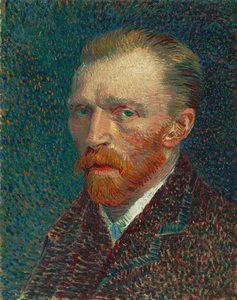
Vincent Van Gogh
1853 - 1890 , Nizozemsko
Rychlé informace
- Artistic Movement Or Style: Post-Impressionismus
- Artists Or Movements Influenced By This Artist:
- Expressionismus
- Fauvism
- Artists Who Influenced This Artist:
- Rembrandt
- Millet
- Date Of Birth: 30. března 1853
- Date Of Death: 29. července 1890
- Full Name: Vincent Willem van Gogh
- Nationality: Nizozemec
- Notable Artworks:
- Sluncečnice
- Hvězdná noc
- Jídlo chudí
- Place Of Birth: Zundert, Nizozemsko
Související články

Decoding Impasto: The Emotional Power of Van Gogh's Textured Brushstrokes
Explore the visceral beauty of Van Gogh's impasto technique. Discover how his thick, textured brushstrokes transform canvas into an emotional landscape, and learn how to bring this tactile masterpiece into your home with premium, hand-painted reproductions.

Impressionistic Realism's Finest: 10 Masterpieces for Your Home | OriginalUniqueArt
Journey through Impressionistic Realism with 10 iconic masterpieces by Monet, Renoir & Van Gogh. Explore art history, techniques & find museum-quality reproductions for your home at OriginalUniqueArt.com. Discover all masterpieces online!

Rembrandt van Rijn: Top 25 mistrovských děl pro váš interiér | OriginalUniqueArt.cz
Prozkoumejte 25 nejlepších děl Rembrandta van Rijna – od portrétů po biblické scény. Objevte příběhy, techniky a inspiraci nizozemského baroka. Reprodukce obrazů pro váš interiér na OriginalUniqueArt.cz.
Decoding Van Gogh's Turmoil: OriginalUniqueArt’s Masterful Reproductions of Emotional Depth
Discover exquisite Van Gogh reproductions from OriginalUniqueArt – expert art specialists offering museum-quality prints & custom paintings. Trust our authentic process and elevate your collection today.

Top 10 mistrovských děl postimpresionismu: Umění a inspirace pro váš domov
Prozkoumejte 10 ikonických děl postimpresionismu od Van Gogha, Moneta a Cézanna. Objevte příběhy umělců, techniky a inspiraci pro váš interiér s luxusními reprodukcemi obrazů na OriginalUniqueArt.com.