
 Náhled
 Sdílet
 Sdílet
 Podrobnosti o díle

 Stáhnout
 Podobné položky
 Rentgenové snímky
 Slideshow
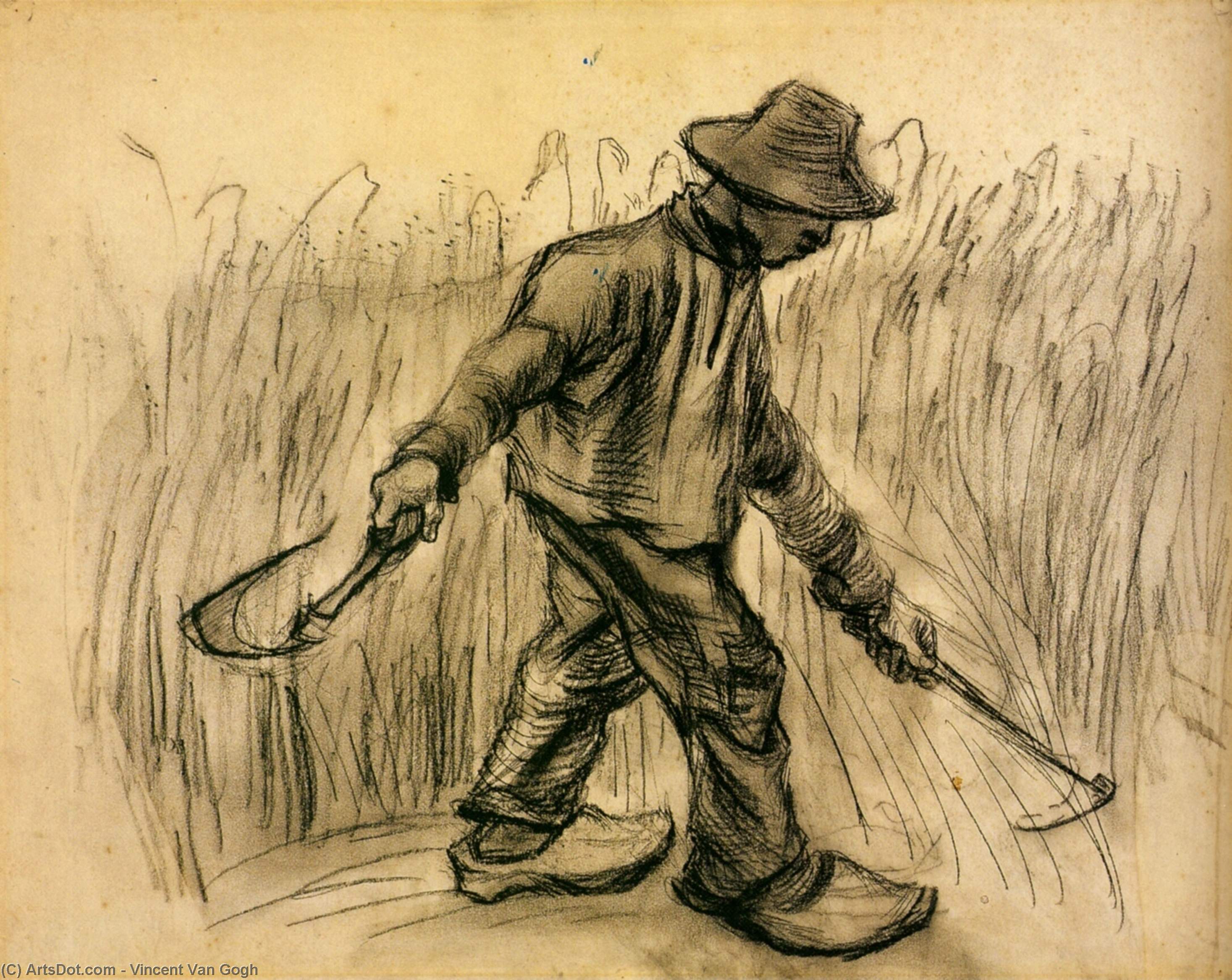
Reaper


 Zobrazit více
Koupě vysoce rozlišeného, vylepšeného digitálního obrazu, který je mnohem kvalitnější než online náhled.
Každý soubor je pečlivě připraven našimi odborníky pomocí pokročilých nástrojů a expertní manuální retuše. Zajišťujeme, aby každý obraz disponoval výjimečnou ostrostí, přesnou barevnou věrností a jemnými detaily.
Finální soubor vám bude do 72 hodin zaslán e-mailem, optimalizovaný pro okamžité použití v profesionálním, redakčním i tiskovém prostředí. Nabízíme stejnou kvalitu, které důvěřují špičková designová studia, nakladatelství i galerie.
Digitální obrazy
Stáhněte si soubor ve vysokém rozlišení pro osobní prohlížení, tisk a kreativní projekty. ( Koupit tisk Koupit ručně malovaný obraz)
Součást každé objednávky digitálního obrazu
Profesionální digitální doručení, zaručeno.
Když si vyberete OriginalUniqueArt.com, nezískáváte pouze obrázek – získáváte digitální umělecké dílo s profesionálně vylepšenými detaily, zpracované s precizností a podpořené zárukou za spokojenost. Zde je vše, co vaše objednávka automaticky obsahuje:

Rychlé doručení e-mailem
Váš digitální obraz ve vysokém rozlišení vám bude zaslán e-mailem do 72 hodin od objednávky – připraven k okamžitému použití.

Digitální soubor s využitím AI
Vaše umělecké dílo je profesionálně optimalizováno pomocí pokročilých nástrojů umělé inteligence a manuální úpravy, což zajišťuje maximální úroveň detailu, ostrosti a přesnosti barev.

Bezplatné doživotní znovuodeslání
Soubor jste omylem smazali nebo ztratili? Žádný problém – kdykoliv vám ho znovu zašleme zcela zdarma.

Bez poplatků za dovoz – navždy
Užijte si své umělecké dílo okamžitě bez celních poplatků, daní nebo nákladů na dopravu – digitální stažení je vždy bez daňových povinností.

Záruka přesnosti barev
Pomocí profesionálních nástrojů a správy barev zajišťujeme, aby váš digitální obraz odrážel původní barvy co nejvěrněji.

60denní záruka spokojenosti
Pokud nebudete s digitální fotografií spokojeni, provedeme její revizi nebo vám vrátíme 100% během 60 dnů – bez jakýchkoliv dotazů.

100% záruka vrácení peněz
Nespokojeni? Získejte plnou částku zpět do 60 dní od přijetí vašeho digitálního souboru – bez jakýchkoliv dotazů.

Slevy při hromadných objednávkách
Koupěte si 3 obrazy, ušetřete 10% - Koupěte si 5, ušetřete 15% - Koupěte si 10+, ušetřete 20%. Ideální pro kreativní projekty, galerie a agentury.
Popis sběratelského kusu
A Study in Labor & Light: Vincent van Gogh’s ‘Reaper’
Vincent van Gogh's chalk drawing, *Reaper*, is a poignant and evocative work that encapsulates his early fascination with the lives of rural laborers. Created in 1885, this piece isn’t merely a depiction of agricultural work; it’s an exploration of human endurance, the cyclical nature of life, and the dignity found within honest toil. It stands as a powerful example of Van Gogh's developing artistic voice, bridging realism with the emotional intensity that would define his later masterpieces.Artistic Context & Early Realism
*Reaper* emerges from a period where Van Gogh was deeply invested in representing the realities of peasant life. This commitment to realism – a deliberate move away from the romanticized pastoral scenes prevalent at the time – reflects his empathy for the working class and a desire to portray their existence with authenticity. Unlike many of his contemporaries, Van Gogh wasn’t interested in idealizing rural subjects; he sought to capture their raw, unvarnished truth. The choice of chalk as a medium is significant. It allows for a unique textural quality, lending depth and dimensionality to the drawing while also contributing to its somewhat somber mood.Composition & Technique
The composition centers on a solitary reaper, powerfully rendered with expressive lines, moving through a field of tall grass. The figure is positioned slightly off-center, creating a dynamic tension within the frame. Van Gogh’s technique is characterized by loose, gestural strokes and heavy shading, which imbue the scene with movement and energy.- The undulating blades of grass create a visual rhythm that draws the eye towards the central figure.
- Thick lines define the reaper's form, emphasizing his physical labor and determined stride.
- Varied line weights and hatching simulate texture, conveying the roughness of both the wheat stalks and the worker’s clothing.
Symbolism & Emotional Resonance
The reaper is more than just a farmer; he embodies the hardworking peasant class that Van Gogh so admired. The scythe itself is rich in symbolism, representing not only harvest but also the passage of time and the inevitability of mortality. Interestingly, within the broader series of “Reaper” paintings (as detailed in research regarding *Reaper with Sickle*), Van Gogh himself connected the figure to death – yet saw it as a natural part of life’s cycle, bathed in light rather than shrouded in sadness. The drawing evokes a sense of quiet solitude and perseverance. There's an underlying melancholy, perhaps reflecting Van Gogh’s own struggles and his profound connection to the human condition.Van Gogh’s Broader Exploration of Rural Life
*Reaper* is part of a larger body of work dedicated to exploring themes of labor and rural existence. Considered alongside pieces like Peasant Woman Lifting Potatoes and Wheatfield with Reaper and Peasant Woman Binding Sheaves, it reveals Van Gogh’s sustained interest in the daily lives of those who worked the land. These works demonstrate a consistent focus on capturing not just *what* people did, but *how* they lived – their struggles, their resilience, and their connection to the natural world.Preservation & Legacy
This remarkable chalk drawing is held within the Oskar Reinhart Collection in Winterthur, Switzerland—a museum dedicated to preserving artistic treasures from various periods. Its continued preservation ensures that future generations can experience the power and beauty of Van Gogh’s vision. *Reaper* stands as a testament to his genius, offering a glimpse into the heart of rural life and the enduring spirit of humanity. For those seeking further exploration, resources on OriginalUniqueArt.com provide access to related works and insights into Van Gogh's artistic journey.Biografie umělce
A Life Painted in Emotion: The World of Vincent van Gogh
Vincent Willem van Gogh, a name synonymous with artistic passion and turbulent genius, remains one of the most recognizable and beloved figures in Western art history. Born on March 30, 1853, in Groot-Zundert, Netherlands, his journey was not one of immediate acclaim but rather a slow burn of dedication, struggle, and ultimately, profound influence. The eldest of six children born to a Protestant minister, Theodorus van Gogh, Vincent’s early life was steeped in religious contemplation, a sensibility that would subtly permeate much of his later work. Though he displayed an inclination towards drawing from a young age, his path wasn't immediately clear; he explored various vocations – art dealer, teacher, and missionary – before fully embracing the artist’s life. These experiences, though seemingly disparate, proved formative, instilling in him a deep empathy for the working class and a profound sense of spiritual seeking that would become hallmarks of his artistic vision. Early influences included the Dutch Masters like Rembrandt van Rijn and Frans Hals, whose masterful use of light and shadow resonated with young Vincent, as well as contemporary French painters Jean-François Millet and Camille Corot, who depicted scenes of rural life with a poignant realism.From Darkness to Light: Artistic Development and Style
Van Gogh’s serious engagement with painting began around 1880, largely self-taught, driven by an inner compulsion to express the world as he perceived it. His initial works reflected his compassion for the marginalized, focusing on the lives of peasants and laborers – exemplified in pieces like The Potato Eaters. These early paintings are characterized by dark, earthy tones and a raw, almost brutal honesty that sought to capture the hardship and dignity of rural existence. The figures in *The Potato Eaters* aren’t idealized; they're depicted with unflinching realism, their faces etched with weariness and toil. This wasn’t simply a documentary exercise, however; Van Gogh aimed to convey the profound dignity inherent in these laborers’ lives, imbuing them with an almost spiritual presence. A pivotal moment arrived with his move to Paris in 1886, where he was exposed to the vibrant world of Impressionism and Post-Impressionism. This encounter proved transformative, injecting brighter colors into his palette and encouraging experimentation with new techniques. He absorbed the lessons of artists like Monet, Renoir, and Pissarro, but never fully adopted their style; instead, he forged a path uniquely his own. His distinctive style rapidly evolved, becoming instantly recognizable for its bold colors, expressive brushwork, and emotional intensity. Van Gogh didn’t merely *represent* reality; he sought to convey the feeling of being within it, utilizing impasto – thick layers of paint – to create texture and imbue his canvases with a palpable energy. This technique wasn't simply aesthetic; it was an integral part of his expressive language, allowing him to translate inner turmoil and ecstatic joy onto the canvas.Periods of Intensity: Key Works and Artistic Phases
Van Gogh’s artistic journey can be broadly divided into distinct periods, each marked by unique characteristics and significant works. The Dutch Period (1880-1886), as mentioned, was defined by somber tones and depictions of peasant life. These paintings, often characterized by muted colors and a focus on the working class, reflect his early empathy for the downtrodden. The subsequent Parisian Period (1886-1888) saw a dramatic shift towards brighter colors and experimentation with Impressionist techniques. He studied the works of artists like Monet and Pissarro, learning to capture fleeting moments of light and color. However, it was during the Arles Period (1888-1889), in the south of France, that Van Gogh reached a peak of creative intensity. Surrounded by the radiant light and vibrant landscapes of Provence, he produced some of his most iconic works: Sunflowers, *The Night Café*, and *Starry Night Over the Rhône*. These paintings are not merely depictions of scenes; they are emotional landscapes, pulsating with life and imbued with a sense of longing. The swirling brushstrokes in *Starry Night* aren't just representing stars; they’re conveying a feeling of awe and wonder, perhaps even a touch of anxiety. His use of color became increasingly bold and expressive, moving away from the naturalistic depictions of his earlier work. His final years, spent in Saint-Rémy and Auvers-sur-Oise (1889-1890), were marked by continued artistic output despite increasing mental distress. Confined to an asylum at Saint-Rémy following a breakdown, he found solace in painting the surrounding countryside, resulting in masterpieces like The Starry Night, a swirling vortex of color and emotion that continues to captivate viewers today. Even during this period of profound suffering, his portraits – particularly those of Dr. Gachet – reveal an extraordinary sensitivity and psychological depth.A Legacy Forged in Suffering: Achievements and Historical Significance
Despite facing rejection and struggling with mental illness throughout his life, Van Gogh created over 2,100 artworks in just over a decade—approximately 860 oil paintings and 1100 drawings. This astonishing output is testament to his unwavering dedication and relentless creative drive. Remarkably, during his lifetime, only one painting – *The Red Vineyard* – was sold. Recognition came posthumously, slowly at first, then with increasing momentum in the early 20th century. His work profoundly influenced the development of modern art, particularly Expressionism and Fauvism, inspiring artists to prioritize emotional expression over realistic representation. His bold use of color, distorted forms, and expressive brushwork paved the way for new artistic possibilities. Today, Van Gogh’s paintings are among the most recognizable and valuable artworks in the world, commanding record prices at auction and drawing millions of visitors to museums worldwide. But his legacy extends far beyond monetary value; he remains a cultural icon, representing the archetype of the “tortured artist” – though this narrative often overshadows his skill, dedication, and artistic vision. The Van Gogh Museum in Amsterdam stands as a testament to his enduring influence, showcasing his work and celebrating his life for generations to come. His art continues to resonate with audiences because it speaks to universal human experiences—love, loss, hope, despair—with an honesty and vulnerability that transcends time and culture.- Major Influences: Dutch Masters (Rembrandt, Hals), Millet, Corot.
- Key Periods: Dutch, Parisian, Arles, Saint-Rémy/Auvers-sur-Oise.
- Notable Works: The Potato Eaters, Sunflowers, Starry Night, The Night Café.
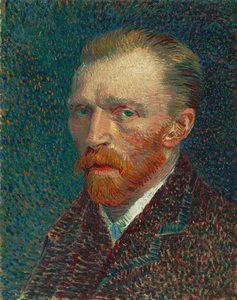
vincent willem van gogh
1853 - 1890 , Nizozemsko
Stručné informace
- Artistic Movement Or Style: Post-Impressionismus
- Artists Or Movements Influenced By This Artist:
- Expressionismus
- Fauvism
- Artists Who Influenced This Artist:
- Rembrandt
- Millet
- Date Of Birth: 30. března 1853
- Date Of Death: 29. července 1890
- Full Name: Vincent Willem van Gogh
- Nationality: Nizozemec
- Notable Artworks:
- Sluncečnice
- Hvězdná noc
- Jídlo chudí
- Place Of Birth: Zundert, Nizozemsko

