
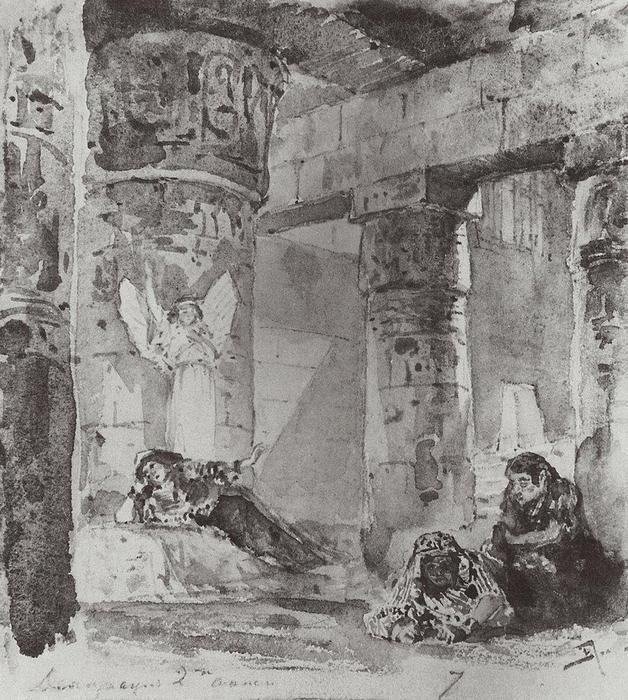
 Náhled
 Sdílet
 Sdílet
 Podrobnosti o díle

 Stáhnout
 Podobné položky
 Rentgenové snímky
 Slideshow
Dungeon


 Zobrazit více
Giclée / Umělecký tisk
Giclée nebo plátěný tisk muzeální kvality s rychlou výrobou a flexibilními možnostmi povrchové úpravy. ( Koupit ručně malovaný obraz Koupit obrázek)




P118B $10

P118H $10

P118W $10

P438Z $10

P508JH $12

P508YH $12

P805H $10

P805Z $10

P919BZ $10

P919G $10

P919XJ $10

P959ZH $10

P968JZ $12

W106C $8

W218G $10

W218JH $8

W218Y $10

W307PJ $10

W316G $10

W316PJ $8

W316Y $10

W398PJ $8

W4111J $10

W500HY $15

W500JH $15

W692G $12

W849H $8

W940BG $15

W953PJ $8




Vyberte si z našich přednastavených velikostí, které odpovídají původním proporcím díla.

Můžete zadat vlastní rozměry tak, aby výtvor odpovídal konkrétnímu rámu nebo prostoru. Pokud zvolená velikost nebude odpovídat poměru stran původního obrazu, dílo buď ořížeme, nebo obraz rozšíříme pomocí zrcadlového efektu či jednobarevného okraje. Před zahájením výroby vám bude zaslán digitální náhled k schválení.
Mějte prosím na paměti, že náhled na obrazovce neodráží skutečné oříznutí nebo rozšíření. Pouze digitální náhled přesně zobrazí finální kompozici.
Ačkoliv jsou k dispozici i vlastní rozměry, pro zachování původních proporcí doporučujeme vybrat si rozměr z předdefinovaného seznamu.
Celosvětové doručení () do 2 týdnů namísto standardních 4/5 týdnů. (14 srpen)

Zdarma celosvětová expresní doprava

Vysoce kvalitní lněné plátno

Kompletní přepravní pojištění

Záruka vrácení celního poplatku

Záruka přesného barevného shodu

60denní lhůta pro vrácení zboží (pouze při vadách výroby)

100% garance vrácení peněz

Sleva při hromadné objednávce
 Skleněná varianta je dostupná pouze u rozměrů menších než 110 cm

Dungeon
Giclée / Umělecký tisk
Rozměry reprodukce
-


Celková cena za výběr
$ 80
Biografie umělce
The Knight of Beauty: The Life and Vision of Vasily Polenov
Vasily Dmitrievich Polenov (1844–1927) stands as a cornerstone figure in Russian landscape painting and the Peredvizhniki movement—a collective of realist artists who championed artistic freedom and social reform. Often dubbed “the Knight of Beauty,” Polenov embodied both European artistic sensibilities and deep roots within Russian culture, reflecting a vision where art served not merely for aesthetic pleasure but actively fostered happiness and moral upliftment. As he eloquently stated, "Art should promote happiness and joy," encapsulating the movement’s core ethos. His legacy continues to inspire artists today with his unwavering belief in art's transformative power—a conviction born from his formative years amidst a vibrant intellectual landscape shaped by progressive thinkers challenging oppression.
Born in St. Petersburg, Polenov descended from a wealthy family steeped in artistic tradition. His father, Dmitri Polenov, was a celebrated archaeologist and bibliographer whose groundbreaking expeditions to Greece exposed the young Vasily to influential artists like Karl Briullov. This familial environment nurtured a passion for learning and artistic exploration from an early age. His mother, Maria Alekseevna Polenova, was herself a painter and portraitist, a connection that underscored the pervasive artistic culture of the era. Her memoirs vividly portray the atmosphere of intellectual ferment prevalent in Russia during the 1860s—a period marked by debates concerning democracy, progress, education, and resistance to autocratic rule.
A Mastery of Light and Lyrical Realism
Polenov’s artistic development was characterized by a unique ability to blend the rigorous training of the Russian Academy with the luminous, atmospheric qualities of European landscape traditions. His work often transcends simple documentation, moving into the realm of lyrical realism. He possessed a profound talent for capturing the subtle shifts of light across a landscape, imbuing his scenes with a sense of serenity and spiritual depth. This is perhaps most evident in his biblical series, where he approached sacred narratives not as distant, iconographic legends, but as living, breathing moments of human connection and divine grace.
His technical prowess allowed him to navigate various stylistic territories, from the detailed architectural studies of the Orient to the idyllic, sun-drenched vistas of the Russian countryside. Notable highlights of his oeuvre include:
- Christ and the Sinner: An 1886 masterpiece that demonstrates a breathtaking Byzantine grace, offering a luminous vision of faith through soft light and profound emotion.
- The Church of the Holy Sepulcher Series: Through works like his studies of the interior and the façade of this sacred site, Polenov showcased an Orientalist fascination with Byzantine architecture, utilizing warm colors to create a serene, almost meditative atmosphere.
- Landscape Studies: His ability to capture the "mood" of nature, turning simple vistas into profound meditations on the beauty of the natural world.
Legacy and Historical Significance
Beyond his individual canvases, Polenov’s impact on the Russian art world was structural and cultural. As a member of the Peredvizhniki (The Wanderers), he helped shift the focus of Russian art away from the rigid, aristocratic confines of the Academy toward a more populist, socially conscious realism. Yet, unlike some of his contemporaries who focused solely on the harshness of social struggle, Polenov sought to find the eternal beauty within the human condition. His estate at Polenovo became more than just a home; it was a sanctuary for art and culture, reflecting his lifelong commitment to the idea that beauty is a fundamental necessity for the human soul.
His historical significance lies in this delicate balance: he was a realist who refused to abandon hope, and a traditionalist who embraced the light of modern impressionistic sensibilities. By weaving together the archaeological richness of his heritage with a forward-looking humanist ideal, Vasily Polenov ensured that his "Knight of Beauty" persona would remain etched in the annals of art history, reminding generations that the ultimate purpose of creativity is to illuminate the joy of existence.

vasily dmitrievich polenov
1844 - 1927
Rychlé fakta
- Artistic Movement Or Style: Peredvizhniki
- Artists Or Movements Influenced By This Artist: ['European Painting']
- Artists Who Influenced This Artist:
- Karl Briullov
- Roman Kuzmin
- Date Of Birth: June 1, 1844
- Date Of Death: July 18, 1927
- Full Name: Vasily Dmitrievich Polenov
- Nationality: Russian
- Notable Artworks:
- Cityscape
- Tiberian Jew
- Portrait of the Artist Ilya Repin
- Place Of Birth: St. Petersburg, Russia
Související články

Evoking Atmosphere & Identity: A Journey Through Landscape Painting's History
Explore the rich history of landscape painting! Discover renowned artists, movements like Romanticism, & techniques such as atmospheric perspective. Find inspiration and quality reproductions at OriginalUniqueArt.

Spojení staletí: Digitální vizualizace a klasické techniky olejomalby v současném zakázkovém umění
Objevte umění zakázkové olejomalby! Ručně malované portréty a reprodukce obrazů s využitím digitální vizualizace. Investujte do jedinečného díla vytvořeného podle vašich představ. Kvalita, tradice a individuální přístup.
Vasily Polenov: A Pioneer of Landscape Impressionism & Russian National Identity
Explore the captivating landscapes of Vasily Polenov, a pivotal figure in Russian art history. Discover his lyrical realism, biblical series & influence on Impressionism. Learn about the 'Knight of Beauty' and his enduring legacy.

From Imagination to Canvas: Commissioning Bespoke Fantasy Art with Traditional Oil Painting Techniques
Commission breathtaking bespoke fantasy art with skilled oil painters. Explore techniques, artist selection & preservation tips. Invest in a unique masterpiece today!
Top 10 slavných obrazů v odstínech tmavé šedivé – inspirace pro interiér od OriginalUniqueArt
Objevte top 10 slavných obrazů v odstínech tmavé šedivé od Van Gogha, Moneta a dalších mistrů. Inspirace pro váš interiér s reprodukcemi nejvyšší kvality na OriginalUniqueArt.com – umění online.

